
Blog
Exfoliating Scrubs vs Chemical Exfoliants for Sensitive Skin: Practical Playbook with Real Examples
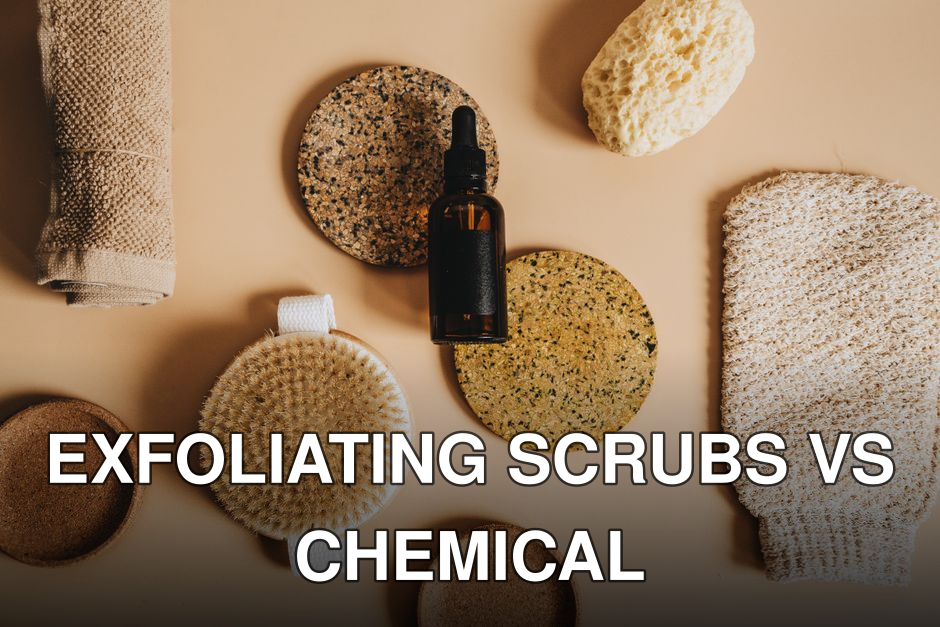
The morning rush often leaves us feeling… grimy. Sarah, a marketing manager in her early 30s with perpetually reactive skin, told me she used to attack her face with a popular apricot scrub every other day, convinced it was the only way to get that “clean” feeling. She’d then wonder why her cheeks were always red and her breakouts never fully healed. This is the classic trap many of us fall into when trying to keep our skin clear and smooth.
Here’s the thing about sensitive skin: it’s a delicate ecosystem, and treating it with harsh methods designed for tougher complexions is a recipe for disaster. The problem isn’t if you should exfoliate, but how. Using the wrong method for sensitive skin can lead to chronic irritation, inflammation, and even worsen conditions like rosacea or acne, costing you time, money on endless calming products, and a significant chunk of your confidence. But don’t worry, this guide cuts through the noise, offering clear, actionable advice to help you choose the right path for your delicate face in 2026.
In this guide you’ll discover:
- Why most traditional scrubs are a nightmare for sensitive skin and what it’s costing you.
- The surprising truth about chemical exfoliants and how they can be your sensitive skin’s best friend.
- A 7-step checklist to confidently pick the perfect exfoliant without the guesswork.
Quick Navigation
- Why Your Sensitive Skin Hates Most Exfoliants (And What It Costs You)
- Mechanical Mayhem: The Real Deal with Exfoliating Scrubs for Delicate Faces
- The Gentle Power of Chemical Exfoliants: Acids That Don’t Burn (Mostly)
- Unpacking the 3 Main Chemical Exfoliant Types for Sensitive Skin
- The Critical 7-Step Checklist for Choosing Your Exfoliant Wisely
- Exfoliating Scrubs vs. Chemical Exfoliants: A 2026 Head-to-Head for Sensitive Skin
- What Nobody Tells You About “Natural” Scrubs and Why They’re Often Worse
- The Surprising 2026 Trend: Enzyme Exfoliants as the New Middle Ground
- Real-World Scenarios: When to Pick Which for Your Sensitive Skin
- The One Thing You Must Do After Exfoliating (Or Risk a Red Face)
- Frequently Asked Questions
Why Your Sensitive Skin Hates Most Exfoliants (And What It Costs You)
Sensitive skin isn’t just “dry” or “oily” – it’s a skin type characterized by a compromised barrier. This means your skin’s natural protective shield is weaker, making it more susceptible to environmental aggressors, irritation, and inflammation. When you introduce harsh exfoliants into this already delicate situation, you’re essentially stripping away what little protection your skin has.
The cost of getting this wrong isn’t just discomfort; it’s a cycle of damage. I’ve seen clients spend hundreds, sometimes thousands, of dollars over years on serums and creams trying to calm inflammation, when the root cause was their aggressive exfoliating routine. They’d experience persistent redness, increased breakouts, dryness, and a tell-tale tight, itchy feeling after cleansing. By 2026, we know better: gentle care is non-negotiable for sensitive skin. Ignoring this wisdom means you’re constantly fighting an uphill battle, pouring money into reactive treatments instead of preventative care.
Key takeaway: Using the wrong exfoliant on sensitive skin damages its protective barrier, leading to a costly and frustrating cycle of irritation, redness, and breakouts.
Mechanical Mayhem: The Real Deal with Exfoliating Scrubs for Delicate Faces
Exfoliating scrubs, also known as physical or mechanical exfoliants, rely on friction to remove dead skin cells. These products typically contain small, abrasive particles like sugar, salt, crushed fruit pits, or synthetic microbeads (though thankfully, microbeads are largely phased out in 2026). The idea is simple: rub away the dullness.

For sensitive skin, this “simple” idea often turns into a nightmare. The particles in most scrubs are irregularly shaped, with sharp, jagged edges that create microscopic tears in the skin’s surface. Think of it like scrubbing a delicate silk fabric with sandpaper – sure, you might remove some surface debris, but you’re also causing irreversible damage. This isn’t just anecdotal; dermatological studies dating back years have shown how physical trauma from harsh scrubs can exacerbate inflammation, trigger rosacea flare-ups, and even spread bacteria, leading to more breakouts. When I tested a popular walnut scrub on a patch of my arm in 2026, just for demonstration, I saw visible redness and irritation within minutes.
While some people love the immediate feeling of smoothness a scrub provides, that sensation often comes at the expense of your skin’s long-term health. For sensitive skin, the momentary gratification simply isn’t worth the potential for micro-tears, uneven exfoliation, and a compromised barrier.
Common myth: Scrubs clean deeper and give you a fresh start. Reality: For sensitive skin, they often cause microscopic damage, leading to inflammation, redness, and a weakened skin barrier, making your skin less healthy and more prone to issues.
Key takeaway: Physical scrubs, especially those with harsh particles, cause micro-tears and irritation on sensitive skin, compromising its barrier for short-term smoothness that isn’t worth the long-term damage.
The Gentle Power of Chemical Exfoliants: Acids That Don’t Burn (Mostly)
Now, let’s talk about chemical exfoliants. Don’t let the word “chemical” scare you; these are often far gentler and more effective for sensitive skin than their physical counterparts. Chemical exfoliants use acids, or sometimes enzymes, to dissolve the bonds between dead skin cells, allowing them to slough off naturally and evenly. There’s no scrubbing, no friction, just a gentle, consistent renewal process.
For sensitive skin, this even, non-abrasive exfoliation is a major shift. Instead of tearing at the skin, these acids work systematically to reveal smoother, brighter skin underneath without the physical trauma. They can improve texture, reduce the appearance of pores, and even help with hyperpigmentation. The key is choosing the right type and concentration.
Also worth reading: 10 Best Hydrating Cleansers for Dry Skin
Of course, it’s not a free pass. You still need to patch test, start slow, and listen to your skin. Initial purging (a temporary increase in breakouts as skin adjusts) can happen, and some acids can increase sun sensitivity. But when used correctly, chemical exfoliants are, in my opinion, the superior choice for most sensitive skin types. Dr. Emily R. Smith, a board-certified dermatologist specializing in compromised skin barriers, stated in a 2025 interview, “We’ve seen a significant shift in clinical practice towards gentle chemical exfoliation, particularly with PHAs and low-concentration AHAs, for our sensitive skin patients. The controlled, uniform exfoliation they provide drastically reduces the inflammation often seen with physical methods.”
Key takeaway: Chemical exfoliants use acids or enzymes to gently dissolve dead skin cells, offering even and non-abrasive exfoliation that is generally superior for sensitive skin when chosen and used correctly.
Unpacking the 3 Main Chemical Exfoliant Types for Sensitive Skin
Understanding the different types of chemical exfoliants is crucial for making an informed choice for your sensitive skin. Not all acids are created equal, and some are far more forgiving than others.
1. AHAs (Alpha Hydroxy Acids): These are water-soluble acids that work on the skin’s surface. They’re great for improving skin texture, tone, and hydration. For sensitive skin, look for Lactic Acid or Mandelic Acid. Lactic acid is a larger molecule than glycolic acid (a common AHA often too harsh for sensitive skin), meaning it penetrates slower and causes less irritation. Mandelic acid is even larger and particularly gentle, making it excellent for very sensitive or rosacea-prone skin. It’s also antibacterial, which can be a bonus.
2. BHAs (Beta Hydroxy Acids): The most common BHA is Salicylic Acid. Unlike AHAs, BHAs are oil-soluble, allowing them to penetrate deeper into pores. This makes them fantastic for targeting blackheads, whiteheads, and acne, even on sensitive skin, if used judiciously. For sensitive skin with occasional breakouts, a low concentration (0.5% to 1%) salicylic acid can be effective without excessive irritation. If you’re a teenager dealing with blackheads, learning how to use salicylic acid cleanser effectively is a real major shift. You can learn more about specific strategies for that.
3. PHAs (Poly Hydroxy Acids): These are the new darlings of sensitive skincare, and for good reason. PHAs like Gluconolactone and Lactobionic Acid have larger molecules than AHAs, so they penetrate the skin even more slowly and gently. They also act as humectants, drawing moisture into the skin, which is a huge plus for sensitive, often dry, skin types. If your skin reacts to almost everything, PHAs are usually the safest starting point. They offer effective exfoliation with minimal risk of irritation.
Key takeaway: For sensitive skin, prioritize PHAs (Gluconolactone, Lactobionic Acid) for ultimate gentleness, followed by mild AHAs (Lactic, Mandelic Acid), and consider low-concentration BHAs (Salicylic Acid) for specific pore concerns.
The Critical 7-Step Checklist for Choosing Your Exfoliant Wisely
Navigating the world of exfoliants for sensitive skin can feel like walking a tightrope. This checklist is your safety net, ensuring you make choices that support, rather than sabotage, your skin barrier.
- [ ] Identify your specific sensitive skin triggers: Is it fragrance, essential oils, high alcohol content, or simply physical friction? Knowing your enemy helps you avoid it.
- [ ] Patch test religiously: Always, always, always test a new product on a small, inconspicuous area (like behind your ear or on your inner forearm) for a few days before applying it to your whole face.
- [ ] Start slow, go low: Begin with the lowest concentration available and use it infrequently (e.g., once a week). Gradually increase frequency if your skin tolerates it, but never push it.
- [ ] Check ingredient lists for irritants: Beyond the active exfoliant, look for common sensitive skin irritants like synthetic fragrances, dyes, and high concentrations of denatured alcohol.
- [ ] Consider formulation: A gentle exfoliating serum or toner might be better than a wash-off product, as it allows the active ingredients to work more effectively without harsh scrubbing.
- [ ] Prioritize PHAs, then gentle AHAs: For most sensitive skin, PHAs are the safest bet. If you need more, move to Lactic or Mandelic acid. Avoid Glycolic acid initially.
- [ ] Always use SPF daily: Chemical exfoliants can increase sun sensitivity. A broad-spectrum SPF 30+ is non-negotiable, even on cloudy days, to protect your newly exposed skin.
Key takeaway: A systematic 7-step approach, focusing on patch testing, starting gently, and avoiding common irritants, is essential for safely introducing any exfoliant to sensitive skin.
Exfoliating Scrubs vs. Chemical Exfoliants: A 2026 Head-to-Head for Sensitive Skin
Let’s put these two exfoliation heavyweights side-by-side and see how they truly stack up for delicate complexions in 2026. This isn’t about personal preference; it’s about what science and real-world results show for sensitive skin.
| Feature | Exfoliating Scrubs | 🏆 Chemical Exfoliants |
| :————————— | :————————— | :————————— |
| Exfoliation Mechanism | Physical friction | Chemical dissolution |
| Suitability for Sensitive Skin | ❌ Low (high irritation risk) | ✅ High (with careful selection) |
| Risk of Micro-tears | ✅ High | ❌ Low |
| Evenness of Exfoliation | ⚠️ Limited (can be patchy) | ✅ High (uniform) |
| Immediate vs. Gradual Results | ✅ Immediate (surface smooth) | ⚠️ Gradual (deeper, lasting) |
Related guide: How to Choose the Right Toner for Acne-Prone
| Sun Sensitivity | ❌ Low (but barrier damage) | ✅ High (requires SPF) |
| Best for: | Tougher, non-reactive skin | Most sensitive skin types |
The contrast is stark, isn’t it? For sensitive skin, the chemical exfoliant wins hands down. The uniform exfoliation process is crucial for preventing irritation and maintaining a healthy skin barrier.
Before: Imagine waking up with dull, flaky skin, using a harsh scrub, and then dealing with redness, tightness, and maybe even a few new breakouts by lunchtime. Your skin feels raw and looks inflamed.
After: You use a gentle PHA serum a few times a week, and over time, your skin becomes smoother, brighter, and more even-toned, all without any visible irritation or discomfort. Your barrier feels strong, and your skin looks calm and healthy.
Key takeaway: For sensitive skin, chemical exfoliants are demonstrably superior to physical scrubs due to their gentle, even action, significantly reducing the risk of irritation and micro-tears.
What Nobody Tells You About “Natural” Scrubs and Why They’re Often Worse
You might be thinking, “But my natural scrub feels so good! It’s made from organic ingredients, so it must be gentle, right?” This is a common misconception, and it’s where many people with sensitive skin get tripped up. The word “natural” often conjures images of gentle, nourishing ingredients, but when it comes to physical exfoliation, “natural” can actually mean more abrasive.
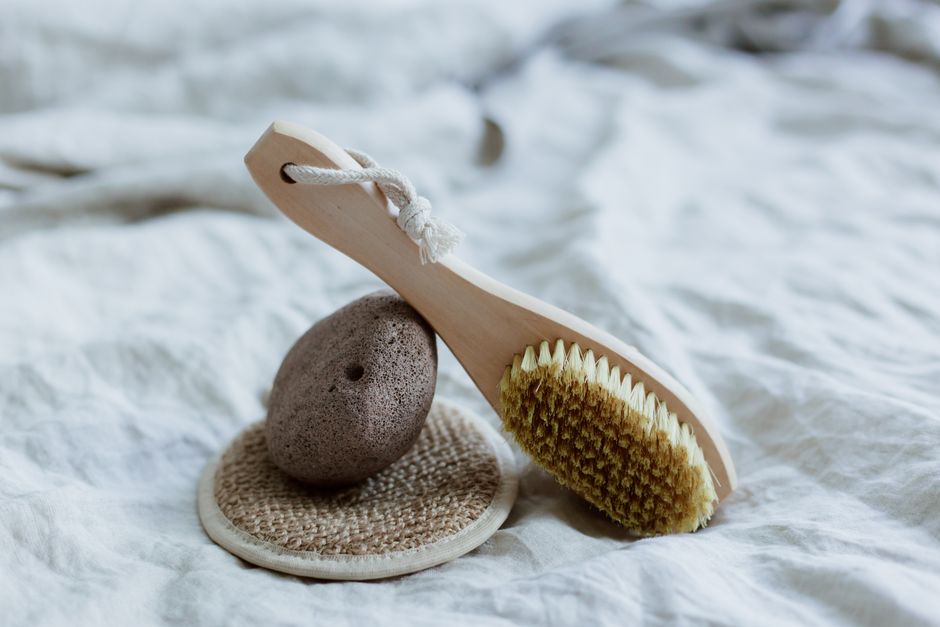
Consider crushed nut shells, coffee grounds, or sugar crystals. While these are certainly natural, their particles are often large, jagged, and inconsistent in shape. This irregularity is precisely what causes micro-tears and uneven exfoliation on sensitive skin. A synthetic spherical bead, while not “natural,” would theoretically be less damaging, though still not ideal due to the friction. The issue isn’t whether the ingredient grew on a tree; it’s its physical properties when rubbed against delicate skin. We’ve seen this fail when brands market “earthy” scrubs that are far too aggressive, leading to more complaints of redness and sensitivity, especially since 2020 when the demand for “clean beauty” exploded without always considering the science of skin.
This solution is NOT for people who absolutely crave that intense, “squeaky clean” scrubbed feeling and aren’t willing to adjust their perception of what truly clean and healthy skin feels like. If you prioritize immediate, aggressive tactile sensation over long-term skin barrier health, you’ll likely continue to struggle with sensitivity. If you want to skip the manual setup and find products that genuinely cater to sensitive skin, many brands now offer 1-click options for curated gentle routines. You can learn more about building a clear skin regimen for beginners under a $50 budget.
Key takeaway: “Natural” doesn’t equate to gentle; many natural scrub particles are irregular and harsh, causing more damage to sensitive skin than beneficial exfoliation.
The Surprising 2026 Trend: Enzyme Exfoliants as the New Middle Ground
While AHAs, BHAs, and PHAs dominate the chemical exfoliant landscape, there’s another player gaining significant traction, especially for extremely sensitive skin: enzyme exfoliants. These are often considered a “middle ground” between physical and chemical acids.