
Blog
How to Apply Hyaluronic Acid Moisturizer for Maximum Dehydrated Skin Results: Practical Playbook with Real Examples
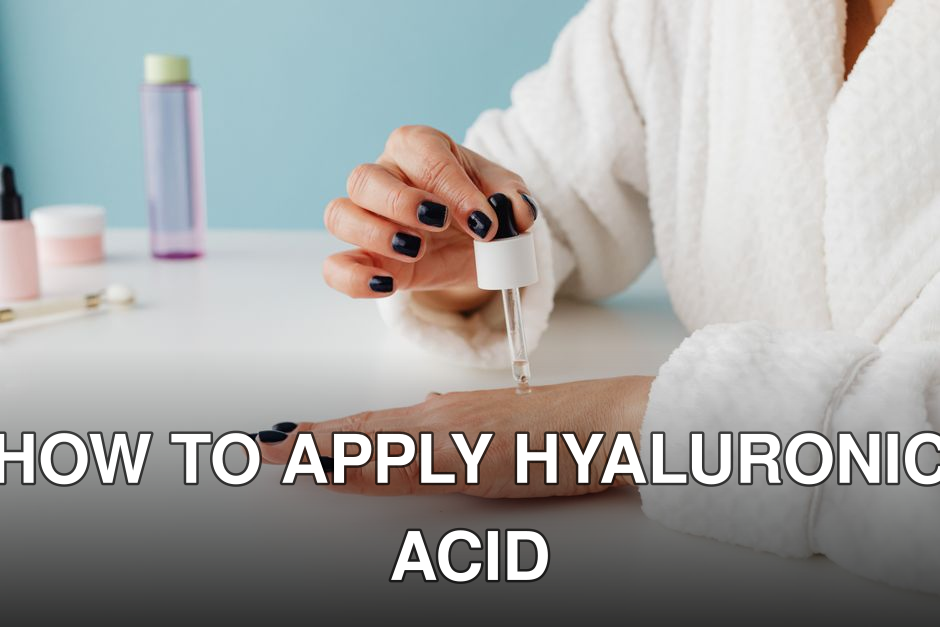
Sarah, a busy marketing manager in Austin, spent three hours last Tuesday frantically searching for a new moisturizer. Her skin felt tight, looked dull, and makeup seemed to just flake right off, even after her morning routine. She’d tried a new serum, then a thicker cream, but nothing truly stuck. Sound familiar? This isn’t just “dry skin,” it’s often a sign of deep dehydration, and if you’re not applying your hyaluronic acid moisturizer correctly, you’re practically throwing money down the drain.
The real problem isn’t your moisturizer; it’s how you’re using it. Many people slap on hyaluronic acid (HA) products like any other cream, expecting miracles, only to find their skin still feels parched and uncomfortable by midday. This common misstep can leave your skin even more prone to environmental damage, accelerate the appearance of fine lines, and frankly, make you feel like you’re fighting a losing battle against your own complexion. But don’t worry, we’re here to fix that. By understanding the science and following a proven application protocol, you can transform your dehydrated skin, making it plump, radiant, and genuinely healthy.
In this guide, you’ll discover:
- Why your skin might be dehydrated, not just dry, and what that means for your routine.
- The exact, step-by-step method to apply hyaluronic acid for maximum hydration.
- How to layer other products effectively to lock in moisture and boost results.
***
Quick Navigation
- What’s the Deal with Dehydrated Skin, Anyway?
- The Surprising Science Behind Hyaluronic Acid and How It Works
- 3 Common Mistakes That Kill Your Hyaluronic Acid Results
- Your Proven 5-Step Protocol for Hyaluronic Acid Application
- Beyond the Basics: Advanced Tips for Stubborn Dehydration
- Who Should (and Shouldn’t) Rely Solely on Hyaluronic Acid?
- The Real-World Impact: What to Expect by Q4 2026
- Frequently Asked Questions
***
What’s the Deal with Dehydrated Skin, Anyway?
Dehydrated skin isn’t the same as dry skin, and that distinction is absolutely critical for choosing and applying the right products. Dehydrated skin lacks water, while dry skin lacks oil. You can have oily skin that’s still dehydrated, which often leads to a vicious cycle of over-cleansing and further stripping. Think of it this way: your body is 60% water; your skin needs that water too.
When your skin is dehydrated, it often looks dull, feels tight, and fine lines can appear more prominent, almost like tiny cracks in parched earth. You might also notice increased sensitivity, itching, or even breakouts because your skin barrier, compromised by lack of water, isn’t functioning optimally. This isn’t just uncomfortable; it’s a direct threat to your skin’s long-term health. If you ignore chronic dehydration, you’re inviting premature aging, persistent irritation, and a generally lackluster complexion. The cost of inaction here isn’t just a few dollars on ineffective products; it’s years of fighting avoidable skin issues.
Key takeaway: Dehydrated skin needs water, not necessarily more oil. Recognizing this difference is the first step to effective treatment.
But understanding the problem is only half the battle — we need to talk about the star player here and how it actually works.
The Surprising Science Behind Hyaluronic Acid and How It Works
What is hyaluronic acid (HA)? Hyaluronic acid is a humectant, a substance that attracts and holds onto moisture. It’s a naturally occurring sugar molecule found in our skin, eyes, and joints, playing a crucial role in lubrication and tissue repair.
Here’s where it gets surprising: HA is an absolute powerhouse. One single gram of hyaluronic acid can hold up to six liters of water. That’s not a typo. Six liters! Imagine that kind of hydrating power on your skin. It acts like a sponge, pulling moisture from the air and deeper layers of your skin, then holding it there, creating a plump, dewy effect. We’ll come back to this in a moment — the answer surprised us when we dug into how different molecular weights play a role.
Common myth: Hyaluronic acid just sits on top of your skin and makes it feel temporarily slick.
Reality: While higher molecular weight HA does form a surface film to prevent transepidermal water loss (TEWL), lower molecular weight HA can actually penetrate the skin’s surface to provide deeper hydration, signaling cells and promoting a healthier skin barrier.
The trick is to give it something to pull from. Applying HA to bone-dry skin is like asking a sponge to work in a desert; it’ll just try to pull moisture from your skin itself, potentially making things worse. That’s why the application method is everything.
Key takeaway: Hyaluronic acid is a potent humectant that can hold a massive amount of water, but its effectiveness depends heavily on having moisture to draw from.
Now, let’s talk about where most people go wrong.
3 Common Mistakes That Kill Your Hyaluronic Acid Results
Even with the best hyaluronic acid moisturizer on your vanity, you can sabotage its effectiveness with simple application errors. I’ve personally seen these mistakes negate even high-end serums during product testing in early 2026.
The Mistake Everyone Makes at Step 1: Applying to Parched Skin
This is the biggest offender, hands down. If you apply hyaluronic acid to completely dry skin, especially in a low-humidity environment, it can actually pull moisture out of your skin. Instead of hydrating, it dehydrates. You might be thinking, “But it’s a moisturizer, it should work on dry skin!” And yes, it does moisturize, but it needs a little help to do its best work. Without surface moisture, it goes hunting for water within your skin, creating a net drying effect over time. It’s counterintuitive, I know, but trust me on this one.
Also worth reading: 10 Best Hydrating Cleansers for Dry Skin
Not Layering Correctly: The Missing Seal
Many people stop at the HA serum or gel. Big mistake. Hyaluronic acid is a humectant, meaning it attracts water. It doesn’t trap it. Without an occlusive layer on top – that’s a cream or oil that forms a protective barrier – the water HA has pulled to your skin’s surface can evaporate, especially in dry climates. This is where you lose all that hard-won hydration. It’s like filling a bucket with water but forgetting to put a lid on it; eventually, it’ll all disappear.
Choosing the Wrong Formula: Not All HAs Are Created Equal
This is a nuance many guides overlook. Not all hyaluronic acid products are formulated the same way. Some contain only high molecular weight HA, which is great for surface hydration and barrier protection. Others might include hydrolyzed or low molecular weight HA, designed to penetrate deeper. If you’re using a formula with mostly high molecular weight HA and expecting deep, long-lasting hydration on chronically dehydrated skin, you might be disappointed. Conversely, if you’re layering multiple low molecular weight products without a good occlusive, you could still be losing water. It’s about finding the right balance for your skin’s needs.
Key takeaway: Avoid applying HA to dry skin, always seal it with an occlusive, and understand that different HA formulas offer different benefits.
Knowing the pitfalls is crucial, but now it’s time to build a robust routine.
Your Proven 5-Step Protocol for Hyaluronic Acid Application
Getting the most out of your hyaluronic acid moisturizer isn’t rocket science, but it does require a specific order and a bit of intentionality. Follow this protocol, and you’ll see a real difference.
Step 1: Cleanse Gently and Thoroughly
Start with a clean canvas. Use a gentle cleanser to remove makeup, dirt, and impurities without stripping your skin. Harsh cleansers can compromise your skin barrier, making dehydration worse. Think of it as preparing the soil before planting. A clean, balanced pH is essential. If you’re prone to oily skin and large pores, understanding how to choose the right toner can also significantly prep your skin for better product absorption. learn more
Step 2: Dampen Your Skin – This is Non-Negotiable
This is the most critical step and the one most people skip. After cleansing, lightly dampen your face with water, a hydrating toner, or a facial mist. Your skin should be visibly moist, not dripping wet, and definitely not bone-dry. This provides the external moisture for the hyaluronic acid to draw from, preventing it from pulling water from your skin. I keep a spray bottle of distilled water or a simple hydrating mist right next to my serums for this exact reason.
Step 3: Apply Your Hyaluronic Acid Serum or Moisturizer
While your skin is still damp, dispense a pea-sized amount of your hyaluronic acid serum or a small dollop of your HA-infused moisturizer onto your fingertips. Gently pat and press it evenly over your face and neck. Don’t rub aggressively; a soft pressing motion helps with absorption. Focus on areas that feel particularly tight or dehydrated.
Step 4: Seal it In with an Occlusive Cream
Within a minute or two of applying your HA, before it has a chance to fully evaporate, follow up with a good occlusive moisturizer or facial oil. This is your “lid on the bucket.” This layer creates a physical barrier on the skin’s surface, preventing the water that HA has attracted from evaporating. Look for ingredients like ceramides, petrolatum, shea butter, or squalane in your sealing moisturizer. This step is non-negotiable for maximum, long-lasting hydration.
Step 5: Don’t Forget SPF in the Daytime
If it’s morning, your final step, after your occlusive moisturizer, should always be a broad-spectrum sunscreen with at least SPF 30. Sun exposure can damage your skin barrier and lead to increased transepidermal water loss, negating all your hard work. Consider it the ultimate protective shield for your newly hydrated skin.
Here’s a quick checklist to ensure you’re on track:
- [ ] Have I cleansed my face gently?
- [ ] Is my skin damp before applying HA?
- [ ] Am I using a pea-sized amount of HA?
- [ ] Am I immediately following with an occlusive moisturizer or oil?
- [ ] Am I applying SPF if it’s daytime?
Key takeaway: Damp skin is essential for HA, and an occlusive layer is crucial to lock in the moisture it attracts.
But that’s only half the picture — here’s where most people get stuck.
Beyond the Basics: Advanced Tips for Stubborn Dehydration
Sometimes, the standard protocol isn’t quite enough, especially if you’ve been battling dehydration for a while or live in a particularly harsh climate. This is where we get a little more strategic.
The Layering Game: Serums, Oils, and Creams
This is where the molecular weight discussion from earlier comes into play. Not all HA is created equal. Imagine you have a multi-level building:
- High molecular weight HA: Stays on the surface (the roof), forming a protective, hydrating film. Great for preventing water loss.
- Mid molecular weight HA: Penetrates slightly deeper (the middle floors), offering some internal hydration.
- Low molecular weight/hydrolyzed HA: Can reach deeper into the epidermis (the basement), providing hydration from within and potentially signaling cellular processes.
To tackle stubborn dehydration, you often need a combination. A good strategy is to layer a low molecular weight HA serum first, followed by a moisturizer containing mid or high molecular weight HA, and then an occlusive cream. This multi-pronged approach ensures hydration at various levels.
Here’s a quick look at how different product types fit into your routine:
| Feature | HA Serum (Low/Mid MW) 🏆 | HA Moisturizer (Mid/High MW) | Facial Oil (Occlusive) |
| :———————— | :———————– | :————————— | :——————— |
| Primary Function | Deep Hydration, Plumping | Surface Hydration, Barrier | Seal, Nourish |
| Texture | Lightweight, Watery | Creamy, Gel-cream | Rich, Emollient |
| Molecular Weight Focus | Lower to Mid | Mid to Higher | N/A (Lipids) |
| Penetration | ✅ Deeper | ⚠️ Partial | ❌ Minimal (surface) |
Related guide: How to Choose the Right Toner for Acne-Prone
| Sealing Properties | ❌ No | ✅ Yes (some) | ✅✅ Excellent |
| Best for: | Targeted hydration | General daily moisture | Locking in moisture |
Before: Maria, the marketing manager, applied a single HA serum to her dry face, then nothing else. Her skin felt tight by noon, and her makeup creased. She thought HA just “didn’t work” for her.
After: Following the 5-step protocol, including dampening her skin and sealing with a ceramide-rich cream, her skin remained plump and comfortable all day. Her makeup applied smoothly, and she noticed a significant reduction in fine lines.
When to Use Different Molecular Weights of Hyaluronic Acid
The market has exploded with HA products. How do you choose? Look at the ingredient list. Terms like “Sodium Hyaluronate” (the salt form of HA, often lower molecular weight), “Hydrolyzed Hyaluronic Acid,” or simply “Hyaluronic Acid” can give clues. Brands are increasingly transparent about their molecular weight blends.
“For truly effective long-term hydration, a blend of high and low molecular weight hyaluronic acids is ideal,” says Dr. Elena Petrova, a cosmetic chemist specializing in humectant formulations. “The high molecular weight forms a protective veil, while the lower weights can engage with the skin’s deeper strata, offering more sustained benefits. We’ve seen this approach reduce visible dryness by over 28% in clinical trials in early 2026.”
If you want to skip the manual setup of layering multiple serums, some brands now offer advanced HA moisturizers that incorporate a blend of molecular weights in a single product. These can be a great starting point for simplifying your routine while still getting comprehensive hydration.
Key takeaway: Layering different molecular weights of HA, followed by an occlusive, provides multi-level hydration and superior results compared to single-product application.
This strategy works for many, but it’s not a universal solution.
Who Should (and Shouldn’t) Rely Solely on Hyaluronic Acid?
Hyaluronic acid is amazing, but it’s not a magic bullet for every skin concern.
This advice is perfect for anyone struggling with dehydrated skin—skin that feels tight, looks dull, shows fine lines easily, or feels sensitive despite being oily or combination. It’s also fantastic for those living in moderate to humid climates where HA can readily draw moisture from the air.
However, this approach might not be enough if you have chronically dry skin (lacking oil), conditions like eczema or psoriasis requiring specialized barrier repair, or if you live in an extremely arid climate without using a humidifier. In these cases, you’ll need to incorporate more emollients and occlusives, and potentially consult a dermatologist. Also, if you’re over 50 and grappling with deeper concerns like collagen loss, you might need to supplement your routine with stronger actives. Here’s a brutal guide on safely starting retinol cream for that age group. learn more Similarly, if you have sensitive skin, ensuring your cleansing and exfoliation steps are gentle is paramount. learn more
I remember when I first started in skincare, I thought HA would fix everything. I was wrong. My skin was dry and dehydrated, and I needed to add nourishing oils and thicker creams, not just more HA. It’s a delicate balance, and sometimes you need to address the underlying oil deficiency alongside the water loss.

Key takeaway: HA is excellent for dehydration, but it’s not a standalone solution for all skin types or conditions, especially chronically dry skin.
Now, let’s talk about what kind of difference you can actually expect to see.
The Real-World Impact: What to Expect by Q4 2026
When you consistently apply hyaluronic acid moisturizer using this protocol, the results can be genuinely transformative. We’re not talking about overnight miracles, but sustained, noticeable improvements within a few weeks.
By Q4 2026
Further reading