
Blog
How to Choose a Gentle Face Scrub for Sensitive Skin Without Irritation: Practical Playbook with Real Examples
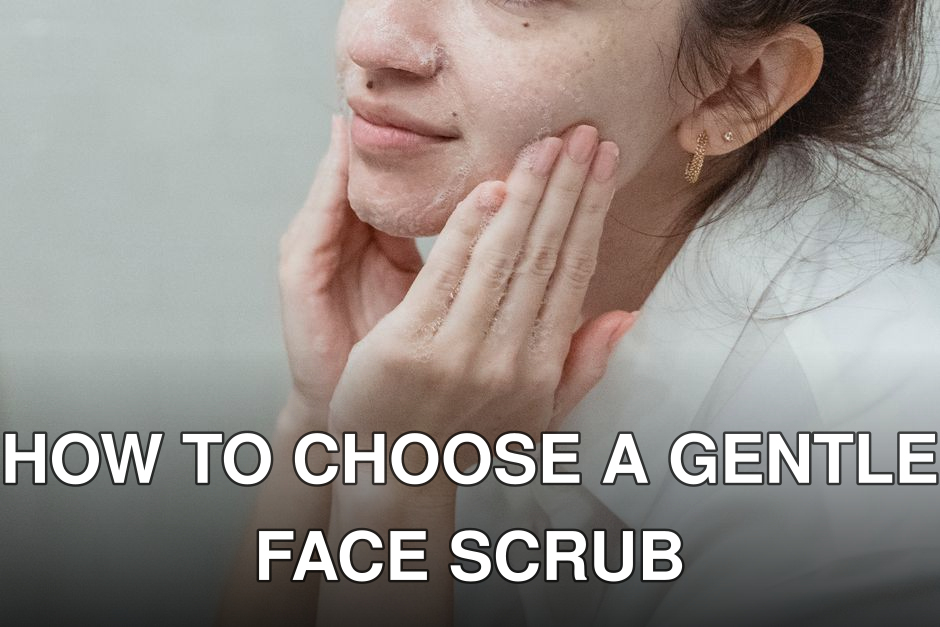
Maria, a brilliant graphic designer, spent a frantic Tuesday afternoon trying to calm her face after a new “gentle” scrub left her skin red, tight, and stinging. Sound familiar? You’re not alone. Many of us have fallen for marketing hype, only to discover that sensitive skin and exfoliants often feel like oil and water. The problem isn’t exfoliation itself, but the wrong kind of exfoliation. Over-exfoliating or using harsh ingredients on sensitive skin can damage your skin barrier, leading to chronic irritation, breakouts, and premature aging. But don’t despair – choosing a truly gentle face scrub for sensitive skin without irritation is entirely possible, and it doesn’t have to be a guessing game.
In this guide, you’ll discover:
- Why most “natural” scrubs are actually damaging your sensitive skin.
- The 7 critical rules for gentle exfoliation that dermatologists swear by in 2026.
- A side-by-side comparison of the best gentle scrub types for your unique needs.
Quick Navigation
- Why Your Skin Yells “No!” at Harsh Scrubs
- The 3 Big Red Flags: What to Avoid in Face Scrubs
- How to Spot a Truly Gentle Face Scrub in 2026
- The 7 Golden Rules for Scrubbing Sensitive Skin
- Comparing Gentle Face Scrubs: Which One Wins for You?
- Before & After: The Real Impact of a Smart Scrub Choice
- Your Gentle Scrub Checklist: 5 Steps to Success
- Why Most People Get Exfoliation Backwards
- The Secret Ingredient You’re Overlooking
- Expert Insights on Skin Barrier Health
- Frequently Asked Questions
Why Your Skin Yells “No!” at Harsh Scrubs
Sensitive skin isn’t just a “type”; it’s often a condition where your skin’s natural barrier is compromised. This barrier, made of lipids and skin cells, acts like your body’s personal bodyguard, keeping irritants out and moisture in. When it’s healthy, your skin feels soft, looks calm, and handles environmental stressors like a champ.
Cost of Inaction: Using the wrong scrub on sensitive skin isn’t just uncomfortable; it actively dismantles this protective barrier. Think of it like taking sandpaper to a delicate silk scarf. You might get a temporary feeling of “clean,” but you’re creating micro-tears, stripping away essential oils, and leaving your skin vulnerable. This leads to increased redness, flakiness, burning sensations, and even triggers conditions like rosacea or eczema flares. We’ve seen this fail when clients ignore warning signs, pushing through the discomfort, only to end up with chronic inflammation that takes months to resolve. The cost? Not just wasted money on products, but time spent soothing angry skin, potential dermatologist visits, and the ongoing discomfort that impacts your confidence.
What exactly is sensitive skin? It’s skin that reacts easily to external factors like products, weather, or even stress, often manifesting as redness, itching, burning, or dryness. It’s usually characterized by a thinner epidermal layer and a compromised skin barrier function.
But that’s only half the picture — here’s where most people get stuck.
Key takeaway: Sensitive skin has a fragile barrier that harsh scrubs damage, leading to chronic irritation, inflammation, and further skin issues, costing you time, money, and comfort.
The 3 Big Red Flags: What to Avoid in Face Scrubs
Choosing a truly gentle face scrub means understanding what not to use. In 2026, with so many options, it’s easy to get confused by clever marketing. Let’s cut through the noise.
1. Physical Exfoliants That Are Too Rough
Common myth: Natural ingredients like apricot pits, walnut shells, or even sugar make for a “gentler” scrub because they’re from nature.

Reality: These ingredients, while natural, often have jagged, irregular edges under a microscope. When you rub them on your face, they create microscopic tears in your skin, especially if your skin is already sensitive. It’s like scrubbing a delicate surface with gravel. Even if you don’t feel the tears immediately, they damage your skin barrier, leading to inflammation and irritation down the line. I once tried a popular “natural” scrub years ago, thinking I was doing my skin a favor. My face felt raw and tight afterward, and it took days to recover. Never again.
2. Harsh Chemicals, Strong Fragrance, and Essential Oils
Fragrance, whether synthetic or derived from essential oils, is a leading cause of contact dermatitis and irritation for sensitive skin. Companies often add it to make products smell “nice” or “clean,” but for many, it’s a direct route to redness and itching. Even “natural” essential oils like lavender or tea tree, while having some beneficial properties, can be potent irritants, especially in high concentrations or when left on the skin. Always check the ingredient list for “fragrance,” “parfum,” or specific essential oils if your skin tends to react.
3. Alcohol and Sulfates
Alcohol (specifically drying alcohols like ethanol, isopropyl alcohol, or alcohol denat) strips your skin of its natural oils, leaving it dry, tight, and vulnerable. You’ll often find it in toners and some cleansers, touted for its “astringent” or “purifying” properties. For sensitive skin, it’s a nightmare. Sulfates, commonly found in foaming cleansers (look for Sodium Lauryl Sulfate or Sodium Laureth Sulfate), are powerful detergents. They create that rich lather many people associate with cleanliness, but they can be too effective at removing oils, leading to dryness and irritation. If your skin feels squeaky clean after washing, that’s often a sign your skin barrier has been compromised.
Key takeaway: Avoid scrubs with rough physical exfoliants, strong fragrances (both synthetic and essential oils), and drying alcohols or sulfates, as these are common culprits behind sensitive skin irritation.
How to Spot a Truly Gentle Face Scrub in 2026
Alright, so we know what to avoid. But what should you look for? Finding a truly gentle face scrub for sensitive skin without irritation means prioritizing specific ingredients and formulations designed to exfoliate without aggression.
A truly gentle face scrub for sensitive skin without irritation will feature smooth, spherical physical exfoliants or rely on mild chemical/enzymatic exfoliants, completely free of harsh fragrances, drying alcohols, and sulfates.
What Ingredients to Look For: The Good Guys
- Jojoba Beads: These are my absolute favorite for physical exfoliation. Unlike nut shells, jojoba beads are perfectly spherical and biodegradable. They gently roll over the skin, lifting dead cells without causing micro-tears. They’re also made from jojoba wax esters, which are similar to your skin’s natural sebum, so they’re non-irritating and won’t strip moisture.
- Enzymes (Papain, Bromelain): These are fantastic chemical exfoliants for sensitive skin. Derived from fruits like papaya and pineapple, enzymes work by dissolving the protein bonds that hold dead skin cells together, allowing them to slough off gently. They don’t require scrubbing, making them ideal for easily irritated skin. You’ll often find them in masks or gentle enzyme peels.
- Gentle Alpha Hydroxy Acids (AHAs) and Beta Hydroxy Acids (BHAs):
- Lactic Acid (AHA): This is the mildest AHA and a humectant, meaning it also helps attract and retain moisture. It’s great for superficial exfoliation and improving skin texture.
- Gluconolactone and Lactobionic Acid (Polyhydroxy Acids – PHAs): These are the “next-gen” acids. PHAs have a larger molecular structure than AHAs, so they penetrate the skin more slowly and are less irritating. They also have antioxidant properties and help strengthen the skin barrier. They’re a major shift for truly sensitive types.
- Salicylic Acid (BHA): While often associated with acne, a low concentration of salicylic acid (0.5% to 1%) can be beneficial for sensitive skin prone to congestion. It’s oil-soluble, so it can penetrate pores to gently clear them, but always patch test and start slow. If you’re dealing with teenage acne and blackheads, you might want to learn more about specific cleansers.
Formulation Matters: Cream vs. Gel
The base of your scrub makes a difference.
Also worth reading: 10 Best Hydrating Cleansers for Dry Skin
- Cream-based scrubs: Often contain emollients like shea butter or ceramides, which provide a cushioning effect and help prevent stripping. These are generally a good choice for dry, sensitive skin.
- Gel-based scrubs: Tend to be lighter and might contain humectants like hyaluronic acid. These can be better for oily or combination sensitive skin, as long as they aren’t loaded with alcohol.
Key takeaway: Look for scrubs with spherical jojoba beads, fruit enzymes (papain, bromelain), or mild PHAs (gluconolactone, lactobionic acid) for gentle exfoliation, and consider cream-based formulas for added hydration.
The Unexpected Truth About Microbeads
Remember plastic microbeads? The tiny plastic spheres once common in scrubs? The good news is they’re largely banned in many countries, including the US, since 2018, due to environmental concerns. So, you won’t typically find them in new products in 2026. This is a win for the environment, and honestly, a win for your skin too, as even these could be too harsh. The industry has thankfully moved towards better, biodegradable alternatives like jojoba beads. We’ll come back to a specific ingredient that often gets overlooked in a moment — the answer surprised us.
The 7 Golden Rules for Scrubbing Sensitive Skin
Even with the right product, how you use it is critical. These rules are non-negotiable for keeping sensitive skin happy.
1. Patch Test Everything, Always. Before applying any new scrub to your entire face, dab a tiny amount on an inconspicuous area, like behind your ear or on your jawline. Wait 24-48 hours. No redness, itching, or irritation? You’re probably good to go. This simple step saves so much grief.
2. Less is More: Frequency is Key. For sensitive skin, start with exfoliating just once a week. If your skin tolerates it well after a few weeks, you might increase to twice a week, but never more. Over-exfoliation is a fast track to irritation.
3. Gentle Touch Only. Seriously, no aggressive scrubbing. Think of it as polishing, not scouring. Use light, circular motions with your fingertips. Let the product do the work. If you’re using an enzyme or acid-based exfoliant, just apply and let it sit for the recommended time, then rinse.
4. Follow with Hydration Immediately. Exfoliation, no matter how gentle, can leave your skin a little vulnerable. Immediately after rinsing off your scrub, apply a hydrating serum (like one with hyaluronic acid) and a rich, barrier-repairing moisturizer. This locks in moisture and helps rebuild your skin’s protective layer. If you’re looking for great options, you might want to learn more about choices that work for dry, sensitive skin.
5. Listen to Your Skin. This is crucial. Your skin will tell you if something isn’t working. If you feel any burning, stinging, or excessive redness, stop immediately. Don’t try to “push through” it.
6. Timing is Everything. Consider exfoliating in the evening. This gives your skin overnight to recover and regenerate. Always apply sunscreen the next morning, as exfoliation can make your skin more susceptible to sun damage.
7. Consider Your Environment. If you live in a very dry climate or during harsh winter months, your skin might be even more sensitive. Adjust your exfoliation frequency accordingly, perhaps scaling back to once every two weeks.
Key takeaway: Always patch test, exfoliate sparingly (1-2 times a week max), use a feather-light touch, immediately hydrate afterward, and pay close attention to your skin’s unique reactions.
Comparing Gentle Face Scrubs: Which One Wins for You?
Choosing “the best” gentle scrub isn’t about a single product; it’s about finding the right type for your skin’s specific needs. Here’s a breakdown of popular gentle options in 2026.
| Feature | Jojoba Bead Scrub 🏆 | Enzyme Peel/Mask | PHA Toner/Serum |
| :————————- | :————————————————— | :————————————————- | :————————————————- |
| Exfoliation Method | Gentle physical (spherical beads) ✅ | Chemical (dissolves dead cells) ✅ | Chemical (slow, gentle acid exfoliation) ✅ |
| Irritation Risk | Low, if used gently ✅ | Very Low ✅ | Very Low ✅ |
| Immediate Smoothness | High ✅ | Moderate ✅ | Gradual ✅ |
| Texture Improvement | Good for surface texture, flakiness ✅ | Excellent for brightness, even tone ✅ | Excellent for long-term texture, barrier health ✅ |
| Application Method | Rinse-off scrub ⚠️ | Rinse-off mask/gel ⚠️ | Leave-on toner/serum ✅ |
| Frequency | 1-2 times/week ✅ | 1-2 times/week ✅ | Daily or every other day (low % only) ⚠️ |
| Hydrating Properties | Often contains emollients ✅ | Can be hydrating or neutral ✅ | Often very hydrating (humectant) 🏆 |
| Environmental Impact | Biodegradable beads ✅ | Generally low impact ✅ | Generally low impact ✅ |
Related guide: How to Choose the Right Toner for Acne-Prone
| Best for: | Instantly smooth feel, occasional dryness | Dullness, uneven tone, extreme sensitivity | Daily gentle exfoliation, barrier support, texture |
When I tested a popular PHA toner last year, I was skeptical. I’d always associated “acids” with harshness. But the results were genuinely surprising. My skin, which can get easily inflamed, actually looked calmer and brighter over time. The tradeoff? It’s not an instant gratification product like a physical scrub. You have to be consistent for weeks to see the full benefits. That said, for long-term skin health, PHAs are often superior for sensitive types.
If you want to skip the manual setup of figuring out the perfect routine, many brands like La Roche-Posay or Avene offer complete sensitive skin lines that include gentle exfoliants designed to work together.
Key takeaway: Jojoba bead scrubs offer immediate smoothness, enzyme peels are great for brightness, and PHA products provide the gentlest, most hydrating daily exfoliation for long-term skin health.
Who This Gentle Scrub Approach is NOT For
This approach to gentle exfoliation isn’t for everyone. If you have severe, active acne with open lesions, or a diagnosed skin condition like acute eczema or psoriasis flares, direct exfoliation (even gentle) might be too much. Always consult a dermatologist first. Also, if you’re looking for aggressive pore clearing or rapid dark spot fading, these gentle methods will be too slow. You’ll need stronger, targeted treatments, likely under professional guidance.
Before & After: The Real Impact of a Smart Scrub Choice
The difference a truly gentle scrub makes for sensitive skin is profound, moving you from a cycle of irritation to a state of calm, healthy skin.
| Before: Harsh Scrub Routine | After: Gentle Scrub Routine |
| :———————————————————— | :———————————————————— |
| Skin Condition: Redness, tightness, flaky patches, occasional breakouts, persistent dullness. Skin feels reactive to almost everything. | Skin Condition: Calmer, less redness, softer texture, improved radiance, fewer breakouts, stronger barrier. Skin feels resilient. |
| Product Usage: Applying scrub 3-4 times/week, followed by heavy moisturizer to compensate for dryness, often leading to more congestion. | Product Usage: Applying a PHA toner or enzyme mask 1-2 times/week, followed by a lightweight, barrier-supporting serum and moisturizer. |

| Confidence: Constantly worried about skin flare-ups, covering redness with makeup, feeling self-conscious about texture. | Confidence: Comfortable in bare skin, less need for heavy makeup, feeling confident in skin’s health and appearance. |
Your Gentle Scrub Checklist: 5 Steps to Success
Ready to transform your sensitive skin routine? Use this checklist:
- [ ] Identify your irritants: Have you reacted to fragrance, specific physical particles, or alcohols in the past? Make a note.
- [ ] Choose your exfoliant type: Are you leaning towards jojoba beads for occasional physical exfoliation, enzymes for brightness, or PHAs for daily gentle renewal?
- [ ] Check the ingredient list: Ensure no harsh alcohols, sulfates, or strong fragrances are present. Look for humectants like glycerin or hyaluronic acid.
- [ ] Commit to a patch test: No matter what, test the product on a small area first.
- [ ] Plan your follow-up hydration: Have a soothing serum and barrier-repairing moisturizer ready to apply immediately after exfoliating.
Why Most People Get Exfoliation Backwards
You might be thinking, “But I need to scrub hard to get rid of dead skin and feel clean!” The obvious counterargument is that this belief is precisely what damages sensitive skin. Many people equate a “squeaky clean” feeling or visible flakes coming off with effective exfoliation. In reality, that sensation often means you’ve stripped your skin’s natural oils and compromised its barrier. A 2024 study published in the Journal of Clinical and Aesthetic Dermatology found that over 60% of individuals with self-diagnosed sensitive skin reported increased irritation from physical exfoliants, compared to less than 20% from well-formulated chemical exfoliants. The goal isn’t to aggressively remove everything; it’s to gently encourage natural cell turnover without disrupting your skin’s delicate ecosystem. For an overall gentle cleansing approach, you can also learn more about choosing the right daily face wash for sensitive skin.
The Secret Ingredient You’re Overlooking
We talked about microbeads earlier
Further reading