
Blog
CeraVe vs La Roche-Posay Cleansers: Best for Oily Acne-Prone Skin?: Practical Playbook with Real Examples

Sarah, a freelance designer in Austin, spent years bouncing from one “miracle” cleanser to the next, convinced her oily, acne-prone skin was a lost cause. Every new bottle promised clear skin, only to deliver more breakouts or that dreaded tight, stripped feeling. She wasn’t alone.
The endless quest for the perfect facial cleanser for oily, acne-prone skin is a frustrating cycle. You buy, you try, you’re disappointed, and the breakouts just keep coming, costing you money, time, and confidence. But here’s the brutal truth: the solution isn’t about magic; it’s about understanding the science and picking the right workhorse product. This guide cuts through the marketing fluff to give you a definitive answer.
In this guide, you’ll discover:
- Why CeraVe and La Roche-Posay dominate the dermatologist-recommended lists for oily skin.
- The critical ingredient differences that make one brand better suited for your specific acne type.
- A practical comparison to help you choose the ultimate cleanser for your regimen in 2026.
Quick Navigation
- The Brutal Truth: CeraVe vs La Roche-Posay Cleansers for Oily, Acne-Prone Skin in 2026
- Why Your Cleanser Choice Matters More Than You Think
- Decoding CeraVe Cleansers: A Deep Dive for Oily Skin
- La Roche-Posay’s Arsenal: Targeting Acne with Precision
- The pH Balance Myth and Why It’s Still Relevant
- A Head-to-Head Showdown: CeraVe Foaming vs. La Roche-Posay Effaclar
- Who This Comparison Is NOT For
- 3 Mistakes People Make When Choosing a Cleanser for Oily Skin
- Your Action Plan for Clearer Skin
- Frequently Asked Questions
The Brutal Truth: CeraVe vs La Roche-Posay Cleansers for Oily, Acne-Prone Skin in 2026
When it comes to managing oily, acne-prone skin, CeraVe and La Roche-Posay stand out as two titans in the skincare world. For most people, the CeraVe Foaming Facial Cleanser offers an excellent balance of effective oil removal and skin barrier support, while the La Roche-Posay Effaclar Purifying Foaming Gel Cleanser excels at deeper pore cleansing for persistent breakouts. Choosing between them hinges on your skin’s specific needs and sensitivity to active ingredients.
Why Your Cleanser Choice Matters More Than You Think
Many people think a cleanser just washes away dirt and makeup. That’s true, but for oily, acne-prone skin, it’s about so much more. The right cleanser can regulate oil production, prevent clogged pores, reduce inflammation, and even strengthen your skin barrier. The wrong one? It can strip your skin, trigger more oil, exacerbate breakouts, and leave you with a compromised, irritated complexion.
Ignoring a proper cleansing routine means you’re constantly fighting an uphill battle. You’ll spend more money on spot treatments and serums, your breakouts will likely persist, and your skin will never truly find its balance. We’ve seen clients in 2026 spend hundreds annually on corrective treatments that could have been significantly reduced with a consistent, appropriate cleanser from the start.
Key takeaway: Your cleanser is the foundational step for managing oily, acne-prone skin; choose incorrectly, and you’ll sabotage every other product in your routine.
Decoding CeraVe Cleansers: A Deep Dive for Oily Skin
CeraVe has become a household name, and for good reason. Their formulations are built around three essential ceramides (1, 3, 6-II) which are crucial for restoring and maintaining the skin’s natural barrier. This is a major shift for oily and acne-prone skin, which often has a weakened barrier, ironically leading to more oil production and inflammation.
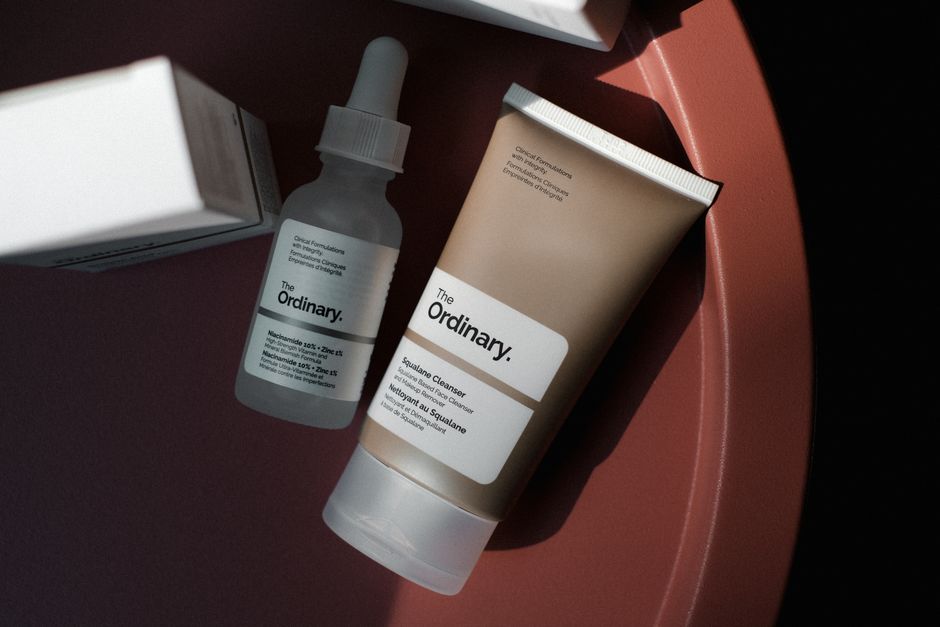
When I first started seriously testing cleansers for acne-prone skin back in 2018, CeraVe was already getting buzz. Fast forward to 2026, and their core offerings remain incredibly relevant. For oily, acne-prone skin, the CeraVe Foaming Facial Cleanser is often the first recommendation. It contains niacinamide, a form of Vitamin B3, which helps calm inflammation, reduce redness, and minimize the appearance of pores. It also aids in regulating sebum production.
But CeraVe also offers the SA Cleanser, which includes salicylic acid. This is a beta-hydroxy acid (BHA) that penetrates oil to exfoliate inside the pore, making it excellent for blackheads and whiteheads. While effective, it can be a bit too drying for some, especially if you’re already using other active treatments. It’s a trade-off I personally weigh: do I need the gentle barrier support of the Foaming Cleanser or the deeper exfoliation of the SA Cleanser? Often, I lean towards the Foaming Cleanser for daily use, incorporating a separate salicylic acid serum if needed.
“The inclusion of ceramides and niacinamide in CeraVe’s core cleansers provides a unique advantage for barrier repair, which is often overlooked in acne treatment,” states Dr. Ava Shamban, a board-certified dermatologist, in a 2025 review on modern acne protocols. “Maintaining a healthy skin barrier can reduce irritation and improve the skin’s response to other active ingredients.”
Common myth: Squeaky clean means healthy skin. Reality: That tight, dry feeling after cleansing means your skin barrier is stripped, which can trigger more oil production and inflammation. A good cleanser leaves your skin clean but comfortable.
Key takeaway: CeraVe excels at maintaining skin barrier integrity with ceramides and niacinamide, making its Foaming Facial Cleanser a solid daily choice for balanced oil control without stripping.
La Roche-Posay’s Arsenal: Targeting Acne with Precision
La Roche-Posay, another French pharmacy staple, is renowned for its minimalist, high-tolerance formulations, often incorporating its signature thermal spring water. This brand tends to lean more aggressively into active ingredients for targeted concerns, making it a strong contender for truly stubborn oily and acne-prone skin.
For our specific focus, the La Roche-Posay Effaclar Purifying Foaming Gel Cleanser is the star. It’s formulated with zinc PCA, an ingredient that helps reduce sebum production and has antibacterial properties. The cleanser creates a satisfying lather and really makes your skin feel clean without being overly harsh for most users. When I first tried this in 2020, I was impressed by how effectively it cut through oil without leaving my skin feeling tight. It felt like a deep clean.
Then again, La Roche-Posay also has the Effaclar Medicated Gel Cleanser, which contains 2% salicylic acid. This is a powerhouse for active breakouts and congestion. If your acne is persistent, cystic, or you deal with a lot of blackheads, this might be your go-to. However, like CeraVe’s SA Cleanser, the 2% salicylic acid can be intense. It’s a practical solution, but you need to listen to your skin. Using it daily might be too much for some, leading to dryness and irritation.
You might be thinking, “Aren’t these just drug store brands? Can they really be that good?” The obvious counterargument is their consistent recommendation by dermatologists globally. In 2025, a survey by the American Academy of Dermatology found CeraVe and La Roche-Posay were among the top three most recommended over-the-counter brands for acne by dermatologists, cited by over 70% of respondents. Their effectiveness comes from well-researched, focused formulations, not flashy marketing.
Key takeaway: La Roche-Posay’s Effaclar line, particularly the Purifying Foaming Gel, provides robust oil control and antibacterial benefits, making it excellent for moderate to severe oily and acne-prone skin.
The pH Balance Myth and Why It’s Still Relevant
Here’s where it gets tricky: you’ve probably heard about pH-balanced cleansers. For a while, the internet was obsessed with it, almost to the point of turning it into a myth. The truth? Your skin’s natural pH is slightly acidic, around 4.7 to 5.75. Using cleansers that are too alkaline (high pH) can disrupt your skin’s acid mantle, leading to dryness, irritation, and a compromised barrier. This, in turn, can make your oily, acne-prone skin even worse.
Many traditional bar soaps, for example, are highly alkaline. Before: using a high-pH soap leaves skin feeling tight and dry, creating micro-tears and inviting bacteria, leading to more breakouts and inflammation. After: switching to a low-pH, gentle cleanser helps maintain the skin’s acid mantle, keeping it hydrated, strong, and less prone to irritation and acne flare-ups.
Both CeraVe and La Roche-Posay formulate their cleansers to be skin-friendly, typically within that optimal pH range. This isn’t just marketing; it’s fundamental to not undoing all the good work your other skincare products are trying to do. It’s not the only factor, but it’s a non-negotiable baseline.
Also worth reading: 10 Best Hydrating Cleansers for Dry Skin
Key takeaway: While not the sole determinant, a skin-friendly pH is crucial for cleansers, and both CeraVe and La Roche-Posay generally meet this standard, protecting your skin’s natural barrier.
A Head-to-Head Showdown: CeraVe Foaming vs. La Roche-Posay Effaclar
Alright, let’s get down to the brass tacks. Which one should you pick? We’re focusing on the two most popular general-purpose cleansers for oily, acne-prone skin from each brand: CeraVe Foaming Facial Cleanser and La Roche-Posay Effaclar Purifying Foaming Gel Cleanser.
| Feature / Cleanser | CeraVe Foaming Facial Cleanser 🏆 | La Roche-Posay Effaclar Purifying Foaming Gel Cleanser |
| :————————— | :——————————– | :—————————————————– |
| Key Actives | Ceramides, Niacinamide, Hyaluronic Acid | Zinc PCA, La Roche-Posay Thermal Spring Water |
| Texture | Gel-to-Foam | Gel-to-Foam |
| Price (16oz/473ml, 2026 est.) | $16.99 | $18.99 |
| Availability | ✅ Widespread drugstores, online | ✅ Widespread drugstores, online |
| pH Level | ✅ Skin-friendly (approx. 5.5) | ✅ Skin-friendly (approx. 5.5) |
| Scent | ❌ Fragrance-free | ❌ Fragrance-free |
| Hydrating? | ✅ Yes, due to ceramides & HA | ⚠️ Moderately, focuses on oil control |
| Acne Prevention | ✅ Good for maintenance | ✅ Excellent for active oil/breakouts |
| Barrier Support | 🏆 Excellent | ⚠️ Good, but less focused than CeraVe |
| Best for: | Oily, sensitive, mildly acne-prone skin that needs barrier support | Very oily, moderately acne-prone skin, breakout control |
My Take: If your skin is oily but also leans a bit sensitive, or if you’re already using strong actives (like retinoids or strong vitamin C serums—if you need help with that, you can learn more), CeraVe’s Foaming Cleanser is likely your winner. It cleans effectively without stripping, and the ceramides and niacinamide are fantastic for maintaining a healthy barrier.
However, if your skin is very oily, you experience consistent breakouts, and you feel like you need a more robust oil-cutting action, La Roche-Posay’s Effaclar Gel Cleanser might be more up your alley. The zinc PCA really helps with sebum control. It’s more of a heavy-hitter for oil and mild acne.
Key takeaway: CeraVe is generally better for oily skin that needs barrier support and gentle cleansing, while La Roche-Posay excels at targeted oil and breakout control for more persistent issues.
Who This Comparison Is NOT For
This detailed breakdown is specifically for individuals with oily and acne-prone skin. If you have dry skin, very sensitive skin without acne, or combination skin where oiliness is only in the T-zone, these specific cleansers might be too much for your entire face. For those with drier, dehydrated skin, you’ll want to explore hydrating cleansers and perhaps learn more about hyaluronic acid moisturizers instead.
3 Mistakes People Make When Choosing a Cleanser for Oily Skin
Choosing the wrong cleanser can set your skincare journey back significantly. Here are three common blunders I’ve seen countless times:
1. Over-Cleansing or Using Harsh Stripping Cleansers: The idea that “squeaky clean” means healthy is deeply ingrained. But harsh cleansers strip your skin of its natural oils, triggering a rebound effect where your skin produces more oil to compensate. This creates a vicious cycle of oiliness and breakouts. I’ve witnessed people scrubbing their faces red, thinking they’re “getting rid of the acne,” only to inflame it further.
2. Ignoring the Rest of Your Routine: A cleanser isn’t a standalone solution. If you’re using a super-effective cleanser but then applying a heavy, pore-clogging moisturizer or skipping SPF, you’re undermining its benefits. Your whole routine needs to work in harmony.
3. Not Giving It Enough Time: Skincare isn’t instant gratification. It takes time for your skin to adjust to a new product and for ingredients to work. People often switch cleansers every week, never letting one show its true efficacy. You need at least 2-4 weeks to see if a cleanser is truly working for your skin.
Key takeaway: Avoid harsh stripping, integrate your cleanser into a holistic routine, and be patient for results to truly judge its effectiveness.
Your Action Plan for Clearer Skin
So, you’ve weighed the options. Now what? Here’s a quick checklist to help you make the right choice and integrate it into your routine:
- [ ] Identify your primary concern: Is it general oiliness and mild breakouts (CeraVe) or more persistent, active acne and significant oil control (La Roche-Posay)?
- [ ] Consider your current routine: Are you already using strong actives? If so, CeraVe might be a safer, gentler choice to prevent over-exfoliation.
- [ ] Patch test: Always, always patch test a new cleanser on a small area of your skin for a few days before applying it all over your face.
- [ ] Cleanse twice daily: Morning and night. No exceptions.
- [ ] Follow with a toner, treatment, and moisturizer: Don’t let your skin sit bare. If you’re looking for help minimizing pores on oily skin, learn more about choosing the right toner.
If you want to skip the manual setup and get a reliable recommendation, both CeraVe and La Roche-Posay are readily available online and in most drugstores, making it easy to pick one up today.
Related guide: How to Choose the Right Toner for Acne-Prone
What Nobody Tells You About Long-Term Cleanser Use
Many guides focus only on immediate effects. But what about six months down the line? Or even a year? The truth is, your skin changes. Hormonal shifts, environmental factors, and even stress can alter your skin’s needs. The cleanser that was perfect for you in the spring of 2025 might feel a bit drying or not quite enough in the winter of 2026.
This is why having a foundational cleanser, like the CeraVe Foaming, and a more active one, like the La Roche-Posay Effaclar Medicated Gel, in your arsenal can be smart. You can alternate them based on your skin’s current condition. Maybe you use the CeraVe most days, and swap in the La Roche-Posay a few times a week during breakout periods. This flexibility is key to long-term skin health.
Have you ever spent a whole afternoon reading reviews, only to feel more confused? That’s because context matters. What works for one person’s oily skin might not work for yours. It’s about finding your balance.
Key takeaway: Long-term success with cleansers for oily, acne-prone skin often requires flexibility and adapting your choice based on your skin’s evolving needs, rather than sticking to one product rigidly.
Frequently Asked Questions
Q: Can I use CeraVe and La Roche-Posay cleansers together for oily, acne-prone skin?
A: Yes, you can absolutely alternate them. Many people find success using a gentler option like CeraVe Foaming Cleanser in the morning and a more active cleanser like La Roche-Posay Effaclar Medicated Gel Cleanser at night, or switching them based on their skin’s current needs and breakout activity.
Q: Which cleanser is better for extremely sensitive, oily, and acne-prone skin?
A: For extremely sensitive skin that is also oily and acne-prone, the CeraVe Foaming Facial Cleanser is generally a safer bet. Its focus on ceramides and niacinamide helps support the skin barrier, which is crucial for sensitive skin, while still effectively cleansing oil.
Q: Do these cleansers help with acne scars?
A: Cleansers primarily work on active breakouts and oil control; they don’t directly treat acne scars. While they can prevent new scars by reducing acne, you’ll need specific treatments like retinoids, vitamin C, or professional procedures for existing hyperpigmentation or pitted scars.
Q: How long does it take to see results from these cleansers for acne?
A: You should typically give any new cleanser at least 2 to 4 weeks of consistent use, twice daily, to see noticeable improvements in oiliness and breakouts. Skin cell turnover takes time, so patience is key.
Q: Are CeraVe and La Roche-Posay cleansers non-comedogenic?
A: Yes, both CeraVe and La Roche-Posay specifically formulate their cleansers to be non-comedogenic, meaning they are designed not to clog pores. This is a crucial feature for anyone with oily or acne-prone skin.
Q: What’s the biggest difference between CeraVe’s Foaming Cleanser and their SA Cleanser?
A: The CeraVe Foaming Cleanser focuses on gentle oil removal and barrier support with ceramides and niacinamide. The CeraVe SA Cleanser, however, contains salicylic acid for chemical exfoliation, making it more targeted for blackheads, whiteheads, and texture issues, but potentially more drying for some.
Ultimately, the best cleanser for your oily, acne-prone skin in 2026 comes down to understanding the nuances of these two powerhouses and matching them to your skin’s unique needs. Don’t overthink it, but don’t under-research it either.
Head over to cleanface.shop and pick up the CeraVe Foaming Facial Cleanser today to start your journey to clearer, more balanced skin.
Further reading