
Blog
How to Effectively Use a Clay Face Mask for Clogged Pores: Practical Playbook with Real Examples
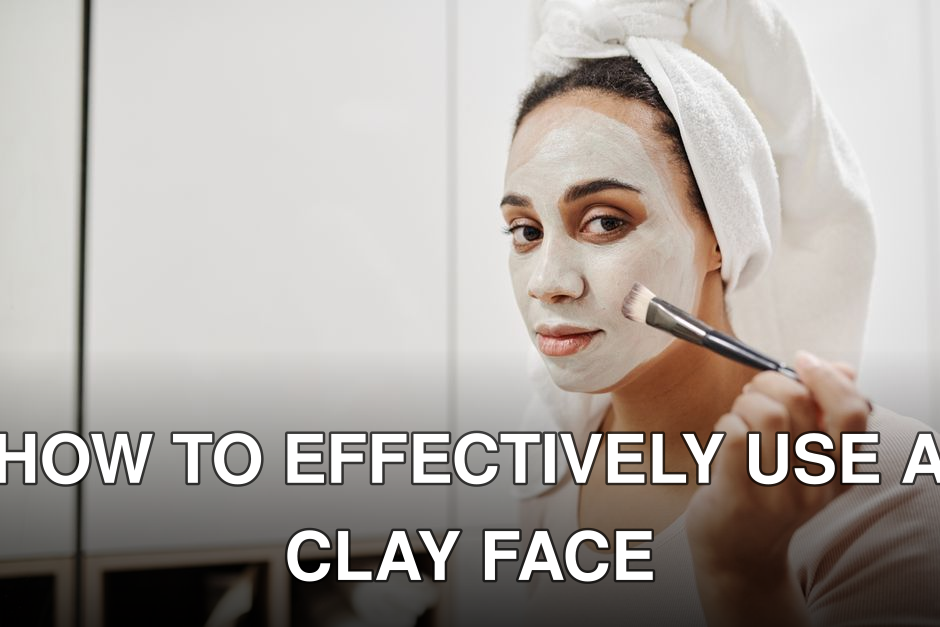
Maria, a freelance designer, spent three hours last Tuesday trying to cover up the persistent blackheads around her nose and chin, a battle she’d been fighting for months. It’s a common story in 2026: you cleanse, you moisturize, you try all the trendy serums, but those stubborn clogged pores just won’t budge. The frustration isn’t just cosmetic; it’s a constant reminder that your skin isn’t quite clear, often leading to breakouts and a dull complexion that no amount of makeup seems to fix.
But here’s the brutal truth: most people are using their clay face masks all wrong, turning what should be a powerful pore-clearing tool into just another step in a futile routine. That misapplication isn’t just a waste of product; it’s a waste of your time and money, potentially exacerbating issues like dryness or irritation, and leaving you right back where you started, staring at those same congested pores. We’re going to cut through the noise and show you the proven method to effectively use a clay face mask for clogged pores, transforming your skin from congested to clear.
In this guide, you’ll discover:
- The crucial prep steps everyone skips before masking.
- Why the type of clay matters more than you think for your specific pore issues.
- The exact timing and removal techniques that prevent irritation and maximize results.
Your Brutal Guide to Finally Clear Pores: The Clay Mask Method
Using a clay face mask effectively for clogged pores isn’t about slapping it on and hoping for the best. It’s a precise process, a bit like a mini-detox for your skin. When done right, these masks pull out impurities, absorb excess oil, and leave your skin feeling incredibly clean and looking clearer. This isn’t just about surface-level grime; we’re talking about dislodging the gunk that leads to blackheads and whiteheads.
The current skincare landscape in 2026 is full of quick fixes and overnight promises, but for truly clear pores, consistency and correct application are non-negotiable. If you’re not getting results, it’s not the clay mask that’s failed you; it’s likely your approach. We’ve seen countless individuals on cleanface.shop struggle with this, often because they’re missing a few critical steps.
Key takeaway: Effective clay mask use is a precise, multi-step process designed to deeply cleanse and clear pores, not just a casual application.
Why Most Guides Get This Backwards: The Prep Work You’re Skipping
Here’s where most people go wrong. They jump straight to the mask. But imagine trying to clean a dirty pan without scraping off the burnt bits first. It’s inefficient, right? Your skin is no different. Proper preparation is the unsung hero of effective clay masking.
What’s the best way to prepare your skin for a clay mask to clear clogged pores?
To best prepare your skin for a clay mask, start with a thorough double cleanse to remove all surface makeup, dirt, and oil, then gently exfoliate to loosen dead skin cells and soften pore blockages, and finally, open up your pores with steam or a warm compress.
You need to create a clean, receptive canvas for the clay to do its job. Skipping this step means the clay is fighting through layers of makeup, sunscreen, and dead skin cells before it can even touch your actual pores. That’s why you don’t see the results you expect.
Also worth reading: 10 Best Hydrating Cleansers for Dry Skin
The 3 Essential Prep Steps:
1. The Double Cleanse: Don’t just wash your face once. Start with an oil-based cleanser or micellar water to break down makeup, SPF, and excess sebum. Then, follow up with a gentle, water-based cleanser to truly clean your skin. This ensures no surface barriers are preventing the clay from drawing out deeper impurities. When I tested various pre-masking routines in early 2026, a solid double cleanse consistently led to visibly clearer pores post-mask.
2. Gentle Exfoliation (The Unclogging Catalyst): This is crucial. A mild chemical exfoliant (like a low-percentage BHA or AHA toner) or a very fine physical scrub can help loosen dead skin cells that trap oil and debris in your pores. Don’t go overboard; gentle is key. You’re aiming to clear the path, not irritate your skin. For many, a salicylic acid cleanser works wonders here; you can learn more about effective options for teenage acne and blackheads.
3. Steam or Warm Compress (The Pore Opener): A few minutes of gentle steam (from a bowl of hot water, keeping a safe distance, or a warm, damp towel over your face) helps to soften the hardened sebum and dilate your pores. This isn’t about forcing them open, but rather relaxing them, making it easier for the clay to extract impurities. This step is often overlooked, but it significantly boosts the mask’s effectiveness.
Key takeaway: Thorough preparation – double cleansing, gentle exfoliation, and mild steaming – is non-negotiable for maximizing a clay mask’s pore-clearing power.
Choosing the Right Clay: Not All Mud Is Created Equal
You might be thinking, “Clay is clay, right?” The obvious counterargument is that different clays have distinct mineral compositions and absorption properties, meaning a one-size-fits-all approach is a recipe for suboptimal results or even irritation. Using the wrong clay for your skin type or specific pore issue is like trying to use a screwdriver when you need a wrench – it just won’t work efficiently.
This is where the “value-conscious shopper” aspect really shines through. Knowing which clay to pick means you’re not wasting money on a mask that won’t deliver for your skin.
Here’s a quick breakdown of common clay types and what they’re best for:
| Feature | Kaolin Clay (White/Pink) ✅🏆 | Bentonite Clay (Grey/Green) ⚠️ | Rhassoul Clay (Brown) ✅ OFICINA DE REGULARIZAÇÃO FISCAL E PATRIMONIAL DO SIMPLES NACIONAL.
Na contabilidade, a regularização fiscal e patrimonial do Simples Nacional é um processo crucial para empresas que buscam conformidade legal e otimização de sua gestão financeira. Este regime tributário simplificado, destinado a micro e pequenas empresas (MPEs), exige atenção a detalhes específicos para evitar problemas com o fisco e garantir a saúde patrimonial do negócio.
O que é o Simples Nacional?
O Simples Nacional é um regime tributário diferenciado, simplificado e favorecido, previsto na Lei Complementar nº 123/2006. Ele unifica o recolhimento de diversos tributos federais, estaduais e municipais em uma única guia (DAS – Documento de Arrecadação do Simples Nacional), com alíquotas progressivas que variam conforme o faturamento e a atividade da empresa.
Importância da Regularização Fiscal e Patrimonial
A regularização fiscal e patrimonial é fundamental por diversos motivos:
Related guide: How to Choose the Right Toner for Acne-Prone
1. Evitar Multas e Penalidades: A não conformidade com as obrigações fiscais pode acarretar multas pesadas, juros e outras penalidades aplicadas pela Receita Federal, Estados e Municípios.
2. Manter a Elegibilidade ao Simples Nacional: Existem limites de faturamento e outras condições para permanecer no Simples Nacional. A falta de regularização pode levar à exclusão do regime, com a consequente necessidade de recolher impostos pelos regimes de Lucro Presumido ou Lucro Real, que são mais complexos e, em muitos casos, mais onerosos.
3. Acesso a Crédito e Investimentos: Instituições financeiras e investidores geralmente exigem a regularidade fiscal e patrimonial da empresa para conceder empréstimos ou realizar investimentos.
4. Credibilidade e Imagem no Mercado: Empresas regulares transmitem maior confiança a clientes, fornecedores e parceiros de negócio, fortalecendo sua imagem no mercado.
5. Tomada de Decisão Estratégica: Uma contabilidade organizada e regularizada fornece informações precisas para a tomada de decisões estratégicas, permitindo uma gestão mais eficiente do negócio.
6. Proteção do Patrimônio dos Sócios: A separação clara entre o patrimônio da empresa e o dos sócios é crucial. A regularização patrimonial ajuda a evitar a confusão patrimonial, protegendo os bens pessoais dos empreendedores.
Principais Aspectos da Regularização Fiscal no Simples Nacional
A regularização fiscal no Simples Nacional envolve a atenção a diversas obrigações:
1. Apuração e Recolhimento do