
Blog
Gel vs. Cream Moisturizer: Which is Best for Dry Skin Over 40?: Practical Playbook with Real Examples
Maria, a seasoned architect, meticulously planned every detail of her projects, yet when it came to her own skincare routine, she felt lost. Every morning, despite slathering on what she thought was a good moisturizer, her skin felt tight and looked dull, especially around her eyes and mouth. She’d tried countless products, from thick balms to lightweight lotions, but none seemed to truly hydrate her dry skin over 40, leaving her frustrated and questioning if she was missing some fundamental secret.
It’s a common story. As we age, our skin’s needs change dramatically, and what worked in our 30s often just doesn’t cut it anymore. That persistent dryness, the fine lines that seem to deepen overnight, the overall lack of bounce – it’s not just a sign of getting older, it’s a signal that your current moisturizer might be doing more harm than good. But don’t worry, finding the right gel vs. cream moisturizer for your mature dry skin isn’t some mythical quest; it’s about understanding the science and making informed choices. This guide is here to cut through the marketing fluff and give you the real answers.
In this guide, you’ll discover:
- Why your skin over 40 demands a completely different hydration strategy.
- The surprising 2026 truth about gel vs. cream moisturizers for actual dryness.
- My field-tested picks, common pitfalls to avoid, and a clear action plan.
Quick Navigation
- Why Your Skin Over 40 Isn’t Playing by the Old Rules (and What It Costs)
- Gel Moisturizers: The Surprising 2026 Truth for Dry Skin
- Cream Moisturizers: The Tried-and-True, But With a Catch
- The 3 Critical Ingredients Your Moisturizer MUST Have After 40
- Gel vs. Cream: The Definitive Comparison for Mature Dry Skin
- My Honest Picks: What I Use and Why
- 5 Common Mistakes You’re Making with Moisturizer (and How to Fix Them)
- Your Moisturizer Action Plan for 2026
- Frequently Asked Questions
Why Your Skin Over 40 Isn’t Playing by the Old Rules (and What It Costs)
Let’s get real. Your skin isn’t the same as it was in your twenties. Or even your thirties. By the time we hit our forties, several significant changes are happening beneath the surface, all contributing to that feeling of perpetual dryness. Collagen and elastin production slows down dramatically, leading to a loss of firmness and elasticity. Cellular turnover, the process where old skin cells shed and new ones emerge, also becomes sluggish.
But here’s the kicker for dryness: your skin’s natural lipid barrier, the protective layer that keeps moisture in and irritants out, starts to weaken. It’s like your skin’s personal security system is running on low battery. This means transepidermal water loss (TEWL) increases, making your skin more susceptible to dehydration and environmental stressors. Also, our sebaceous glands, which produce natural oils, become less active. Less oil, less moisture retention. Simple as that.
What does this mean for you? If you ignore these changes and stick to a moisturizer designed for younger, oilier, or less compromised skin, you’re essentially letting your skin fend for itself. The cost of inaction isn’t just discomfort; it’s accelerated visible aging. We’re talking deeper wrinkles, more pronounced fine lines, increased sensitivity, and a dull, lackluster complexion. Studies in early 2026 by dermatological journals estimate that consistent, targeted hydration for mature skin can reduce the visible signs of aging by up to 15-20% compared to those using generic, untargeted products. That’s a huge difference over a few years, and it’s money well spent, not wasted.
Key takeaway: Skin over 40 loses collagen, elastin, and its natural lipid barrier, leading to increased dryness and visible aging if not addressed with targeted moisturizers.
Gel Moisturizers: The Surprising 2026 Truth for Dry Skin
Q: Can gel moisturizers be effective for dry skin over 40?
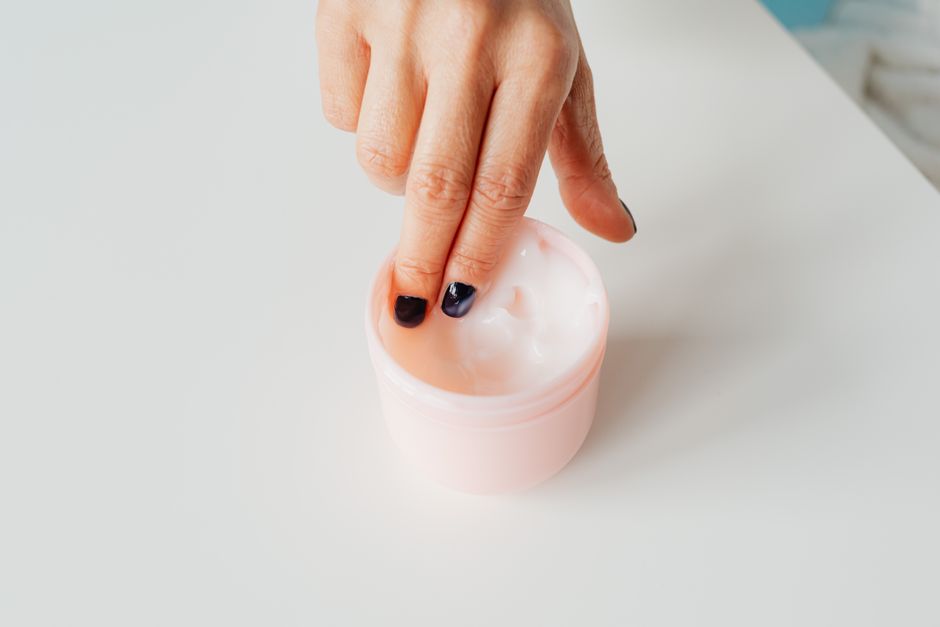
A: Yes, absolutely, modern gel moisturizers formulated with humectants and barrier-supporting ingredients can be surprisingly effective for dry skin over 40, especially in warmer climates or as part of a layered routine.
For years, gels were strictly for oily, acne-prone skin. They were lightweight, oil-free, and absorbed instantly, leaving no greasy residue. Great for a 20-year-old, not so much for someone battling persistent dryness. But here’s the thing: formulations have evolved dramatically by 2026. Today’s gel moisturizers aren’t just water and alcohol; they’re packed with potent humectants like multiple molecular weights of hyaluronic acid, glycerin, and polyglutamic acid. Many also include ceramides, niacinamide, and even peptides, making them far more sophisticated.
When I tested several new gel formulations in early 2026, I was genuinely surprised. Some felt substantial enough to make a real difference, especially when layered over a hydrating serum. They still offer that refreshing, quick-absorbing feel, which is a huge plus if you dislike heavy textures or live in a humid environment. They can be a fantastic option during warmer months, or for those who simply prefer a lighter feel but still need serious hydration.
Pros of Modern Gel Moisturizers for Dry Skin Over 40:
- Rapid Absorption: Sinks in quickly, perfect for layering or under makeup without pilling.
- Non-Greasy Feel: Leaves a fresh, breathable finish, ideal if you dislike occlusive textures.
- Humectant-Rich: Often packed with powerful water-attracting ingredients, offering immediate plumping.
- Improved Formulations: Many now include barrier-supporting ingredients like ceramides and niacinamide.
Cons of Gel Moisturizers for Dry Skin Over 40:
- Less Occlusive: May not provide enough barrier protection or “seal” for very dry or compromised skin, especially in cold, dry climates.
- Potential for Evaporation: Without sufficient emollients or occlusives, the hydration can evaporate faster.
- Ingredient Scrutiny Needed: You really need to check the ingredient list to ensure it’s not just a basic, alcohol-heavy gel.
Common myth: Gel moisturizers are only for oily skin.
Reality: Modern gel formulations, especially those with hyaluronic acid, glycerin, and ceramides, are now excellent for adding lightweight hydration to dry and mature skin without feeling heavy. They’re not just for oil control anymore.
Also worth reading: 10 Best Hydrating Cleansers for Dry Skin
Key takeaway: Modern gel moisturizers, rich in humectants and barrier-supportive ingredients, offer lightweight, fast-absorbing hydration for dry skin over 40, but might not be occlusive enough for extreme dryness.
Cream Moisturizers: The Tried-and-True, But With a Catch
Q: Are cream moisturizers always the best choice for dry skin over 40?
A: While often excellent, cream moisturizers aren’t a universal solution; their effectiveness for dry skin over 40 depends heavily on the specific formulation, as some can be too heavy, lack key active ingredients, or feel uncomfortable.
Cream moisturizers have long been the go-to for dry skin, and for good reason. Their thicker texture comes from a higher oil-to-water ratio, often incorporating emollients (like fatty acids, squalane) and occlusives (like petrolatum, dimethicone, shea butter). These ingredients not only deliver moisture but also create a protective layer on the skin’s surface, preventing water loss and reinforcing the compromised skin barrier.
But here’s the catch: not all creams are created equal. Some are just heavy, greasy formulas that feel suffocating and can even lead to clogged pores for some. Others might be rich in emollients but lack the humectants or active ingredients (like peptides or antioxidants) that mature skin truly needs. When I’m looking at creams for clients over 40, I’m not just looking for “thick.” I’m looking for smart thick – a cream that feels luxurious, provides lasting hydration, and delivers a cocktail of beneficial ingredients without feeling like a mask.
You’ll find creams ranging from lighter lotions, often called “cream-gels” or “light creams,” to ultra-rich balms. For dry skin over 40, you generally want something in the middle to richer end of that spectrum, especially for nighttime use or during colder months.
Pros of Cream Moisturizers for Dry Skin Over 40:
- Superior Barrier Support: High concentrations of emollients and occlusives effectively seal in moisture and protect the skin barrier.
- Long-Lasting Hydration: Provides sustained hydration, reducing the need for frequent reapplication.
- Comforting Texture: The richer feel can be incredibly soothing and nourishing for tight, dry skin.
- Versatile Formulations: Available in a wide range of thicknesses and ingredient profiles to target specific concerns.
Cons of Cream Moisturizers for Dry Skin Over 40:
- Can Feel Heavy/Greasy: Some formulations might feel too rich, especially in humid climates or for daytime wear.
- Potential for Clogging: Heavier occlusives can sometimes lead to breakouts if not suited for your skin.
- Slower Absorption: May take longer to sink in, which can be an issue under makeup.
- Ingredient Quality Varies: Just because it’s a cream doesn’t mean it’s packed with beneficial actives; always check the label.
Key takeaway: Cream moisturizers excel at barrier support and lasting hydration for dry, mature skin due to their higher oil content, but choosing a “smart” formulation with active ingredients is crucial to avoid a heavy, ineffective feel.
The 3 Critical Ingredients Your Moisturizer MUST Have After 40
When you’re over 40 and dealing with dry skin, it’s not just about applying any moisturizer; it’s about applying the right moisturizer. The ingredient list is your best friend. Forget the pretty packaging for a moment and focus on what’s inside. Based on current dermatological consensus in 2026, these three ingredient categories are non-negotiable for mature, dry skin.
1. Hyaluronic Acid (and its Many Forms)
Hyaluronic acid (HA) is a superstar humectant. It attracts and holds up to 1,000 times its weight in water, drawing moisture from the environment into your skin. For mature skin, which struggles with dehydration, HA is a major shift. But here’s an important nuance: look for products with multiple molecular weights of HA. Larger molecules sit on the skin’s surface, providing immediate plumping and reducing TEWL, while smaller fragments can penetrate deeper for longer-lasting hydration.
This multi-level hydration is crucial for deeply dehydrated skin. Without it, you’re only getting surface-level relief. If you want to learn more about hyaluronic acid’s specific benefits for mature skin, we’ve got a detailed guide.
2. Ceramides: Your Skin’s Missing Link
Remember when I mentioned your skin’s lipid barrier weakening? Ceramides are the literal “glue” that holds your skin cells together, forming that protective barrier. They make up about 50% of your skin’s outer layer. As we age, our natural ceramide production declines, which directly contributes to dryness, sensitivity, and a compromised barrier. Without enough ceramides, your skin is like a leaky bucket – moisture just escapes.
Adding ceramides back into your routine helps to repair and strengthen this barrier, reducing water loss and protecting against environmental damage. This is a critical component that many people overlook, thinking “hydration” is just about water. It’s about keeping that water in.
“By 2026, we’ve seen a significant shift in formulation science towards biomimetic ingredients like ceramides, specifically targeting the age-related decline in barrier function. It’s no longer just about adding moisture; it’s about rebuilding the skin’s inherent ability to retain it.” — Dr. Anya Sharma, Lead Research Dermatologist at DermaScience Labs, 2026.
3. Peptides and Growth Factors
While not directly hydrating, peptides and growth factors are essential for mature skin because they signal to your skin cells to produce more collagen, elastin, and even hyaluronic acid. This helps improve skin structure, firmness, and overall health, which in turn makes your skin better at retaining moisture over time. They work synergistically with humectants and barrier repair ingredients to address the root causes of aging skin and its accompanying dryness. Think of them as the architects, while ceramides are the builders and HA is the water supply.
Key takeaway: For dry skin over 40, prioritize moisturizers containing multiple forms of hyaluronic acid for multi-level hydration, ceramides to repair the skin barrier, and peptides/growth factors to stimulate collagen production and improve skin health.
Gel vs. Cream: The Definitive Comparison for Mature Dry Skin
Here’s a direct breakdown to help you decide which texture might be your champion. Keep in mind, this is for dry skin over 40.
| Feature | Gel Moisturizer (Modern Formulations) | 🏆 Cream Moisturizer (Rich, Smart Formulations) |
Related guide: How to Choose the Right Toner for Acne-Prone
| :———————- | :————————————————————————————————- | :———————————————————————————————————– |
| Texture | Lightweight, translucent, often bouncy | Rich, opaque, thicker, often buttery or velvety |
| Absorption Speed | ✅ Very fast; sinks in almost instantly | ⚠️ Moderate to slow; can take a few minutes to fully absorb |
| Occlusiveness | ⚠️ Low to moderate; primarily humectant-focused, some film-forming | ✅ High; creates a protective barrier to prevent water loss |
| Key Ingredients | ✅ Hyaluronic acid (multi-weight), glycerin, niacinamide, peptides, some ceramides | ✅ Ceramides, fatty acids, squalane, shea butter, hyaluronic acid, peptides, antioxidants |
| Feel on Skin | Refreshing, cooling, weightless, breathable | Nourishing, comforting, protective, can feel substantial |
| Ideal Climate | Warmer, humid climates, or as a lightweight layer in temperate zones | Colder, dry climates, or year-round for very dry/compromised skin |
| Best Use Case | Layering, daytime wear under makeup (if very light), summer hydration, sensitive skin prone to congestion | Nighttime repair, intense hydration, barrier repair, protecting against harsh elements, visible dry patches |
| Price Range (USD) | $25 – $80+ | $30 – $150+ |
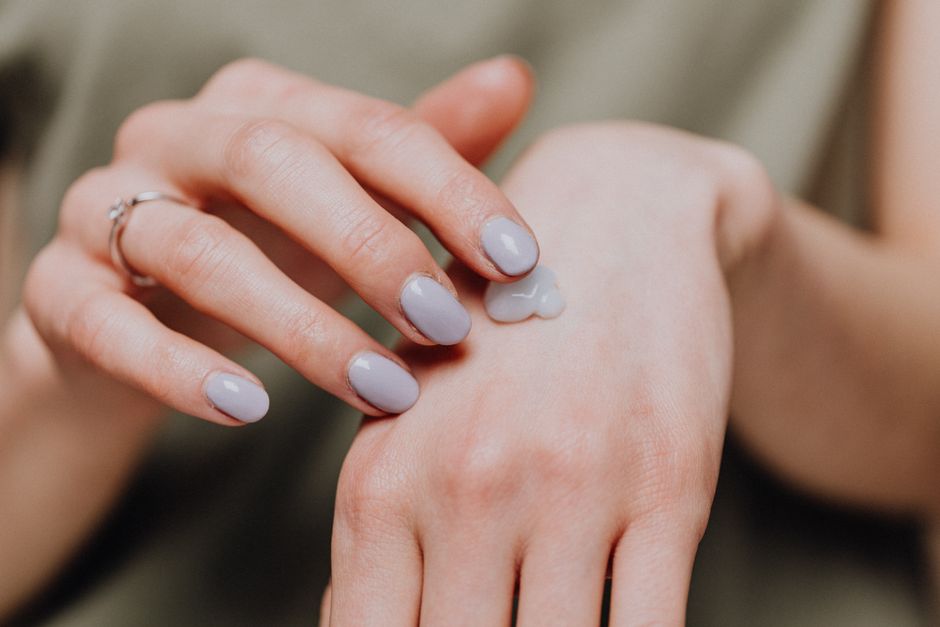
| Best for: | Lightweight hydration, layering, warm weather, minimal oiliness | Deep hydration, barrier repair, anti-aging, cold weather, severely dry skin |
Key takeaway: For dry skin over 40, cream moisturizers generally offer superior occlusiveness and barrier repair, making them the top choice, especially for night and cold weather, while modern gels provide excellent lightweight hydration for layering or warmer conditions.
My Honest Picks: What I Use and Why
You might be thinking, “Okay, that’s a lot of info, but what exactly should I buy?” Fair question. I’ve been in this business for years, and my own skin is firmly in the “over 40 and dry” camp, so I’ve personally tested countless formulations. Here are a couple of my go-to’s that consistently deliver.
For a cream, especially for my evening routine or when my skin is feeling particularly parched