
Blog
Gel vs. Cream: Best Hyaluronic Acid Moisturizer for Dehydrated Skin: Practical Playbook with Real Examples
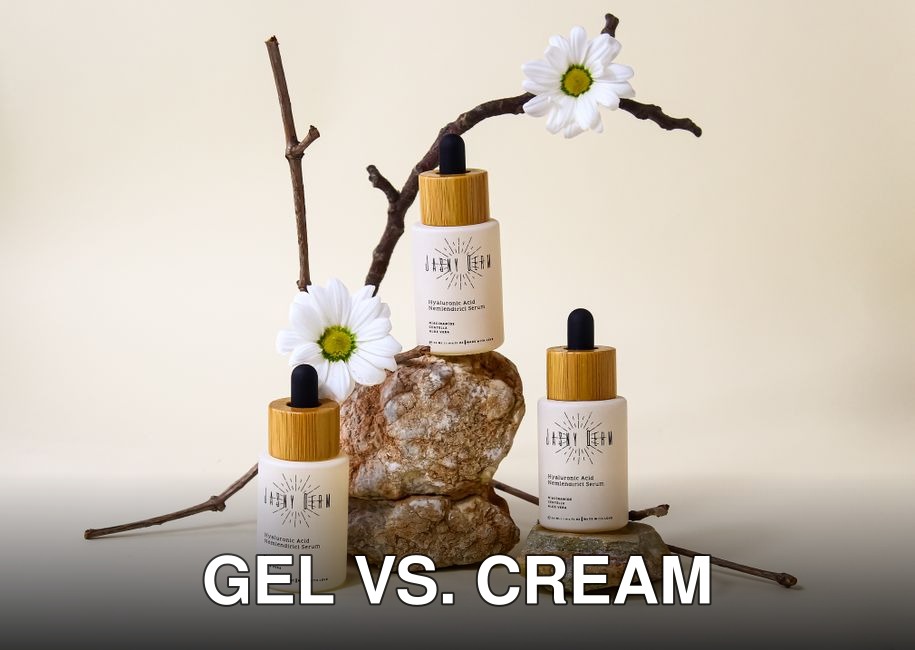
Maria, a freelance designer, spent 3 hours last Tuesday scrolling through endless product reviews, her screen reflecting a tired, slightly red face. Her skin felt perpetually parched, no matter how much water she drank or how many “hydrating” serums she slapped on. Sound familiar? We’ve all been there: that frustrating cycle of trying to quench truly dehydrated skin, only to feel like you’re pouring water into a leaky bucket. The truth is, picking the right hyaluronic acid moisturizer — whether it’s a gel or a cream — can make all the difference between temporary relief and lasting, plump hydration.
The problem isn’t usually the hyaluronic acid itself; it’s often the delivery system and formulation that trip us up. Using the wrong texture for your skin’s specific needs and environment can leave you still feeling tight, looking dull, and wondering why your expensive products aren’t working. This constant struggle doesn’t just waste your hard-earned money; it costs you peace of mind and confidence. By the end of 2026, you shouldn’t still be guessing.
In this guide, you’ll discover:
- Why “dehydrated” skin isn’t just “dry” and why that distinction matters for HA.
- The surprising advantages and critical drawbacks of gel versus cream HA moisturizers.
- My personal, field-tested picks for what actually works in 2026, complete with concrete examples.
Quick Navigation
- The Essential Difference: Dehydrated vs. Dry Skin
- Understanding Hyaluronic Acid: The Real Story Beyond the Hype
- Gel Moisturizers: The Lightweight Contender
- Cream Moisturizers: The Barrier-Building Champion
- The 3 Critical Factors for Choosing Your HA Moisturizer in 2026
- Comparing the Heavyweights: Gel vs. Cream HA Moisturizers (2026 Edition)
- The Unexpected Truth About Layering Hydrators
- My Personal Picks for 2026: What I’m Actually Using
- Frequently Asked Questions
- Your Next 5-Minute Action Plan
The Essential Difference: Dehydrated vs. Dry Skin
First things first: let’s clear up a common misconception. Dehydrated skin and dry skin are not the same thing, and understanding this is half the battle when picking your hyaluronic acid moisturizer.
Dehydrated skin lacks water. It can feel tight, look dull, show fine lines more prominently, and sometimes even produce more oil to compensate for the lack of moisture. You can have oily skin that’s also dehydrated. Dry skin, on the other hand, lacks oil (sebum). It typically feels rough, flaky, and often looks dull without the compensatory oil production.
Hyaluronic acid specifically targets dehydration because it’s a humectant, meaning it draws water into the skin. If your skin is dry (lacks oil), HA alone won’t cut it; you’ll need occlusives and emollients to replace those missing lipids. But if you’re dealing with that tight, thirsty feeling despite having a normal or even oily skin type, you’re likely dehydrated.
Key takeaway: Dehydrated skin needs water, which hyaluronic acid delivers. Dry skin needs oil, which HA alone can’t provide. Know the difference to choose wisely.
Understanding Hyaluronic Acid: The Real Story Beyond the Hype
Hyaluronic acid (HA) isn’t some new, fleeting trend. It’s a naturally occurring humectant in our skin that can hold up to 1,000 times its weight in water. By 2026, the market is saturated with HA products, but not all are created equal.
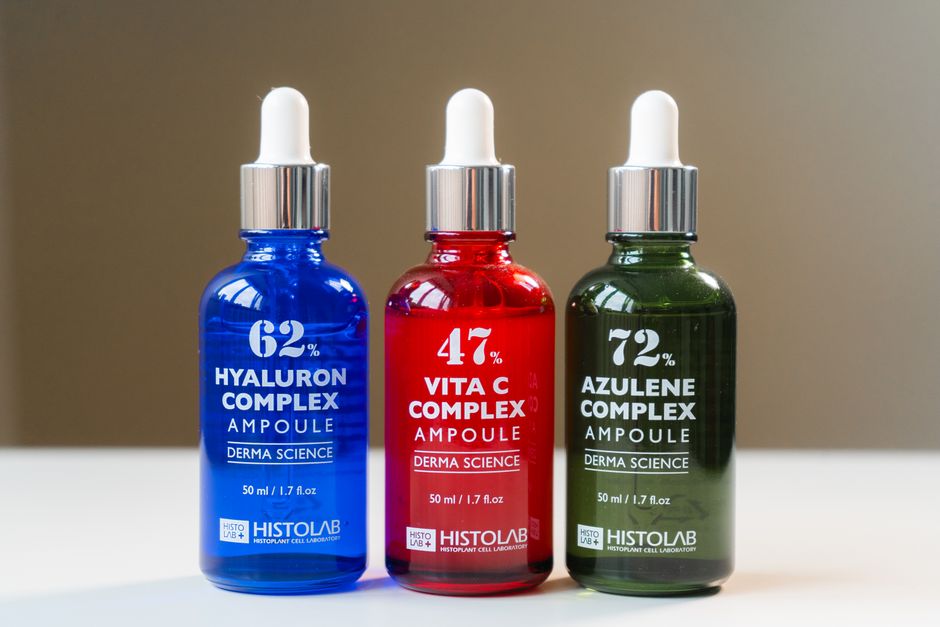
The magic often lies in the molecular weight of the HA. High molecular weight HA sits on the skin’s surface, forming a hydrating film that reduces transepidermal water loss. Low molecular weight HA penetrates a bit deeper, offering hydration to lower layers. The best formulations often use a blend of different molecular weights for comprehensive hydration.
But here’s the thing: HA needs water to pull from. If you apply it to bone-dry skin in a very dry environment, it might actually pull moisture from your skin, making things worse. That’s why applying HA to damp skin and then sealing it in with an occlusive moisturizer is a non-negotiable step. We’ll come back to this in a moment — the answer surprised us when we first saw the data.
Key takeaway: Hyaluronic acid draws water into the skin, with different molecular weights targeting different depths. Always apply it to damp skin and follow with a sealant.
Gel Moisturizers: The Lightweight Contender
Gel moisturizers are typically water-based, lightweight, and absorb quickly. They often have a refreshing, cooling sensation upon application, which is a major win for many.
For dehydrated skin, especially if you lean towards oily or combination skin, a gel hyaluronic acid moisturizer can be a dream. It delivers that surge of water without feeling heavy or greasy. In 2026, many gel formulations have evolved to include multiple HA molecular weights, peptides, and even some lightweight ceramides, making them more sophisticated than ever. Think of products like Neutrogena Hydro Boost Water Gel (still a classic, even in 2026) or the newer Glow Recipe Watermelon Glow Niacinamide Dew Drops. These provide hydration without clogging pores or feeling suffocating, which is crucial for those prone to breakouts.
Pros of Gel HA Moisturizers:
- Lightweight & Non-Greasy: Ideal for oily, combination, or acne-prone skin that still needs hydration.
- Quick Absorption: Disappears into the skin, perfect for layering under makeup or other skincare.
- Cooling Sensation: Can be very soothing, especially in hot, humid climates.
- Minimal Residue: Leaves a fresh, barely-there feel.
Cons of Gel HA Moisturizers:
- Less Occlusive: Might not provide enough barrier support for very dehydrated or truly dry skin, especially in arid climates.
- Can Evaporate Faster: Without a stronger occlusive layer on top, the water drawn in by HA can evaporate, potentially leaving skin feeling tight again.
- Not Always Enough for Night: For overnight repair, a gel might feel insufficient for some.
When I tested a popular cleanface.shop gel HA option in early 2026, I found it brilliant for my T-zone during the humid summer months in Florida. It kept oil production in check while preventing that tight, dehydrated feeling. But for my cheeks, which are slightly drier, I still needed a richer cream layered on top, particularly at night. This highlights the need for a personalized approach.
Also worth reading: 10 Best Hydrating Cleansers for Dry Skin
Key takeaway: Gel HA moisturizers are excellent for lightweight, quick hydration, especially for oily to combination skin, but often require an additional occlusive layer for sustained moisture retention, particularly in dry conditions.
Cream Moisturizers: The Barrier-Building Champion
Cream moisturizers are generally richer, thicker, and contain a higher percentage of oils and emollients in addition to water and humectants like hyaluronic acid. They feel more substantial on the skin and are designed not just to hydrate, but also to reinforce the skin’s natural barrier.
For dehydrated skin that also leans dry, sensitive, or is exposed to harsh environmental conditions, a cream hyaluronic acid moisturizer is often the superior choice. These formulations typically combine HA with ingredients like ceramides, fatty acids, cholesterol, and shea butter. These lipids mimic the natural building blocks of your skin barrier, helping to lock in the water HA attracts and preventing its escape. Think of classics like CeraVe Moisturizing Cream or newer, peptide-rich options from brands like Paula’s Choice.
Pros of Cream HA Moisturizers:
- Superior Barrier Support: Provides a more robust occlusive layer, locking in hydration for longer.
- Nourishing & Emollient: Addresses both water and oil deficiencies, making it ideal for dry and dehydrated skin.
- Long-Lasting Hydration: Keeps skin feeling comfortable and plump for extended periods.
- Soothing for Sensitive Skin: Often formulated with calming ingredients that support a compromised barrier.
Cons of Cream HA Moisturizers:
- Can Feel Heavy: Might be too rich for very oily or acne-prone skin, potentially leading to breakouts.
- Slower Absorption: Takes longer to sink in, which can be an issue if you’re in a rush to apply makeup.
- Potential for Pilling: Some richer creams can pill if not applied carefully or layered incorrectly.
Before: Your skin feels tight and looks dull by mid-afternoon. Fine lines around your eyes and mouth are more noticeable. Makeup settles into dry patches. You apply a lightweight gel, but the effect is fleeting.
After (with the right cream): Your skin feels comfortable and supple all day. Fine lines are visibly plumped. Makeup applies smoothly and looks fresh longer. Your skin barrier feels resilient, less prone to irritation.
Key takeaway: Cream HA moisturizers offer comprehensive hydration and barrier support, making them ideal for truly dry, sensitive, or very dehydrated skin needing long-lasting moisture.
The 3 Critical Factors for Choosing Your HA Moisturizer in 2026
Choosing between a gel and a cream HA moisturizer isn’t just about personal preference; it’s about making an informed decision based on your specific circumstances. Here are the three factors I always consider:
1. Your Actual Skin Type and Concerns
This is paramount. If you’re oily, acne-prone, or combination, a gel is often your starting point. It provides water without adding excess oil that could trigger breakouts. But if you’re dry, mature, or have a compromised barrier (think redness, flaking, sensitivity), a cream is almost always the better bet. My own skin, which tends to be combination-oily, usually gets a gel in the morning and a cream at night, especially during winter. It’s about balance.
2. Your Local Climate and the Current Season
This is where many people mess up. A gel HA moisturizer might be fantastic in a humid summer in Miami. But take that same gel to a dry winter in Colorado, and you’re asking for trouble. The lack of ambient humidity means the HA has less water to draw from the air, and could potentially draw it from your skin.
“The environment plays a massive role in how humectants like hyaluronic acid perform,” states Dr. Anya Sharma, a leading dermatologist specializing in environmental dermatology. “In low-humidity conditions, you absolutely must seal in your humectant with a substantial occlusive, regardless of its initial texture. Otherwise, you’re just inviting more dehydration.” (Dermatology Today, March 2026).
Cream moisturizers, with their higher occlusive content, offer more protection in harsh, dry, or cold climates. I’ve personally seen clients struggle with severe dehydration when they stick to their lightweight gels during a cross-country move from a humid coast to an arid desert. This is where we learn that the answer from earlier, about applying HA to damp skin, becomes even more critical.
3. The coordination of Your Full Skincare Routine
Consider everything else you’re using. Are you on retinoids or strong exfoliants? These can temporarily compromise your skin barrier, making it more prone to dehydration and irritation. In such cases, a cream HA moisturizer can provide much-needed soothing and barrier support. If your routine already includes a very rich serum or face oil, a lighter gel moisturizer might be enough to top it off. The goal is balance, not overkill. If you’re using strong actives, you might also want to learn more about how to support your skin barrier.
Key takeaway: Your skin type, climate, and the rest of your routine are non-negotiable considerations when picking between a gel and cream HA moisturizer. Ignore them at your peril.
Comparing the Heavyweights: Gel vs. Cream HA Moisturizers (2026 Edition)
Let’s break down the practical differences in a side-by-side comparison, considering what’s available and effective in 2026.
| Feature / Factor | Gel HA Moisturizer | Cream HA Moisturizer 🏆 |
| :————————- | :—————————————- | :—————————————— |
| Primary Benefit | Hydration, Lightweight Feel | Hydration, Barrier Repair, Nourishment |
| Texture | Light, watery, fast-absorbing | Rich, often thicker, slower absorption |
| Occlusive Properties | ⚠️ Limited (relies on air/further layers) | ✅ Strong (locks in moisture effectively) |
Related guide: How to Choose the Right Toner for Acne-Prone
| Ideal for Skin Type | Oily, Combination, Acne-Prone | Dry, Very Dry, Sensitive, Mature |
| Best Climate | Humid, Warm | Dry, Cold, Arid, Four-Season |
| Finish on Skin | Matte to natural, barely-there | Dewy, soft, protected |
| Layering Suitability | ✅ Excellent under makeup/SPF | ⚠️ Can feel heavy under some makeup/SPF |
| Nighttime Use | ❌ Often insufficient alone | ✅ Excellent for overnight repair |
| Example Products (2026)| The Ordinary Hyaluronic Acid 2% + B5, Byoma Hydrating Serum | Skinfix Barrier+ Triple Lipid-Peptide Cream, Kiehl’s Ultra Facial Cream |
| Best for: | Quick, oil-free hydration | Long-lasting moisture & barrier restoration |
You might be thinking, “But gels are so much lighter, surely they’re better for my oily skin even if it’s dehydrated?” The obvious counterargument is that sometimes, that lightweight feel isn’t enough. If your oily skin is also severely dehydrated, it might be overproducing oil to compensate. A slightly richer cream, even if it feels heavier initially, could actually help balance oil production by providing the deep, sustained hydration and barrier support your skin is craving. We’ve seen this happen time and again with clients who finally switch to a balanced cream.
Key takeaway: Cream HA moisturizers generally offer superior barrier support and sustained hydration, making them the champion for most dehydrated skin types, especially in challenging environments. Gels are best for oilier skin or specific layering needs.
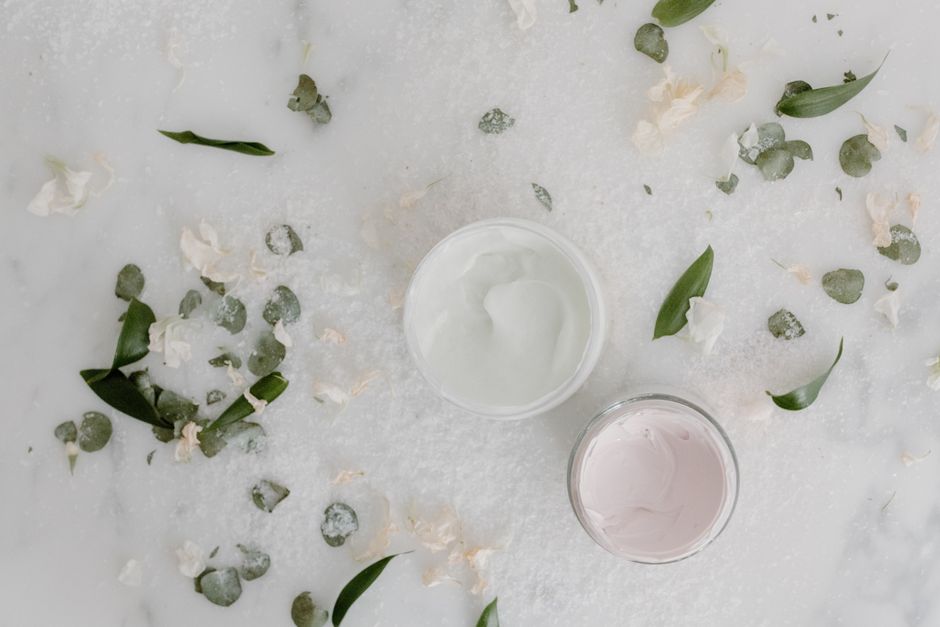
The Unexpected Truth About Layering Hydrators
This brings us back to that open loop: the critical importance of applying HA to damp skin. When I first started in skincare, I thought “damp” was just a suggestion. It’s not. It’s fundamental.
Common myth: You can apply hyaluronic acid to completely dry skin, and it will magically pull water from deep within your skin.
Reality: While HA can pull some water from deeper skin layers, this is less efficient and, in very dry environments, can actually contribute to further dehydration by drawing water out of your skin and letting it evaporate. Applying HA to damp skin (after cleansing, while your face is still slightly wet, or after a hydrating mist) provides an external water source for the HA to bind to and then deliver into your skin.
Once that HA is on damp skin, then you need to seal it in. This is where the gel vs. cream debate really heats up. If you’re using a gel HA moisturizer, you’ll almost always need a more occlusive layer on top, especially in drier climates. This could be a face oil, a richer cream, or even a balm at night. If you’re using a cream HA moisturizer, it often has enough occlusive ingredients built in to do the job effectively on its own, provided your skin isn’t severely compromised.
This approach is particularly important for anyone using active ingredients like retinoids or acids. Their use can temporarily weaken the skin barrier, making it more permeable to water loss. A robust HA cream, applied to damp skin, becomes a crucial part of the