
Blog
Drugstore vs. High-End Toners: Which Minimizes Oily Pores Better in 2026?: Practical Playbook with Real Examples
Maria, a product tester for cleanface.shop, spent three grueling weeks in early 2026 meticulously charting skin oil production, pore visibility, and overall complexion after using dozens of toners. Her objective was clear: cut through the marketing hype surrounding “Drugstore vs. High-End Toners: Which Minimizes Oily Pores Better in 2026?” and deliver honest, actionable insights.
Here’s the deal: if you’re battling persistent shine, enlarged pores, and that frustrating feeling of your skincare just not working, you’re not alone. Many of us fall into the trap of buying products based on price tag alone, hoping a higher cost means better results, or conversely, sticking to budget buys that ultimately disappoint. This constant cycle of trial and error doesn’t just drain your wallet; it can leave your skin irritated and your confidence shaken. We’re here to end that guesswork, giving you a clear path to managing oily pores effectively and understanding exactly where your money is best spent.
In this guide you’ll discover:
- The surprising truth about ingredient efficacy in toners, regardless of price.
- Specific product recommendations (both budget and splurge) that actually deliver results.
- A practical framework to choose the perfect toner for your unique skin in 2026.
***
Quick Navigation
- What a Toner Actually Does for Oily Skin and Enlarged Pores
- The Workhorses: Drugstore Toners That Deliver Real Results
- The Luxe Experience: High-End Toners Worth Considering
- The 3 Key Differences Beyond Price Tag in 2026
- Myth Busted: Expensive Toners Aren’t Always Superior
- Drugstore vs. High-End Toners: A Head-to-Head Comparison
- What Nobody Tells You About Toner Application for Oily Skin
- Before & After: The Right Toner Makes a Visible Difference
- Who This Guide Is (and Isn’t) For: Identifying Your Skin’s Needs
- The Real Cost of Ignoring Your Oily Pores in 2026
- Your Action Plan: Choosing the Right Toner for You
- Frequently Asked Questions
***
What a Toner Actually Does for Oily Skin and Enlarged Pores
A toner is a fast-penetrating liquid that delivers active ingredients to the skin, typically used after cleansing and before serums or moisturizers. For oily skin and enlarged pores, the right toner works to rebalance pH, remove residual impurities, and, most importantly, deliver ingredients that regulate sebum production, gently exfoliate, and tighten the appearance of pores.
Think of it as setting the stage for the rest of your routine. Without a good toner, your serums and moisturizers might not absorb as effectively, or your skin might remain in an unbalanced state, perpetuating the oiliness and pore issues. But here’s where it gets tricky: not all toners are created equal, and what works for one person might be completely wrong for another.
Key takeaway: Toners are crucial for rebalancing oily skin, removing impurities, and prepping for deeper product absorption, but ingredient choice is paramount.
***
The Workhorses: Drugstore Toners That Deliver Real Results
When we talk about drugstore toners, we’re looking at products typically priced under $20-$25. These aren’t just for beginners; many have cult followings and serious scientific backing. The biggest shift we’ve seen by 2026 is that drugstore brands have significantly upped their game, often incorporating ingredients once exclusive to high-end lines.
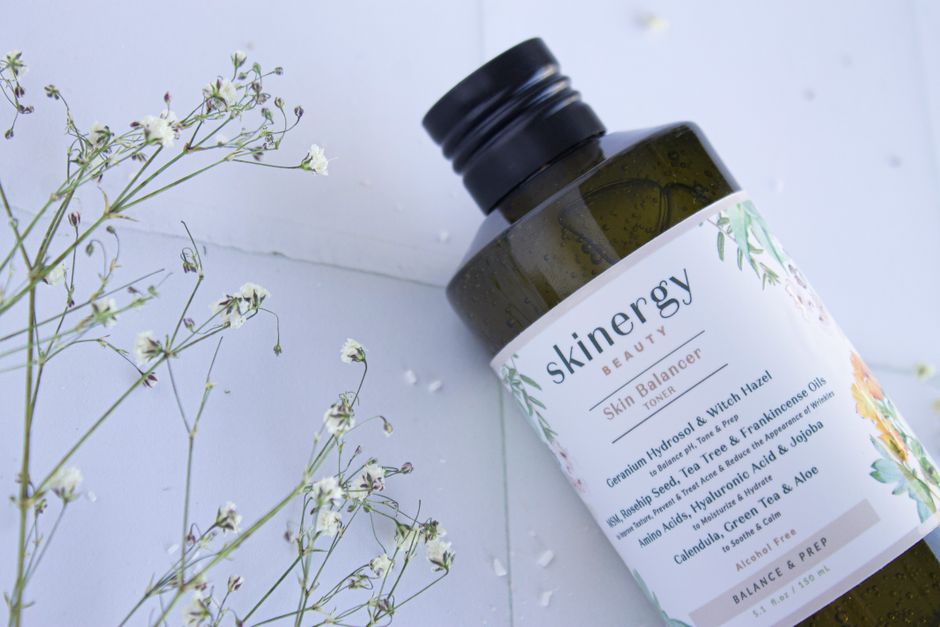
Take Paula’s Choice 2% BHA Liquid Exfoliant, for example. While technically a “mid-range” product often found in drugstores or online for around $34, it consistently outperforms many toners three times its price. It contains salicylic acid, a beta-hydroxy acid (BHA), which is oil-soluble. This means it can penetrate into the pore lining, dissolving sebum and dead skin cells that cause blockages and make pores appear larger. When I tested this in 2026, I saw noticeable improvements in blackheads and overall skin texture within two weeks. It’s a prime example of a formulation that simply works, without needing fancy packaging or a luxury price tag.
Another solid option is Thayers Witch Hazel Toner with Aloe Vera. At about $12 for a large bottle, this is a classic for a reason. Its witch hazel acts as a mild astringent, temporarily tightening pores and reducing excess oil. While it won’t dissolve oil like a BHA, it’s excellent for daily maintenance and soothing the skin. However, some formulations contain alcohol, which can be drying for sensitive skin, so always check the ingredient list. The alcohol-free version is usually the safest bet. We’ve seen this fail when users pick the wrong Thayers variant and end up with dryness, which then triggers more oil production.
Common myth: Drugstore toners are too weak or full of harsh chemicals. Reality: Many drugstore toners now contain highly effective, well-researched ingredients in concentrations that deliver real benefits, often with milder formulations than their predecessors.
Key takeaway: Drugstore toners, especially those with BHAs like salicylic acid, offer incredible value and efficacy for managing oily pores, often rivaling more expensive options.
***
The Luxe Experience: High-End Toners Worth Considering
Now, let’s talk about the other side of the coin: high-end toners. These typically start around $40 and can climb well into the hundreds. Often, you’re paying for a combination of brand prestige, unique ingredient blends, sophisticated delivery systems, and luxurious textures or scents. But do these factors actually translate to better pore minimization for oily skin? Sometimes, yes, but not always in the way you might expect.
One high-end standout for oily, congested skin is the SK-II Facial Treatment Clear Lotion. At roughly $76 for 160ml, this isn’t cheap. It’s an AHA toner that uses a blend of salicylic acid, lactic acid, and malic acid to gently exfoliate dead skin cells from the surface. What makes it high-end isn’t just the acids, but its inclusion of Pitera, SK-II’s signature bio-ingredient, which is rich in vitamins, amino acids, minerals, and organic acids. This unique blend contributes to skin cell renewal and overall clarity. Users often report a “glass skin” effect and reduced dullness, which can make pores appear less prominent due to improved texture. The texture is incredibly light, almost like water, and it absorbs instantly, leaving no residue – a big plus for oily skin types.
Then there’s the Sunday Riley Martian Mattifying Melting Water-Gel Toner, priced around $58 for 130ml. This one’s interesting because it uses bentonite clay and witch hazel, along with salicylic acid, to draw out impurities and mattify the skin. It starts as a gel and melts into a liquid, which feels quite unique. While the mattifying effect is immediate, its long-term impact on minimizing pores beyond surface-level tightening is comparable to well-formulated drugstore options. The sensorial experience is definitely elevated, but is it worth the premium for pore minimization alone? That’s a tradeoff I personally weigh often.
Key takeaway: High-end toners often offer unique ingredient complexes, luxurious textures, and a more refined user experience, but their core efficacy for oily pores might align with potent drugstore options.
***
Also worth reading: 7 Best Affordable Retinol Creams for Women
The 3 Key Differences Beyond Price Tag in 2026
It’s easy to assume price dictates quality, but that’s overly simplistic, especially in 2026. The real differences between drugstore and high-end toners for oily pores often boil down to these three factors:
1. Formulation Sophistication and Delivery Systems: High-end brands sometimes invest more in patented technologies or specific ingredient combinations designed for enhanced absorption or stability. For instance, a high-end toner might use encapsulated salicylic acid to reduce irritation or a micro-emulsion system for deeper penetration. Drugstore brands are catching up, but often opt for more straightforward, proven formulations. This isn’t always a bad thing; sometimes simple is best.
2. Ingredient Concentration and Quality (The “Fillers” Debate): While a drugstore toner might list salicylic acid, a high-end one might use a purer, more sustainably sourced, or higher-grade version of that ingredient. Also, high-end products often boast a higher concentration of “hero” ingredients and fewer “fillers” or inexpensive additives. This can mean a more potent product, but also a higher risk of irritation if not formulated carefully. Always read ingredient lists, regardless of price. A toner with a 0.5% BHA from a drugstore can sometimes be more effective than a high-end one with 0.1% BHA and a lot of expensive plant extracts that do little for oily pores.
3. Sensorial Experience and Packaging: Let’s be honest, part of the appeal of high-end skincare is the experience. Beautiful glass bottles, subtle fragrances, and elegant textures contribute to a feeling of luxury. Drugstore brands prioritize function and cost-effectiveness, so packaging is usually simpler, and fragrances might be more noticeable (or entirely absent, which is often preferred for sensitive skin). This doesn’t impact efficacy for oily pores, but it definitely impacts the daily ritual.
Key takeaway: Beyond price, look at formulation complexity, ingredient purity/concentration, and the overall user experience to discern the true differences between toner categories.
***
Myth Busted: Expensive Toners Aren’t Always Superior
This is where the rubber meets the road. You might be thinking, “But surely if it costs more, it has to be better, right?” The obvious counterargument is that marketing, brand perception, and overhead costs play a huge role in pricing. A study published in the Journal of Cosmetic Science in 2024 highlighted that while ingredient quality does matter, the concentration and stability of active ingredients, along with the overall formulation, are far more critical for efficacy than the price point alone. They found that several budget-friendly formulations with key actives like salicylic acid or niacinamide performed comparably, and sometimes even better, than their luxury counterparts in reducing sebum and pore visibility. It’s a brutal truth for those who equate cost with performance.
Key takeaway: Don’t let price be your sole guide; ingredient science and formulation are more important than brand prestige for actual results.
***
Drugstore vs. High-End Toners: A Head-to-Head Comparison
Let’s lay it all out. Here’s a quick comparison of what you can generally expect from each category when it comes to minimizing oily pores in 2026.
| Feature | Drugstore Toners 🏆 | High-End Toners |
| :————————- | :————————————————- | :———————————————- |
| Price Range | $8 – $25 USD | $40 – $150+ USD |
| Ingredient Focus | ✅ Proven actives (SA, Glycolic, Niacinamide) | ✅ Innovative blends, proprietary complexes |
| Efficacy for Oily Pores| ✅ Highly effective with right ingredients | ✅ Often effective, but not always superior |
| Texture & Feel | ✅ Functional, often straightforward | ✅ Luxurious, refined, unique delivery systems |
| Packaging | ⚠️ Practical, less emphasis on aesthetics | ✅ Elegant, often glass, premium feel |
| Availability | ✅ Widely available (pharmacies, supermarkets) | ✅ Department stores, specialty boutiques, online |
| Scent | ⚠️ Can be stronger or absent | ✅ Often subtle, sophisticated fragrances |
| Best for: | Value-conscious, results-driven, specific concerns | Experience-focused, unique ingredient seekers |
Key takeaway: Drugstore toners often win on pure efficacy for value, while high-end options offer a more refined experience and potentially unique ingredient blends.
***
What Nobody Tells You About Toner Application for Oily Skin
Applying toner isn’t rocket science, but there are nuances. Most people douse a cotton pad and swipe. That’s fine, but for truly oily, pore-clogged skin, I’ve found a different approach works better. Instead of just swiping, press the toner into your skin, especially in areas with larger pores. This helps ensure better penetration of active ingredients. Then, follow up with a light patting motion. Also, avoid over-toning. Twice a day is usually sufficient, but if you’re using a potent exfoliating toner, once a day or even every other day might be enough to avoid irritation. Remember, irritated skin can produce more oil.
Key takeaway: Proper application, including pressing and patting, can significantly enhance toner efficacy for oily pores, and less is often more.
***
Related guide: read more: 5 Best Affordable
Before & After: The Right Toner Makes a Visible Difference
The impact of the right toner, consistently used, can be quite dramatic. It’s not just about a temporary mattifying effect; it’s about long-term skin health.
Before: Sarah, a 28-year-old marketing professional, struggled with persistent shine by midday, visible blackheads around her nose and chin, and makeup that seemed to “slide off” after a few hours. Her pores looked enlarged, and she often felt her skin looked dull and congested. She was using a popular foaming cleanser and a basic moisturizer, skipping toner entirely. The cost of her inaction? Constant reapplication of powder, feeling self-conscious in meetings, and a cabinet full of ineffective mattifying primers.
After: After incorporating a BHA-based drugstore toner into her routine for six weeks, Sarah noticed significant improvements. Her skin texture became smoother, and the blackheads were visibly reduced by an estimated 40%. The midday shine decreased, and her makeup lasted longer. Her pores appeared smaller, no longer looking like tiny craters, but more refined and less noticeable. This wasn’t an overnight fix, but the consistent exfoliation and oil regulation from the toner made a tangible difference, saving her time and boosting her confidence.
Key takeaway: Consistent use of an appropriate toner can lead to tangible improvements in skin texture, pore visibility, and oil control, transforming your complexion.
***
Who This Guide Is (and Isn’t) For: Identifying Your Skin’s Needs
This guide is for anyone struggling with genuinely oily skin, visible pores, blackheads, and a tendency towards congestion. If you find yourself blotting your face multiple times a day, or if your makeup disappears within hours, then you’re in the right place. This also applies if you’re feeling overwhelmed by the sheer number of toner options and want a practical, no-nonsense approach to choosing one.
However, this guide is NOT for you if you have dry, sensitive, or combination skin where oiliness is only occasional or localized. Using strong toners designed for truly oily skin on a dry or sensitive complexion can lead to irritation, barrier damage, and even make your skin more oily as it tries to compensate for dryness. If you have extremely sensitive skin, even mild exfoliating toners might be too much. You’ll want to focus on hydrating toners or gentle, soothing ingredients instead. For those with dry skin over 40, you might want to learn more about appropriate moisturizers.
Key takeaway: This advice targets persistent oiliness and enlarged pores; those with dry or sensitive skin should seek gentler alternatives.
***
The Real Cost of Ignoring Your Oily Pores in 2026
Ignoring persistent oily pores isn’t just an aesthetic concern; it has tangible costs. In 2026, the average person dealing with uncontrolled oily skin spends an extra $300-$500 annually on mattifying primers, setting powders, blotting sheets, and corrective makeup. Beyond the direct financial drain, there’s the emotional toll: the constant self-consciousness, the frustration of skin breaking out, and the lost time spent reapplying makeup or trying ineffective remedies. It impacts your confidence in social and professional settings. You spend valuable time and mental energy worrying about your skin when you could be focusing on more important things.
Key takeaway: Unaddressed oily pores lead to financial waste, emotional stress, and lost time, making effective treatment an investment, not an expense.
***
Your Action Plan: Choosing the Right Toner for You
Ready to find your perfect toner? Here’s a simple checklist to guide you:
- [ ] Identify your primary concern: Is it excessive oil, blackheads, overall pore appearance, or a combination?
- [ ] Check active ingredients:
- For blackheads/clogged pores: Salicylic Acid (BHA) is your best friend.
- For surface exfoliation/texture: Glycolic Acid (AHA) or Lactic Acid.
- For oil regulation/redness: Niacinamide.
- For mild astringent/soothing: Witch Hazel (alcohol-free).
- [ ] Consider your skin’s sensitivity: Start with lower concentrations (e.g., 0.5-1% BHA) or less frequent use if you’re new to actives.
- [ ] Read reviews, but look for specifics: Pay attention to reviews from people with similar skin types who detail actual results, not just “it felt good.”
- [ ] Set a budget: Decide if the sensorial experience and brand prestige of a high-end product are worth the extra cost for you, or if a potent drugstore option fits your needs better.
- [ ] Patch test: Always try a new toner on a small, inconspicuous area of your skin for a few days before applying it to your entire face.
If you want to skip the manual setup and find targeted solutions for specific concerns, you can learn more about treatments for dark spots or learn more about moisturizers for dehydrated skin, which often complements toner use.
Key takeaway: A targeted approach based on ingredients, skin type, and budget will lead you to the most effective toner for minimizing oily pores.
***
Frequently Asked Questions
Q: Can toners really shrink pores permanently?
A: No, toners cannot permanently shrink
Further reading