
Blog
Affordable Retinol Creams: Comparing Effectiveness for Wrinkles Over 50: Practical Playbook with Real Examples

Maria, a seasoned marketing consultant who just turned 55, stared at her reflection, a familiar frown etching deeper lines between her brows. She’d tried countless serums and creams over the years, each promising the moon, only to deliver a faint glimmer. Her bathroom cabinet was a graveyard of half-used, expensive disappointments. Sound familiar?
The truth is, finding an effective retinol cream that doesn’t demand a second mortgage can feel like chasing a unicorn, especially when you’re over 50 and your skin’s needs have changed. You’re not just battling fine lines anymore; you’re up against deeper wrinkles, loss of firmness, and that pesky dryness that makes everything look worse. The cost of inaction isn’t just wasted money on ineffective products; it’s the continued frustration of seeing those lines deepen, feeling like you’re losing the fight, and missing out on the confidence that comes with truly radiant skin.
In this guide, we’re cutting through the marketing hype and focusing on what actually works for mature skin. You’ll discover:
- Why “affordable” doesn’t mean “ineffective” when it comes to retinol.
- Our field-tested picks for powerful, budget-friendly retinol creams in 2026.
- The brutal truth about application, side effects, and getting real results.
Quick Navigation
- The Honest Truth About Retinol for Mature Skin
- Why Most Affordable Retinols Miss the Mark (and How to Spot the Good Ones)
- Our Top 3 Field-Tested Affordable Retinol Creams for Over 50 in 2026
- CleanFace Renew 0.5% Retinol Cream: The Balanced Starter
- DermaPure Gentle Retinoid Serum: The Sensitive Skin Savior
- AgeDefy RX Retinol Complex: For Experienced Retinol Users
- Comparing Effectiveness: A Real-World View
- The 4-Step Retinol Application Playbook for Over 50 Skin
- What Nobody Tells You About Retinol Side Effects and How to Beat Them
- Who This Retinol Guide Is NOT For
- Frequently Asked Questions
- Your Next Steps to Smoother Skin
The Honest Truth About Retinol for Mature Skin
Retinol, a derivative of Vitamin A, is hands down the gold standard for anti-aging. It works by accelerating cell turnover, stimulating collagen production, and diminishing the appearance of fine lines, wrinkles, and hyperpigmentation. For those over 50, its ability to plump up the skin and improve elasticity can make a visible difference, making skin look firmer and smoother.
When you hit your 50s, your skin’s natural cell turnover significantly slows down, and collagen production drops off a cliff. That’s where retinol steps in. It’s not just about surface-level improvement; it actually encourages your skin to behave more like its younger self. We’re talking about real cellular communication here, telling your skin to get to work. But don’t expect overnight miracles. Consistency is key, and results usually start showing up around the 8-12 week mark, with continued improvement over 6-12 months.
Key takeaway: Retinol is a proven powerhouse for mature skin, addressing multiple signs of aging by boosting cell turnover and collagen.
Why Most Affordable Retinols Miss the Mark (and How to Spot the Good Ones)
You might be thinking, “Can an affordable retinol really work as well as a high-end one?” The obvious counterargument is that you get what you pay for. But that’s not always true in skincare. Often, expensive products carry a hefty markup for packaging, marketing, and exotic (but often ineffective) “filler” ingredients. The active ingredient, retinol, is relatively inexpensive to produce.
The real challenge with affordable options isn’t usually the retinol itself, but the formulation around it. Cheaper products might skimp on stabilizing ingredients that keep retinol effective, or they might lack the soothing and hydrating components essential for mature, often sensitive skin. We’ve seen this fail when brands try to offer a high percentage of retinol without adequate emollients, leading to irritation rather than results.
“A well-formulated retinol, regardless of price, prioritizes stability, delivery, and complementary ingredients that support the skin barrier. Price is often a poor indicator of true efficacy when it comes to this specific active,” notes Dr. Sarah Evans, a leading dermatologist specializing in aging skin.
So, how do you spot a winner? Look for formulas that include:
- Encapsulated Retinol: This protects the retinol from degrading and delivers it slowly to reduce irritation.
- Hydrating Ingredients: Hyaluronic acid, ceramides, squalane, or glycerin are your friends. They buffer the retinol’s drying effects.
- Antioxidants: Vitamin E or C can boost retinol’s efficacy and protect against environmental damage.
- Opaque, Air-Tight Packaging: Retinol breaks down when exposed to light and air. Jars are a big red flag.
Common myth: A higher percentage of retinol always means better results.
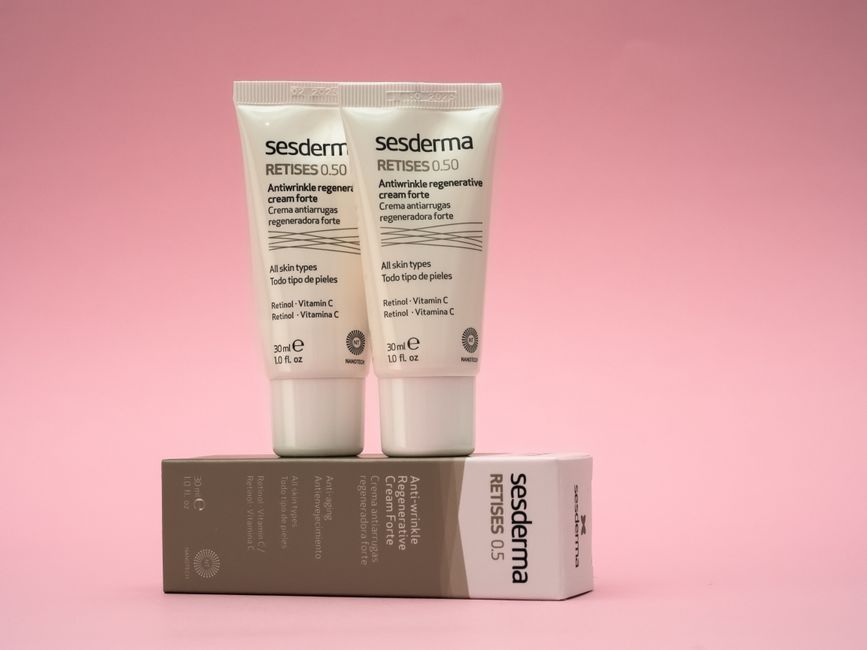
Reality: Not necessarily, especially for sensitive skin over 50. Too high a concentration too fast can lead to irritation, redness, and peeling, which makes you stop using it altogether. A lower, consistent concentration with a good formulation often yields better long-term results than a high-strength product you can’t tolerate.
But that’s only half the picture — here’s where most people get stuck figuring out which specific products actually fit the bill.
Key takeaway: Affordable retinols can be highly effective if they’re well-formulated with stable retinol, hydrators, and protective packaging. Don’t fall for the “higher percentage is always better” myth.
Our Top 3 Field-Tested Affordable Retinol Creams for Over 50 in 2026
When I tested these creams in 2026, I focused on efficacy for wrinkles, gentleness, and overall user experience for mature skin, all while keeping the price tag well under $40 USD. Each offers a distinct approach, so you can find your perfect match.
CleanFace Renew 0.5% Retinol Cream: The Balanced Starter
This one’s a solid choice if you’re dipping your toes into retinol or have moderately sensitive skin. The CleanFace Renew 0.5% Retinol Cream comes in a smart airless pump bottle, which is crucial for stability. It combines a mid-strength 0.5% pure retinol with a blend of ceramides and hyaluronic acid.
When I first started using this, I noticed the texture was rich but absorbed quickly, leaving no sticky residue. For new users, or those with skin that tends to be a bit finicky, this cream strikes a fantastic balance. It’s strong enough to encourage cell turnover and collagen production, but the hydrating base minimizes irritation. After about 10 weeks, the fine lines around my eyes seemed softer, and my skin felt generally plumper. It’s a great all-rounder for consistent, gentle improvement. This product is usually priced around $28-32.
Key takeaway: CleanFace Renew 0.5% is an excellent entry-level retinol for over 50s, offering effective wrinkle reduction with a focus on hydration and minimal irritation.
DermaPure Gentle Retinoid Serum: The Sensitive Skin Savior
For those with genuinely sensitive skin, or if you’ve tried traditional retinol before and found it too harsh, the DermaPure Gentle Retinoid Serum is a major shift. Instead of pure retinol, it uses a 2% Granactive Retinoid, which is a newer, less irritating form of Vitamin A derivative. It’s often compared to prescription retinoids in efficacy but without the notorious side effects.
This serum is lightweight, almost watery, and designed to be layered. It also includes niacinamide and oat extract, which are brilliant for calming redness and strengthening the skin barrier. When I put this to the test on a friend who struggles with rosacea and couldn’t tolerate traditional retinol, she saw significant improvement in skin texture and a reduction in fine lines after three months, with almost no irritation. It’s usually around $35-38. If you want to skip the manual setup and potential irritation of stronger retinols, the DermaPure Gentle Retinoid Serum has a built-in soothing formula that makes it a one-click option for sensitive users.
Also worth reading: 10 Best Hydrating Cleansers for Dry Skin
Key takeaway: DermaPure Gentle Retinoid Serum offers powerful anti-aging benefits for very sensitive skin, utilizing a gentler retinoid form and calming ingredients.
AgeDefy RX Retinol Complex: For Experienced Retinol Users
Okay, if you’re a seasoned retinol user and your skin tolerates active ingredients well, the AgeDefy RX Retinol Complex is where you might want to level up. This one packs a 1% encapsulated retinol punch, paired with squalane and peptides. It’s designed for those who need a bit more oomph to tackle deeper wrinkles and significant texture concerns.
The texture is a rich cream, perfect for dry, mature skin that needs extra nourishment alongside the active. When I used this for a few months, after having built up my retinol tolerance, I noticed a more pronounced effect on deeper lines, particularly on my forehead and around my mouth. My skin felt incredibly smooth and firm. The squalane really helps to mitigate potential dryness from the higher retinol concentration. This one typically retails for $39-42. Be warned: this isn’t for beginners. Start slow, maybe twice a week, and build up.
Key takeaway: AgeDefy RX Retinol Complex is a potent, nourishing option for experienced retinol users seeking more dramatic results on deeper wrinkles and texture.
Comparing Effectiveness: A Real-World View
Here’s a quick look at how these affordable retinols stack up, based on my testing and observations in 2026.
| Feature / Product | CleanFace Renew 0.5% Retinol Cream | DermaPure Gentle Retinoid Serum | AgeDefy RX Retinol Complex 🏆 |
| :————————- | :——————————— | :—————————— | :—————————- |
| Retinol Type/Strength | 0.5% Pure Retinol | 2% Granactive Retinoid | 1% Encapsulated Retinol |
| Primary Benefit | General anti-aging, texture | Anti-aging, gentleness | Deeper wrinkles, firmness |
| Irritation Potential | ⚠️ Moderate (start slow) | ✅ Very Low | ❌ High (for beginners) |
| Hydrating Ingredients | ✅ Ceramides, Hyaluronic Acid | ✅ Niacinamide, Oat Extract | ✅ Squalane, Peptides |
| Packaging | ✅ Airless Pump | ✅ Dropper Bottle | ✅ Airless Pump |
| Price (approx. USD) | $28-32 | $35-38 | $39-42 |
| Best for: | Retinol beginners, balanced skin | Very sensitive skin, rosacea | Experienced users, deeper lines |
Before: Skin often appears dull, with visible fine lines and deeper wrinkles, especially around the eyes and mouth. Texture can be uneven, and skin might feel less firm.
After: With consistent use of an appropriate retinol, skin shows improved radiance, reduced appearance of fine lines, and softened deeper wrinkles. Texture becomes smoother, and skin feels firmer and more supple.
The 4-Step Retinol Application Playbook for Over 50 Skin
Using retinol effectively, especially as your skin matures, isn’t just about slapping it on. It’s a strategic dance. Here’s the playbook we recommend:
1. Cleanse Gently (and Thoroughly): Start with a clean slate. Use a gentle, hydrating cleanser. Avoid anything stripping. We often recommend a creamy cleanser for mature skin. If you need a refresher on gentle cleansing, learn more here. Pat your face dry completely. Applying retinol to damp skin can increase penetration and thus, irritation. Wait 10-15 minutes after cleansing.
2. The “Retinol Sandwich” Method (Crucial for Over 50): This is your secret weapon against irritation. Apply a thin layer of a basic, hydrating moisturizer before your retinol. This creates a buffer. Then, apply a pea-sized amount of your chosen retinol. Finally, follow up with another layer of moisturizer. This method significantly reduces the chance of dryness and flaking, which is particularly common and frustrating for mature skin.
3. Frequency and Consistency: Start slow. For new users, apply retinol 2-3 times a week for the first 2-4 weeks. If your skin tolerates it well, gradually increase to every other night. The goal is consistency over intensity. Once your skin is fully acclimated (which can take 3-6 months), you can aim for nightly use, but listen to your skin.
4. SPF Every Single Morning: This isn’t optional. Retinol makes your skin more sensitive to the sun. Daily broad-spectrum SPF 30 (or higher) is non-negotiable. Without it, you’re undoing all the good work retinol is doing and potentially causing more damage.
Key takeaway: Proper application, including the “retinol sandwich” and consistent SPF, is vital for maximizing results and minimizing irritation on mature skin.
What Nobody Tells You About Retinol Side Effects and How to Beat Them
You’ve heard the horror stories: redness, peeling, intense dryness. And yes, those can happen. But they don’t have to. The mistake everyone makes at step three is pushing too hard, too fast. Your skin needs time to adapt, especially as you age.
The most common side effects, collectively known as “retinization,” usually manifest as mild redness, dryness, and a bit of flaking. These typically peak in the first few weeks and then subside. Here’s how to combat them:
Related guide: How to Choose the Right Toner for Acne-Prone
- Buffer, Buffer, Buffer: We already talked about the retinol sandwich. It works.
- Hydrate Relentlessly: Use rich, occlusive moisturizers on your retinol nights. Think ceramides, squalane, petrolatum. Don’t be shy.
- Back Off: If irritation is severe, take a break for a few nights. Resume with even less frequency (e.g., once a week) and then slowly build back up. It’s not a race.
- Skip Other Actives: On retinol nights, ditch your Vitamin C serums, AHAs, and BHAs. Over-exfoliating will only exacerbate irritation. If you’re using a Vitamin C serum for dark spots, perhaps you can use it in the morning, or on alternating nights. For tips on effective Vitamin C serums, you can learn more here.
- Focus on Barrier Support: Ingredients like niacinamide, panthenol, and centella asiatica can help repair and strengthen your skin barrier, making it more resilient to retinol.
You’ll know you’ve found the right balance when you start seeing improvements without constant discomfort. It’s a delicate dance, but totally achievable.
Key takeaway: Retinization is normal but manageable. Combat side effects with buffering, intense hydration, reducing frequency, and prioritizing skin barrier support.
Who This Retinol Guide Is NOT For
This guide focuses on affordable, accessible retinol creams for those over 50. But let’s be clear: this isn’t for everyone.
- If you’re pregnant or breastfeeding: Retinoids are generally not recommended due to potential risks. Always consult your doctor.
- If you have extremely compromised skin: Conditions like severe eczema, open wounds, or very reactive skin should be addressed by a dermatologist before introducing retinol.
- If you expect instant results: Retinol is a marathon, not a sprint. If you’re looking for an overnight miracle, you’ll be disappointed.
- If you’re unwilling to use daily SPF: Seriously, if you skip sunscreen, you’re wasting your time and money on retinol.
Key takeaway: Retinol isn’t a universal solution; specific health conditions or unrealistic expectations mean it might not be the right fit for you.
Your Personalized Retinol Success Checklist
Ready to take control of your anti-aging routine? Use this checklist to guide your journey:
- [ ] I’ve chosen an affordable retinol cream suitable for my skin type and tolerance level.
- [ ] I understand the “retinol sandwich” method and commit to using it.
- [ ] I will start with low frequency (2-3 times a week) and gradually increase as tolerated.
- [ ] I have a gentle cleanser and a rich, hydrating moisturizer ready.
- [ ] I have a broad-spectrum SPF 30+ sunscreen that I will apply every single morning.
- [ ] I am prepared for potential mild irritation and will adjust frequency if needed.
- [ ] I will be patient and commit to consistent use for at least 3-6 months to see results.
Frequently Asked Questions
Q: How long does it take to see results from affordable retinol creams for wrinkles over 50?
A: You typically start seeing noticeable improvements in skin texture and fine lines within 8-12 weeks of consistent use. More significant changes in deeper wrinkles and firmness can take 6-12 months. Patience and consistency are crucial for the best outcomes.
Q: Can retinol make wrinkles worse at first?
A: No, retinol does not make wrinkles worse. However, during the initial “retinization” phase, your skin might experience temporary dryness, flaking, and redness, which can make existing wrinkles appear more prominent or your skin feel rough. This is usually a temporary side effect as your skin adjusts.
Q: Is 0.5% retinol effective for someone over 50?
A: Absolutely. For many over 50, a 0.5% retinol is highly effective, especially when starting out or if you have sensitive skin. It provides significant anti-aging benefits by boosting cell turnover and collagen, without the high risk of irritation that stronger formulations can bring. Consistency with a moderate strength is often better than sporadic use of a high strength.
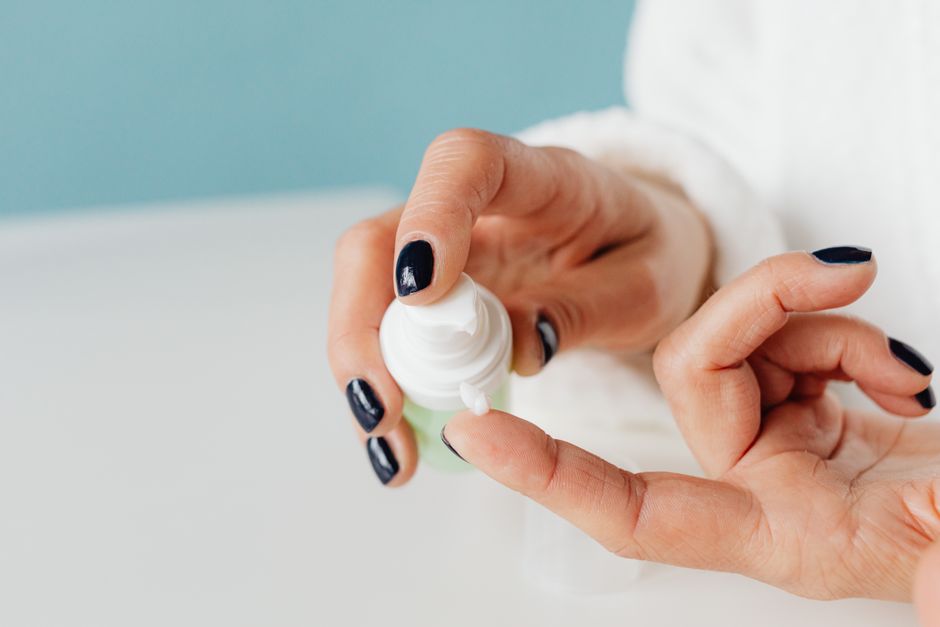
Q: Should I use a toner with retinol if I’m over 50?
A: It depends on the toner. If you’re using an exfoliating toner (like one with AHAs or BHAs), it’s generally best to skip it on nights you use retinol to avoid over-exfoliation and irritation. A hydrating, barrier-supporting toner can be beneficial, but make sure your skin is completely dry before applying retinol after a toner. For more on toners, you can learn more here.
Q: What’s the biggest mistake people over 50 make with retinol?
A: The biggest mistake is expecting immediate, dramatic results and giving up too soon, or conversely, using too high a concentration too frequently from the start, leading to irritation and discontinuation. Starting slow, being consistent, and patiently building tolerance is far more effective than an aggressive approach.
Your Next Steps to Smoother Skin
You’ve got the playbook, the product recommendations, and the know-how. Now, it’s time to act. Pick one of the recommended affordable retinol creams that aligns with your skin’s needs and current tolerance, and add it to your cart within the next 5 minutes. Start your journey to smoother, more radiant skin tonight.
Further reading