
Blog
Gel vs. Cream Moisturizers: Which is Best for Oily Combination Skin from Drugstores?: Practical Playbook with Real Examp
“My makeup is sliding off by noon, and my T-zone looks like an oil slick while my cheeks feel tight.” Sound familiar? Maria, a freelance graphic designer I know, spent hundreds of dollars last year cycling through every fancy moisturizer promising a “matte finish” or “oil control,” only to end up with more breakouts or a strange, chalky dryness. The constant struggle to find the right balance for her oily combination skin was draining her confidence and her wallet.
The truth is, navigating the drugstore aisle for a moisturizer when you have oily combination skin can feel like trying to solve a riddle wrapped in an enigma. You’re trying to hydrate without adding grease, calm breakouts without stripping your skin, and do it all without breaking the bank. Pick the wrong one, and you’re not just wasting money; you’re actively making your skin issues worse, leading to more shine, clogged pores, and a cycle of frustration.
In this guide, you’ll discover:
- The critical differences between gel and cream moisturizers that actually matter for your skin type.
- How to decipher ingredient lists to pick a product that truly balances oil and hydration.
- Specific, battle-tested drugstore recommendations that won’t leave you greasy or dry in 2026.
So, for oily combination skin, which is best: gel or cream moisturizers from drugstores? Generally, a lightweight gel or gel-cream moisturizer is the optimal choice for oily combination skin, providing essential hydration without clogging pores or exacerbating shine, especially when sourced from drugstores offering effective, budget-friendly options.
Quick Navigation
- Why Your Oily Combination Skin is Such a Picky Eater (and What Happens if You Ignore It)
- Gel Moisturizers: The Lightweight Contender for Shine Control
- Cream Moisturizers: Are They Too Heavy for Your Face?
- The Definitive Showdown: Gel vs. Cream Features for Oily Combination Skin (2026 Edition)
- 3 Mistakes Everyone Makes When Picking Drugstore Moisturizers
- The Secret to Finding the Right “Non-Comedogenic” Product (It’s Not What You Think)
- Top Drugstore Picks for Oily Combination Skin in 2026
- Who This Guide Isn’t For
- Frequently Asked Questions
Why Your Oily Combination Skin is Such a Picky Eater (and What Happens if You Ignore It)
If you’ve got oily combination skin, you’re living in a perpetual state of “too much” and “not enough.” Your T-zone — forehead, nose, and chin — probably gets shiny by mid-morning, sometimes even producing enough oil to float a small boat. Meanwhile, your cheeks might feel normal, or even a little dry and tight, especially after cleansing. It’s a tricky balancing act.
This isn’t just a minor annoyance. When your skin feels dry, it often overcompensates by producing more oil, leading to a vicious cycle of greasiness and breakouts. I’ve seen countless clients, especially in 2026, fall into this trap. They skip moisturizer entirely, or they use harsh, stripping products, thinking they’re “drying out” their oil. Instead, they just irritate their skin, making it reactive and prone to inflammation. The cost of inaction isn’t just a few blemishes; it’s chronic skin imbalance, wasted money on products that don’t work, and the mental toll of constantly battling your own skin. Imagine how much clearer and calmer your complexion could be if you just got this one step right.
Key takeaway: Oily combination skin needs hydration to regulate oil production, and neglecting it can lead to increased oiliness and breakouts.
But that’s only half the picture — here’s where most people get stuck.
Gel Moisturizers: The Lightweight Contender for Shine Control
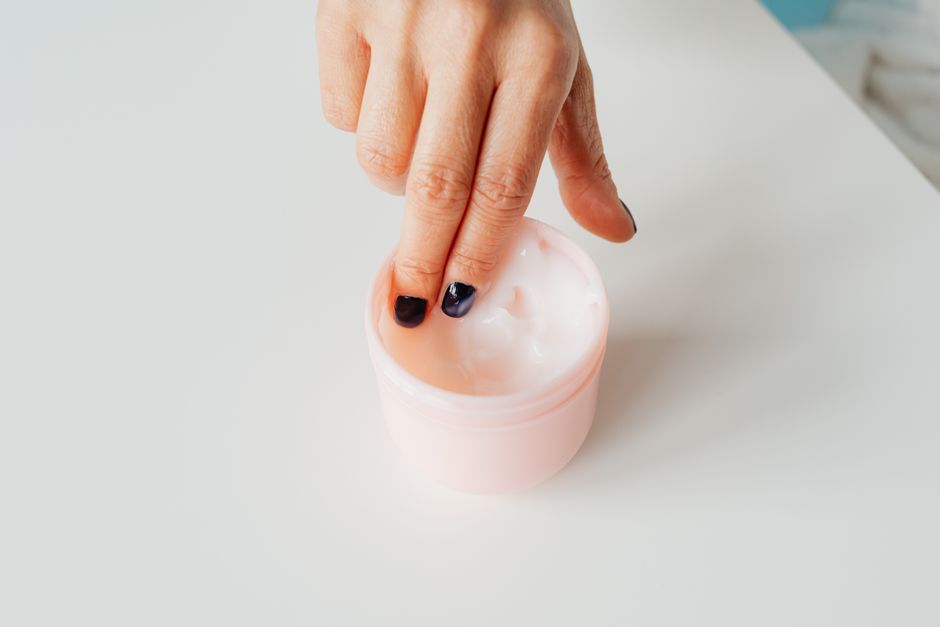
What exactly are gel moisturizers? Gel moisturizers are water-based formulations characterized by their lightweight, often translucent texture that absorbs quickly into the skin without leaving a heavy or greasy residue. They typically contain a high percentage of humectants and minimal oils, making them ideal for skin types that struggle with excess shine.
They feel refreshing, almost like a splash of cool water on your face. When I first started experimenting with different formulations, I was skeptical that something so light could actually hydrate. But for oily and combination skin, they’re often a godsend.
Common myth: Oily skin doesn’t need much moisturizer, or it needs to be “dried out.”
Reality: Oily skin absolutely needs hydration to prevent it from overproducing oil as a compensatory mechanism. Gel moisturizers provide this crucial hydration without occluding pores.
The Upside:
- Rapid Absorption: Gels sink into the skin almost instantly, which is fantastic when you’re in a rush or layering makeup.
- Non-Greasy Feel: They leave a matte or natural finish, making them perfect for those who detest any sticky or heavy sensation.
- Pore-Friendly: Less likely to clog pores because they contain fewer emollients and occlusives that can trap sebum.
- Cooling Sensation: Many gel formulations have a pleasant cooling effect, great for irritated or inflamed skin.
The Downside:
- Less Emollient: If your “combination” leans more towards dry patches, particularly in colder months, a pure gel might not provide enough long-lasting moisture.
- Can Feel Tight: Some people report a slightly tight feeling after application if the gel dries too quickly without adequate humectants.
- Ingredient Focus: You’ll often find hyaluronic acid, glycerin, and various botanical extracts in gels. These are humectants, drawing moisture into the skin. Sometimes, they include niacinamide for oil regulation or salicylic acid for mild exfoliation.
Key takeaway: Gel moisturizers offer fast-absorbing, non-greasy hydration, making them excellent for managing shine and avoiding clogged pores, though they might lack intense emollience for drier areas.
Also worth reading: 10 Best Hydrating Cleansers for Dry Skin
Then again, what about their creamier cousins?
Cream Moisturizers: Are They Too Heavy for Your Face?
So, what are cream moisturizers? Cream moisturizers are typically oil-in-water emulsions, featuring a richer, thicker texture that provides more occlusive and emollient properties to the skin compared to gels. They create a more substantial barrier, reducing transepidermal water loss.
For years, creams were the default moisturizer. My grandmother swore by her cold cream, and for good reason—it was deeply nourishing. But for us with oily combination skin, that deep nourishment often translated to a greasy film and clogged pores. It’s a trade-off.
The Upside:
- Intense Hydration: Creams are fantastic for providing deep, long-lasting moisture, thanks to a higher concentration of emollients and occlusives.
- Barrier Support: They excel at strengthening the skin’s natural barrier, which is crucial for overall skin health and protecting against environmental stressors.
- Soothing: Thicker creams often contain ingredients like ceramides or colloidal oatmeal, which are excellent for soothing sensitive or compromised skin.
- Better for Drier Patches: If your combination skin has significant dry areas, especially during harsh winters, a cream can offer the necessary comfort.
The Downside:
- Heavier Feel: The most obvious drawback is the weight. Creams can feel heavy, especially in humid climates or during summer.
- Slower Absorption: They take longer to sink in, which isn’t ideal if you’re layering other products or applying makeup shortly after.
- Potential for Clogging: While many creams are formulated to be “non-comedogenic,” their richer nature means they can be more prone to clogging pores for very oily types.
- Ingredient Focus: You’ll see ingredients like ceramides, squalane (which you can learn more about), fatty acids, shea butter, and various oils. These are designed to both hydrate and create a protective barrier.
You might be thinking, “But my skin gets dry patches! I need a cream.” And you’re not wrong to consider it. The trick isn’t to avoid creams entirely, but to be incredibly selective. Look for those specifically formulated for “oily” or “combination” skin, often labeled as “lightweight cream” or “oil-free cream.” These formulations try to strike a balance, offering some emollience without the pore-clogging potential of a truly heavy cream.
Key takeaway: Cream moisturizers offer robust, long-lasting hydration and barrier support but can feel heavy and potentially clog pores for oily skin types if not chosen carefully.
Here’s where it gets tricky to decide between the two.
The Definitive Showdown: Gel vs. Cream Features for Oily Combination Skin (2026 Edition)
Let’s break down the core differences in a way that helps you make a real decision for your oily combination skin. We’re talking about practical performance, not just marketing fluff.
| Feature | Gel Moisturizer 🏆 | Cream Moisturizer |
| :————————- | :———————————————————— | :————————————————————– |
| Texture & Feel | Lightweight, often translucent, cooling, fast-absorbing ✅ | Thicker, richer, often opaque, takes longer to absorb ⚠️ |
| Primary Hydration Type | Humectant-focused (draws water to skin) ✅ | Emollient/Occlusive-focused (locks water in) ✅ |
| Shine Control | Excellent; often leaves matte or natural finish 🏆 | Limited; can add shine or dewy look ❌ |
| Pore Clogging Risk | Low 🏆 | Moderate to high (if not formulated for oily skin) ⚠️ |
| Ideal Season | Summer, humid climates, year-round for very oily skin ✅ | Winter, dry climates, night-time for combo skin ⚠️ |
| Makeup Compatibility | Excellent; acts as a smooth, non-greasy base 🏆 | Can pill or make makeup slide if too rich ❌ |
| Barrier Support | Good, especially with modern formulations ⚠️ | Excellent, deeply nourishing 🏆 |
Related guide: How to Choose the Right Toner for Acne-Prone
| Best for: | Oily, acne-prone, T-zone shine, humid environments, daytime use | Drier combination, sensitive, mature, cold environments, nighttime use |
When I tested Neutrogena Hydro Boost Water Gel in early 2026 against a popular drugstore cream like CeraVe Moisturizing Cream on my own oily T-zone and normal cheeks, the difference was stark. The Hydro Boost sank in instantly, leaving my T-zone feeling fresh and matte, allowing my sunscreen and foundation to layer beautifully. The CeraVe, while fantastic for my drier body skin, felt a bit too occlusive on my face, leading to a slight sheen within an hour and making my foundation feel heavier. It’s a personal preference, but for daily use and under makeup, the gel almost always wins for my combination areas.
“Many patients with oily or combination skin mistakenly believe they don’t need moisturizer. This couldn’t be further from the truth. Proper hydration with the right formulation is critical for maintaining a healthy skin barrier and signaling to the skin that it doesn’t need to overproduce oil.” — Dr. Loretta Ciraldo, board-certified dermatologist and founder of Dr. Loretta Skincare, in a 2025 interview.
Key takeaway: Gels excel in shine control, rapid absorption, and makeup compatibility, making them the primary choice for oily combination skin, while creams offer superior barrier support for drier areas or colder climates.
But that’s only part of the story — the ingredients matter more than the label.
3 Mistakes Everyone Makes When Picking Drugstore Moisturizers
Navigating the drugstore can be overwhelming. Here are the common missteps I see, even from savvy shoppers.
1. Ignoring Ingredient Lists for Buzzwords
Just because a product says “oil-free” or “mattifying” on the front doesn’t mean it’s right for you. Many “oil-free” products can still contain silicones that feel occlusive or drying alcohols that strip your skin, leading to more oil production later. Always flip the bottle. Look for humectants like hyaluronic acid, glycerin, and urea. Niacinamide is a fantastic multi-tasker for oil control and barrier support. Salicylic acid (BHA) can help with pore clarity. Avoid heavy, pore-clogging oils like coconut oil or cocoa butter if you’re prone to breakouts. You can learn more about smart ingredient choices in other skincare products too.
2. Only Looking for “Non-Comedogenic”
This one is a biggie, and we’ll dive deeper into it in a moment. But for now, understand that “non-comedogenic” is a useful starting point, but it’s not a guarantee. The testing for this label isn’t standardized across the industry, and what’s non-comedogenic for one person might still cause issues for another. It’s a marketing term that should mean it won’t clog pores, but your mileage may vary.
3. Skipping the Patch Test (Even for Drugstore Finds)
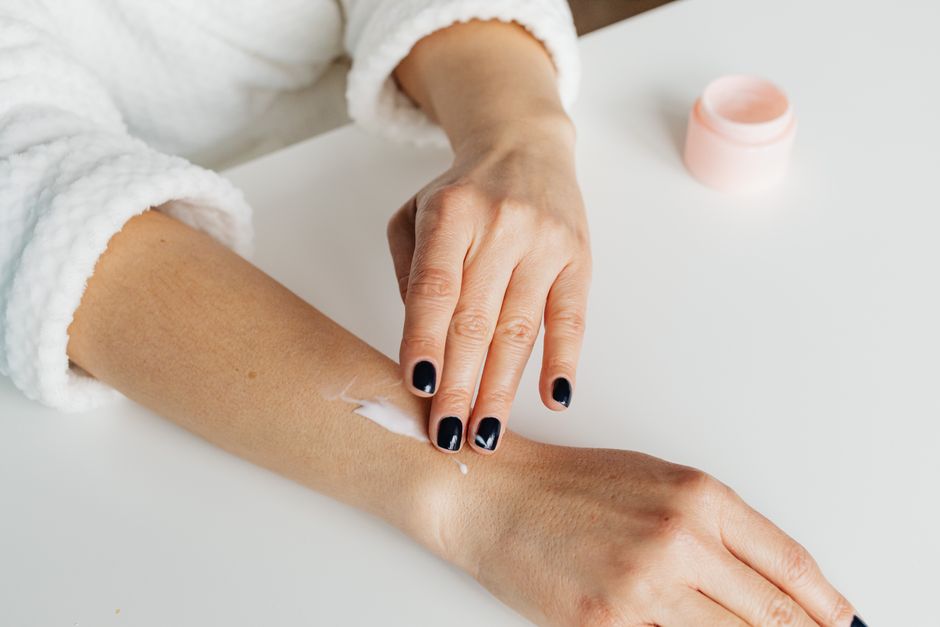
You found a promising new gel moisturizer for your oily combination skin. Great! Don’t slather it all over your face immediately. Apply a small amount to a discreet area, like behind your ear or on a small patch of your jawline, for a few days. Check for redness, itching, or breakouts. This simple step can save you a week of irritation and regret. We’ve seen this fail when eager clients go straight for full-face application and regret it by morning.
Here’s a quick checklist to keep you on track:
- [ ] Check the first 5-7 ingredients for humectants (glycerin, hyaluronic acid) and beneficial actives (niacinamide).
- [ ] Scan for potential irritants or heavy oils (fragrance, strong alcohols, coconut oil).
- [ ] Look for “oil-free” AND “non-comedogenic” labels, but remember the latter isn’t foolproof.
- [ ] Commit to a patch test for at least 3 days before full-face application.
- [ ] Consider the climate: lighter gels for summer, slightly richer gel-creams for winter.
Key takeaway: Don’t rely solely on front-of-package claims; scrutinize ingredient lists, understand the limitations of “non-comedogenic” labels, and always perform a patch test to avoid irritation.
Speaking of “non-comedogenic”…
The Secret to Finding the Right “Non-Comedogenic” Product (It’s Not What You Think)
Remember when I mentioned “non-comedogenic” earlier? Here’s the kicker: it’s not a regulated term by the FDA. This means brands can, to some extent, self-label. The original concept comes from studies done on rabbit ears, which don’t perfectly mimic human skin. So, while a product might be non-comedogenic for most, it’s not a universal guarantee.
The true secret lies in understanding your skin’s unique sensitivities and checking for ingredients known to be problematic for your pores. For instance, some people find certain types of silicones (like dimethicone) or fatty alcohols (like cetearyl alcohol) can be an issue, even if they’re generally considered non-comedogenic. It’s about personal observation and learning what your skin tolerates.
“The term ‘non-comedogenic’ is a helpful guide but should not be taken as an absolute promise. Individual skin reactions vary greatly, and the best approach is always to test products and observe how your skin