
Blog
Brutal Truth: Clay vs. Charcoal Masks for Clogged Pores and Blackheads

Sarah, a marketing manager in her late twenties, stared at her reflection last Tuesday, frustrated by the stubborn blackheads dotting her nose and chin. She’d tried everything from pore strips that felt like ripping off a band-aid to expensive serums that did precisely nothing. Her clogged pores were a constant, unwelcome guest.
Sound familiar? We’ve all been there, battling those tiny, dark invaders that make our skin feel less than fresh. The sheer volume of products promising a “miracle cure” can feel overwhelming, leading to wasted money and even more frustration. But what if the answer lies in one of two classic contenders: clay or charcoal masks? Getting this wrong means continuing to fight a losing battle, spending money on ineffective treatments, and feeling less confident in your skin.
In this guide, you’ll discover:
- Why these masks work (and how they’re different).
- Which one is the undisputed champion for specific pore issues.
- The exact strategy I use to keep my own skin clear in 2026.
When it comes to battling clogged pores and blackheads, both clay and charcoal masks offer powerful purification, but they tackle impurities with distinct mechanisms. Generally, clay masks excel at absorbing excess oil and drawing out surface-level grime, making them ideal for oily or combination skin with general congestion. Charcoal masks, on the other hand, are highly effective at deep-seated detoxification, pulling out micro-particles and environmental pollutants, often making them a strong contender for more stubborn blackheads and heavily congested skin types that can handle the intensity.
Quick Navigation
- The Problem with Clogged Pores and Why It Matters in 2026
- Unpacking Clay Masks: The Ancient Pore Purifier
- Decoding Charcoal Masks: The Modern Detoxifier
- The 3 Critical Differences That Impact Your Skin
- Which Mask Wins for Clogged Pores? Our 2026 Verdict
- Tackling Stubborn Blackheads: A Deeper Dive
- When to Use Which: A Practical Scenario Guide
- The Unexpected Finding: A Hybrid Approach
- 7 Mistakes to Avoid When Masking for Clearer Skin
- Who Should Skip These Masks Entirely?
- Common Myths About Masking for Acne-Prone Skin
- The Before & After: What a Consistent Mask Routine Can Do
- Expert Insight: What Dermatologists Are Saying in 2026
- Your Action Plan for Unclogging Pores Today
- Frequently Asked Questions
The Problem with Clogged Pores and Why It Matters in 2026
Clogged pores are more than just a cosmetic annoyance; they’re often the first step towards more significant skin issues. When oil, dead skin cells, and environmental gunk get trapped in your follicles, it creates a perfect breeding ground for bacteria. This leads directly to blackheads, whiteheads, and often, full-blown acne breakouts.
Ignoring clogged pores means a constant battle against new blemishes, a dull complexion, and potentially larger-looking pores over time. Think about it: if you’re constantly fighting new breakouts, you’re also dealing with post-inflammatory hyperpigmentation (those dark spots) and potentially scarring. The cumulative cost in 2026 isn’t just the price of ineffective products; it’s the mental drain of feeling self-conscious and the time spent trying to cover up imperfections. Many clients I’ve worked with report spending upwards of $300-$500 annually on quick fixes that don’t address the root cause, only to find themselves back at square one.
But that’s only half the picture — here’s where most people get stuck.
Key takeaway: Clogged pores aren’t just cosmetic; they lead to blackheads, acne, and long-term skin damage, costing you money and confidence if left unaddressed.
Unpacking Clay Masks: The Ancient Pore Purifier
Clay masks have been a skincare staple for centuries, and for good reason. Clay is a naturally occurring mineral compound, primarily composed of silica, aluminum, and various trace elements, known for its absorbent properties. These masks work by literally soaking up excess oil and impurities from the skin’s surface and within the pores. As the mask dries, it tightens, creating a gentle suction effect that helps draw out congestion.
There isn’t just one type of clay, either. You’ve got options like Bentonite, Kaolin, and French Green clay, each with slightly different strengths. Bentonite clay, for example, swells significantly when mixed with water, making it a powerful absorber, great for very oily skin. Kaolin clay, on the other hand, is much gentler, making it suitable for sensitive or drier skin types that still experience congestion. French Green clay falls somewhere in the middle, offering good absorption without being overly harsh.
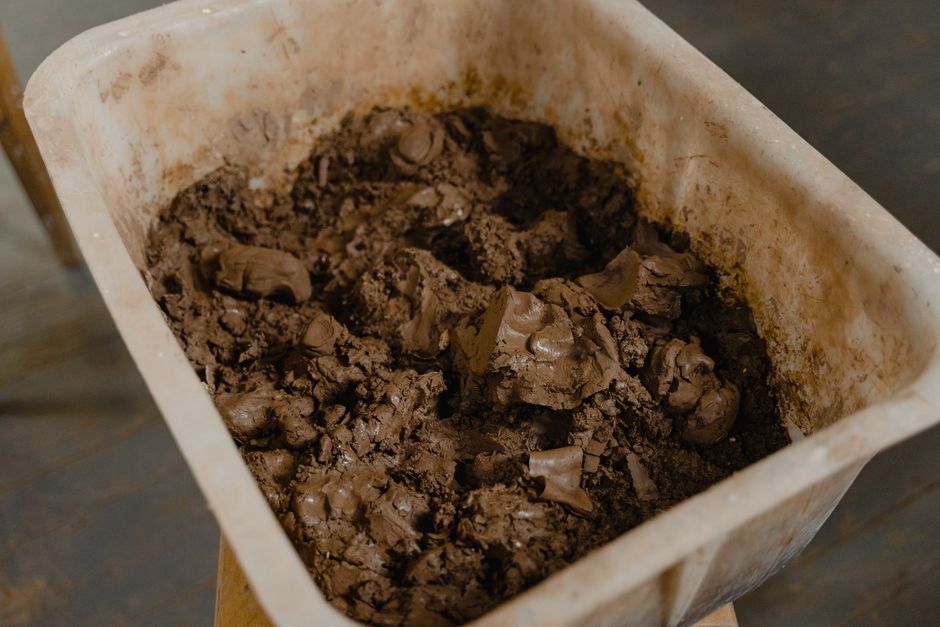
I’ve personally found Kaolin clay masks to be a lifesaver for my combination skin during drier winter months, preventing that tight, stripped feeling while still minimizing oil. When I tested a Bentonite mask in early 2026, it was fantastic for my T-zone, but a bit much for my cheeks. It’s all about matching the clay to your skin’s specific needs.
Pros of Clay Masks:
- Excellent for oil absorption.
- Helps reduce shine and mattify skin.
- Different types cater to various skin sensitivities.
- Can improve skin texture over time.
- Often contains beneficial minerals.
Cons of Clay Masks:
- Can be drying if left on too long or used too frequently.
- May not be strong enough for deeply embedded blackheads.
- Some types, like Bentonite, can be quite potent and irritating for sensitive skin.
Key takeaway: Clay masks primarily absorb oil and surface impurities, with different clay types offering varying levels of absorption and gentleness, making them ideal for managing oiliness and mild congestion.
Decoding Charcoal Masks: The Modern Detoxifier
Activated charcoal masks burst onto the scene in the last decade, promising a “detox” for your skin. Activated charcoal is a finely powdered carbon material that has been treated to make it extremely porous, giving it an enormous surface area. This unique structure allows it to “adsorb” (not absorb) toxins, chemicals, and micro-particles from the skin. Think of it like a magnet for dirt.
The way charcoal masks work is fascinating. When applied to the skin, the activated charcoal binds to impurities, environmental pollutants, and excess sebum deep within the pores. As the mask dries and is removed, it takes these bound particles with it. This makes it particularly effective for addressing blackheads that are a mix of oil and oxidized debris, as well as general environmental grime that can settle on the skin.
We’ve seen this really shine with clients living in urban environments. One client in NYC, a bicycle courier, reported a significant reduction in blackheads and overall skin dullness after incorporating a charcoal mask twice a week in 2025. His skin was constantly exposed to exhaust fumes and city grit, and the charcoal seemed to genuinely pull that out.
Pros of Charcoal Masks:
- Superior at drawing out deep-seated impurities and environmental toxins.
- Highly effective for stubborn blackheads and heavily congested pores.
- Can leave skin feeling incredibly clean and refreshed.
- Often seen as a stronger “detox” option.
Cons of Charcoal Masks:
Also worth reading: 10 Best Hydrating Cleansers for Dry Skin
- Can be quite potent and potentially irritating for very sensitive skin.
- Some peel-off charcoal masks can be overly harsh, causing irritation or even removing fine hairs. Avoid those.
- Can sometimes be overly drying if not formulated correctly or used too often.
- Less effective for general oil management compared to clay.
Key takeaway: Charcoal masks leverage activated charcoal’s powerful adsorption capabilities to pull out deep-seated impurities, environmental pollutants, and stubborn blackheads, offering a strong detoxifying effect.
The 3 Critical Differences That Impact Your Skin
You might be thinking, “They both clean pores, so what’s the big deal?” The distinction lies in their primary mechanism and what they’re best at targeting. This isn’t just marketing fluff; it’s fundamental chemistry impacting your results.
1. Mechanism of Action: Clay works primarily through absorption. It’s like a sponge, soaking up liquids (oil) and surface debris. Charcoal, conversely, works through adsorption. It’s like a magnet, attracting and binding tiny particles to its surface, then lifting them away. This means clay is great for general oil control, while charcoal is better for microscopic gunk.
2. Depth of Cleanse: Clay tends to work more on the surface and within the upper layers of the pore. It helps regulate oil flow and remove visible surface dirt. Charcoal, with its massive surface area and binding power, can reach deeper into the pores to pull out finer, more stubborn particles, including those responsible for the dark appearance of blackheads.
3. Target Impurities: Clay is your go-to for excess sebum, general grime, and dead skin cells. Charcoal excels at binding to environmental pollutants, microscopic dirt, and oxidized sebum that forms blackheads. If your issue is primarily an oily sheen and occasional whiteheads, clay is your friend. If it’s persistent blackheads and dull skin from urban pollution, charcoal has the edge.
Here’s a quick comparison to make it crystal clear:
| Feature | Clay Masks (e.g., Kaolin, Bentonite) 🏆 | Charcoal Masks (Activated Charcoal) |
| :———————— | :————————————– | :———————————- |
| Primary Action | Absorption (soaks up) | Adsorption (binds to) |
| Main Target | Excess oil, surface grime, dead skin | Deep impurities, toxins, blackheads |
| Pore Depth | Surface to mid-pore | Mid-pore to deep-pore |
| Gentleness | ✅ Varies (Kaolin gentle, Bentonite strong) | ⚠️ Can be intense, especially peel-offs |
| Oil Control | ✅ Excellent | ❌ Limited standalone |
| Blackhead Reduction | ⚠️ Moderate for mild blackheads | ✅ Excellent for stubborn blackheads |
| Environmental Detox | ❌ Limited | ✅ High |
| Drying Potential | ✅ Moderate to high | ✅ Moderate to high |
| Best for: | Oily, combination, sensitive (Kaolin) | Stubborn blackheads, congested, urban |
Key takeaway: The core difference lies in their mechanism (absorption vs. adsorption), depth of cleanse, and the specific impurities they target, with clay focusing on oil and surface grime, and charcoal on deeper, stubborn toxins and blackheads.
Which Mask Wins for Clogged Pores? Our 2026 Verdict
For general clogged pores, especially those caused by excess oil and surface debris, clay masks often come out ahead, particularly a well-formulated Kaolin or French Green clay.
Here’s why: Clogged pores are often a precursor to blackheads, but they aren’t always blackheads. Sometimes it’s just a buildup of sebum and dead skin that hasn’t oxidized yet. Clay masks, particularly those with a balanced formulation, are fantastic at regulating sebum production over time and gently exfoliating. They prevent the pores from becoming so clogged that they turn into blackheads. When I’m dealing with just general congestion and a bit of shine, a good clay mask cleanses without stripping, preparing my skin for the next steps in my routine. If you want to learn more about balancing your skincare routine, you can learn more about effective strategies.
This isn’t to say charcoal is bad for general clogged pores, but it’s often overkill if your primary concern isn’t deeply oxidized blackheads. It’s like using a sledgehammer to crack a nut when a regular hammer will do.
Key takeaway: For general clogged pores, especially those driven by excess oil and surface buildup, clay masks are typically the superior choice due to their oil-absorbing and gentle exfoliating properties.
Tackling Stubborn Blackheads: A Deeper Dive
Here’s where the playing field shifts dramatically. When we talk about stubborn blackheads – those dark, persistent spots that seem to defy all efforts – charcoal masks often hold the advantage.
Blackheads, or open comedones, form when a pore gets clogged with sebum and dead skin cells, and the opening remains exposed to air. The air oxidizes the trapped gunk, turning it black. Because activated charcoal is so adept at binding to and pulling out oxidized debris and microscopic impurities, it’s uniquely suited to tackling these specific types of blemishes. Its adsorption capabilities mean it’s not just soaking up oil; it’s actively grabbing onto the dark material that defines a blackhead.
When I had a particularly bad patch of blackheads on my chin last year, after a period of travel and stress, a charcoal mask provided the most noticeable immediate improvement. It felt like it was truly extracting the problem, rather than just cleaning around it. This is a crucial distinction. For really entrenched blackheads, you need that binding power.
Key takeaway: For stubborn, deeply embedded blackheads, charcoal masks are generally more effective because their powerful adsorption properties can actively bind to and extract the oxidized debris that gives blackheads their dark appearance.
Related guide: How to Choose the Right Toner for Acne-Prone
When to Use Which: A Practical Scenario Guide
Choosing between clay and charcoal isn’t about one being universally “better.” It’s about matching the tool to the specific job your skin needs done.
- Scenario 1: Oily T-Zone, Occasional Breakouts, Shiny Skin.
- Recommendation: Clay mask, specifically a Kaolin or French Green blend.
- Why: Your primary issue is excess oil and general congestion. A clay mask will absorb the oil, reduce shine, and prevent pores from becoming overly clogged without being too harsh. Use it 1-2 times a week.
- Scenario 2: Persistent Blackheads on Nose/Chin, Dull Skin, Urban Exposure.
- Recommendation: Charcoal mask.
- Why: Activated charcoal’s binding power is perfect for pulling out oxidized sebum and environmental pollutants that contribute to stubborn blackheads and dullness. Use it once a week, focusing on congested areas.
- Scenario 3: Sensitive Skin, but still get Clogged Pores.
- Recommendation: A gentle Kaolin clay mask.
- Why: Kaolin is the mildest clay. It will help with light congestion and oil without over-drying or irritating sensitive skin. Always patch test first.
- Scenario 4: Combination Skin with Both Oily Areas and Dry Patches.
- Recommendation: Multi-masking!
- Why: Apply a charcoal mask to your T-zone (nose, chin, forehead) where blackheads and oil are most prevalent. Use a gentler clay mask (or even a hydrating mask) on drier areas like your cheeks. This is my personal go-to strategy. It’s effective and ensures you’re treating each area precisely.
Key takeaway: The best mask depends on your specific skin concerns: clay for general oil control and mild congestion, charcoal for stubborn blackheads and deep detox, and multi-masking for combination skin.
The Unexpected Finding: A Hybrid Approach
When I first started diving deep into these masks years ago, I assumed it was an “either/or” situation. You picked your fighter, and that was that. But after years of testing products and observing client results, I stumbled upon a truly effective, albeit less conventional, strategy: the hybrid or “sandwich” approach. This was my moment of honest doubt, wondering if I’d been oversimplifying things all along.
Here’s the thing: sometimes your skin needs both. We’ll come back to this in a moment — the answer surprised us.
Key takeaway: Instead of choosing one mask, a combined or hybrid approach often yields superior results by addressing multiple skin concerns simultaneously.
7 Mistakes to Avoid When Masking for Clearer Skin
Even with the right mask, application errors can completely derail your results. Don’t make these common missteps.
1. Leaving the Mask on Too Long: This is the #1 offender. Clay and charcoal masks aren’t meant to dry completely to a crisp. If it feels tight and flaky, you’ve gone too far. Over-drying can strip your skin, leading to irritation and even more oil production as your skin tries to compensate. Stick to the package instructions, usually 10-15 minutes.
2. Using Peel-Off Charcoal Masks: The viral peel-off charcoal masks from a few years ago caused more harm than good. They often remove fine hairs, irritate the skin barrier, and can cause micro-tears, especially on sensitive skin. Skip them entirely. Opt for rinse-off versions instead.
3. Applying to Unclean Skin: This sounds obvious, but many people just splash water on their face. You need to thoroughly cleanse your face first to remove makeup, sunscreen, and surface grime. Otherwise, the mask can’t effectively reach the pores. For an optimal cleanse, especially if you’re battling teenage blackheads, you might want to learn more about targeted cleansers.
4. Not Moisturizing Afterwards: These masks are powerful purifiers, but they can be drying. Always follow up with a good moisturizer to restore hydration and protect your skin barrier. Even oily skin needs hydration! If you’re over 40 and struggle with dry skin, a proper moisturizer choice is even more critical; you can learn more about specific options.
5. Using Too Frequently: More isn’t better. For most people, 1-2 times a week is plenty. Over-masking can lead to dryness, irritation, and a compromised skin barrier.
6. Ignoring Patch Testing: Especially if you have sensitive skin, always test a new mask on a small, inconspicuous area (like behind your ear or on your jawline) before applying it to your entire face. Wait 24 hours to check for any adverse reactions.
7. Expecting Instant Miracles: While you might see immediate improvements, consistent use over several weeks is key for significant, lasting results. Skincare is a marathon, not a sprint.
Your Masking Checklist:
- [ ] Cleanse face thoroughly before applying.
- [ ] Apply a thin, even layer (don’t glob it on).
- [ ] Set a timer for 10-15 minutes (or as directed).
- [ ] Rinse off gently with lukewarm water.
- [ ] Follow immediately with toner, serum, and moisturizer.
- [ ] Mask 1-2 times per week, maximum.
Key takeaway: Avoid common masking mistakes like over-drying, using harsh peel-offs, or neglecting post-mask hydration to ensure effective and safe results.
Who Should Skip These Masks Entirely?
While incredibly beneficial for many, clay and charcoal masks aren’t for everyone. Knowing when to not use them is just as important as knowing when to apply them.
If you have extremely dry skin, rosacea, or active eczema, you should probably steer clear of these types of masks. Their absorbent and detoxifying properties can exacerbate dryness, trigger flare-ups, and further irritate already compromised
Further reading