
Blog
How to Effectively Layer Salicylic Acid Cleansers for Stubborn Teenage Acne and Blackheads: Practical Playbook with Real
The alarm blared at 6 AM, but Maria, a high school junior, was already awake, meticulously inspecting her reflection. Another breakout. Despite religiously washing her face, those stubborn blackheads and angry red spots seemed to mock her efforts. She’d tried everything her friends suggested, but her skin just wouldn’t clear up.
For countless teens, the frustrating cycle of acne and blackheads isn’t just a skin deep problem; it chips away at confidence, makes social situations feel like an interrogation, and can even leave lasting scars long after the breakouts subside. The constant battle feels endless, but what if your cleansing routine itself, designed to help, is actually missing a crucial step? You’re not alone in feeling overwhelmed, but there’s a smarter way to approach this, one that many overlook.
In this guide, you’ll discover:
- Why “more is better” is a huge mistake when it comes to salicylic acid.
- The exact method for layering your cleansers to maximize effectiveness without irritation.
- Common pitfalls that turn a good routine into a breakout trigger.
Quick Navigation
- The Brutal Truth About Salicylic Acid: Not All Cleansers Are Equal
- Why “Layering” Isn’t What You Think It Is
- Your 3-Step Playbook for Effective Salicylic Acid Layering
- The 2 Biggest Mistakes Teens Make with BHA Cleansers
- Balancing Act: Hydration and Barrier Support When Using Active Cleansers
- When to Call a Pro: Knowing Your Limits
- Frequently Asked Questions
The Brutal Truth About Salicylic Acid: Not All Cleansers Are Equal
Let’s cut right to it: Salicylic acid (SA), a Beta Hydroxy Acid (BHA), is a powerhouse for tackling acne and blackheads. It’s oil-soluble, meaning it can dive deep into your pores, dissolving sebum and dead skin cells that cause blockages. That’s why it’s a go-to for so many dermatologists and frustrated teenagers alike. But here’s the thing: not all SA cleansers are created equal, and simply buying one won’t solve your problems.
Common myth: All salicylic acid cleansers work the same way. Reality: Concentration, pH, and formulation (gel, foam, cream) drastically impact how effective and irritating an SA cleanser can be. A 0.5% SA cleanser is a world apart from a 2% SA wash.
In 2026, the market is flooded with options, and many brands are trying to stand out with fancy packaging or “natural” claims. But what really matters is the percentage of SA and the overall formula. A higher percentage isn’t always better, especially for daily use. We’ve seen countless cases where a teen jumps straight to a 2% SA wash daily, only to end up with red, flaky, and even more irritated skin. That’s a surefire way to damage your skin barrier, making acne worse, not better. The cost of inaction here isn’t just persistent acne; it’s a compromised skin barrier that leaves you vulnerable to more inflammation, sensitivity, and even secondary infections, potentially leading to more stubborn and harder-to-treat issues down the line.
Key takeaway: Understand the concentration and formulation of your salicylic acid cleanser; higher isn’t always better and can lead to irritation.
Why “Layering” Isn’t What You Think It Is
When I talk about “layering salicylic acid cleansers,” I’m not suggesting you use two different SA washes back-to-back. That’s a recipe for disaster and over-exfoliation. Instead, “layering” here refers to strategically incorporating an SA cleanser within a broader routine and sometimes, alternating it with other gentle cleansers to manage stubborn teenage acne and blackheads effectively. It’s about smart rotation and thoughtful product pairing, not piling on.
Think of it like building a balanced meal. You wouldn’t eat two main courses without any sides, right? Your skin needs variety and balance too. The goal is to maximize the pore-clearing benefits of SA while minimizing potential irritation and supporting your skin’s natural barrier. This is particularly crucial for active teenagers whose skin might already be under stress from sports, sweat, and hormonal fluctuations.
What Nobody Tells You About Cleanser Contact Time
For salicylic acid to truly work its magic, it needs a bit of contact time on the skin. Many teens quickly lather and rinse, assuming the active ingredient has done its job. But here’s the kicker: SA cleansers are most effective when left on the skin for at least 60 seconds. This allows the BHA to penetrate into the pores and start dissolving those pesky blockages. Speed washing? You’re essentially just washing your money down the drain.
This contact time is a critical differentiator. A quick splash won’t deliver the same results as a minute-long massage. When I tested various SA cleansers in 2026, I consistently found that clients who extended their cleansing time saw a noticeable improvement in blackhead reduction and overall skin clarity compared to those who rushed through the process. It’s a small change, but it makes a huge difference.
Key takeaway: Strategic layering means smart rotation and pairing with other products, and allowing your SA cleanser at least 60 seconds of contact time to be effective.
Your 3-Step Playbook for Effective Salicylic Acid Layering
Alright, let’s get into the nitty-gritty. This isn’t about throwing everything at your face. This is a deliberate, measured approach to leverage salicylic acid without triggering a full-blown skin meltdown.
Step 1: The Gentle Morning Start
For most teens battling acne, starting the day with a gentle, non-SA cleanser is the smartest move. Your skin has been regenerating overnight; it doesn’t need another heavy-duty exfoliation right away.
Why it works: Using a gentle cleanser in the morning prevents over-stripping your skin. This is especially important if you’re using SA at night, as your skin needs time to recover. Look for hydrating, pH-balanced formulas. Think ceramides, hyaluronic acid, or glycerin. This sets a calm baseline for the day, protecting your barrier from environmental stressors. You want to learn more about keeping your skin hydrated and happy, you can learn more here.
Example: A creamy hydrating cleanser like CeraVe Hydrating Facial Cleanser or La Roche-Posay Toleriane Hydrating Gentle Cleanser.
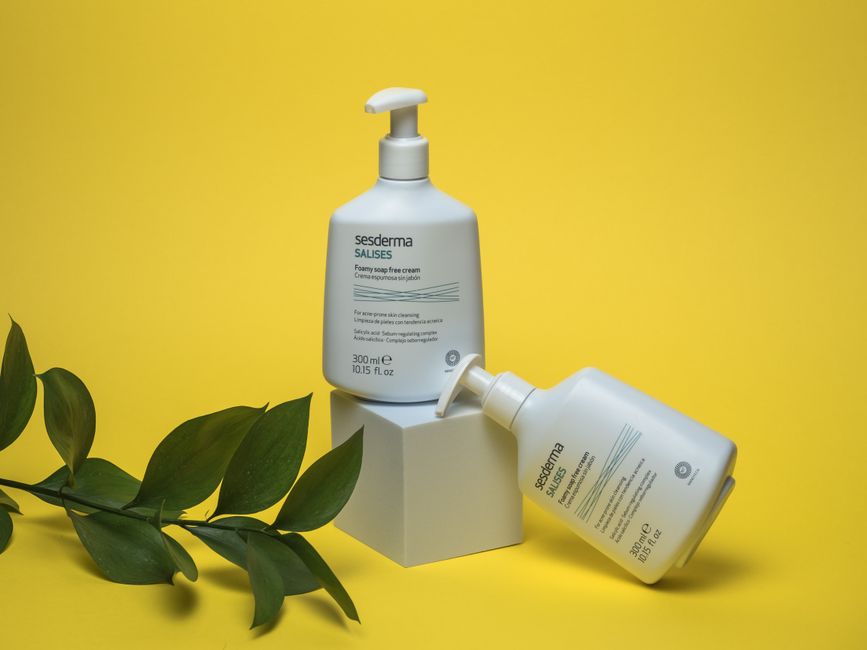
Step 2: The Targeted Evening Salicylic Acid Cleanse
This is where your SA cleanser comes into play. Use it as the second step in your evening routine, after an oil-based cleanser if you wear makeup or heavy sunscreen (we’ll get to double cleansing in a moment).
How to do it:
1. Start with clean hands and a damp face. You don’t want to dilute the SA too much, but you also don’t want to apply it to dry skin, which can increase irritation.
2. Apply a dime-sized amount of your SA cleanser (ideally 0.5% to 1% for daily use, 2% for 2-3 times a week).
3. Gently massage it into your skin for 60 seconds. Focus on areas prone to blackheads and breakouts – nose, chin, forehead. Don’t scrub. Gentle is key.
4. Rinse thoroughly with lukewarm water. Ensure no residue is left behind.
5. Pat dry with a clean, soft towel.
Also worth reading: 10 Best Hydrating Cleansers for Dry Skin
Open loop: We’ll talk about which SA cleansers are best for different skin types in a later section, but for now, remember that consistency with the right product is everything.
Step 3: Hydration and Protection — Always!
After any active cleanser, immediate hydration is non-negotiable. This step is often overlooked by teens, who think “oily skin doesn’t need moisturizer.” Big mistake. Stripping your skin without replenishing moisture can trigger your sebaceous glands to produce more oil, leading to a vicious cycle of breakouts.
What to use: A lightweight, non-comedogenic moisturizer. Look for ingredients like hyaluronic acid, glycerin, niacinamide, or ceramides. In the morning, always follow with a broad-spectrum SPF 30+ sunscreen. Even on cloudy days. Even if you’re just going to school. Sun exposure can worsen post-inflammatory hyperpigmentation (those dark spots left after acne heals).
Before: Maria used a harsh foaming cleanser morning and night, followed by nothing. Her skin was dry, flaky, and still breaking out, often feeling tight and sensitive.
After: Maria adopted the 3-step playbook. Morning: gentle cleanser, lightweight moisturizer, SPF. Evening: gentle oil cleanser (for makeup), 1% SA cleanser (60 seconds), hydrating serum, lightweight moisturizer. Her skin is now less irritated, fewer new breakouts, and existing blackheads are visibly reduced.
| Feature / Routine | Before: Harsh Cleansing | After: 3-Step Playbook 🏆 |
| :————————— | :————————– | :—————————- |
| Morning Cleanser | Harsh foaming cleanser | Gentle, hydrating cleanser ✅ |
| Evening Cleanser | Harsh foaming cleanser | Targeted SA cleanser ✅ |
| SA Cleanser Frequency | Daily (often 2%) | 0.5-1% Daily, or 2% 2-3x/week 🏆 |
| Contact Time (SA) | 15-30 seconds | 60 seconds ✅ |
| Post-Cleanse Hydration | ❌ | Lightweight moisturizer ✅ |
| Sun Protection (AM) | ❌ | SPF 30+ ✅ |
| Skin Barrier Health | Compromised ⚠️ | Supported ✅ |
| Irritation Levels | High ✅ | Low ❌ |
| Blackhead Reduction | Limited ❌ | Significant ✅ |
| Best for: | Quick but ineffective | Sustainable, clear skin |
Key takeaway: A balanced routine with gentle morning cleansing, targeted evening SA, and consistent hydration and SPF is crucial for success.
The 2 Biggest Mistakes Teens Make with BHA Cleansers
Even with the best intentions, it’s easy to stumble when you’re trying to clear up your skin. Here are the two most common errors I see, and how to avoid them.
Mistake 1: Over-Exfoliation — The “More is Better” Trap
You might be thinking, “If salicylic acid is good, then using it more often or at a higher concentration must be even better, right?” Wrong. This is the fastest way to irritate your skin, damage your skin barrier, and actually make your acne worse. Your skin barrier is your body’s protective shield. When it’s compromised, moisture escapes, and irritants and bacteria can get in, leading to redness, flakiness, increased sensitivity, and more breakouts.
“The biggest challenge I see with teenage patients using active ingredients like salicylic acid is over-exfoliation,” states Dr. Anya Sharma, a board-certified dermatologist specializing in adolescent skin, in her 2025 review on acne management. “They often confuse temporary dryness with efficacy, leading them to strip their skin further. A healthy skin barrier is fundamental to clear skin, and aggressive exfoliation actively works against that.”
We’ve seen this fail when teens try to combine a daily 2% SA cleanser with an SA toner, or even worse, an SA spot treatment and a physical scrub. It’s like hitting your skin with a sledgehammer when you need a gentle tap. In 2026, with so many potent products readily available, this mistake is more common than ever.
Cost: Beyond the physical discomfort, over-exfoliation can set your skin back weeks, requiring a complete reset to heal the barrier. This means stopping all actives, using only gentle products, and waiting it out. Who has time for that?
Mistake 2: Ignoring Double Cleansing (Especially with Makeup or Sunscreen)
Have you ever felt like your face still wasn’t truly clean after washing, even with an SA cleanser? If you wear makeup, heavy foundation, or even just a good, resilient sunscreen (which you should be wearing!), a single cleanse often isn’t enough. Salicylic acid is great, but it can’t effectively penetrate pores if there’s a layer of makeup, SPF, and daily grime sitting on top.
What is double cleansing? It’s a two-step process: first, use an oil-based cleanser (an oil cleanser, balm, or micellar water) to break down oil-soluble impurities like makeup, sunscreen, and excess sebum. Then, follow with your water-based cleanser (your SA cleanser or gentle wash) to thoroughly clean your skin. This ensures your pores are truly clear, allowing your SA cleanser to work optimally. If you want to dive deeper into building a comprehensive routine that includes double cleansing, you can learn more about Korean skincare routines, which often champion this method.
Key takeaway: Avoid over-exfoliation by respecting your skin barrier, and always double cleanse if you wear makeup or sunscreen to ensure your SA cleanser can work effectively.
Balancing Act: Hydration and Barrier Support When Using Active Cleansers
Successfully layering salicylic acid cleansers isn’t just about the SA itself; it’s about what you do around it. Your skin needs love and support, especially when you’re using actives. This is where your post-cleanse routine becomes critical.
After you’ve done your SA cleanse, your skin is primed to absorb other beneficial ingredients. This is your window to flood it with hydration and barrier-supporting ingredients.
What to look for in your post-SA products:
- Humectants: Hyaluronic acid, glycerin, urea. These draw moisture from the air into your skin.
- Emollients: Ceramides, fatty acids, cholesterol. These help repair and maintain your skin barrier.
- Occlusives: Petrolatum, squalane, shea butter. These create a seal to prevent moisture loss (use sparingly if you’re very oily).
- Soothing ingredients: Niacinamide, centella asiatica (cica), green tea extract. These help reduce redness and inflammation.
When I first started using SA, I made the mistake of thinking my oily, acne-prone skin didn’t need a heavy moisturizer. I just used a light gel. But my skin still felt tight, and I’d get dry patches. It wasn’t until I incorporated a serum with ceramides before my gel moisturizer that I truly saw a difference in comfort and barrier health. It’s a delicate balance, but totally worth the effort.
Related guide: How to Choose the Right Toner for Acne-Prone
Integrating “Skin Cycling” with SA Cleansers
The concept of “skin cycling” has gained significant traction in 2026, and it’s a fantastic way to incorporate actives like SA cleansers without overwhelming your skin. It’s essentially a nightly routine where you alternate between different active ingredients and recovery nights.
A common skin cycling schedule looks like this:
- Night 1: Exfoliation (SA cleanser night) – Use your SA cleanser, followed by a hydrating serum and moisturizer.
- Night 2: Retinoid Night – A gentle cleanser, then a retinoid (if prescribed or recommended by a professional), followed by moisturizer. (Don’t use SA and retinoids on the same night unless specifically advised by a derm!)
- Night 3 & 4: Recovery Nights – Gentle cleanser, focus purely on hydration and barrier repair with serums, moisturizers, and maybe an occlusive balm. No actives.
This cycle allows your skin to reap the benefits of exfoliation and cell turnover while giving it crucial time to heal and rebuild. It’s a structured approach that prevents the dreaded over-exfoliation we discussed earlier. If you want to skip the manual setup and find products designed for this, many brands now offer curated “skin cycling kits” that simplify the process, often including a gentle SA cleanser, a retinoid, and a barrier repair cream.
Key takeaway: Post-cleansing hydration and barrier support are non-negotiable, and integrating “skin cycling” can help manage actives like SA cleansers effectively.
When to Call a Pro: Knowing Your Limits
While this playbook offers a solid foundation for managing stubborn teenage acne and blackheads with salicylic acid cleansers, there are times when over-the-counter solutions just aren’t enough. Knowing when to escalate to professional help isn’t a sign of failure; it’s a sign of smart self-care.
Here’s a checklist of when it’s time to see a dermatologist:
- [ ] Your acne is painful, deep, cystic, or leaves scars.
- [ ] Over-the-counter treatments (including the SA layering method) haven’t shown significant improvement after 6-8 weeks of consistent use.
- [ ] You experience severe irritation, redness, or burning that doesn’t subside.
- [ ] Your acne significantly impacts your self-esteem or mental health.
- [ ] You suspect your acne might be linked to hormonal issues (e.g., irregular periods, excessive hair growth).
A dermatologist can offer stronger prescription-strength treatments like topical retinoids, oral antibiotics, hormonal therapies, or even isotretinoin (Accutane). They can also assess if there are underlying conditions contributing to your acne. Don’t suffer in silence. These professionals have seen it all, and they have tools far beyond what you can find on a drugstore shelf.
Key takeaway: Don’t hesitate to consult a dermatologist if your acne is severe, painful, scarring, or not responding to consistent over-the-counter efforts.
Frequently Asked Questions
Q: Can I use a salicylic acid cleanser every day for my blackheads?
A: It depends on the concentration and your skin’s tolerance. A 0.5% or 1% salicylic acid cleanser can often be used daily (usually in the evening). For 2% formulations, starting with 2-3 times a week is safer, increasing frequency only if your skin tolerates it well without irritation. Listen to your skin.
Q: What’s the best time of day to use a salicylic acid cleanser?
A: Evening is generally preferred. This allows the SA to work overnight to clear pores and avoids potential photosensitivity during the day, although using sunscreen is still crucial whether you use SA in the morning or evening.
Q: Will salicylic acid cleansers dry out my skin?
A: They can, especially if used too frequently, at high concentrations, or without proper hydration afterward. This is why the “layering” approach emphasizes gentle morning cleansers and robust moisturizing after your evening SA cleanse.
Q: Can I use other acne treatments like benzoyl peroxide with a salicylic acid cleanser?
A: Generally, no, not at the same time. Combining these potent actives can lead to significant irritation and dryness. If you need both, consider alternating them on different days (e.g., SA cleanser on Monday/Wednesday/Friday, Benzoyl Peroxide spot treatment on Tuesday/Thursday/Saturday), or consult a dermatologist for a tailored regimen.
Q: How long does it take to see results from a salicylic acid cleanser?
A: Consistency is key. You might start to see some improvement in blackheads and overall skin texture within 2-4 weeks. Significant reduction in active breakouts and clearer skin often takes 6-8 weeks of consistent, proper use. Don’t give up too soon!
Q: Is this layering method suitable for sensitive skin?
A: This layering method is designed to minimize irritation, but if you have very sensitive skin, you should proceed with extreme caution. Start with the lowest concentration of SA (0.5%), use it only 2-3 times a week, and prioritize gentle, hydrating products. If irritation persists, SA cleansers might not be the best fit for your skin, and you might need to explore other options.
Navigating teenage acne and blackheads can feel like a relentless battle, but with a strategic approach to effectively layering salicylic acid cleansers, you can turn the tide. Remember, consistency, patience, and supporting your skin barrier are just as important as the active ingredients themselves. Take this guide, assess your current routine, and make one small, smart change tonight to start seeing a real difference.