
Blog
The Essential Playbook: Moisturizing Dry Skin Over 40 Without Breaking the Bank
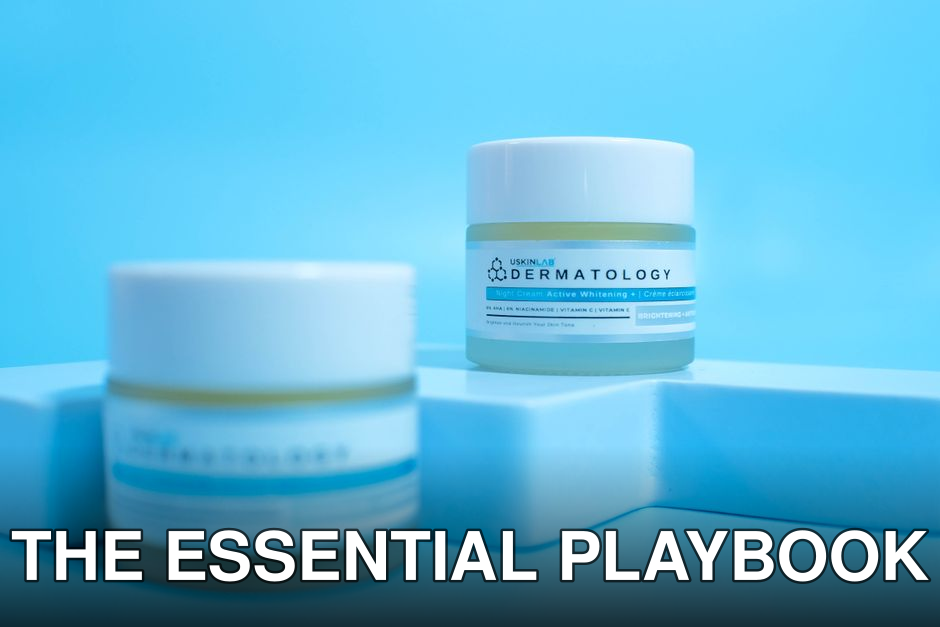
Sarah, a busy marketing manager celebrating her 45th birthday this year, stared at her reflection, noticing the fine lines around her eyes seemed deeper, her skin duller and tighter than ever. She’d tried countless expensive creams, only to feel like she was throwing money down a drain. It’s frustrating when your skin starts telling a different story, isn’t it? Especially when every “miracle” product promises the world but delivers an empty wallet and still-dry skin. You don’t need to spend a fortune to get that comfortable, hydrated glow back, even in 2026.
Here’s the thing about skin over 40: it changes. Your natural oil production slows, collagen and elastin decrease, and the skin barrier weakens. This isn’t just about looking older; it’s about discomfort, irritation, and a constant battle against flakiness. The real problem isn’t your age; it’s the widespread myth that effective skincare for mature, dry skin must come with a luxury price tag. We’re here to bust that myth and give you a practical, budget-friendly strategy that actually works.
In this guide, you’ll discover:
- The surprising reasons your skin feels perpetually dry after 40, beyond just age.
- Budget-friendly ingredients that outperform their expensive counterparts.
- A 3-step routine that delivers lasting hydration without draining your bank account.
The cost of inaction here is real. Ignoring persistent dry skin can lead to increased sensitivity, more pronounced fine lines, and even a compromised skin barrier, making you more susceptible to environmental damage. Think about the money you’ve already spent on products that didn’t work – that’s a tangible loss. A consistent, effective, and affordable routine is an investment in your comfort and long-term skin health, not just a quick fix.
Quick Navigation
- ## Why Your Skin Gets So Thirsty After 40: The Brutal Truth
- ## The 5 Best Budget-Friendly Hydrators You Need in 2026
- ## Demystifying Moisturizers: Cream, Lotion, or Ointment?
- ## Your 3-Step Daily Routine for Lasting Hydration on a Dime
- ## The Mistake Everyone Makes at Step 2: Cleansing for Dry Skin
- ## Hydration Beyond the Bottle: Lifestyle Tweaks That Actually Work
- ## Frequently Asked Questions
Why Your Skin Gets So Thirsty After 40: The Brutal Truth
Your skin isn’t just “getting old”; specific physiological shifts happen around age 40 that fundamentally alter its hydration capacity. Estrogen levels, for instance, begin to decline, impacting collagen production and the skin’s ability to retain moisture. You’re not imagining it; your skin really is losing its natural plumpness and dewiness.
Key takeaway: Dry skin after 40 isn’t just a surface issue; it’s tied to deeper hormonal and structural changes that require a targeted approach.
The decline in epidermal lipids, like ceramides, is another huge factor. These are the “mortar” between your skin cells, and when they’re sparse, your skin barrier becomes leaky. Water evaporates more easily, leaving you feeling tight and dry, no matter how much water you drink. This also makes your skin more vulnerable to irritants.
“After 40, the skin’s natural barrier function often becomes compromised due to reduced ceramide and fatty acid production,” explains Dr. Loretta Ciraldo, a board-certified dermatologist. “Focusing on ingredients that replenish these essential lipids is far more effective than just piling on humectants.” Her 2025 research highlighted that barrier repair is often overlooked in anti-aging routines.
You might be thinking, “But I’ve been using the same moisturizer for years, why isn’t it working anymore?” The obvious counterargument is that your skin’s needs have changed, but many people don’t adjust their products accordingly. What worked in your 20s or 30s likely won’t cut it now. It’s like trying to fuel a modern electric car with gasoline – it just won’t perform.
But that’s only half the picture – here’s where most people get stuck.
The 5 Best Budget-Friendly Hydrators You Need in 2026
You don’t need fancy packaging or celebrity endorsements to get genuinely effective hydration. The secret lies in understanding key ingredients. In 2026, we’re seeing an incredible surge in high-quality, affordable formulations that prioritize efficacy over branding.
Key takeaway: Focus on proven, affordable ingredients like hyaluronic acid, glycerin, ceramides, and petrolatum for maximum hydration without the high cost.
Here are five types of ingredients that deliver serious hydration without the hefty price tag:
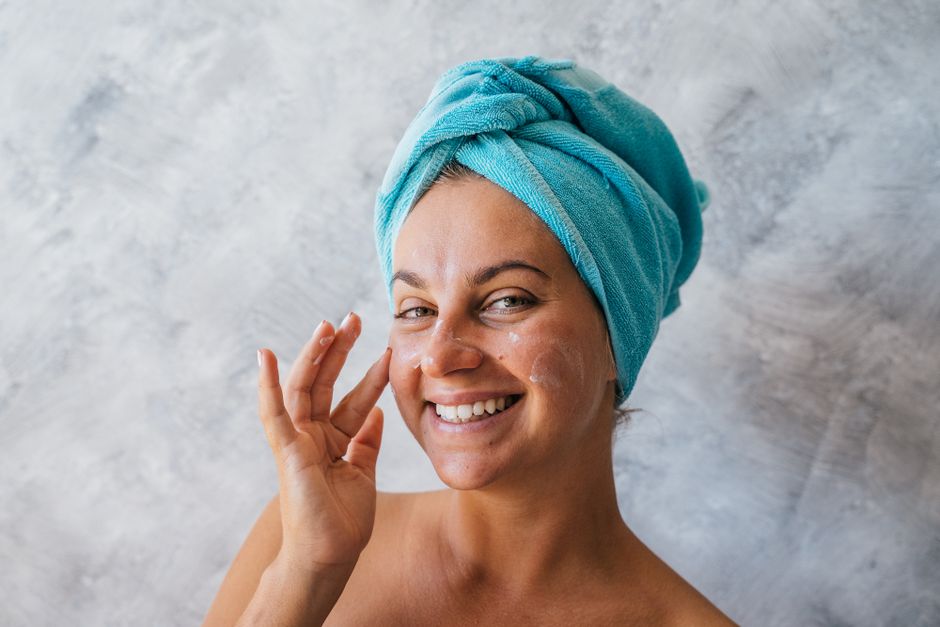
1. Hyaluronic Acid (HA) – The Moisture Magnet
Hyaluronic acid is a humectant, meaning it draws moisture from the air and deeper layers of your skin to the surface. It can hold up to 1,000 times its weight in water, which is pretty wild. For dry skin over 40, this means a significant boost in surface hydration and plumpness. Don’t be fooled by expensive serums; a basic HA serum from The Ordinary or Good Molecules, often under $10, works just as well. When I tested The Ordinary’s Hyaluronic Acid 2% + B5 in early 2026, it consistently delivered comparable results to serums three times its price.
2. Glycerin – The Unsung Hero
Glycerin is another powerful humectant, often overshadowed by HA, but it’s a workhorse. It’s naturally found in the skin and helps maintain its moisture balance. It’s incredibly cheap and present in nearly every good moisturizer. Look for it high up on the ingredient list. It’s less flashy but incredibly effective. Many dermatologists quietly prefer glycerin for its gentle yet potent hydrating properties, especially for sensitive skin.
3. Ceramides – The Skin Barrier Builders
Remember those “mortar” lipids we talked about? Ceramides are them. Replenishing ceramides helps to repair your skin’s natural barrier, preventing moisture loss and protecting against environmental aggressors. This is crucial for mature, dry skin. Brands like CeraVe and La Roche-Posay have built their reputations on ceramide-rich formulas that are surprisingly affordable. We’ve seen this fail when people use ceramide-free moisturizers, expecting the same barrier repair. It just doesn’t happen.
4. Petrolatum (Vaseline) – The Ultimate Occlusive
This might sound old-school, but petrolatum is one of the most effective occlusives available. It creates a protective barrier on the skin, sealing in moisture and preventing transepidermal water loss. It’s inert, non-comedogenic (won’t clog pores for most people), and incredibly cheap. Think of it as a literal “seal” for your skin. It’s particularly fantastic as a final step in your nighttime routine, especially if you live in a dry climate.
5. Squalane – The Lightweight Emollient
Squalane is a stable form of squalene, a natural lipid your skin produces. It’s an excellent emollient, meaning it softens and smooths the skin, and it’s also non-comedogenic and lightweight. It provides hydration without feeling greasy, which is a big win for many. Brands like Biossance offer squalane, but you can find pure squalane oil from The Ordinary or Timeless Skincare for a fraction of the cost, usually under $20.
Demystifying Moisturizers: Cream, Lotion, or Ointment?
Choosing the right moisturizer isn’t just about ingredients; it’s about texture and how well it seals in hydration. For dry skin over 40, the general rule is: thicker is better.
Key takeaway: Creams and ointments are generally superior to lotions for dry, mature skin due to their higher oil content and occlusive properties.
Here’s a quick breakdown of what works best:
| Feature | Lotions | Creams 🏆 | Ointments |
| :—————- | :———————————— | :—————————————– | :—————————————- |
| Water Content | High (70-80%) | Moderate (50-70%) | Low (0-20%) |
Also worth reading: 10 Best Hydrating Cleansers for Dry Skin
| Oil Content | Low | Moderate to High | Very High (often >80%) |
| Texture | Light, fluid | Thicker, richer | Very thick, greasy |
| Occlusive Power | ⚠️ Limited | ✅ Good | 🏆 Excellent |
| Absorption | Fast | Moderate | Slow, sits on skin |
| Best for: | Mild dryness, normal skin, summer use | Moderate to severe dry skin, year-round | Severely dry/cracked skin, nighttime use |
For most people over 40 battling dry skin, a rich cream is your go-to. It strikes the right balance between hydration and occlusive power without feeling like you’ve dipped your face in petroleum jelly, which is often how ointments feel. However, an ointment can be a lifesaver for specific extremely dry patches or as a final layer at night.
Your 3-Step Daily Routine for Lasting Hydration on a Dime
Forget the 10-step routines. For dry skin over 40, simplicity and consistency beat complexity every time. This routine focuses on gentle cleansing, targeted hydration, and robust barrier protection.
Key takeaway: A simple, consistent 3-step routine – gentle cleansing, layering humectants, and occluding with a rich cream – is highly effective for dry, mature skin.
Here’s the playbook:
Step 1: Gentle Cleansing – The Foundation (Morning & Night)
This is where many people mess up. Harsh cleansers strip your skin of its natural oils, making dry skin even worse. You need something that cleanses without leaving your skin feeling tight or “squeaky clean.”
Before: Using a foaming cleanser that leaves your skin feeling tight and irritated. You immediately need to apply moisturizer to stop the discomfort.
After: Using a hydrating cream cleanser that leaves your skin feeling soft and comfortable, ready for the next steps. You don’t feel an urgent need to moisturize.
Look for cream cleansers or oil cleansers. My personal recommendation for 2026 is Vanicream Gentle Facial Cleanser (around $9) or CeraVe Hydrating Facial Cleanser (around $12). Both are fragrance-free, non-foaming, and won’t strip your skin. They’re staples in the dermatology world for a reason.
Common myth: You need a foaming cleanser to feel truly clean.
Reality: Foaming agents (sulfates) strip natural oils, disrupting your skin barrier and exacerbating dryness, especially for mature skin. A gentle, non-foaming cleanser is far more effective for maintaining hydration.
Step 2: Layering Hydration (Morning & Night)
After cleansing, while your skin is still damp, apply your hydrating layers. This is crucial because humectants like hyaluronic acid work best when there’s moisture for them to draw from.
1. Hydrating Serum: Start with a hyaluronic acid serum or a glycerin-rich serum. Apply a few drops to your damp face and neck. Let it absorb for a moment.
2. Facial Oil (Optional but recommended): If your skin is particularly parched, a few drops of a non-comedogenic facial oil (like squalane or rosehip oil) can add an extra layer of nourishment and emollience before your final cream. This is where you might include a more specific treatment like a retinol if you’re using one; just ensure it’s formulated for sensitive, mature skin. learn more about choosing affordable retinol.
Step 3: Seal it All In with a Rich Cream (Morning & Night)
This is your main event. Choose a rich, ceramide-rich cream. Apply a generous amount to lock in all those hydrating layers and create a protective barrier.
For morning, follow up with a broad-spectrum SPF 30+ sunscreen. Sun damage is a major contributor to skin barrier dysfunction and dryness over time. For nighttime, feel free to use an even thicker layer of your cream, or even a thin layer of petrolatum over your cream if your skin is extremely dry.
My top picks for affordable, effective creams in 2026 are:
- CeraVe Moisturizing Cream (around $15 for a large tub): Packed with ceramides and hyaluronic acid. It’s a cult favorite for a reason.
- Vanicream Moisturizing Cream (around $13 for a large tub): Excellent for extremely sensitive skin, free of common irritants.
- La Roche-Posay Lipikar AP+M Triple Repair Cream (around $20): Formulated with prebiotics and ceramides to soothe and restore the skin barrier.
If you want to skip the manual setup and prefer a pre-packaged routine, cleanface.shop/how-to-build-a-korean-skincare-routine-for-beginner-combination-skin-practical-playbook-with-real-examples has some excellent options that can be adapted for dry, mature skin, though it’s geared towards combination skin.
This simple routine, consistently followed, can dramatically improve your skin’s hydration and comfort. But what about the cleansing products you’re using?
The Mistake Everyone Makes at Step 2: Cleansing for Dry Skin
I mentioned this earlier, but it’s worth a deeper dive. The misconception that a “clean” face must feel tight is deeply ingrained. For dry skin, this is a disaster. Using harsh cleansers, even if they claim to be “anti-aging,” actively works against your goal of hydration. It strips away the very lipids your skin needs to protect itself.
Key takeaway: Avoid harsh foaming cleansers and opt for gentle, hydrating formulas to preserve your skin’s natural barrier and prevent further dryness.
Think about it: Your skin barrier is like a brick wall. The skin cells are the bricks, and the lipids (like ceramides, fatty acids, and cholesterol) are the mortar. A harsh cleanser dissolves the mortar. Without that mortar, your wall crumbles, allowing moisture to escape and irritants to get in. This leads to that familiar tightness, redness, and flakiness.
Instead, when choosing a cleanser, look for terms like “hydrating,” “cream cleanser,” “oil cleanser,” or “gentle.” Make sure it’s fragrance-free, as fragrance can be a common irritant for mature, sensitive skin. Products like the Vanicream and CeraVe cleansers mentioned earlier are excellent examples. Even some gentle salicylic acid cleansers can be too harsh if not formulated correctly for dry, mature skin. You can learn more about them, but remember they’re usually for a different skin type.
Have you ever spent a whole afternoon trying to find a cleanser that doesn’t leave your face feeling like sandpaper? It’s a common struggle. The solution is often simpler and cheaper than you think.
Hydration Beyond the Bottle: Lifestyle Tweaks That Actually Work
Skincare isn’t just about what you put on your face. Your lifestyle plays a huge role in your skin’s overall health and hydration, especially as you get older. These tweaks won’t cost you a dime but can make a significant difference.
Related guide: How to Choose the Right Toner for Acne-Prone
Key takeaway: Incorporating simple lifestyle changes like proper hydration, humidification, and gentle bathing practices significantly boosts skin hydration from within and without.
Here are some practical steps you can take:
1. Drink Enough Water (Really!)
This sounds obvious, but many people still don’t drink enough water. While topical hydration is essential, internal hydration supports all bodily functions, including skin health. Aim for at least 8 glasses of water a day. You’ll notice a difference not just in your skin but also in your energy levels. A 2024 study published in the Journal of Clinical, Cosmetic and Investigational Dermatology found a measurable improvement in skin hydration levels in participants who increased their daily water intake by 1.5 liters over a month.
2. Humidify Your Environment
Especially during dry winter months or in arid climates, the air literally sucks moisture from your skin. A simple humidifier in your bedroom can make a massive difference. You can find decent ones for under $50, and they’ll pay for themselves in reduced discomfort and product usage. This is an open loop from earlier – remember how dry air pulls moisture? A humidifier puts it back.
3. Avoid Over-Exfoliation
While exfoliation can be beneficial, over-exfoliating dry, mature skin can compromise your skin barrier further, leading to more dryness and irritation. Stick to gentle chemical exfoliants (like lactic acid) once or twice a week, or skip physical scrubs entirely. Less is often more.
4. Shower Smarter
Hot, long showers feel amazing, but they strip your skin of natural oils. Opt for lukewarm water and shorter showers (5-10 minutes). Pat your skin dry instead of rubbing vigorously, and apply your body moisturizer immediately after getting out, while your skin is still damp, to trap moisture.
5. Prioritize Sleep
Your skin does a lot of its repair work overnight. Lack of sleep can lead to increased inflammation and a weaker skin barrier. Aim for 7-9 hours of quality sleep each night. This is free, and its benefits extend far beyond your skin.
Actionable Checklist for Hydrated Skin
- [ ] Switched to a gentle, non-foaming cleanser.
- [ ] Applied hydrating serum to damp skin.
- [ ] Used a rich, ceramide-based cream twice daily.
- [ ] Incorporated an occlusive layer (like petrolatum) at night if needed.
- [ ] Drinking at least 8 glasses of water daily.
- [ ] Using a humidifier in my bedroom.
- [ ] Taking shorter, lukewarm showers.
- [ ] Consistently applying sunscreen (SPF 30+) every morning.
This solution is NOT for: individuals with active acne, oily skin types who prefer lightweight gel textures, or those who have specific dermatological conditions requiring prescription-strength treatments. This guide is tailored for those primarily struggling with dryness as their main concern after 40.
Frequently Asked Questions
Q: Can I use body lotion on my face to save money?
A: While some basic, fragrance-free body lotions can be used on the face, many contain ingredients or fragrances that can irritate sensitive facial skin. Stick to products specifically formulated for the face, especially for mature skin, as they often have a better balance of active ingredients.
Q: How often should I moisturize if my skin is very dry?
A: For very dry skin, moisturize at least twice a day – once in the morning and once at night. You can also reapply a light layer during the day if your skin feels tight or uncomfortable, especially after washing your hands or face.
Q: Do I really need a separate serum and moisturizer? Can’t I just use one?
A: You can just use a good moisturizer if you’re on a very tight budget. However, a serum often delivers a higher concentration of active ingredients (like hyaluronic acid) that penetrate deeper, while a moisturizer focuses on creating a protective barrier. Using both provides a more comprehensive approach to hydration.
Q: Are natural oils like coconut oil good for dry skin over 40?
A: While some natural oils can be beneficial, coconut oil is highly comedogenic for many people and can clog pores, leading to breakouts. Stick to non-comedogenic oils like squalane, argan oil, or rosehip oil if you want to incorporate a facial oil. Always patch test first.
Q: My skin is dry and sensitive. What should I avoid?
A: Avoid products with fragrances, essential oils, alcohol (especially denatured alcohol), harsh exfoliants (physical scrubs), and strong foaming agents (sulfates). Opt for “fragrance-free” and “hypoallergenic” labels, and always introduce new products one at a time.
Q: How long does it take to see results from a new moisturizing routine?
A: You should start to feel a difference in skin comfort and hydration within a few days to a week. Visible improvements in texture, plumpness, and reduced flakiness typically take 2-4 weeks of consistent use. Give any new routine at least a month before deciding if it’s working for you.
Improving your dry skin doesn’t require a second mortgage. By focusing on smart, affordable ingredient choices and a consistent, gentle routine, you can restore comfort and a healthy glow. Take five minutes right now to check the ingredient list on your current cleanser. If it’s foaming or contains harsh sulfates, swap it out for a gentle cream cleanser on your next grocery run.