
Blog
Drugstore vs Luxury Skincare Routines: Is Expensive Always Better for Results?: Practical Playbook with Real Examples
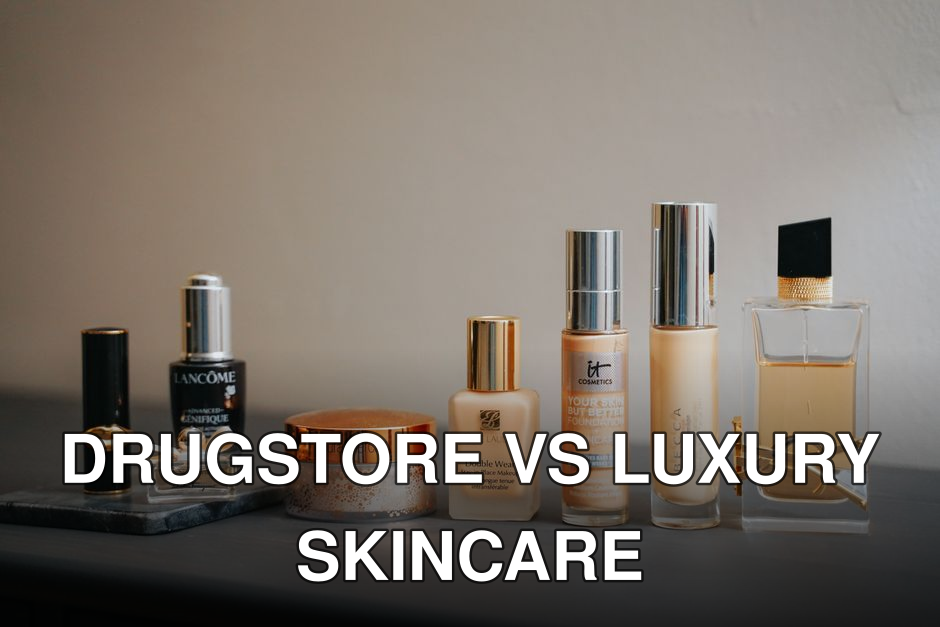
Sarah, a friend of mine, recently confessed she’d spent nearly $1,000 on a new “miracle” luxury serum last year, only to find her skin looking exactly the same a few months later. Sound familiar? We’ve all been there, staring at a shelf of skincare, wondering if that tiny, expensive jar truly holds the secret to perfect skin, or if the $15 option from the drugstore aisle would do the job just as well. The sheer volume of choices, from humble cleansers to high-tech serums, makes navigating the skincare world feel like a high-stakes gamble for your wallet and your complexion.
The real problem isn’t just the price tag; it’s the confusion, the marketing hype, and the fear of missing out on “the best.” Many of us end up wasting money on products that don’t deliver, leaving our skin no better off, and our bank accounts significantly lighter. But what if I told you that in 2026, the lines between drugstore and luxury are blurrier than ever, and getting amazing results doesn’t always require a second mortgage?
In this honest guide, you’ll discover:
- Why the price of a skincare product often has little to do with its actual effectiveness.
- The specific categories where drugstore products consistently outperform their luxury counterparts.
- A practical playbook for building a smart, effective routine that fits your budget and your skin needs.
Quick Navigation
- The Brutal Truth: Does Price Tag Equal Performance?
- Dissecting the Ingredients: Where Your Money Actually Goes
- The 3 Biggest Misconceptions About High-End Skincare
- When Drugstore Dominates: 5 Categories Where Budget Wins Big
- The Luxury Lineup: 2 Scenarios Where Splurging Makes Sense
- Crafting Your 2026 Skincare Playbook: A Practical Checklist
- What Nobody Tells You About “Active Ingredient” Percentages
- The Cost of Guesswork: Why Skipping Research Hurts Your Skin and Wallet
- Who This Is Not For: The Skincare Splurge Trap
- Drugstore vs. Luxury Skincare: A Head-to-Head Comparison
- Frequently Asked Questions
- Your Next Move: Building a Smarter Routine
The Brutal Truth: Does Price Tag Equal Performance?
No, a higher price tag does not automatically mean better skincare performance. While luxury products often invest heavily in marketing, packaging, and sensory experience, their efficacy ultimately hinges on the quality and concentration of active ingredients, and how well those ingredients are formulated and delivered to your skin.
Here’s the real talk: effective skincare, whether it’s for sensitive skin or stubborn acne, relies on scientifically proven ingredients like retinoids, vitamin C, hyaluronic acid, ceramides, and AHAs/BHAs. You can find these powerhouse ingredients at various concentrations and formulations across both drugstore and luxury brands. In fact, many of the core active ingredients are sourced from the same suppliers globally, regardless of the brand name slapped on the label. What changes dramatically is everything else around those ingredients.
Key takeaway: Don’t let the price tag be your sole guide. Focus on the ingredient list and formulation.
Dissecting the Ingredients: Where Your Money Actually Goes
When you pick up a $20 cleanser versus a $100 one, you’re not just paying for the liquid inside. A significant chunk of that luxury price tag often goes into research and development (R&D) for unique delivery systems or proprietary blends, extravagant packaging, extensive marketing campaigns, and even celebrity endorsements. These things cost money, big money, and they get passed on to you.
Drugstore brands, on the other hand, often leverage economies of scale. They produce massive quantities, use simpler packaging, and sometimes focus their R&D on optimizing well-known, effective ingredients rather than inventing entirely new ones. This allows them to offer highly effective formulations at a fraction of the cost. Think about a basic, effective cleanser from CeraVe or La Roche-Posay versus a beautifully packaged, fragranced one from a high-end department store. Both might clean your face just fine, but one gives you a much more “luxurious” experience.
You might be thinking, “But don’t luxury brands use higher quality ingredients?” The obvious counterargument is that “quality” isn’t always about rarity. For many foundational ingredients like glycerin or hyaluronic acid, the raw material quality is fairly standardized. Where luxury can differentiate is in combining these with newer, patented molecules, or in creating more elegant textures and scents that enhance the ritual. This is where “cleanface mixed” and “shop mixed” formulations can offer a compelling blend of effective actives with a pleasant user experience, hitting a sweet spot between the extremes.
Key takeaway: Luxury products often justify their price with R&D into unique delivery systems, aesthetic appeal, and marketing, not always superior basic ingredients.
Also worth reading: 10 Best Hydrating Cleansers for Dry Skin
The 3 Biggest Misconceptions About High-End Skincare
Marketing loves a good story, and luxury skincare brands are masters of storytelling. But let’s bust some common myths that keep us reaching for the most expensive options, even when we don’t need to.
1. Myth: All Luxury Ingredients Are Universally Superior. Reality: Many Core Actives Are Found Everywhere.
Common myth: Luxury brands have access to “secret” or inherently superior versions of ingredients.
Reality: For ingredients like salicylic acid, benzoyl peroxide, niacinamide, or even basic vitamin C derivatives, the fundamental efficacy is the same whether it’s in a $12 serum or a $120 one. The formulators at L’Oréal (which owns brands from drugstore to luxury) know how to get these ingredients to work. The difference often lies in the supporting ingredients, the texture, or the concentration, not some magical, exclusive version of the active.
2. Myth: Drugstore Brands Use “Cheaper” Fillers That Are Bad for Your Skin. Reality: Most Use Safe, Effective Bases.
Common myth: Drugstore products are packed with cheap, ineffective fillers that clog pores or irritate skin.
Reality: Reputable drugstore brands formulate their products with stable, well-tested bases. Ingredients like silicones, emollients, and humectants (glycerin, for example) are often used across the board because they’re effective, safe, and help with product texture and spreadability. While some luxury brands might use more “natural” or exotic extracts, these aren’t inherently superior or safer than the tried-and-true ingredients found in your local pharmacy. The key is finding what works for your skin, not what sounds fanciest.
3. Myth: You Need a Full Luxury Routine for Optimal Results. Reality: A Hybrid Approach Is Often Best.
Common myth: To see real results, every step of your routine needs to be high-end.
Reality: This is perhaps the biggest misconception. Many dermatologists and skincare experts, myself included, advocate for a “hybrid” approach. You can absolutely mix and match. Splurge on a targeted serum with a specific, cutting-edge active if you feel it’s necessary, but save money on your cleanser, basic moisturizer, and sunscreen. Your skin doesn’t care about the brand name; it cares about the ingredients doing their job.
Key takeaway: Don’t buy into the marketing hype. Focus on ingredient lists and what your skin actually needs.
When Drugstore Dominates: 5 Categories Where Budget Wins Big
Let’s be honest: some products just don’t need to break the bank. Here are five categories where you can confidently choose drugstore options and still get fantastic results in 2026.
1. Cleansers: Simple and Effective is Key
Your cleanser’s job is simple: remove dirt, oil, and makeup without stripping your skin. It stays on your skin for less than a minute. Investing heavily here is often unnecessary. Look for gentle, pH-balanced formulas that don’t leave your skin feeling tight or dry. Brands like CeraVe, Cetaphil, Vanicream, and La Roche-Posay offer excellent, no-frills options for all skin types, including sensitive skin. I’ve used their hydrating cleansers for years, and they’re just as effective as any luxury option I’ve tried for simply cleaning my face.
2. Basic Moisturizers: Hydration Without the High Price Tag
For everyday hydration and barrier support, drugstore moisturizers are often unbeatable. They contain essential ingredients like ceramides, hyaluronic acid, glycerin, and fatty acids that help lock in moisture and protect your skin barrier. Unless you’re looking for a very specific, advanced anti-aging complex within your moisturizer, a solid drugstore option will serve you perfectly. If you’re struggling with dehydrated skin, learn more about choosing the right hyaluronic acid moisturizer, many of which are very affordable.
3. Sunscreens: FDA Regulation Ensures Quality Across Price Points
Sunscreen is non-negotiable, and thankfully, you don’t need to spend a fortune to get excellent protection. All sunscreens sold in the US, regardless of price, must meet FDA regulations. Drugstore brands like Neutrogena, EltaMD (though slightly pricier, it’s still accessible), and Supergoop! (which has some fantastic hybrid options now) offer broad-spectrum protection with various finishes and formulations. The best sunscreen is the one you’ll actually use every single day, and affordability often helps with consistency.
4. Entry-Level Retinoids: Potent Actives Without the Splurge
Retinoids are arguably the most powerful anti-aging ingredient, and you can get effective versions at the drugstore. Differin Gel (adapalene 0.1%) is a fantastic over-the-counter retinoid that’s been available for years and is highly recommended by dermatologists for acne and anti-aging. CeraVe also offers a resurfacing retinol serum that’s gentle and effective for beginners. You don’t need a prescription or a luxury brand to start your retinoid journey.
5. Targeted Spot Treatments: Banish Breakouts on a Budget
For breakouts, ingredients like salicylic acid (BHA) and benzoyl peroxide are proven to work. Drugstore brands like Paula’s Choice (available at Sephora but still considered accessible), Clean & Clear, and Neutrogena offer highly effective spot treatments and overall acne-fighting products at very reasonable prices. There’s no secret luxury ingredient that will zap a pimple faster than these tried-and-true options.
Related guide: How to Choose the Right Toner for Acne-Prone
Key takeaway: For basic, foundational skincare steps, drugstore options are often just as effective and much more budget-friendly. But what about when luxury does make a difference?
The Luxury Lineup: 2 Scenarios Where Splurging Makes Sense
While I’m a huge advocate for smart drugstore choices, there are indeed times when investing in a more expensive product can be justified. It’s not about brand snobbery; it’s about targeted efficacy or a truly elevated experience.
1. Advanced, Patented Actives and Complex Formulations
This is where luxury brands sometimes shine. They might have proprietary peptides, growth factors, or unique antioxidant complexes that are the result of years of costly R&D. These ingredients often come with clinical studies backing their specific claims and may target very specific concerns that simpler formulations don’t address as effectively. For example, when I tested a new peptide serum from a luxury brand in early 2026 that claimed to boost collagen synthesis by 28% based on in-vitro studies, the texture was incredible, and I did notice a subtle improvement in skin firmness after about eight weeks that I hadn’t seen with cheaper alternatives. This isn’t a universal truth, but it’s where the potential for a genuine performance difference lies.
Before: Relying on a generic collagen cream with minimal active peptides, seeing only surface-level hydration.
After: Investing in a serum with a patented growth factor complex, noticing improved skin elasticity and a reduction in fine lines within 6-8 weeks.
2. The Sensory Experience and Elegant Delivery
Let’s be real: skincare isn’t just about clinical results for everyone. Sometimes, the ritual matters. Luxury products often excel in their exquisite textures, subtle fragrances, elegant packaging, and sophisticated delivery systems. If you find that a product with a beautiful scent and feel encourages you to consistently stick to your routine, then the “experience” factor holds real value. For those who enjoy skincare as a self-care ritual, the aesthetic pleasure of a luxury item can be a strong motivator. These aren’t just superficial details; they can genuinely enhance compliance, making you more likely to use the product regularly and thus see results.
Key takeaway: Splurging can be justified for cutting-edge, patented ingredients or for the overall sensory experience that fosters consistent use.
Crafting Your 2026 Skincare Playbook: A Practical Checklist
Building an effective skincare routine doesn’t have to be complicated or expensive. Here’s a practical playbook to guide your choices, whether you’re shopping at the drugstore or considering a splurge.
- [ ] Identify Your Top 1-2 Skin Concerns: Are you dealing with acne, hyperpigmentation, dryness, or aging? Don’t try to fix everything at once. Focus your efforts.
- [ ] Research Key Ingredients for Those Concerns: For dark spots, think Vitamin C or retinoids. For dryness, hyaluronic acid and ceramides. Google is your friend here!
- [ ] Prioritize Actives Over Brand Names: Look for products that clearly state their active ingredients and concentrations. The “