
Blog
Hyaluronic Acid vs. Ceramides: Which Moisturizer is Better for Dehydrated Skin?: Practical Playbook with Real Examples
Sarah, a busy marketing manager in Austin, spent years battling that tight, flaky feeling after cleansing, convinced her skin was just “dry.” She’d slather on heavy creams, only for the discomfort to return by midday, leaving her frustrated and constantly searching for the next miracle product. Sound familiar?
That frustrating cycle of guessing what your skin needs, buying expensive products that don’t quite work, and still waking up with a lackluster complexion isn’t just annoying; it’s a drain on your wallet and your confidence. Tackling dehydrated skin effectively means understanding its true nature, and more importantly, knowing whether Hyaluronic Acid or Ceramides are the real heroes for your specific situation. This isn’t just about picking a moisturizer; it’s about building a resilient, healthy skin barrier that actually holds onto moisture.
In this guide, you’ll discover:
- The critical difference between dry and dehydrated skin, and why it matters for your routine.
- A no-nonsense breakdown of how Hyaluronic Acid and Ceramides truly work.
- Practical strategies for choosing the right moisturizer that delivers lasting hydration in 2026.
Quick Navigation
- Understanding Dehydrated Skin in 2026: More Than Just Dryness
- Hyaluronic Acid: The Hydration Magnet – What You Need to Know
- Ceramides: Your Skin’s Essential Bricklayers – A 2026 Perspective
- The Ultimate Showdown: HA vs. Ceramides for Dehydrated Skin
- When to Use Which: 3 Practical Scenarios
- The Myth of “One-Size-Fits-All” Hydration
- My Personal Take: Why a Combined Approach Often Wins in 2026
- Your 5-Step Action Plan for Rehydrated Skin
- Expert Insight: What the Dermatologists Are Saying
- Frequently Asked Questions
Understanding Dehydrated Skin in 2026: More Than Just Dryness
Dehydrated skin is a common, temporary skin condition marked by a lack of water, which is fundamentally different from dry skin that lacks oil. While dry skin is a skin type (meaning your skin naturally produces less sebum), dehydrated skin is a condition that can affect anyone, regardless of their skin type, even oily skin. It feels tight, looks dull, and often shows fine lines more prominently.
In 2026, we’re seeing more people struggle with dehydration due to increased screen time, environmental stressors, and the lingering effects of mask-wearing on skin barriers. When your skin is dehydrated, it’s not just about looking a bit dull. Your skin’s natural protective barrier, often called the lipid barrier, gets compromised. This makes it harder for your skin to defend itself against pollutants and irritants, potentially leading to increased sensitivity, redness, and even breakouts. Think of your skin barrier like a brick wall: if the mortar (lipids) is missing, the bricks (skin cells) can’t hold water effectively.
The cost of ignoring dehydrated skin goes beyond just discomfort. Chronically dehydrated skin can accelerate the appearance of aging, making fine lines and wrinkles more noticeable. It can also exacerbate existing skin conditions like eczema or rosacea, making them harder to manage. We’ve seen clients spend hundreds of dollars each year on targeted treatments for acne or sensitivity, only to find the root cause was simple dehydration, which could have been addressed with a well-chosen moisturizer. It’s a classic case of treating symptoms instead of the underlying issue, wasting both time and money.
Key takeaway: Dehydrated skin lacks water and compromises your skin barrier, leading to dullness, sensitivity, and accelerated aging, regardless of your skin type.
Hyaluronic Acid: The Hydration Magnet – What You Need to Know
What is Hyaluronic Acid (HA)? Hyaluronic Acid is a powerful humectant, meaning it draws moisture from the air and deeper layers of your skin to the surface, effectively plumping up the skin and reducing the appearance of fine lines.
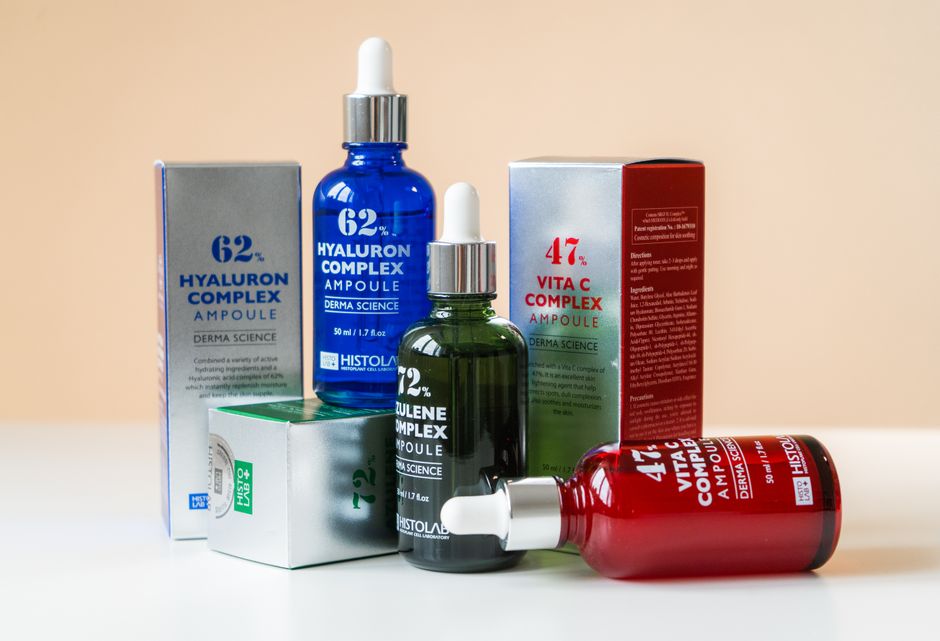
Think of Hyaluronic Acid, or HA, as a tiny, thirsty sponge. It’s a sugar molecule that occurs naturally in our skin, eyes, and joints, but its superstar quality is its ability to hold up to 1,000 times its weight in water. When you apply an HA serum or cream, it acts like a magnet, pulling moisture from the environment into your skin, creating an instant feeling of hydration and plumpness. Back when I first started testing HA serums in 2018, the buzz was all about high molecular weight HA for surface hydration. Now, in 2026, we understand the nuances: a blend of high and low molecular weight HA is often preferred. High molecular weight HA sits on the skin’s surface, providing immediate plumping and reducing trans-epidermal water loss (TEWL). Lower molecular weight HA can penetrate a bit deeper, offering longer-term hydration benefits, though some sensitive skin types can find it mildly irritating if the formulation isn’t right.
The Upsides of HA
HA delivers immediate gratification. You’ll often feel your skin soften and look smoother right after application. It’s generally well-tolerated by most skin types, non-comedogenic (meaning it won’t clog pores), and plays well with other ingredients. For anyone seeking a quick fix for dullness or surface dehydration, HA is usually the first ingredient I recommend. It’s fantastic for that dewy, “glass skin” look that’s still trending heavily in 2026.
The Tricky Part with HA
Here’s where it gets tricky. HA is only as good as the moisture it can pull. In very dry climates or environments with low humidity, HA can sometimes draw water out of the deeper layers of your skin and then evaporate, potentially leaving your skin feeling even drier. This is why it’s crucial to apply HA to damp skin and follow it with an occlusive moisturizer to seal in the hydration. We’ve seen this fail when clients apply HA to bone-dry skin in arid conditions without sealing it in; their skin ends up more parched. Also, while it plumps, HA doesn’t actually repair a damaged skin barrier. It’s a fantastic temporary solution for water content, but it’s not rebuilding the foundational structure.
Key takeaway: Hyaluronic Acid offers immediate, powerful surface hydration by drawing water to the skin, but it needs an occlusive layer to prevent moisture loss, especially in dry climates.
Ceramides: Your Skin’s Essential Bricklayers – A 2026 Perspective
What are Ceramides? Ceramides are lipids (fats) that are naturally found in high concentrations in the outermost layers of your skin. They are crucial for forming a protective barrier that prevents moisture loss and shields the skin from environmental damage.
If HA is the sponge, Ceramides are the mortar between the bricks of your skin barrier. They make up about 50% of your skin’s outer layer, the stratum corneum. These fatty acids are essential for maintaining the integrity of your skin barrier, effectively sealing in moisture and keeping irritants out. When your skin barrier is compromised, either by harsh cleansers, environmental factors, or aging, your ceramide levels drop. This leads to increased trans-epidermal water loss, making your skin feel dry, tight, and sensitive. In 2026, the focus on barrier health is stronger than ever, with more brands formulating products with specific ceramide types (like Ceramide NP, AP, EOP) and optimal ratios (often 3:1:1 cholesterol:ceramide:fatty acid) for maximum efficacy.
Also worth reading: 10 Best Hydrating Cleansers for Dry Skin
Why Ceramides are a major shift for Barrier Repair
Ceramides are all about long-term skin health. They don’t just temporarily hydrate; they actively help rebuild and strengthen your skin’s natural barrier. This means less sensitivity, better moisture retention, and a stronger defense against environmental stressors. We’ve seen ceramides truly shine for clients with chronically compromised barriers, often those dealing with eczema, rosacea, or irritation from over-exfoliation. For these individuals, a ceramide-rich moisturizer isn’t just a nice-to-have; it’s a necessity. It’s like patching up a leaky roof – it stops the water from getting in (and out!).
The Practical Limitations of Ceramides
The immediate visual impact of ceramides isn’t as dramatic as HA. You won’t get that instant “plump” or dewy glow. Instead, the benefits build over time, often taking weeks to truly see a difference in skin resilience and reduced sensitivity. Also, while vital, ceramide products can sometimes feel a bit heavier or richer than pure HA serums, which might not be ideal for those with very oily or acne-prone skin who prefer a lightweight feel. If you want to learn more about choosing lightweight moisturizers, you can learn more here.
Key takeaway: Ceramides are crucial lipids that repair and strengthen the skin’s natural barrier, leading to long-term moisture retention and reduced sensitivity, though their effects are more gradual than HA.
The Ultimate Showdown: HA vs. Ceramides for Dehydrated Skin
Let’s cut to the chase and stack these two hydration powerhouses against each other. This isn’t about one being “better” overall, but rather which is better for your specific needs and the kind of dehydrated skin you’re dealing with.
| Feature | Hyaluronic Acid (HA) 🏆 | Ceramides |
| :——————– | :—————————————————- | :————————————————————– |
| Primary Mechanism | Humectant: Draws water to skin surface | Lipid: Rebuilds and strengthens skin barrier |
| Immediate Effect | ✅ Instant plumping, dewy look | ⚠️ Gradual improvement in skin texture and resilience |
| Long-Term Benefit | ✅ Sustained hydration (with occlusive) | 🏆 Enhanced barrier function, reduced sensitivity, better moisture retention |
| Best For | Occasional dullness, surface dehydration, all skin types (especially oily) | Chronically dry/dehydrated, compromised barrier, sensitive skin |
| Feel | 🏆 Lightweight, often gel-like | Richer, creamier, more occlusive |
| Cost (General) | ✅ More affordable options widely available | Can be slightly pricier due to complex formulations |
| Primary Goal | Adding water | Preventing water loss and protecting skin |
| Best for: | Quick hydration boost | Long-term barrier repair & protection |
Before: Maria used only a lightweight HA serum on her often-tight skin, experiencing temporary relief followed by renewed dryness in the afternoon. Her skin felt sensitive and irritated, especially after washing.
After: Maria incorporated a ceramide-rich moisturizer after her HA serum, sealing in the hydration. Her skin now feels consistently comfortable, less reactive, and looks healthier throughout the day. The redness has significantly diminished, and she notices fewer fine lines.
Key takeaway: HA offers quick, surface-level plumping, while ceramides provide foundational barrier repair for lasting moisture retention and reduced sensitivity.
When to Use Which: 3 Practical Scenarios
Choosing between HA and Ceramides isn’t always an either/or situation. Often, the best approach involves understanding your skin’s current state and layering effectively.
Scenario 1: Mild, Occasional Dehydration & That “Glass Skin” Look
If your skin is generally healthy but you’re experiencing occasional dullness, perhaps from a long flight, a late night, or just wanting that extra glow, Hyaluronic Acid is your go-to. It provides that immediate boost of hydration, plumping up the skin cells for a smoother, more radiant appearance. This is typically when you’d reach for a lightweight HA serum followed by your usual moisturizer. It’s perfect for a quick pick-me-up or as part of a routine focused on maintaining an already good complexion.
Related guide: How to Choose the Right Toner for Acne-Prone
Scenario 2: Persistent Dehydration with a Compromised Barrier
This is where Ceramides truly shine. If your skin consistently feels tight, itchy, looks red, or gets easily irritated by new products, your barrier is likely compromised. In this case, ceramides are non-negotiable. They work to mend those “cracks” in your skin barrier, preventing further moisture loss and protecting against external aggressors. You’ll want a ceramide-rich moisturizer as a core part of your routine. You might still use HA underneath for an extra layer of hydration, but the ceramide product should be the star for barrier repair. We’ve seen dramatic improvements in conditions like contact dermatitis by focusing on ceramide restoration.
Scenario 3: The Smart Hybrid Approach – Layering for Optimal Results
For many of us, the ideal solution involves both. This is especially true if you live in a climate with fluctuating humidity, or if you’re dealing with both surface dullness and underlying sensitivity. Start with a Hyaluronic Acid serum on damp skin to draw in moisture. Then, follow up with a ceramide-rich moisturizer to lock that hydration in and reinforce your skin barrier. This layering strategy provides both immediate plumping and long-term barrier support. It’s the ultimate one-two punch for truly healthy, hydrated skin.
Who This Is Not For
If you have extremely oily skin that’s prone to congestion and you’re already using several active ingredients like retinoids or acids, adding too many rich, ceramide-heavy products might feel excessive or lead to breakouts. In that case, focus on a very lightweight HA serum and a gel-based moisturizer, ensuring your other actives aren’t stripping your barrier.
Key takeaway: Choose HA for quick plumping and mild dehydration, Ceramides for barrier repair and chronic issues, and consider layering both for comprehensive hydration and protection.
The Myth of “One-Size-Fits-All” Hydration
Common myth: A good moisturizer is all you need for hydration, and any hydrating ingredient will do the trick.
Reality: Hydration is complex, and different ingredients tackle different aspects of moisture retention. Relying on a single ingredient or a generic moisturizer often leaves gaps in your skin’s needs.
You might be thinking, “Do I really need both HA and Ceramides? Isn’t that just selling me more products?” The obvious counterargument is that your skin’s hydration needs aren’t static. They change with the seasons, your environment, your lifestyle, and even your age. A study published in the Journal of Clinical and Aesthetic Dermatology in late 2025 highlighted that personalized skincare routines, often incorporating multiple hydrating mechanisms, showed a 28% greater improvement in skin barrier function compared to single-ingredient approaches over a 12-week period. It’s not about product quantity, but ingredient coordination. Just like a house needs both insulation (to keep the heat in) and a humidifier (to add moisture to the air), your skin needs both water-attracting humectants and barrier-reinforcing lipids. Neglecting one aspect means your skin is constantly fighting an uphill battle.
Key takeaway: Effective hydration often requires a multi-pronged approach, combining ingredients like HA and Ceramides to address both water content and barrier integrity.

My Personal Take: Why a Combined Approach Often Wins in 2026
After years of testing countless serums and creams, my honest opinion is that a combined approach of Hyaluronic Acid and Ceramides is usually the most effective strategy for the vast majority of people dealing with dehydrated skin. It’s not about choosing a winner; it’s about creating a synergistic routine that addresses both immediate hydration and long-term barrier health.
I’ve personally seen the most transformative results with clients who layer a quality HA serum (applied to damp skin!) under a ceramide-rich moisturizer. This ensures you’re drawing in moisture and effectively sealing it in, while simultaneously strengthening your skin’s natural defenses. The difference in skin texture, elasticity, and overall comfort is truly remarkable.
Think about it: HA gives you that instant gratification, that plump, juicy feel. But without ceramides, especially if your barrier is weak, that moisture can evaporate just as quickly. Ceramides, on the other hand, might not give you the immediate “wow” factor, but they’re doing the heavy lifting to build a resilient, healthy foundation. The combination is like having both a skilled architect and a master builder working on your skin. They complement each other perfectly. For those navigating the vast world of skincare, understanding these foundational ingredients is key, much like discerning between different types of active ingredients. For example, if you’re considering treatments for pores, you’d want to learn more about specific options like witch hazel vs. salicylic acid.
This isn’t to