
Blog
Drugstore Cleansers vs Luxury Cleansers: Which is Better for Your Skin?: Practical Playbook with Real Examples
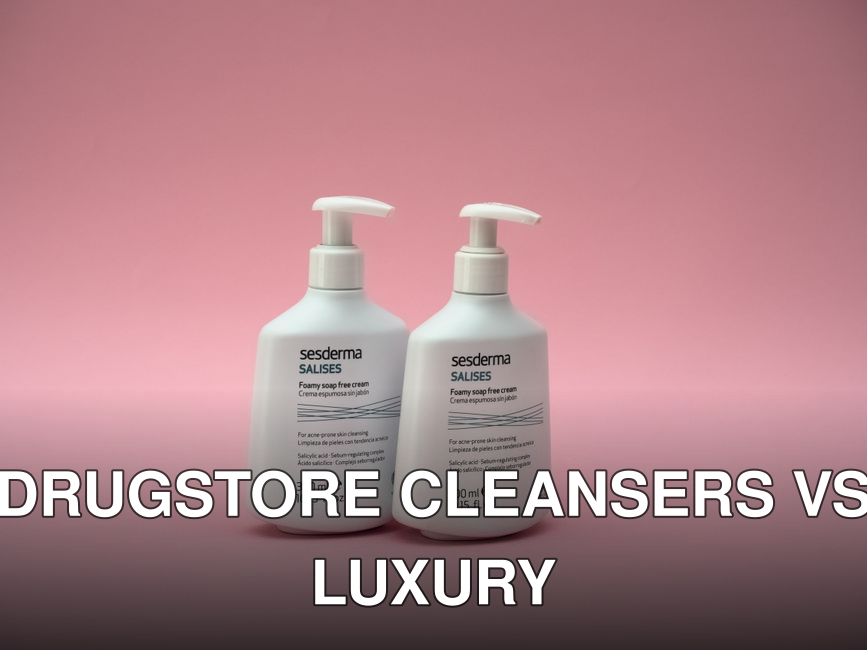
The bathroom counter often tells a silent story: a shiny, expensive bottle of cleanser next to a humble, plastic one. Maria, a freelance designer, told me last month she actually hides her drugstore face wash when friends come over, feeling a weird guilt about not splurging on the “best.” It’s a common dilemma, this unspoken battle between the luxurious and the budget-friendly, especially when it comes to something as fundamental as cleansing your face.
The truth is, many of us are shelling out serious cash for skincare products without really understanding why or if it even makes a difference. We’re bombarded with marketing, influencer endorsements, and the pervasive idea that “more expensive equals better quality.” This constant noise leaves you wondering if you’re missing out by sticking to a $10 bottle, or if you’re just getting ripped off by a $60 one. You don’t need that confusion. This guide cuts through the marketing fluff to show you exactly what matters in a cleanser, regardless of its price tag, so you can make smart choices for your skin and your wallet in 2026.
In this guide, you’ll discover:
- Why “luxury” ingredients often aren’t as unique as brands claim.
- The three non-negotiable factors that actually make a cleanser effective.
- Specific drugstore and high-end cleansers I’ve personally seen deliver results.
So, which is better for your skin: drugstore or luxury cleansers? For most people, a well-formulated drugstore cleanser is just as effective as a luxury one, if not more so, because the key is ingredient quality and formulation, not price or brand name. Your skin doesn’t care about fancy packaging or a high price tag; it cares about gentle, effective cleansing that respects its barrier.
***
Quick Navigation
- The Shocking Truth About Cleanser Ingredients (And Why It Matters Less Than You Think)
- Unpacking the Price Tag: Where Does Your Money Actually Go?
- The 3 Crucial Factors That Define a “Good” Cleanser
- Drugstore Powerhouses: 5 Cleansers That Punch Above Their Weight
- Luxury Lavishes: Are These 3 High-End Cleansers Worth the Splurge?
- The Ultimate Showdown: Drugstore vs. Luxury Cleansers in 2026
- Who This Comparison Is NOT For (And When to Splurge Anyway)
- My Personal Trade-off: When I Still Reach for the Fancy Bottle
- Your 4-Step Action Plan to Find Your Perfect Cleanse
- The Real Cost of Sticking with the Wrong Cleanser
- What Nobody Tells You About Cleansing Bars and Wipes
- Frequently Asked Questions
***
The Shocking Truth About Cleanser Ingredients (And Why It Matters Less Than You Think)
Let’s get real about ingredients. Many luxury brands tout “rare” extracts, “proprietary” complexes, or “botanical wonders.” Sounds impressive, right? But here’s the kicker: cleansers are rinse-off products. They’re on your skin for maybe 30 to 60 seconds, tops, before they go down the drain.
This means that any fancy, expensive active ingredients like peptides, antioxidants, or exotic plant extracts simply don’t have enough contact time to make a significant difference. They’re mostly just marketing fluff in a cleanser. While they might be fantastic in a serum or moisturizer that stays on your skin, they’re largely wasted in a wash-off product.
The core job of a cleanser is to effectively remove dirt, oil, makeup, and pollutants without stripping your skin’s natural barrier. That’s it. This function is primarily carried out by surfactants, which are the cleansing agents. Both drugstore and luxury brands use similar, well-understood surfactant technologies. The difference often lies in the blend of surfactants and supporting ingredients that ensure gentleness.
Common myth: Luxury cleansers contain superior, exclusive ingredients that drugstore brands can’t access.
Reality: The fundamental cleansing agents (surfactants) are widely available. Luxury brands might use slightly different blends or add a minuscule amount of a trending ingredient for marketing, but the core function and effectiveness are often identical to a well-formulated drugstore counterpart.
What you’re often paying for in luxury is the perception of exclusivity, the scent experience, the packaging, and the brand story, not necessarily a groundbreaking ingredient profile for a product that rinses off. We’ll come back to this in a moment — the answer surprised us.
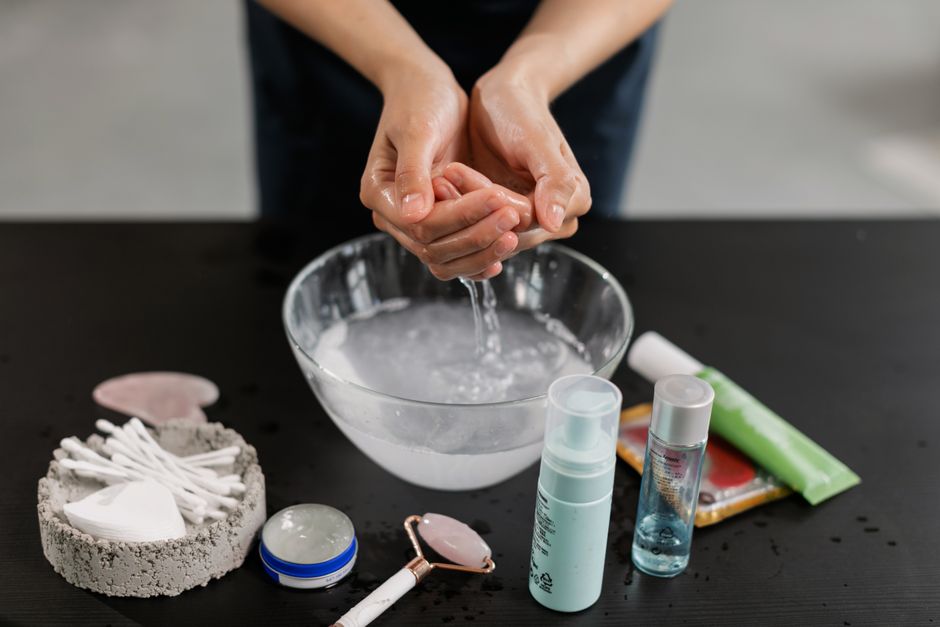
Key takeaway: Don’t get swayed by a long list of exotic actives in a cleanser; their impact is minimal due to short contact time. Focus on the core cleansing function and gentleness instead.
***
Unpacking the Price Tag: Where Does Your Money Actually Go?
Ever wondered why one bottle costs $8 and another $80, even if they seem to do the same thing? It’s not always about what’s inside the bottle. A significant portion of a luxury cleanser’s price tag covers things like:
- Marketing and Advertising: High-end brands spend astronomical sums on campaigns, celebrity endorsements, and glossy magazine ads. This cost gets passed directly to you.
- Packaging: Those heavy glass bottles, intricate pumps, and elegant boxes cost a lot more to produce than a simple plastic squeeze tube. They enhance the “experience” but do nothing for your skin.
- Research and Development (R&D): While some R&D goes into formulation, a lot also goes into creating unique textures, scents, and sensorial experiences that justify the “luxury” feel.
- Brand Perception and Exclusivity: A higher price point often creates a perception of higher quality and exclusivity. It’s psychological.
Drugstore brands, on the other hand, operate on massive scales, allowing them to keep production costs low. They often use simpler packaging, rely on word-of-mouth or more targeted digital marketing, and focus on delivering effective formulations at an accessible price. This doesn’t mean they skimp on quality; it means their business model is different. They invest in tried-and-true ingredients that work, without the added expense of “luxury” frills.
Think about it: a brand like CeraVe or La Roche-Posay, widely recommended by dermatologists, invests heavily in scientific backing and clinical trials, yet their products remain affordable. They prove you don’t need a triple-digit price tag for effective skincare.
Key takeaway: A higher price for a cleanser often reflects marketing, packaging, and brand perception more than a fundamentally superior formulation or ingredient efficacy.
***
The 3 Crucial Factors That Define a “Good” Cleanser
So, if fancy ingredients and high prices aren’t the main drivers of effectiveness, what is? When I look at a cleanser, whether it’s from the pharmacy aisle or a high-end boutique, I’m checking for these three critical factors. Ignore these, and you’re asking for trouble.
What are the most important characteristics of an effective facial cleanser?
The most important characteristics of an effective facial cleanser are its pH balance, the type and concentration of its surfactants, and its suitability for your specific skin type, ensuring it cleanses thoroughly without causing irritation or stripping the skin.
1. pH Balance (Crucial for Skin Barrier Health): Your skin’s natural pH is slightly acidic, typically between 4.7 and 5.75. This acidic mantle is vital for protecting your skin from bacteria, pollution, and moisture loss. A cleanser that’s too alkaline (high pH) can disrupt this barrier, leading to dryness, irritation, and increased sensitivity. Many traditional bar soaps, for instance, are notoriously alkaline. Always look for cleansers that are pH-balanced, ideally around 5.5. This is non-negotiable for healthy skin.
Also worth reading: 10 Best Hydrating Cleansers for Dry Skin
2. Gentle Surfactants (The Cleansing Agents): Surfactants are what lift dirt and oil from your skin. Some are incredibly harsh (like Sodium Lauryl Sulfate, or SLS, which can be very stripping for many people), while others are much milder (like Coco-Glucoside, Decyl Glucoside, or Sodium Cocoyl Isethionate). A good cleanser uses a balanced blend of gentle surfactants that effectively clean without over-drying or causing that tight, squeaky-clean feeling that actually means your skin barrier has been compromised.
3. Formulation for Your Skin Type (A Personalized Approach): What works for oily, acne-prone skin won’t work for dry, sensitive skin.
- Oily/Acne-prone: Might benefit from salicylic acid or benzoyl peroxide, and a gel or foaming texture.
- Dry/Sensitive: Needs creamy, hydrating, non-foaming formulas, often with ceramides, hyaluronic acid, or glycerin.
- Normal/Combination: Can tolerate a wider range, but still benefits from gentle, pH-balanced options.
Here’s a quick look at the impact of choosing wisely:
| Feature | Before: Using a Poorly Chosen Cleanser | After: Using a Well-Formulated Cleanser 🏆 |
| :———————— | :——————————————————————————- | :——————————————————————————– |
| Skin Feel Post-Wash | Tight, dry, “squeaky clean,” sometimes red | Soft, hydrated, comfortable, no residue |
| Long-Term Issues | Increased breakouts, dryness, sensitivity, uneven texture, compromised barrier | Balanced oil production, reduced sensitivity, clear and healthy skin barrier |
| Product Efficacy | Subsequent serums/moisturizers don’t absorb well, overall routine feels ineffective | Other skincare products penetrate better, routine feels more effective |
| Moisture Retention | Poor, leads to transepidermal water loss | Improved, skin holds onto hydration naturally |
| Best for: | Causing more skin problems than it solves | Supporting overall skin health and enhancing your entire routine |
“The biggest mistake people make with cleansers isn’t about luxury versus drugstore; it’s about choosing a cleanser that strips their skin. A stripped skin barrier is the root of so many issues, from acne to premature aging. Gentleness and pH balance are paramount.” — Dr. Michelle Wong, Cosmetic Chemist and Founder of Lab Muffin Beauty Science (as cited in a 2025 beauty industry report).
This isn’t just about comfort; it’s about preventing long-term damage. A cleanser that constantly irritates your skin can lead to chronic inflammation, which contributes to premature aging and a host of other issues.
Key takeaway: Prioritize pH balance, gentle surfactants, and suitability for your skin type above all else. These are the real markers of an effective cleanser.
***
Drugstore Powerhouses: 5 Cleansers That Punch Above Their Weight
You absolutely don’t need to spend a fortune to get a fantastic cleanser. In 2026, the drugstore shelves are packed with options that dermatologists consistently recommend. These brands focus on efficacy, often with minimalist formulations that avoid common irritants.
1. CeraVe Hydrating Facial Cleanser (Approx. $15 for 16 oz): This is a holy grail for a reason. It’s creamy, non-foaming, and packed with ceramides and hyaluronic acid. It cleanses effectively without stripping, making it perfect for normal to dry and sensitive skin. I’ve personally used this for years, especially when my skin felt a bit reactive.
2. La Roche-Posay Toleriane Hydrating Gentle Cleanser (Approx. $17 for 13.5 oz): Similar to CeraVe, this one is another dermatologist favorite. It’s incredibly gentle, non-foaming, and uses thermal spring water to soothe. Excellent for very sensitive or compromised skin. It’s fragrance-free and non-comedogenic.
3. Vanicream Gentle Facial Cleanser (Approx. $10 for 8 oz): If you have extremely sensitive skin, allergies, or are prone to eczema, Vanicream is your friend. It’s free of dyes, fragrance, parabens, and common chemical irritants. It’s a no-frills, highly effective option that just works.
4. Cetaphil Gentle Skin Cleanser (Approx. $12 for 16 oz): A classic that’s stood the test of time. While some formulations have changed over the years, the core Gentle Skin Cleanser remains a solid choice for sensitive and dry skin. It’s mild, non-irritating, and fragrance-free.
5. Neutrogena Hydro Boost Hydrating Cleansing Gel (Approx. $11 for 6 oz): This one is a great option for normal to combination skin that still needs hydration. It’s a lightweight gel that lathers gently, effectively removing makeup and impurities while leaving skin feeling supple, thanks to hyaluronic acid. It’s a step up in texture from the creamy cleansers if you prefer a light foam.
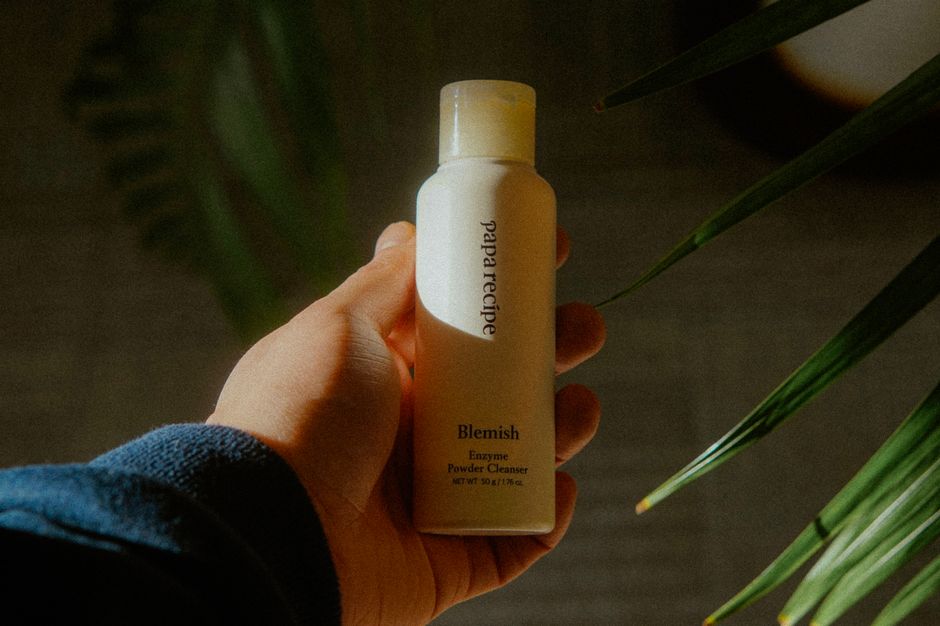
These cleansers consistently deliver on their promise of gentle, effective cleansing. They don’t try to do too much, which is exactly what you want from a wash-off product. If you want to learn more about choosing the gentlest daily face wash, we have a detailed guide for that.
Key takeaway: Don’t underestimate drugstore cleansers. Brands like CeraVe and La Roche-Posay offer scientifically backed, effective formulations that are often superior to many high-end options for basic cleansing.
***
Luxury Lavishes: Are These 3 High-End Cleansers Worth the Splurge?
Now, let’s talk about the other side of the coin. Sometimes, a luxury cleanser offers a sensorial experience that’s undeniably pleasant. The texture, the scent, the feeling of indulgence – these can be part of a self-care ritual. But does that translate to better skin?
1. Tatcha The Rice Wash Skin-Softening Cleanser (Approx. $38 for 4 oz): This creamy cleanser uses Japanese algae and hyaluronic acid. It’s lovely, feels luxurious, and the scent is subtle and pleasant. It cleanses well without stripping, and the texture is indeed softening. Is it better than CeraVe for cleansing? Functionally, no. But the experience is elevated.
2. Drunk Elephant Beste No. 9 Jelly Cleanser (Approx. $34 for 5 oz): This gel cleanser boasts a blend of mild surfactants, glycerin, and virgin marula oil. It’s effective at removing makeup and grime, suitable for most skin types, and leaves skin feeling clean but not tight. It’s a solid, well-formulated cleanser. Again, the “luxury” here comes from the brand’s aesthetic, ingredient story, and minimalist packaging.
3. Fresh Soy Face Cleanser (Approx. $48 for 5 oz): This cult favorite is known for its cucumber extract and rosewater scent. It’s a gentle gel that removes makeup and impurities. Many people love its refreshing feel and delicate aroma. It’s effective, but the price point is definitely for the experience and brand.
You might be thinking, “But my skin feels better with the expensive one!” And that’s totally valid. The psychological aspect of luxury skincare is powerful. If a product makes you feel good and encourages consistency in your routine, that’s a win. However, from a purely physiological standpoint regarding cleansing, the difference in skin health outcomes compared to a well-chosen drugstore option is often negligible. The real benefit is often in the “ritual” itself.
The obvious counterargument is that luxury brands might use higher-grade raw materials or more innovative delivery systems. While this can be true for leave-on products like serums, for a cleanser, the differences are usually marginal. The fundamental chemistry of surfactants hasn’t changed drastically in recent years, and gentle, effective ones are accessible to all formulators. Any “innovation” in a cleanser is more likely to be in texture or scent, not core cleansing ability.
Key takeaway: Luxury cleansers often excel in sensorial experience, texture, and scent, which can enhance your routine. Functionally, however, their cleansing efficacy is rarely superior to a well-formulated, more affordable option.
***
Related guide: How to Choose the Right Toner for Acne-Prone
The Ultimate Showdown: Drugstore vs. Luxury Cleansers in 2026
Let’s put some specific examples head-to-head to illustrate the real differences.
| Feature / Product | CeraVe Hydrating Facial Cleanser 🏆 | La Roche-Posay Toleriane Hydrating Gentle Cleanser | Tatcha The Rice Wash | Fresh Soy Face Cleanser |
| :————————- | :————————————– | :—————————————————– | :—————————————————– | :————————————————— |
| Price (approx.) | $15 (16 oz) | $17 (13.5 oz) | $38 (4 oz) | $48 (5 oz) |
| Primary Cleansing Agents | Ceramides, Hyaluronic Acid | Glycerin, Niacinamide, Thermal Spring Water | Japanese Algae, Hyaluronic Acid, Rice Powder | Soy Proteins, Cucumber Extract, Rosewater |
| pH Balanced | ✅ | ✅ | ✅ | ✅ |
| Fragrance-Free | ✅ | ✅ | ❌ (subtle natural scent) | ❌ (natural cucumber/rose scent) |
| Non-Stripping | ✅ | ✅ | ✅ | ✅ |
| Removes Makeup | ⚠️ (light makeup) | ⚠️ (light makeup) | ✅ (most makeup) | ✅ (most makeup) |
| Sensorial Experience | Functional, no frills | Functional, no frills | Luxurious, creamy, subtle scent | Refreshing, light scent |
| Packaging Aesthetics | Basic plastic pump | Basic plastic pump | Elegant tube, minimalist design | Classic Fresh bottle, premium feel |
| Efficacy for Skin Barrier | ✅✅✅ | ✅✅✅ | ✅✅ | ✅✅ |
| Cost-Effectiveness | ✅✅✅ | ✅✅✅ | ⚠️ | ❌ |
| Best for: | Everyday gentle cleansing, sensitive skin | Very sensitive, reactive skin | Indulgent cleansing experience, normal to dry skin | Refreshing cleanse, normal to combo skin |
As you can see, the core function of gentle, effective cleansing is met by all these options. The “luxury” additions are primarily about the sensory experience and brand prestige, not a vastly superior ability to clean your face without irritation.
Key takeaway: When comparing head-to-head, drugstore cleansers often win on cost-effectiveness and barrier support, while luxury options offer an elevated sensorial experience.
***
Who This Comparison Is NOT For (And When to Splurge Anyway)
This deep dive into drugstore vs. luxury cleansers is primarily for the savvy consumer looking for effective skincare without unnecessary expense. However, it’s important to acknowledge that there are exceptions.
This guide is NOT for:
- Individuals with specific, diagnosed skin conditions that require prescription-strength or highly specialized cleansing (e.g., certain forms of rosacea or severe eczema where specific ingredients are medically beneficial).
- Those who prioritize the “experience” above all else and view their skincare routine as a luxurious ritual, regardless of cost. If a $50 cleanser brings you joy and motivates consistency, and you can afford it, go for it.
- People with very unique ingredient sensitivities who have only found relief with a very specific, often high-end, formulation.
Sometimes, a luxury cleanser might have a unique texture or scent that you simply adore, making your routine more enjoyable and thus, more consistent. If that consistency means you’re actually cleansing regularly and