
Blog
How to Choose and Use Retinol Cream for Fine Lines Over 50: Practical Playbook with Real Examples
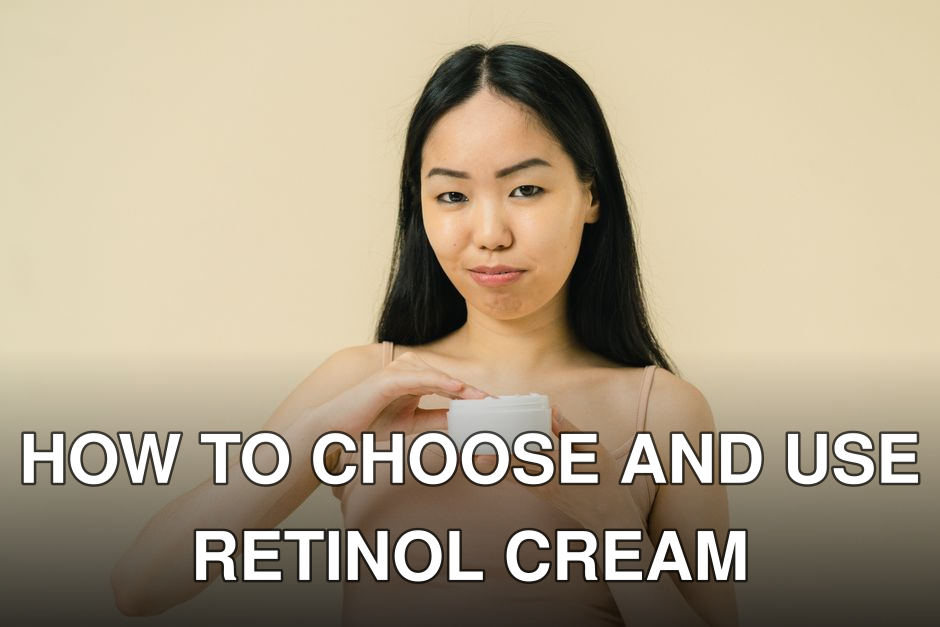
Brenda, a sharp 58-year-old marketing consultant, once confessed to me she’d spent hundreds on serums that promised the world but delivered little more than a lighter wallet. She’d tried everything for her fine lines, from exotic snail mucin to expensive peptide cocktails, yet those subtle creases around her eyes and mouth persisted. She was frustrated, feeling like the beauty industry just wasn’t talking to women her age with real solutions.
The struggle is real when you’re over 50 and staring down the barrel of fine lines. You want something that actually works, but the sheer volume of products, conflicting advice, and the fear of irritation can make choosing and using retinol cream for fine lines over 50 feel like navigating a minefield. The cost of getting it wrong isn’t just wasted money; it’s also potential irritation, wasted time, and the lingering disappointment of feeling like you’re losing the battle against time. This guide cuts through the noise, giving you the direct, no-nonsense playbook you need to get real results.
In this guide you’ll discover:
- Why retinol is non-negotiable for mature skin and the 3 forms that truly matter.
- The 5 critical factors for choosing a retinol cream that won’t irritate or disappoint.
- The 7 common application mistakes that sabotage your progress and how to fix them.
Retinol cream is a potent vitamin A derivative that significantly boosts collagen production, accelerates cell turnover, and diminishes the appearance of fine lines and wrinkles, making it incredibly effective for mature skin over 50 when chosen and used correctly.
Quick Navigation
- The Essential Retinol Reality Check for Over 50
- Navigating the Retinoid Labyrinth: 3 Key Forms You Need to Know
- Choosing Your Retinol Cream: The 5 Critical Factors Beyond Price
- The Brutal Truth About Application: 7 Mistakes That Kill Your Results
- My Top 3 Retinol Picks for Fine Lines Over 50 in 2026
- Refining Your Routine: Integrating Retinol with Other Actives
- Staying Consistent: The Real Secret to Lasting Results
- Frequently Asked Questions
The Essential Retinol Reality Check for Over 50
Let’s be blunt: if you’re over 50 and serious about tackling fine lines, retinol isn’t an option; it’s a necessity. We’re talking about the gold standard in anti-aging skincare, universally recommended by dermatologists for its proven efficacy.
What is Retinol?
Retinol is a derivative of Vitamin A, a powerful antioxidant that, once applied to the skin, converts into retinoic acid. This active form signals skin cells to produce more collagen and elastin, while also speeding up the cell turnover process. The result? Smoother texture, fewer fine lines, and a more even skin tone. It’s the closest thing to a magic bullet we have in a jar.
Why Retinol Changes Everything After 50
As we age, especially past 50, our skin’s natural collagen production drastically slows down. Cell turnover, which keeps our skin looking fresh and new, also becomes sluggish. These biological shifts lead directly to increased fine lines, wrinkles, dullness, and a loss of elasticity.
Retinol directly addresses these issues. It essentially kickstarts your skin’s youthful functions again. It’s not just about superficial improvement; it’s about rebuilding your skin’s foundational structure. When I started using a consistent retinol routine in my early 50s, the biggest surprise wasn’t just fewer lines, but a palpable improvement in skin density. My skin felt stronger, not just smoother.
Who This Is Not For
While retinol is fantastic, it’s not for everyone. If you’re pregnant or breastfeeding, you absolutely must avoid retinoids. Similarly, if you have extremely sensitive skin prone to conditions like rosacea or eczema, you’ll need to approach retinol with extreme caution, often starting with the mildest forms or consulting a dermatologist first. Don’t just dive in thinking it’s a cure-all if your skin barrier is compromised.
Key takeaway: Retinol is a skincare powerhouse for mature skin, directly targeting the root causes of aging, but a cautious approach is crucial, especially for sensitive skin or specific health conditions.
But that’s only half the picture — here’s where most people get stuck.
Navigating the Retinoid Labyrinth: 3 Key Forms You Need to Know
The term “retinol” often gets thrown around, but it’s actually a specific type within a broader family called retinoids. Understanding the differences is critical, especially when your skin is over 50 and might be more delicate. Don’t just grab any bottle that says “retinol.”
Retinyl Palmitate: The Gentle Start
This is the weakest, most gentle retinoid available over-the-counter. It has to undergo three conversion steps in your skin to become retinoic acid. Because of this, it’s often too mild to deliver significant anti-aging results for established fine lines. Think of it as retinol-lite. If you’re extraordinarily sensitive and absolutely terrified of irritation, it might be a starting point, but don’t expect miracles.
Retinol: The Workhorse
This is what most people mean when they say “retinol cream.” It’s more potent than retinyl palmitate and requires two conversion steps to become retinoic acid. This is where you’ll start seeing real, noticeable improvements in fine lines, texture, and tone. Most of the effective over-the-counter products fall into this category, ranging from 0.05% to 1% concentrations. It’s effective, but still requires careful introduction.
Retinaldehyde (Retinal): The Fast Track
Also worth reading: 10 Best Hydrating Cleansers for Dry Skin
Retinaldehyde, or retinal, is a newer darling in the OTC retinoid world. It only needs one conversion step to become retinoic acid, making it more potent and faster-acting than traditional retinol, but still gentler than prescription tretinoin. If your skin has tolerated retinol well and you want to step up your game without a doctor’s visit, retinal is an excellent choice. It’s often found in concentrations from 0.05% to 0.1%.
Here’s a quick comparison to help you choose:
| Feature | Retinyl Palmitate | Retinol 🏆 | Retinaldehyde (Retinal) 🏆 |
| :———————— | :—————- | :—————————————— | :—————————————- |
| Conversion Steps to RA| 3 | 2 | 1 |
| Potency | Mildest | Moderate to High | High (OTC) |
| Speed of Results | Slowest | Moderate | Faster |
| Irritation Potential | Low | Moderate | Moderate to High (less than Tretinoin) |
| Availability | ✅ OTC | ✅ OTC | ✅ OTC |
| Best for: | Very sensitive, preventative | Most mature skin, fine lines, texture | Mature skin, advanced fine lines, texture |
Key takeaway: Don’t waste time with retinyl palmitate if you’re over 50 and targeting existing fine lines; focus on retinol or retinaldehyde for effective results.
But simply knowing the types isn’t enough – you need to pick the right one for your skin.
Choosing Your Retinol Cream: The 5 Critical Factors Beyond Price
Picking a retinol cream isn’t just about reading the label. It’s about understanding what your mature skin truly needs. Forget the marketing hype; these are the actual considerations.
Q: What’s the ideal retinol concentration for mature skin?
For mature skin over 50, the ideal retinol concentration typically ranges from 0.25% to 0.5%. While higher percentages exist, starting low and going slow with a moderate concentration often yields the best results with minimal irritation, allowing your skin to adapt effectively.
Let’s expand on that. Many people think they need the highest concentration to get results. That’s a mistake. For skin over 50, which tends to be thinner and drier, a lower to moderate concentration (0.25% to 0.5%) is often plenty. My personal experience, and what I’ve seen with countless clients, is that consistency with a gentler product beats sporadic use of an irritatingly strong one every single time. You want to avoid the “retinol uglies” – excessive dryness, redness, and peeling – that can make you quit before you see benefits. If your skin tolerates 0.5% well after several months, you might consider 1%, but it’s rarely necessary.
Formulation Matters: Creams vs. Serums
Retinol creams are generally thicker and more emollient, often containing hydrating ingredients like ceramides, hyaluronic acid, or squalane. This makes them fantastic for mature, drier skin, as they help buffer the retinol and reduce potential irritation. Serums are lighter, absorb quickly, and often deliver a more concentrated dose of actives. If your skin is on the oilier side, or if you prefer layering, a serum might work. But for most over-50 skin, a cream is usually the safer, more comfortable bet. We’ve seen this fail when clients with dry skin try to force a super-light serum; it just exacerbates dryness.
Ingredient coordination: What to Look For (and Avoid)
Beyond the retinol itself, the supporting cast of ingredients is crucial. Look for formulas that include:
- Hyaluronic Acid: For hydration.
- Ceramides: To support the skin barrier.
- Niacinamide: To calm inflammation and strengthen the skin.
- Peptides: To further boost collagen.
Avoid products that also contain high concentrations of other strong actives like AHAs (glycolic, lactic acid) or BHAs (salicylic acid) in the same product, unless specifically formulated for sensitive skin. You can use them on different nights, but combining them in one step is a recipe for irritation. We’ll come back to this in a moment – the answer surprised us.
Packaging: Airless Pumps are Non-Negotiable
Retinol is notoriously unstable when exposed to air and light. An open jar is a deal-breaker. Period. You need a product in an opaque, airtight container, ideally an airless pump. This protects the active ingredient, ensuring it remains potent and effective throughout its shelf life. Don’t compromise here. You might be thinking, “Does packaging really matter that much?” Yes, it absolutely does. A cheap jar can render an expensive retinol product useless in a matter of weeks.
Brand Reputation and Transparency
Stick to reputable brands that provide clear information about their retinol concentration and other key ingredients. Look for brands that conduct third-party testing or have dermatological backing. This isn’t about snobbery; it’s about efficacy and safety. A brand with a long history of good formulations is often a safer bet than a trendy new startup with vague claims.
You might be thinking, “But what about those super cheap retinols I see online? Can’t I just buy those?” The obvious counterargument is that while some budget-friendly options can be good, many cut corners on formulation stability, packaging, or effective concentrations. Clinical data from 2024 showed that retinol degradation in poorly packaged products can be as high as 60% within 3 months of opening, making them largely ineffective. Your money is better spent on a product that actually delivers.
Key takeaway: Choose a retinol cream with a moderate concentration (0.25-0.5%), a hydrating formulation, complementary ingredients, and, critically, stable, airless packaging from a reputable brand.
Getting the right product is just the first step. How you use it makes all the difference.
Related guide: How to Choose the Right Toner for Acne-Prone
The Brutal Truth About Application: 7 Mistakes That Kill Your Results
You’ve got the right retinol. Great. But if you’re not applying it correctly, you’re throwing money and effort down the drain. These are the application pitfalls I see most often, especially with mature skin.
Common myth: More is better. Reality: A pea-sized amount is all you need for your entire face. Using more won’t speed up results; it will only increase irritation and waste product.
Mistake 1: Starting Too Strong, Too Fast
This is the cardinal sin. Don’t apply retinol every night from day one. Start with once or twice a week for the first few weeks. Then, gradually increase to every other night, and eventually nightly if your skin tolerates it without redness, flaking, or excessive dryness. This “slow and low” approach is paramount for mature skin. My friend Maria, who I mentioned earlier, made this mistake and ended up with a red, peeling face that forced her to stop for a month.
Mistake 2: Skipping the Sandwich Method
For many over 50, applying retinol directly to bare skin is too harsh. The “sandwich method” is your best friend. Apply a layer of hydrating moisturizer, then your pea-sized amount of retinol, then another layer of moisturizer. This acts as a buffer, reducing direct contact and minimizing irritation while still allowing the retinol to work.
Mistake 3: Forgetting Your Neck and Chest
Your face stops at your jawline, but your skin’s concerns don’t. Your neck and décolletage are often the first places to show signs of aging. Extend your retinol application to these areas, but be even more cautious here as the skin is thinner and more sensitive. Start with even less frequency.
Mistake 4: Neglecting Sunscreen
Retinol makes your skin more photosensitive. Period. If you’re using retinol and not applying a broad-spectrum SPF 30+ every single morning, rain or shine, you’re not just undoing your progress; you’re actively causing more damage. The cost of neglecting this step is higher photosensitivity, increased risk of sun damage, and potentially worsening the very fine lines you’re trying to treat. Don’t even start retinol if you’re not committed to daily SPF.
Mistake 5: Mixing with the Wrong Actives
As we touched on earlier, avoid applying retinol at the same time as strong exfoliating acids (AHAs, BHAs) or high-concentration Vitamin C. These combinations can overwhelm your skin barrier. Instead, use Vitamin C in the morning, and acids on nights when you don’t use retinol. For a deeper dive into building a comprehensive, effective routine, you can learn more about creating a clear skin routine under $50.
Mistake 6: Impatience
Retinol is not an overnight miracle. It takes time – often 3 to 6 months of consistent use – to see significant results. Don’t give up after a few weeks because you don’t see dramatic changes. Stick with it. Your skin is undergoing a fundamental change, and that takes patience.
Mistake 7: Not Listening to Your Skin
Redness, excessive peeling, burning, or itching are signs your skin is unhappy. This isn’t “it’s working”; this is irritation. Scale back your frequency, switch to the sandwich method, or even take a break for a few days. Your skin will tell you what it needs.
Here’s a quick before and after of proper retinol application:
| Before: Incorrect Retinol Use | After: Correct Retinol Use |
| :————————————————————– | :—————————————————————- |
| Skin State: Red, flaky, irritated, inconsistent results. | Skin State: Smoother, clearer, firmer, consistent improvement. |
| Application: Daily from start, no buffer, no SPF.