
Blog
How to Get Hydrated Skin: Choosing the Right Hyaluronic Acid Moisturizer: Practical Playbook with Real Examples
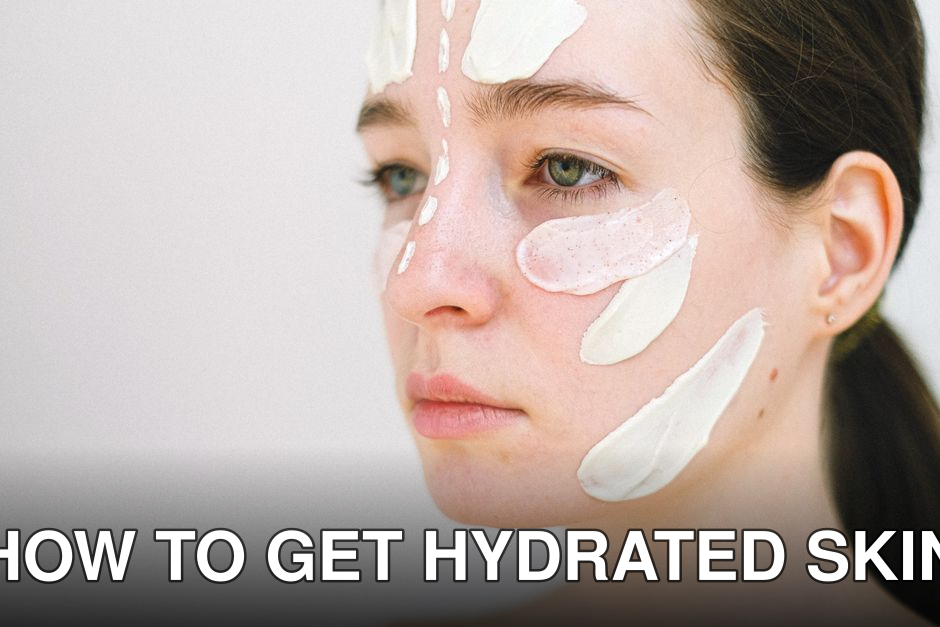
Sarah, a busy marketing manager, used to wake up every morning feeling like her skin was a stretched-out rubber band. Despite slathering on various creams, that tight, parched sensation persisted, making her makeup look patchy by noon. She’d tried everything from heavy night creams to expensive serums, but nothing seemed to truly lock in moisture. For years, she struggled with dullness and fine lines that felt more pronounced than they should for someone her age, all because she hadn’t quite cracked the code on How to Get Hydrated Skin: Choosing the Right Hyaluronic Acid Moisturizer.
That constant battle against dryness isn’t just uncomfortable; it’s a drain on your confidence and your wallet, as you cycle through products that just don’t deliver. You deserve skin that feels plump, soft, and genuinely hydrated all day long, without the greasy residue or the constant reapplication. The secret often lies in understanding how hyaluronic acid works and, more importantly, how to pick a moisturizer that truly puts it to work for your skin.
In this guide, you’ll discover:
- The surprising science behind hyaluronic acid and why it’s not a one-size-fits-all ingredient.
- How to spot the “right” HA moisturizer from the dozens of options flooding the market in 2026.
- The 3 critical mistakes people make when incorporating HA into their routine, and how to avoid them.
What is Hyaluronic Acid (HA) and Why Does It Matter for Your Skin?
Hyaluronic acid is a humectant, a substance that attracts and holds moisture. Think of it as a super-sponge for your skin. Naturally found in our bodies, it plays a crucial role in keeping our tissues, especially our skin, lubricated and moist. A single gram of hyaluronic acid can hold up to six liters of water, which is just wild when you consider its impact on skin hydration. By 2026, HA has cemented its place as a skincare staple, with new formulations hitting the shelves that target specific skin concerns even more precisely.
Key takeaway: Hyaluronic acid is a powerful humectant that draws moisture from the environment and deeper skin layers to the surface, making it essential for plump, hydrated skin.
Common Myth: All Hyaluronic Acid is Created Equal.
Reality: Not even close. HA comes in different molecular weights, and this matters hugely for how it interacts with your skin. High molecular weight HA (HMW-HA) sits on the skin’s surface, forming a protective, hydrating barrier. Low molecular weight HA (LMW-HA) can penetrate deeper, offering more profound hydration and potentially stimulating collagen production. Many of the best moisturizers today, especially in 2026, use a blend of these to maximize benefits.
This isn’t just marketing fluff; it’s science. A 2024 study published in the Journal of Cosmetic Dermatology highlighted that formulations combining various HA molecular weights showed significantly better improvements in skin elasticity and hydration compared to single-weight applications. So, when you’re looking for an HA moisturizer, you’re not just looking for “HA,” you’re looking for smart HA. But that’s only half the picture — here’s where most people get stuck.
Why Most Hyaluronic Acid Guides Get It Backwards: The Crucial Role of Formulation
Most guides tell you to just “buy a hyaluronic acid serum.” And sure, that’s a start. But the real magic, the lasting hydration, comes from the formulation of your moisturizer, not just the presence of HA. A great HA moisturizer isn’t just HA dissolved in water; it’s a carefully balanced cocktail of humectants, emollients, and occlusives that work synergistically.
You might be thinking, “Isn’t any moisturizer with HA good enough?” The obvious counterargument is that a poorly formulated HA product can actually make your skin drier in low-humidity environments. Without occlusive ingredients to seal in the moisture HA pulls to the surface, that water can evaporate, leaving your skin feeling tighter than before. We’ve seen this fail spectacularly when people rely solely on a thin HA serum in a dry climate without following up with a proper occlusive moisturizer. It’s like leaving a sponge out to dry after you’ve soaked it.
Key takeaway: The effectiveness of hyaluronic acid hinges on its formulation within a moisturizer, requiring a blend of humectants, emollients, and occlusives to properly seal in hydration.
The Cost of Ignoring Smart Formulations: What You’re Really Losing
Think about the endless cycle of buying new products, hoping this one will finally work. That’s not just wasted money; it’s wasted time, frustration, and continued discomfort. You could be spending hundreds of dollars a year on products that don’t deliver, all while your skin barrier continues to suffer. This constant battle can lead to increased sensitivity, redness, and even accelerate the appearance of fine lines, costing you more in the long run with corrective treatments. It’s a preventable problem, and the solution starts with understanding what makes a moisturizer truly effective.
The 5 Essential Ingredients to Look for in Your HA Moisturizer
Choosing the right hyaluronic acid moisturizer means looking beyond just the HA itself. You need a supporting cast of ingredients that ensure optimal hydration, barrier repair, and long-term skin health. Here are the non-negotiables:
1. Multiple Molecular Weights of Hyaluronic Acid (Sodium Hyaluronate, Hydrolyzed HA): As we discussed, a mix is best. Look for “Sodium Hyaluronate” (the salt form, more stable and easily absorbed) and sometimes “Hydrolyzed Hyaluronic Acid” for deeper penetration. The best formulations in 2026 often list multiple forms.
2. Ceramides: These are lipids that make up a significant portion of your skin’s barrier. They act like the mortar between the bricks (skin cells), preventing moisture loss and protecting against environmental damage. HA pulls water in, ceramides keep it there. It’s a powerful duo.
3. Glycerin: Another excellent humectant that works synergistically with HA. Glycerin is often more stable and less prone to evaporation in dry conditions than HA alone, providing a baseline of moisture attraction.
4. Occlusives (Shea Butter, Squalane, Petrolatum, Dimethicone): These ingredients form a physical barrier on the skin to prevent transepidermal water loss (TEWL). Without them, the water HA attracts simply evaporates. Don’t fear the “heavy” sounding ingredients; the right amount makes all the difference for lasting hydration.
5. Antioxidants (Vitamin E, Niacinamide, Green Tea Extract): While not directly hydrating, antioxidants protect your skin from oxidative stress, which can compromise the skin barrier and lead to dryness. Niacinamide, in particular, also helps improve barrier function directly.
Key takeaway: A truly effective HA moisturizer combines multiple forms of hyaluronic acid with ceramides, glycerin, occlusives, and antioxidants to deliver comprehensive hydration and barrier support.
Also worth reading: 10 Best Hydrating Cleansers for Dry Skin
The Unspoken Truth About Texture and Finish
Here’s where it gets tricky: some people hate the feeling of heavy creams, even if they’re effective. Manufacturers know this, and that’s why you’ll find HA in everything from lightweight gels to rich balms. A gel-cream might feel great initially, but if your skin is truly parched, it might not have enough occlusives to prevent moisture loss throughout the day, especially in drier climates. Conversely, a balm might feel too occlusive for oily skin types, leading to breakouts. It’s a personal balance, but always prioritize efficacy over immediate sensory pleasure if long-term hydration is your goal.
Choosing Your Champion: A Comparison of Popular HA Moisturizer Types (2026)
In 2026, the market is saturated with hyaluronic acid moisturizers, each promising the moon. To cut through the noise, let’s look at the general categories and what they offer. This isn’t about specific brands, but rather formulation types you’ll encounter.
| Feature / Moisturizer Type | Lightweight Gel-Cream | Balanced Lotion 🏆 | Rich Cream/Balm |
| :—————————– | :————————- | :————————– | :————————- |
| HA Molecular Weights | ⚠️ Mostly LMW-HA | ✅ Multi-molecular HA | ✅ Multi-molecular HA |
| Ceramides Present | ❌ Often absent or low | ✅ Usually present | ✅ Usually present |
| Glycerin Content | ✅ Moderate | ✅ High | ✅ High |
| Occlusives Present | ⚠️ Light (e.g., Dimethicone) | ✅ Moderate (e.g., Squalane) | ✅ High (e.g., Shea Butter) |
| Texture | Light, fast-absorbing | Smooth, comfortable | Thick, luxurious |
| Skin Feel | Refreshing, barely there | Hydrating, non-greasy | Nourishing, protective |
| Price Range (Avg. USD) | $15 – $35 | $25 – $60 | $40 – $90+ |
| Best for: | Oily, humid climates | Normal, combination, dry | Very dry, mature, cold climates |
Key takeaway: The “best” HA moisturizer depends heavily on your skin type, environmental conditions, and specific needs. Balanced lotions often offer the most versatile hydration.
Who This Is NOT For
If you’re someone with extremely reactive skin who finds even “hypoallergenic” products irritating, you might need to start with single-ingredient products before introducing complex HA moisturizers. Also, if you live in a perpetually humid climate and struggle more with oil control than dryness, a heavy HA cream might be overkill. This guide focuses on hydrated skin, not necessarily oil regulation, though many formulas do address both.
The 3 Mistakes Everyone Makes with Hyaluronic Acid Moisturizers
Even with the right product, you can sabotage your hydration efforts if you’re not using it correctly. Here are the most common pitfalls I’ve seen over the years:
1. Applying to Dry Skin: This is a big one. Hyaluronic acid needs moisture to pull from. If your skin is bone dry, it has nowhere to go but out of your skin, potentially making you feel even drier. Always apply HA to damp skin, right after cleansing or toning. A light mist of water or a hydrating toner works wonders.
2. Not Layering Correctly: An HA moisturizer isn’t always the final step. For truly parched skin, especially in winter or dry climates, you might need to layer a facial oil or a heavier occlusive balm over your HA moisturizer to truly seal everything in. Think of it as putting a lid on a pot.
3. Expecting Instant Miracles: While HA can provide immediate plumping, long-term barrier repair and sustained hydration take time. Give any new moisturizer at least 2-4 weeks to show its full effects. Your skin’s natural turnover cycle takes about a month, so patience is key.
Key takeaway: Maximize your HA moisturizer’s effectiveness by applying it to damp skin, understanding proper layering, and giving it enough time to work.
What Nobody Tells You About HA and Climate
Here’s the thing: HA is a fantastic humectant, but its performance is highly dependent on ambient humidity. In dry environments (think arid deserts or heated indoor spaces in winter), HA can actually draw moisture from your deeper skin layers if there’s not enough humidity in the air to pull from, and if it’s not sealed in with occlusives. That’s why that rich cream with ceramides and shea butter might be your best friend in January, but a lighter lotion with squalane might be perfect for a humid August. Have you ever felt your skin get tighter after using a “hydrating” product in winter? That’s likely why.
Elevating Your Hydration Game: Beyond Just HA
While hyaluronic acid is a star player, a truly hydrated complexion comes from a holistic approach.
Before: Skin feels tight, dull, fine lines are noticeable, makeup looks patchy, constant need to reapply moisturizer.
After: Skin feels plump, soft, dewy, fine lines appear softened, makeup glides on and lasts, confidence in skin’s comfort.
This transformation doesn’t happen overnight. It’s a consistent routine built on smart choices. If you want to skip the manual setup for your entire routine and get a curated approach, cleanface.shop offers guides like 7 Best Affordable Moisturizers for Dry Skin Over 40 in 2026: Practical Playbook with Real Examples which can streamline your decision-making process.
Related guide: How to Choose the Right Toner for Acne-Prone
Key takeaway: True skin hydration is a result of a consistent, multi-faceted approach, not just one ingredient.
Your Hydration Checklist for 2026
Ready to overhaul your routine? Here’s a quick checklist:
- [ ] Cleanse Gently: Use a hydrating, non-stripping cleanser. Harsh cleansers will undo all your HA efforts. Check out How to Exfoliate Sensitive Skin Gently Without Irritation: Step-by-Step Guide for related tips.
- [ ] Tone Smart: Incorporate a hydrating toner or essence before your HA moisturizer. This adds a crucial layer of dampness.
- [ ] Apply HA to Damp Skin: Never forget this step. A facial mist can be your best friend here.
- [ ] Layer Appropriately: For drier skin, consider a facial oil or heavier balm over your HA moisturizer.
- [ ] Don’t Forget SPF: Sun damage compromises your skin barrier, leading to dryness. A broad-spectrum SPF 30+ is non-negotiable every single day.
- [ ] Hydrate from Within: Drink enough water! Skincare is only part of the picture.
- [ ] Monitor Your Environment: Adjust your moisturizer choice based on humidity levels. Lighter for summer, richer for winter.
This isn’t about buying the most expensive product; it’s about buying the right product for your skin’s unique needs and using it intelligently. It’s an investment in your comfort and your skin’s long-term health.
“In 2026, we’re seeing a clear shift from single-ingredient hype to synergistic formulations,” noted Dr. Anya Sharma, a leading dermatologist specializing in cosmetic science. “Consumers are savvier, and they’re demanding products that not only hydrate but also actively support the skin barrier with ingredients like ceramides and diverse HA molecular weights. It’s about resilience, not just temporary plumping.”
Frequently Asked Questions
Q: Can hyaluronic acid make my skin drier if I use it incorrectly?
A: Yes, it absolutely can. If you apply hyaluronic acid to completely dry skin in a low-humidity environment without sealing it in with an occlusive moisturizer, the HA can draw moisture from the deeper layers of your skin and then evaporate, leaving your skin feeling drier than before. Always apply it to damp skin and follow with a good moisturizer.
Q: What’s the difference between high and low molecular weight hyaluronic acid?
A: High molecular weight HA (HMW-HA) creates a hydrating film on the skin’s surface, acting as a barrier to prevent moisture loss. Low molecular weight HA (LMW-HA) can penetrate deeper into the skin due to its smaller size, providing more profound hydration and potentially supporting collagen. The best moisturizers often use a blend of both.
Q: Should I use a hyaluronic acid serum or a hyaluronic acid moisturizer?
A: For comprehensive hydration, a dedicated hyaluronic acid moisturizer is often more effective. While a serum provides a concentrated dose of HA, a moisturizer typically includes emollients and occlusives that are crucial for sealing in that hydration and supporting the skin barrier. A serum can be a great addition for an extra boost, but it shouldn’t replace your moisturizer.
Q: How quickly should I expect to see results from a new HA moisturizer?
A: You might feel an immediate difference in skin softness and plumpness after the first application. However, for significant, lasting improvements in overall skin hydration and barrier function, give your new HA moisturizer at least 2 to 4 weeks. Your skin’s natural renewal cycle takes about a month, so consistent use is key.
Q: Can men use hyaluronic acid moisturizers, or are they just for women?
A: Absolutely! Hyaluronic acid moisturizers are beneficial for anyone looking to improve skin hydration, regardless of gender. Men’s skin can suffer from dryness, environmental damage, and barrier compromise just like women’s, making HA an excellent addition to any skincare routine.
Q: Are there any specific ingredients I should avoid when using HA?
A: Generally, HA plays well with most ingredients. However, if you’re using strong actives like high-concentration retinoids or exfoliating acids, ensure your HA moisturizer is soothing and free of additional irritants like strong fragrances or essential oils. The goal is to support your barrier, not stress it further.
The journey to truly hydrated skin doesn’t have to be a guessing game. By understanding the science behind hyaluronic acid, recognizing the importance of smart formulations, and sidestepping common application mistakes, you’re well on your way. Go check your current moisturizer’s ingredient list right now. If it doesn’t list sodium hyaluronate or hyaluronic acid high up, especially alongside ceramides and glycerin, it’s time to consider an upgrade.