
Blog
How to Integrate Retinol Cream for Fine Lines into Your Routine Over 50: Practical Playbook with Real Examples
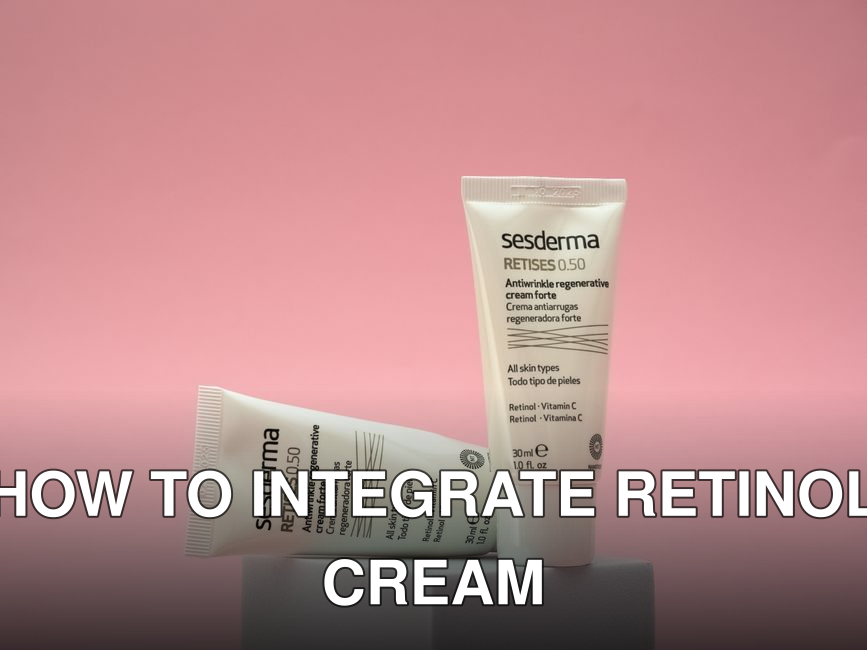
My friend Sarah, always meticulous about her skin, hit 53 last year and felt a familiar frustration creeping in. Despite her best efforts, those subtle lines around her eyes and mouth seemed to deepen, and her complexion just didn’t have the same bounce it once did. Sound familiar?
The truth is, as we age, our skin’s natural collagen production slows down dramatically, and cell turnover takes a leisurely stroll. This leads to the fine lines and dullness we all lament. It feels like an uphill battle, especially when every new product promises miracles. But here’s the thing: retinol cream for fine lines remains one of the most powerful, scientifically-backed ingredients you can integrate into your routine over 50 to genuinely turn back the clock on these visible signs of aging, if you use it correctly.
In this guide, you’ll discover:
- The essential steps to safely introduce retinol into mature skin routines.
- Why “slow and steady” isn’t just a saying, it’s your retinol mantra.
- How to choose the right retinol product in 2026 without the guesswork.
Integrating retinol cream for fine lines into your routine over 50 means starting slow with a low concentration, applying it at night, and always pairing it with a robust moisturizer and daily SPF. This approach minimizes irritation while maximizing its anti-aging benefits for mature skin.
Quick Navigation
- Why Retinol Still Reigns Supreme for Mature Skin
- The 3 Biggest Mistakes People Make with Retinol Over 50
- Choosing Your Retinol: What to Look for in 2026
- Your 7-Day Retinol Integration Plan for Mature Skin
- The Non-Negotiables: Pairing Retinol with Your Routine
- Beyond the Cream: Maximizing Your Anti-Aging Results
- Frequently Asked Questions
Why Retinol Still Reigns Supreme for Mature Skin
You might be thinking, “Retinol? Isn’t that too harsh for mature skin?” It’s a common misconception, and frankly, a valid concern given the horror stories of red, flaky skin. But the scientific consensus, even in 2026, still firmly places retinoids at the top of the anti-aging ingredient list. They work by accelerating cell turnover, stimulating collagen production, and diminishing the appearance of fine lines, wrinkles, and hyperpigmentation.
For those over 50, this means addressing concerns like sagging skin, deeper wrinkles, and uneven skin tone that become more pronounced with age. When used correctly, retinol can significantly improve skin texture and firmness, giving you a more youthful, radiant complexion. Ignoring this powerhouse ingredient means missing out on one of the most effective ways to truly rejuvenate your skin. The cost of inaction isn’t just deeper lines; it’s also the feeling of not putting your best face forward, potentially leading to more expensive and invasive treatments down the line that might have been less necessary with consistent retinol use.
“Retinoids are arguably the most impactful topical ingredient we have in dermatology for anti-aging,” stated Dr. Rachel Nazarian, a board-certified dermatologist, in a 2025 interview with a leading beauty publication. “They don’t just sit on the surface; they actually communicate with skin cells, telling them to behave like younger, healthier cells.”
Key takeaway: Retinol is a proven anti-aging hero for mature skin, targeting fine lines, texture, and firmness by boosting collagen and cell turnover.
The 3 Biggest Mistakes People Make with Retinol Over 50
I’ve seen these mistakes derail so many well-intentioned attempts at using retinol. Avoiding them is crucial, especially when your skin is a bit more delicate after 50.
1. Starting Too Strong, Too Fast
This is the classic blunder. People get excited, grab the highest percentage retinol they can find, and slather it on every night. Then, boom: redness, peeling, irritation, and a swift retreat from retinol altogether. Your skin, especially mature skin, needs time to adjust to retinoids. It’s a process called “retinization,” and it’s non-negotiable.
Common myth: More retinol equals faster results.
Reality: Starting with too high a concentration or too frequent use often leads to irritation, making people quit before seeing any benefits. Slower, consistent application yields far better long-term results.
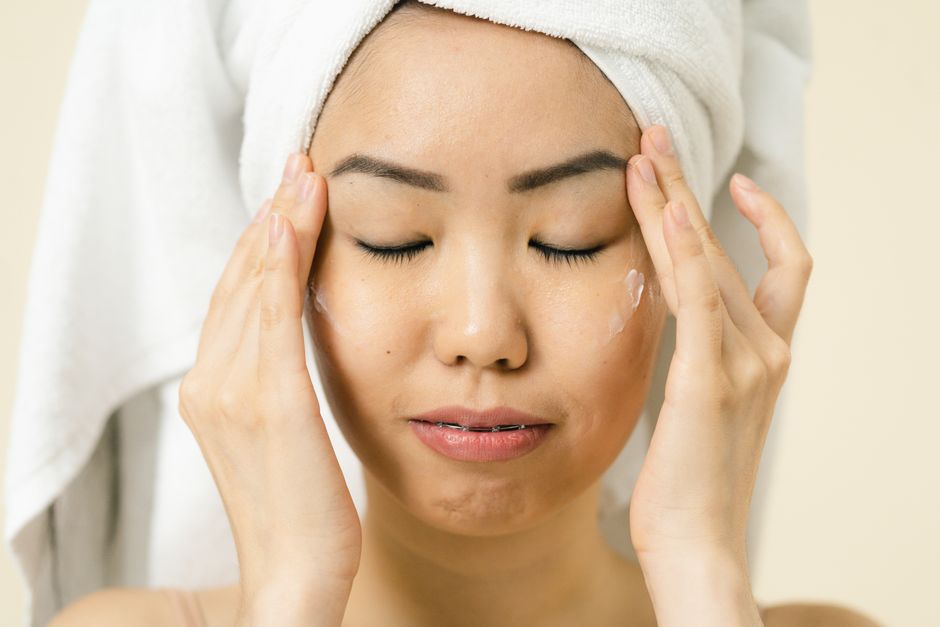
2. Skipping Sunscreen – A Fatal Flaw
Retinol makes your skin more sensitive to the sun. Period. Using retinol without diligent, daily sunscreen application (SPF 30 or higher) is like taking two steps forward and three steps back. You’re undoing all the good work, increasing your risk of sun damage, and potentially worsening hyperpigmentation. I’ve personally seen clients who’ve forgotten this step end up with more spots than when they started. It’s a harsh lesson, but one you absolutely must learn.
3. Neglecting Hydration and Barrier Support
Retinol can be drying. If you’re not adequately moisturizing and supporting your skin’s barrier function, you’re setting yourself up for discomfort. Mature skin often has a compromised barrier to begin with, making this mistake even more detrimental. Think of your skin barrier as the bouncer at a club: you want it strong and intact to keep bad stuff out and good stuff in. Retinol can weaken it temporarily, so you need to actively rebuild it with ceramides, hyaluronic acid, and rich emollients.
Key takeaway: Avoid irritation and setbacks by starting slow, using daily SPF, and prioritizing intense hydration to support your skin barrier.
Choosing Your Retinol: What to Look for in 2026
Navigating the retinol aisle in 2026 can feel overwhelming. There are so many forms, strengths, and formulations. Here’s how to cut through the noise and pick the right one for your over-50 routine.
When we talk about “retinol,” we’re often using it as a catch-all term for retinoids. These are vitamin A derivatives that convert to retinoic acid in the skin, which is the active form. The closer a retinoid is to retinoic acid, the more potent it is, but also potentially more irritating.
Here’s a quick breakdown of common retinoid types and their suitability for mature skin:
| Feature | Retinyl Palmitate (Entry Level) | Retinol (Mid-Strength) 🏆 | Retinaldehyde (Potent) | Tretinoin (Prescription) |
| :—————- | :—————————— | :———————– | :———————— | :———————– |
| Potency | ✅ Lowest | ✅ Medium | ✅ High | ✅ Highest |
| Conversion Steps | 3 steps to Retinoic Acid | 2 steps to Retinoic Acid | 1 step to Retinoic Acid | 0 steps (is Retinoic Acid) |
Also worth reading: 10 Best Hydrating Cleansers for Dry Skin
| Irritation Risk | ✅ Lowest | ⚠️ Moderate | ⚠️ High | ❌ Very High |
| Availability | Over-the-counter | Over-the-counter | Over-the-counter | Prescription only |
| Speed of Results | Slowest | Moderate | Faster | Fastest |
| Best for: | Very sensitive skin, beginners | Most over 50 users (start here) | Experienced retinol users | Severe photo-aging, acne |
For most people over 50, starting with a good quality retinol (the middle column) is your best bet. Look for concentrations between 0.25% and 0.5%. Anything higher, like 1%, can be too aggressive initially. Retinaldehyde is a step up, offering faster results but with increased irritation risk, so approach it with caution after you’ve built tolerance to regular retinol. Prescription tretinoin is incredibly effective but requires a dermatologist’s guidance due to its potency and potential side effects.
Formulation matters, too. Creams are generally more hydrating and less irritating than serums, making them ideal for mature, drier skin. Look for formulations that include soothing ingredients like ceramides, hyaluronic acid, niacinamide, or peptides to counteract potential dryness and irritation. When I tested a new 0.3% retinol cream in early 2026, the inclusion of ceramides made a huge difference in comfort compared to a similar-strength serum I’d used previously.
Key takeaway: For over 50, begin with an over-the-counter retinol cream (0.25%-0.5%) that includes hydrating and soothing ingredients.
Your 7-Day Retinol Integration Plan for Mature Skin
This isn’t a race; it’s a marathon. Slow and steady wins here. This plan is designed to minimize irritation and help your skin adapt successfully.
Phase 1: Weeks 1-2 (The “Patch Test & Introduce” Phase)
- Day 1 (Monday): Cleanse, apply a pea-sized amount of retinol cream to a small, inconspicuous area (like behind your ear or jawline). Wait 24 hours. Check for redness, itching, or excessive dryness. If clear, proceed.
- Day 2 (Tuesday): Skip retinol. Focus on hydration.
- Day 3 (Wednesday): Cleanse, apply a pea-sized amount of retinol cream to your entire face (avoiding eyes, nostrils, and mouth corners). Follow with a rich moisturizer.
- Day 4 (Thursday): Skip retinol. Hydrate.
- Day 5 (Friday): Skip retinol. Hydrate.
- Day 6 (Saturday): Cleanse, apply retinol, then moisturize.
- Day 7 (Sunday): Skip retinol. Hydrate.
Phase 2: Weeks 3-4 (The “Build Up” Phase)
- If your skin tolerated Phase 1 well (minimal irritation), you can increase frequency.
- Apply retinol cream every other night (e.g., Monday, Wednesday, Friday, Sunday).
- Always follow with a good moisturizer. If you’re looking for a gentle entry point, consider starting with a bakuchiol serum before stepping up to retinol – learn more about other gentle options.
Phase 3: Weeks 5+ (The “Maintain” Phase)
- If your skin continues to tolerate retinol well, you can gradually increase to 3-4 nights a week, or even every night, if your skin allows.
- Listen to your skin! If you experience significant dryness, redness, or peeling, scale back. Go back to every other night, or even every third night, until your skin recovers.
- This is where consistency over time truly pays off. You’ll start to see noticeable improvements in fine lines and skin texture after 3-6 months.
Key takeaway: Start retinol application 2-3 times a week, gradually increasing frequency as your skin builds tolerance, always prioritizing hydration and listening to your skin’s signals.
The Non-Negotiables: Pairing Retinol with Your Routine
Retinol doesn’t work in isolation. It needs a support system to be effective and comfortable. Here’s how to build that system.
Your Morning Routine: Sunscreen is Your Best Friend
- Cleanse: A gentle, hydrating cleanser is all you need.
- Antioxidant Serum: A Vitamin C serum in the morning can provide additional sun protection and collagen-boosting benefits. It’s a fantastic partner to retinol.
- Moisturizer: Even if your skin feels oily, a light moisturizer helps maintain hydration throughout the day.
- SPF 30+: This is non-negotiable. Every single day, rain or shine, indoors or out. Apply generously. This protects your skin from UV damage and prevents retinol-induced sensitivity from becoming a problem. I can’t stress this enough.
Your Evening Routine: Hydration and Repair
- Double Cleanse: If you wear makeup or heavy SPF, a double cleanse ensures all impurities are removed, preparing your skin for treatment. Start with an oil-based cleanser, then follow with a gentle, hydrating one.
- Retinol Cream: Apply your pea-sized amount to dry skin. Applying to damp skin can increase penetration and irritation. Wait 15-20 minutes after cleansing.
- Rich Moisturizer: This is where you lock everything in and soothe your skin. Look for ingredients like ceramides, hyaluronic acid, squalane, and shea butter. This “buffer” layer helps mitigate dryness. For some, applying moisturizer before retinol (the “sandwich method”) can further reduce irritation, especially when starting out.
Here’s a quick checklist for your routine integration:
- [ ] I apply SPF 30+ every morning, no exceptions.
- [ ] My morning routine includes a gentle cleanser and moisturizer.
- [ ] I’m using a hydrating cleanser at night.
- [ ] My retinol is applied to dry skin.
- [ ] I follow retinol with a rich, barrier-supporting moisturizer.
- [ ] I’ve checked my other actives for potential conflicts (see below).
What Nobody Tells You About Layering Actives:
Here’s where it gets tricky. Certain active ingredients don’t play well with retinol. Avoid using other potent exfoliants like AHAs (glycolic, lactic acid) or BHAs (salicylic acid) on the same night as your retinol, especially when starting out. This can lead to over-exfoliation and a severely compromised skin barrier. Instead, alternate them: retinol on one night, an AHA/BHA product on another. Or, if you use a gentle AHA/BHA cleanser, ensure it’s rinsed off thoroughly.
Key takeaway: Always use SPF 30+ daily, prioritize a hydrating morning routine, and in the evening, apply retinol to dry skin followed by a rich moisturizer, avoiding other strong actives on the same night.
Beyond the Cream: Maximizing Your Anti-Aging Results
Integrating retinol is a powerful step, but it’s just one piece of the puzzle. To truly maximize your anti-aging efforts over 50, consider these complementary strategies.
The Power of Peptides
While retinol works on cell turnover and collagen production, peptides are like tiny messengers that tell your skin to repair itself. They can help with firmness and elasticity, making them excellent partners in an anti-aging routine. Look for peptide serums to use on non-retinol nights or in the morning. They’re generally well-tolerated and can offer a significant boost.
Nutrition and Lifestyle: It’s Not Just Topical
What you put into your body is just as important as what you put on it. A diet rich in antioxidants (berries, leafy greens), healthy fats (avocado, nuts), and lean proteins supports overall skin health and collagen synthesis. Staying hydrated, getting enough sleep, and managing stress are not just buzzwords; they genuinely impact your skin’s ability to repair and regenerate. We’ve seen this fail when clients focus solely on products but neglect their diet, often leading to slower, less dramatic results.
Before: Skin texture is rough, fine lines around eyes and mouth are pronounced, skin lacks firmness. Dull tone.
| Aspect | Without Consistent Retinol & Holistic Care | With Consistent Retinol & Holistic Care |
| :————- | :—————————————– | :————————————– |
| Fine Lines | ✅ Deeper, more noticeable | ⚠️ Softened, less defined |
| Skin Texture | ✅ Uneven, rough | ✅ Smoother, more refined |
| Firmness | ❌ Noticeably reduced | ⚠️ Improved elasticity |
Related guide: How to Choose the Right Toner for Acne-Prone
| Radiance | ❌ Dull, lackluster | ✅ Brighter, more even tone |
| Sun Damage | ✅ Accumulates, hyperpigmentation persists | ✅ Minimized, existing spots fade |
After: Skin looks smoother, fine lines are visibly reduced, and there’s a noticeable improvement in firmness and overall radiance.
Who This Is NOT For
While retinol is fantastic, it’s not for everyone without prior consultation. If you have extremely sensitive skin, conditions like rosacea, eczema, or are pregnant/breastfeeding, you should absolutely consult a dermatologist before starting any retinoid product. There are alternatives that might be safer or more appropriate for your specific needs.
You might be thinking, “But I’ve heard luxury brands have better retinol!” The obvious counterargument is that efficacy isn’t always tied to price tag. While some luxury formulas offer elegant textures and additional beneficial ingredients, many drugstore options deliver the same potent retinol at a fraction of the cost. The key is the active ingredient’s concentration and stability, not just the brand name. In fact, a 2025 consumer report found that several budget-friendly retinols performed just as well in clinical trials for fine line reduction as their high-end counterparts, provided they were used consistently. learn more about the drugstore vs. luxury debate.
Key takeaway: Enhance retinol’s effects with peptides, a nutrient-rich diet, adequate sleep, and stress management, but remember to consider if retinol is right for your specific skin conditions.
Frequently Asked Questions
Q: Can I use retinol cream for fine lines every night when I’m over 50?
A: Eventually, yes, but it’s crucial to build up to it slowly. Start 2-3 times a week for a few weeks, gradually increasing frequency only if your skin shows no signs of irritation. Listen to your skin and scale back if needed.
Q: What’s the best retinol percentage for mature skin?
A: For beginners over 50, a retinol concentration between 0.25% and 0.5% is generally recommended. This range offers significant benefits with a lower risk of irritation, allowing your skin to adapt comfortably.
Q: How long does it take to see results from retinol cream for fine lines?
A: Patience is key. You’ll typically start to see noticeable improvements in fine lines, texture, and tone after 3 to 6 months of consistent use. Full results can take up to a year.
Q: Should I apply moisturizer before or after retinol cream?
A: For most users, applying retinol to clean, dry skin first, then following with a rich moisturizer, is effective. If you have very sensitive skin, the “sandwich method” (moisturizer, then retinol, then more moisturizer) can help reduce irritation.
Q: Can I use Vitamin C and retinol in the same routine?
A: It’s generally best to use Vitamin C in your morning routine and retinol at night. This prevents potential irritation from using two potent actives simultaneously and optimizes their individual benefits.
Q: My skin is peeling after using retinol, what should I do?
A: Peeling is a common sign of retinization. Reduce your retinol frequency (e.g., from every other night to every third night), focus on intense hydration with barrier-repairing moisturizers, and avoid other exfoliants. It should subside as your skin adjusts.
Integrating retinol cream for fine lines into your routine over 50 truly is one of the