
Blog
How to Safely Introduce Retinol Cream for Fine Lines Over 50: Practical Playbook with Real Examples
The moment Maria, a vibrant 58-year-old architect, finally decided to tackle those deepening fine lines, she felt a surge of hope. Then came the dread: “Retinol. Isn’t that for twenty-somethings with acne? Won’t it just make my skin flaky and red?” That’s a common fear, and honestly, a valid one if you jump in headfirst.
Here’s the thing: introducing retinol cream for fine lines over 50 doesn’t have to be a nightmare of irritation and peeling. Many guides out there miss the mark, giving generic advice that simply doesn’t account for the unique needs of mature skin. You’re not trying to dry out acne; you’re gently coaxing your skin to rebuild collagen and smooth texture. Get it wrong, and you’ll end up with more irritation than improvement, wasting time and money on products that just sit in your cabinet.
In this guide, you’ll discover:
- The exact, step-by-step method to introduce retinol without the dreaded “retinol uglies.”
- Which retinol strengths and forms are truly effective for mature skin in 2026, and which ones to skip.
- How to build a complete routine that supports retinol’s benefits, rather than sabotaging them.
The Essential Guide: Safely Introducing Retinol Cream for Fine Lines Over 50
To safely introduce retinol cream for fine lines over 50, start with a low-concentration retinol (0.01-0.025%) just once or twice a week, using the “retinol sandwich” method. Gradually increase frequency and then concentration as your skin adapts, always prioritizing hydration and daily broad-spectrum SPF.
Quick Navigation
- Why Retinol? The Real Deal for Mature Skin
- The Crucial First 2 Weeks: Your Gentle Launch Plan
- What Nobody Tells You About Retinol Side Effects Over 50
- Choosing Your Retinol: 3 Key Factors Beyond Price
- Your 2026 Retinol Routine: A Step-by-Step Playbook
- Why Most Guides Get Retinol Timing Backwards
- Addressing Common Retinol Pitfalls for Mature Skin
- Frequently Asked Questions
Why Retinol? The Real Deal for Mature Skin
Retinol, a derivative of Vitamin A, is often called the “gold standard” in anti-aging skincare, and for good reason. It works by accelerating skin cell turnover, meaning your skin sheds old, dull cells faster and brings new, fresh ones to the surface. It also stimulates collagen production, which is crucial for maintaining skin elasticity and firmness. For those of us over 50, collagen naturally depletes by about 1% per year after our early twenties, and that rate often accelerates around menopause. This depletion directly leads to those fine lines, wrinkles, and a loss of skin bounce we’re all trying to combat.
When your skin naturally slows down its renewal process, fine lines become more pronounced, and your complexion loses some of its youthful radiance. Think of your skin without retinol like a garden that’s not being regularly tended: weeds (fine lines) take over, and the soil (collagen) becomes depleted. If you don’t introduce something to stimulate that renewal, those lines will only deepen, and your skin’s overall texture will become rougher and less even. This isn’t just about aesthetics; healthy skin is resilient skin. Ignoring these changes can lead to a less vibrant complexion and even slower healing over time.
Key takeaway: Retinol is a proven ingredient that boosts cell turnover and collagen production, directly addressing the root causes of fine lines and loss of firmness in mature skin.
The Crucial First 2 Weeks: Your Gentle Launch Plan
Listen, I’ve seen too many people dive into retinol like it’s just another moisturizer, slathering on a high-strength product every night from day one. That’s a recipe for irritation, redness, and a swift return to the “nope, retinol isn’t for me” camp. For mature skin, which tends to be drier and more delicate, a gentle introduction is non-negotiable.
Here’s my playbook for the first two weeks:
1. Start with the Lowest Strength: Seriously. Look for a retinol cream with a concentration of 0.01% to 0.025%. Don’t be tempted by the 0.5% or 1% options right away. Those are for seasoned users, not beginners, especially over 50.
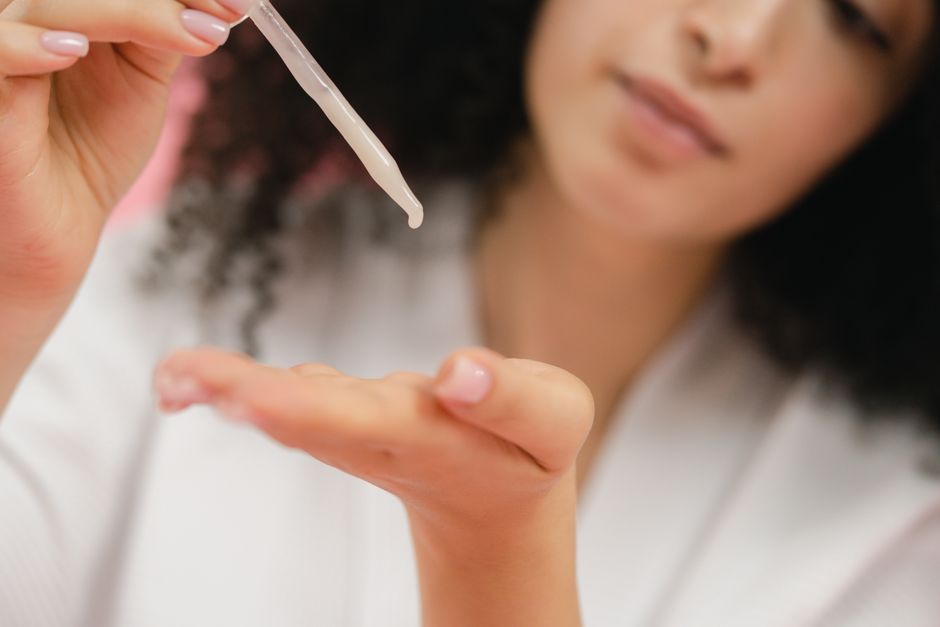
2. Frequency is Key: Apply it just once or twice a week, on non-consecutive nights. For example, Monday and Thursday. This gives your skin plenty of time to recover and adapt.
3. The “Retinol Sandwich” Method: This is your secret weapon.
- Step 1: Cleanse your face and pat it completely dry. Wait a few minutes.
- Step 2: Apply a thin layer of a gentle, hydrating moisturizer. Let it absorb for a minute or two.
- Step 3: Apply a pea-sized amount of your retinol cream to your entire face, avoiding eyes and lips.
- Step 4: Follow up with another layer of your hydrating moisturizer.
This method creates a buffer, reducing direct contact and irritation, while still allowing the retinol to work its magic.
4. Moisturizer Matters: Pick a rich, fragrance-free moisturizer packed with ceramides, hyaluronic acid, and glycerin. These ingredients support your skin barrier, which will be working overtime to adjust to the retinol. We’ve seen this fail when people try to use a lightweight gel moisturizer; it just doesn’t provide enough protection. If you’re looking for a comprehensive solution for dry skin, you might want to learn more about complete facial kits designed to support your skin barrier.
After two weeks, if your skin feels fine – no excessive redness, peeling, or stinging – you can consider increasing frequency to three times a week. But that’s only half the picture — here’s where most people get stuck.
Key takeaway: Begin with a very low-strength retinol (0.01-0.025%) just 1-2 times a week, always using the “retinol sandwich” method with a rich, supportive moisturizer to minimize initial irritation.
What Nobody Tells You About Retinol Side Effects Over 50
You might be thinking, “Okay, I’ll start slow, but what if I still get flaky and red?” The obvious counterargument is that some irritation is normal, a sign the retinol is working. And that’s partially true. Your skin will likely go through an adjustment period, often called “retinization.” This can manifest as mild redness, dryness, and a bit of flaky skin, usually in the first few weeks. It’s a sign your skin cells are turning over faster than they’re used to.
Here’s the distinction: mild, manageable flaking and slight pinkness? Probably normal. Intense stinging, burning, bright red patches, or significant discomfort? That’s a sign to back off immediately. We’ve seen this fail when clients try to “push through” severe irritation; it only damages the skin barrier and prolongs the recovery. Reduce frequency, use even more moisturizer, or even stop for a few days before trying again.
Common myth: Retinol makes your skin thinner and more fragile.
Reality: While retinol can cause temporary peeling of the outermost layer of dead skin cells, it actually works to thicken the dermis (the deeper layer of skin) by stimulating collagen production. Over time, this makes your skin more resilient and stronger, not thinner. This is a crucial point for mature skin, which often naturally thins with age.
Also worth reading: 10 Best Hydrating Cleansers for Dry Skin
Key takeaway: Expect some mild, temporary irritation (retinization), but severe discomfort means you need to adjust your approach immediately. Retinol ultimately strengthens skin, it doesn’t thin it.
Choosing Your Retinol: 3 Key Factors Beyond Price
Walking into a beauty aisle or browsing online, you’re hit with a dizzying array of “retinol” products. It’s not just about the price tag; what’s inside that bottle really counts, especially for mature skin.
Factor 1: Form and Concentration
Not all retinoids are created equal. They fall into a spectrum of strength and conversion steps.
- Retinyl Palmitate: The weakest form. It requires three conversion steps in the skin to become retinoic acid (the active form). It’s incredibly gentle, but also the least effective for significant anti-aging. I’d typically skip this if fine lines are your primary concern, unless your skin is extremely sensitive.
- Retinol: This is what most OTC products contain. It requires two conversion steps. It’s effective and widely available. This is your sweet spot for starting out. Look for concentrations between 0.01% and 0.025%. Once you’re fully acclimated, you might slowly work your way up to 0.05% or even 0.1%.
- Retinaldehyde (Retinal): One conversion step. More potent than retinol, works faster. If you’ve acclimated to 0.05% retinol without issues, retinal could be your next step up before considering prescription options.
- Tretinoin (Retinoic Acid): Prescription-only. This is the active form, no conversion needed. It’s the strongest and most effective, but also has the highest potential for irritation. For many over 50, starting here is too aggressive unless under strict dermatological supervision.
Here’s a quick comparison:
| Feature | Retinyl Palmitate | Retinol 🏆 | Retinaldehyde | Tretinoin (Prescription) |
| :———————— | :—————- | :——————— | :——————– | :———————– |
| Potency | Low | Medium | Medium-High | High |
| Conversion Steps | 3 | 2 | 1 | 0 |
| Irritation Potential | Low | Medium | Medium-High | High |
| OTC Availability | ✅ | ✅ | ✅ (less common) | ❌ |
| Best for: | Very Sensitive | Beginners Over 50 | Experienced Retinoid Users | Severe Concerns (MD Guided) |
Factor 2: Delivery System
This is where formulation really shines in 2026. Many modern retinol products use “encapsulated” or “sustained-release” delivery systems. This means the retinol is wrapped in a protective barrier that allows it to penetrate deeper into the skin gradually, rather than all at once. This significantly reduces irritation while maintaining efficacy. If you want to skip the manual setup and find a product designed for ease, many reputable brands now offer encapsulated retinol options that simplify the introduction process.
Factor 3: Supporting Ingredients
Retinol can be drying, so look for formulas that include ingredients to counteract this.
- Hyaluronic Acid: A powerful humectant that draws moisture into the skin.
- Ceramides: Lipids that help repair and maintain the skin barrier.
- Niacinamide (Vitamin B3): Soothes inflammation, reduces redness, and strengthens the skin barrier.
- Peptides: Can offer additional anti-aging benefits, working synergistically with retinol.
These ingredients are like your retinol’s support team, helping your skin tolerate the active ingredient better.
Key takeaway: Start with a low-strength retinol (0.01-0.025%) with an encapsulated or sustained-release delivery system, and look for formulas that include hydrating and barrier-supporting ingredients like ceramides and hyaluronic acid.
Your 2026 Retinol Routine: A Step-by-Step Playbook
Consistency is paramount with retinol, but so is smart layering. You’re building a routine around this powerful active, not just adding it willy-nilly.
The Evening Routine (Retinol Night):
1. Cleanse: Use a gentle, hydrating cleanser. Nothing stripping.
2. (Optional) Hydrating Serum: If your skin is very dry, a hyaluronic acid serum before the retinol sandwich can add an extra layer of moisture. Apply to slightly damp skin.
3. Retinol Sandwich: As discussed: thin layer of moisturizer, pea-sized retinol, another layer of moisturizer. This is non-negotiable for beginners.
4. Targeted Treatments (if needed): If you use an eye cream or neck cream, apply it last.
The Morning Routine (Every Day):
1. Cleanse: Again, a gentle cleanse.
2. Antioxidant Serum: A Vitamin C serum is your best friend here. It protects against environmental damage, brightens skin, and boosts collagen—a perfect partner to retinol.
3. Moisturizer: A good, hydrating day cream.
4. SPF 50+: This isn’t optional. Retinol makes your skin more sun-sensitive. You must use a broad-spectrum SPF 50 or higher every single day, rain or shine. If you’re not committed to SPF, don’t even bother with retinol. Have you ever skipped SPF for a day after using retinol and felt that burn? It’s a harsh lesson.
Related guide: How to Choose the Right Toner for Acne-Prone
Here’s how a typical routine might change:
| Aspect | Before: Basic Routine | After: Retinol-Integrated Routine |
| :—————– | :——————————— | :———————————— |
| Evening Cleansing | Basic face wash | Gentle, hydrating cleanser |
| Evening Treatment | Maybe a basic moisturizer | ✅ Retinol (sandwich method) |
| Evening Hydration | Standard night cream | Rich, barrier-supporting moisturizer |
| Morning Treatment | Basic serum or none | ✅ Vitamin C antioxidant serum |
| Morning Protection | SPF 30 (maybe) | ✅ Broad-spectrum SPF 50+ (non-negotiable) |
| Skin Texture | Uneven, visible fine lines | Smoother, more even, fine lines softened |
| Skin Radiance | Dull, lacking glow | Brighter, more luminous |
Here’s an actionable checklist to kickstart your retinol journey:
- [ ] Select a low-strength retinol (0.01-0.025%) with a good delivery system.
- [ ] Purchase a rich, fragrance-free moisturizer with ceramides and hyaluronic acid.
- [ ] Get a broad-spectrum SPF 50+ for daily morning use.
- [ ] Plan your first two weeks: 1-2 applications using the “retinol sandwich” method.
- [ ] Commit to daily morning SPF, no exceptions.
Key takeaway: Integrate retinol into a balanced routine with a gentle cleanser, a morning antioxidant serum, and non-negotiable daily SPF 50+. The “retinol sandwich” is key for evening application.
Why Most Guides Get Retinol Timing Backwards
When is the best time to apply retinol? Many guides just say “at night,” which is true in a general sense because sunlight degrades retinol. But the specific timing within your evening routine matters more than you think, especially for mature skin. We’ll come back to this in a moment — the answer surprised us.
The common advice is to apply retinol to freshly cleansed, slightly damp skin because it helps with absorption. For some ingredients, this is great. For retinol, especially when you’re starting, it’s a recipe for disaster. Applying retinol to damp skin can increase its penetration too rapidly, leading to more irritation. Remember Maria’s fear of flakiness? That’s exactly how it starts.
So, here’s the open loop resolution: The best time to apply retinol for beginners over 50 is to completely dry skin, after cleansing, and ideally after a thin layer of hydrating moisturizer (the first step of the sandwich). Wait at least 10-15 minutes after cleansing for your skin to dry completely before applying that first layer of moisturizer, then your retinol. This controlled application prevents excessive irritation.
Patience really is a virtue here. You won’t see dramatic results overnight, or even after a month. Real, visible improvements in fine lines and skin texture from retinol typically take 3 to 6 months of consistent use. That’s a long haul, and it’s why consistency is king.
“The biggest mistake people make with retinoids isn’t starting too strong, it’s giving up too soon,” says Dr. Shereene Idriss, a New York City dermatologist. “You need to push through the initial adjustment period and stay consistent for months to see the true benefits.”
Have you ever felt frustrated by slow progress with a new skincare product and just tossed it? With retinol