
Blog
How to Transition to a Non-Toxic Skincare Routine Without Breaking the Bank: Practical Playbook with Real Examples
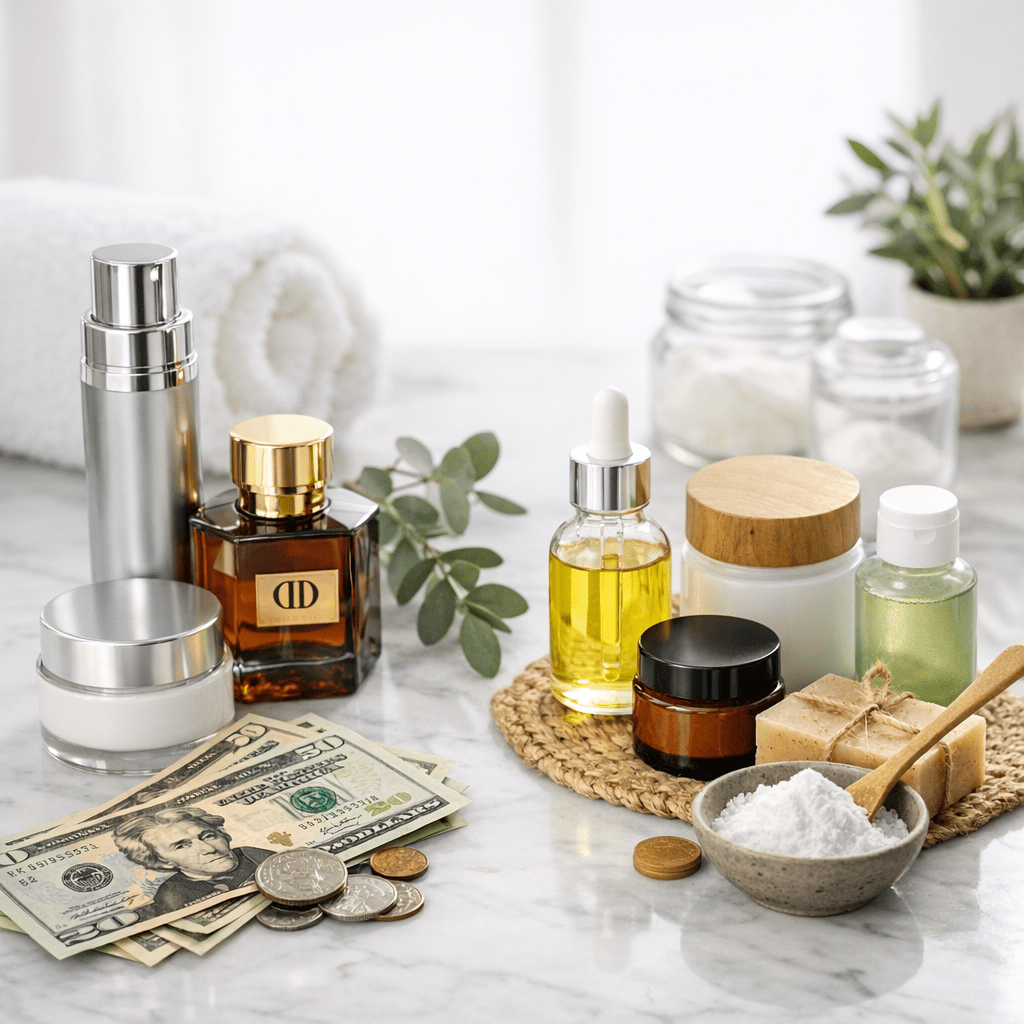
Switching to non-toxic skincare sounds like a great idea—until you start looking at price tags. Suddenly, “clean beauty” feels like an exclusive club where only people with unlimited budgets can join. But here’s the truth: it doesn’t have to be that way. You can ditch harmful ingredients and still keep your wallet happy if you know where to look and what actually matters.
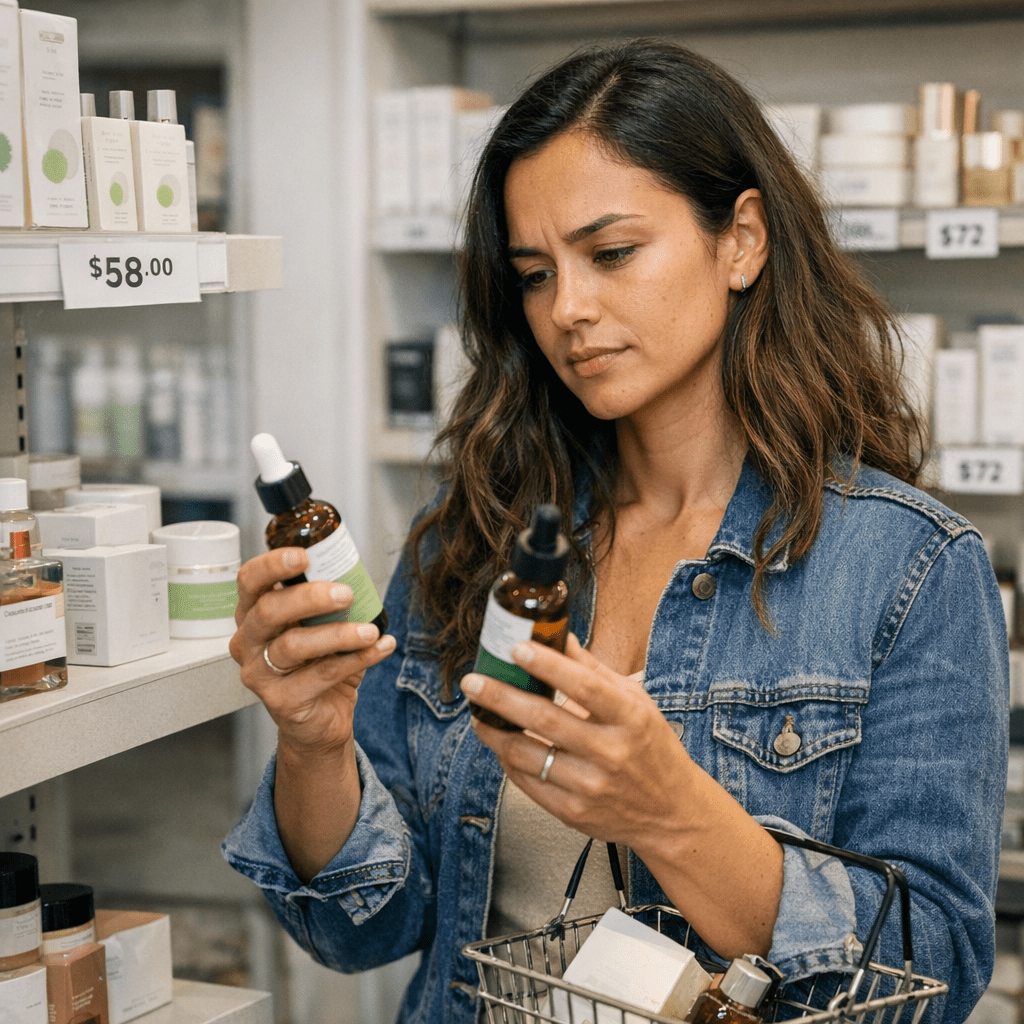
I’ve been down this road myself—staring at ingredient lists, wondering if I really needed to spend $80 on a moisturizer made from unicorn tears or if there was a smarter way. Spoiler: there is. Whether you’re just starting out or trying to refine your routine, here’s how you can embrace non-toxic beauty without financially breaking up with your bank account.
—
What Does “Non-Toxic” Even Mean?
Before we dive into strategies, let’s clear up the confusion about what “non-toxic” means in skincare. The term isn’t regulated by the FDA, so companies throw it around pretty loosely. Generally, it means avoiding harmful chemicals like parabens, phthalates, synthetic fragrances, formaldehyde-releasing agents, and some other tongue-twisting words you wouldn’t want near your skin anyway.
But here’s the catch: not everything labeled “non-toxic” is automatically good for your skin—or your budget! So rather than chasing buzzwords on fancy packaging, focus on simplifying and understanding what you actually need for healthier skin.
—
Step 1: Start With the Basics
Here’s the thing about non-toxic skincare: You don’t need 25 products in your routine to make it work. Keep it simple and focus on these three essentials first:
- Cleanser: Look for gentle sulfate-free options.
- Moisturizer: A basic hydrating product without synthetic fragrances will do wonders.
- Sunscreen: Non-negotiable, even indoors (yes, really). Mineral sunscreens are generally considered safer than chemical ones.
For cleansers under $10 that work well without sketchy ingredients, brands like Cetaphil or Neutrogena’s fragrance-free bar soaps are solid bets. They’re dermatologist-approved and widely available—sometimes less glamorous but highly effective.
If you’re looking for budget-friendly moisturizers that check all the clean boxes, this list has specific recommendations based on skin type and concerns.
—
Step 2: Check What You Already Own
Don’t toss everything in your bathroom cabinet just yet—that’s wasteful and expensive! Instead, start by reading labels on products you already have at home. Apps like Think Dirty or EWG’s Skin Deep database can help identify potentially harmful ingredients quickly (and they’re free).
You might find that some of your current products are already “clean.” Great—you’ve saved money right there! For products that fail the test but aren’t causing immediate issues (no irritation or breakouts), use them up before replacing them with better alternatives.
—
Step 3: Prioritize Ingredients Over Branding
Here’s where most people get stuck—they assume more expensive means better quality when it comes to non-toxic options. That’s simply not true! Many affordable brands offer clean formulations; they just skip the luxury branding and Instagram-worthy packaging.
Some wallet-friendly names worth keeping an eye out for include:
Top 10 Clean Beauty Brands for Acne-Prone Skin in 2026: Practical Playbook with
1. The Ordinary – Known for straightforward ingredients and ridiculously low prices (think $7 serums).
2. CeraVe – Their basics are often fragrance-free and recommended by dermatologists everywhere.
3. Cliganic – Affordable organic oils for those who love multitaskers like jojoba or argan oil.
If you’re unsure which ingredients matter most for specific concerns—like finding a retinol alternative—this guide is incredibly helpful.
—
Quick Ingredient Cheat Sheet
Not sure what to avoid? Here are some common culprits in toxic skincare products that should go straight onto your blacklist:
- Parabens (methylparaben, propylparaben)
- Phthalates
- Synthetic fragrances/parfum
- Formaldehyde-releasing preservatives (like DMDM hydantoin)
- Oxybenzone & Octinoxate (in sunscreens)
On the flip side, look for natural heavy-hitters like aloe vera juice, shea butter, squalane oil (plant-based), niacinamide (vitamin B3), hyaluronic acid—and zinc oxide/titanium dioxide for sun protection.
—
Step 4: Shop Smart with Multi-Purpose Products
One of my favorite tricks? Finding multi-use products that cut down on clutter and costs while keeping things clean. For example:
- A gentle cleansing balm can double as makeup remover AND moisturizer.
- Pure rose water spray hydrates skin and sets makeup beautifully.
- Jojoba oil works as a moisturizer AND hair serum AND cuticle conditioner—all from one bottle!
By investing in versatile items instead of single-purpose ones marketed as “specialty,” you’ll streamline both your skincare stash and spending habits.
Pro tip: The CleanFace team put together this handy resource on layering peptide products—perfect if you’re aiming to simplify without losing functionality in anti-aging routines!
—
Real Talk About Tradeoffs
Let me level with you—not everything about switching to non-toxic skincare is sunshine and roses. Sometimes cheaper clean options won’t feel as luxurious; they might lack fancy scents or silky textures because synthetic additives are often what create those effects in conventional products.
Also worth mentioning: Some potent active ingredients used in traditional treatments might not have perfect clean alternatives yet—or they might require more patience since natural solutions tend to deliver results gradually over time rather than overnight miracles.
That said? The tradeoff is absolutely worth it when you think about reducing exposure long-term risks from toxic chemicals while still giving your skin exactly what it needs today.
7 Best Clean Beauty Products Under $50 That Actually Work: Practical Playbook wi
—
Sample Budget-Friendly Routine ($50/month)
Here’s how I’d build a complete starter routine using readily available non-toxic picks:
| Product Type | Recommendation | Approximate Cost |
|———————–|————————–|——————|
| Cleanser | Cetaphil Gentle Bar Soap | $5 |
| Exfoliant | The Ordinary Glycolic Acid Toner | $9 |
| Moisturizer | CeraVe Daily Moisturizing Lotion | $12 |
| Sunscreen | Neutrogena Sheer Zinc SPF 50 | $14 |
| Optional Add-On | Cliganic Organic Jojoba Oil | $10 |
This entire setup costs around $50 total—and most of these will last longer than one month depending how much product you use daily!
—
Final Takeaway
Switching over doesn’t need to feel overwhelming or overpriced—it starts with small swaps paired with smarter choices over time rather than panic-purchasing an entirely new lineup overnight because TikTok told you so! Invest where it counts while skipping unnecessary extras wrapped up in #CleanBeauty hype trends—and remember sustainability matters too! Use up old bottles responsibly before jumping aboard shiny greener pastures ahead ✨
Related Links