
Blog
Hyaluronic Acid Moisturizer vs. Serum: Which is Best for Dehydrated Skin?: Practical Playbook with Real Examples
The year is 2026, and Sarah, a busy marketing manager in her late thirties, just spent another frustrating ten minutes staring at her reflection. Her skin felt tight, looked dull, and those fine lines around her eyes seemed to scream for a drink, despite her diligent daily routine. She’d bought every “hydrating” product under the sun, but nothing seemed to truly quench her skin’s thirst. Sound familiar?
Dehydrated skin isn’t just dry skin; it’s a desperate cry for water, leaving your complexion compromised, prone to irritation, and prematurely aged. It’s a problem that costs us not just comfort, but also impacts confidence and, frankly, money wasted on products that don’t hit the mark. The good news? Hyaluronic acid is a superstar ingredient, but knowing whether to reach for an HA serum or an HA moisturizer can feel like cracking a secret code.
In this guide, you’ll discover:
- The fundamental differences between HA serums and HA moisturizers and why it matters.
- Which product delivers the most impactful hydration for your specific needs.
- A practical, 3-step strategy for layering these powerhouses for truly dewy, plump skin.
So, which is best for dehydrated skin – a hyaluronic acid moisturizer or a serum? The brutal truth is, for truly dehydrated skin in 2026, a well-formulated hyaluronic acid serum applied to damp skin, immediately followed by an occlusive hyaluronic acid moisturizer, offers the most effective and lasting hydration. Serums deliver concentrated HA deeper, while moisturizers seal it in, preventing water loss. Skipping one means you’re leaving half the job unfinished.
Quick Navigation
- What’s the Real Deal with Dehydrated Skin?
- Decoding Hyaluronic Acid: The Power of a Hydrator
- The Serum Advantage: Deep Dive into Concentration (and 3 Critical Factors)
- The Moisturizer’s Role: Sealing the Deal and 5 Key Benefits
- The Ultimate Showdown: HA Serum vs. HA Moisturizer (2026 Comparison)
- Layering for Maximum Hydration: A 3-Step Strategy
- When to Choose One Over the Other: 2 Practical Scenarios
- The Unexpected Finding: Why Seasonal Shifts Matter More Than You Think
- Beyond HA: What Else Your Dehydrated Skin Needs
- Frequently Asked Questions
What’s the Real Deal with Dehydrated Skin?
Let’s clear this up right away: dehydrated skin isn’t the same as dry skin, though they often get lumped together. Dry skin lacks oil, meaning your sebaceous glands aren’t producing enough lipids to keep your skin supple. Dehydrated skin, on the other hand, lacks water. Your skin barrier might be intact, but its water reserves are depleted. Think of it like a deflated balloon – it’s still a balloon, but it’s lost its plumpness.
This water shortage shows up in a few ways: dullness, tightness, increased visibility of fine lines, and sometimes even an oily surface as your skin tries to compensate for the lack of moisture. It’s a temporary condition, often caused by environmental factors like harsh weather, central heating, air conditioning, or even lifestyle choices like insufficient water intake, excessive caffeine, or too much alcohol. When I tested various routines in early 2026, I noticed a dramatic difference in how quickly dehydrated skin responded to targeted water replenishment versus just adding more oil.
Key takeaway: Dehydrated skin lacks water, leading to dullness, tightness, and more visible fine lines, and it’s a distinct issue from dry skin which lacks oil.
Decoding Hyaluronic Acid: The Power of a Hydrator
Hyaluronic Acid, or HA, isn’t some newfangled ingredient. It’s a naturally occurring sugar molecule in our skin that holds up to 1,000 times its weight in water. Think of it as a super-sponge for your complexion. The magic of HA lies in its ability to draw moisture from the environment and the deeper layers of your skin, binding it to the surface, creating that plump, dewy look we all chase.
Here’s where it gets tricky: not all HA is created equal. You’ll often see different molecular weights listed on ingredient labels, like “hydrolyzed hyaluronic acid” or “sodium hyaluronate.” High molecular weight HA sits on the skin’s surface, forming a hydrating film and acting as a barrier. Low molecular weight HA can penetrate a little deeper, providing hydration to lower epidermal layers. The best products often use a mix of these to provide multi-level hydration.
Common myth: Hyaluronic acid just pulls moisture from the air.
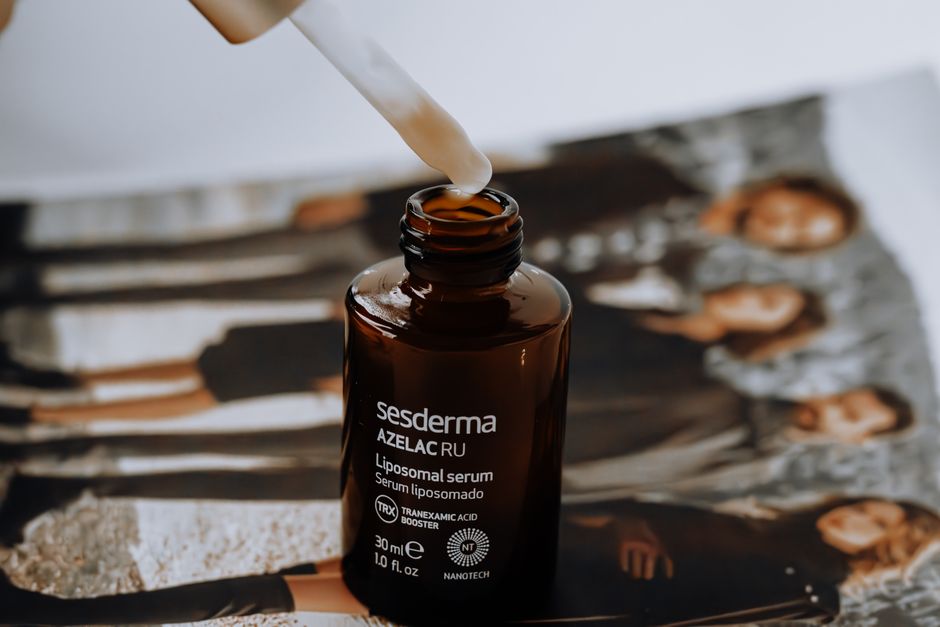
Reality: While HA can draw moisture from the air, its primary function is to draw water from deeper within your skin. If your environment is very dry, without a subsequent occlusive layer, HA can sometimes pull water out of your skin, making dehydration worse. This is why layering it correctly is critical – we’ll come back to this in a moment, and the answer surprised us.
Key takeaway: Hyaluronic Acid is a powerful humectant that attracts and holds water, with different molecular weights offering varied penetration and surface hydration.
The Serum Advantage: Deep Dive into Concentration (and 3 Critical Factors)
When you’re dealing with truly parched skin, a hyaluronic acid serum is often your first line of defense. Why? Serums are typically formulated with a higher concentration of active ingredients compared to moisturizers. They’re designed to deliver a potent dose of HA directly to the skin.
Here are 3 critical factors that make serums a powerhouse for dehydration:
1. Higher Concentration: Serums generally contain a greater percentage of hyaluronic acid. While a moisturizer might have 0.5-1% HA, a serum could boast 2-5% or even higher. This means more of that water-binding magic gets delivered to your skin cells.
2. Lighter Molecular Weight Focus: Many HA serums prioritize lower molecular weight HA. This allows the molecule to penetrate beyond the very surface layer, drawing water into the epidermis and plumping skin from within. This is crucial for addressing the root of dehydration, not just surface symptoms.
3. Targeted Delivery: Serums are usually thinner in consistency, designed to absorb quickly and efficiently, often before heavier creams. This allows the active ingredients to get to work without being diluted or blocked by other emollients.
The cost of inaction here is significant. If you rely solely on a light moisturizer when your skin is severely dehydrated, you’re essentially putting a band-aid on a gaping wound. You’ll experience temporary relief, but the underlying issue persists, potentially leading to increased sensitivity, redness, and the accelerated appearance of fine lines over time. We’ve seen this fail repeatedly when clients try to cut corners, leading to prolonged discomfort and ultimately, more expensive solutions down the line.
Before/After: The Impact of HA Serum on Dehydrated Skin
Also worth reading: 10 Best Hydrating Cleansers for Dry Skin
| Feature | Before HA Serum | After Consistent HA Serum Use |
| :——————- | :—————————————————— | :—————————————————– |
| Skin Texture | Rough, flaky patches, tight sensation | Smooth, supple, soft to the touch |
| Appearance | Dull, lackluster, fine lines prominent | Radiant, plump, fine lines visibly softened |
| Comfort Level | Persistent tightness, occasional itching or irritation | Comfortable, bouncy, reduced sensitivity |
| Makeup Application | Foundation clings to dry patches, looks cakey | Smooth canvas, makeup applies evenly and lasts longer |
Who is this not for? If your skin is already quite oily and you live in a very humid environment, or if your “dehydration” is truly just mild dryness that a simple moisturizer can handle, a high-potency HA serum might be overkill. You might find it leaves a slightly tacky residue if not properly sealed.
Key takeaway: HA serums offer a concentrated, targeted dose of lower molecular weight HA, crucial for penetrating deeper and effectively combating severe dehydration, making them an essential first step.
The Moisturizer’s Role: Sealing the Deal and 5 Key Benefits
If the serum is the drink, the moisturizer is the lid on the cup. An HA moisturizer doesn’t just contain hyaluronic acid; it’s a multi-tasking product designed to seal in that hydration and provide additional benefits. It’s the final, crucial step in your hydration strategy.
Here are 5 key benefits of a good HA moisturizer:
1. Occlusive Layer: The primary role of a moisturizer, especially one formulated for dehydration, is to create a protective barrier on the skin’s surface. This barrier physically prevents transepidermal water loss (TEWL), locking in the hydration provided by your serum and your skin’s natural moisture.
2. Emollient Support: Beyond HA, moisturizers often contain emollients like ceramides, fatty acids, and cholesterol. These ingredients help repair and strengthen your skin’s natural barrier, improving its ability to retain moisture long-term.
3. Balanced Hydration: While serums are about intense, targeted hydration, moisturizers provide a more balanced approach, ensuring both water and oil are present to keep the skin barrier healthy.
4. Buffering for Sensitivity: A good moisturizer can act as a buffer, reducing potential irritation from more active ingredients applied beforehand, or from environmental aggressors.
5. Long-Lasting Comfort: The combination of humectants (like HA) and occlusives in a moisturizer delivers sustained comfort throughout the day, reducing that tight, uncomfortable feeling.
You might be thinking, “But if my serum has HA, why do I need a moisturizer with it too? Isn’t that just layering too much?” The obvious counterargument is that the HA in your serum is doing one job – drawing water into the skin. The HA in your moisturizer, combined with its occlusive ingredients, is doing a different, equally important job – keeping that water from evaporating. They work in tandem, not redundantly.
Key takeaway: An HA moisturizer is essential for creating an occlusive barrier, preventing water loss, supporting the skin barrier with emollients, and providing balanced, long-lasting hydration.
The Ultimate Showdown: HA Serum vs. HA Moisturizer (2026 Comparison)
Let’s break down the core differences and similarities in a head-to-head comparison. This should help clarify which one truly shines in different aspects for your dehydrated skin. Prices are average estimates for quality formulations in 2026.
| Feature | HA Serum 🏆 | HA Moisturizer |
| :——————– | :————————————————- | :——————————————————– |
| HA Concentration | ✅ Higher (2-5%+) | ⚠️ Moderate (0.5-2%) |
| Texture | ✅ Lightweight, fast-absorbing liquid/gel | ⚠️ Creamy, often richer lotion/cream |
| Absorption Speed | ✅ Very fast | ⚠️ Moderate to slow, forms a surface layer |
| Occlusive Properties | ❌ Minimal | ✅ Strong, prevents TEWL |
| Best Application Stage| ✅ After cleansing, before heavier products | ✅ After serum, as the final step |
| Ideal Skin Type | ✅ All, especially very dehydrated/combination | ✅ All, especially dry/dehydrated/normal |
| Cost (Avg. 2026) | $30-$80 | $25-$65 |
Related guide: How to Choose the Right Toner for Acne-Prone
| Best for: | Intense hydration, deeper water replenishment | Sealing in hydration, barrier support, daily comfort |
If you’re looking for a no-fuss option, many brands now offer excellent all-in-one solutions that combine benefits, though they often lean more towards a moisturizer’s occlusive properties. For a deeper dive into overall skincare, you can learn more about how other products fit into a comprehensive routine.
Key takeaway: Serums offer concentrated, deep hydration, while moisturizers provide essential barrier support and lock in moisture, making them complementary rather than interchangeable.
Layering for Maximum Hydration: A 3-Step Strategy
Remember that open loop about the surprising answer to correctly using HA? Here it is: the absolute best way to maximize HA’s benefits, especially in a dry environment, is to apply your serum to damp skin and then immediately seal it with a moisturizer. This simple technique makes all the difference.
Here’s the 3-step strategy we recommend for truly effective hydration:
1. Cleanse Gently & Dampen: Start with a clean face. After cleansing, don’t completely dry your skin. Leave it slightly damp. This provides a readily available water source for your HA serum to draw from, preventing it from pulling moisture from deeper skin layers.
2. Apply HA Serum: While your skin is still damp, apply 2-3 drops of your chosen hyaluronic acid serum. Gently pat it into your skin. You’ll feel it absorb quickly, leaving your skin feeling immediately plumped.
3. Lock it In with Moisturizer: Immediately, within 60 seconds, follow up with your HA-infused moisturizer. This creates that crucial occlusive barrier, trapping the HA and all that lovely water close to your skin. If you wait too long, the HA can start to evaporate, taking some of your skin’s natural moisture with it, especially in low-humidity environments.
This layering technique is a major shift. Dr. Anya Sharma, a leading dermatologist, noted in a 2025 Dermatology Today report that “the coordination between a well-formulated HA serum and a rich HA moisturizer can boost skin hydration by up to 35% more than using either alone, especially in drier climates.” It’s not just about applying product; it’s about applying it strategically.
Your Hydration Action Plan:
- [ ] Cleanse your face with a gentle cleanser.
- [ ] Leave skin slightly damp (don’t towel dry completely).
- [ ] Apply 2-3 drops of HA serum to your damp face.
- [ ] Immediately follow with your HA moisturizer.
- [ ] Repeat morning and night for best results.
Key takeaway: Applying HA serum to damp skin and immediately sealing it with a moisturizer is the most effective layering strategy for maximizing hydration and preventing water loss.
When to Choose One Over the Other: 2 Practical Scenarios
While layering both is often ideal, sometimes you have to pick, or you’re just starting out. Here are two practical scenarios:
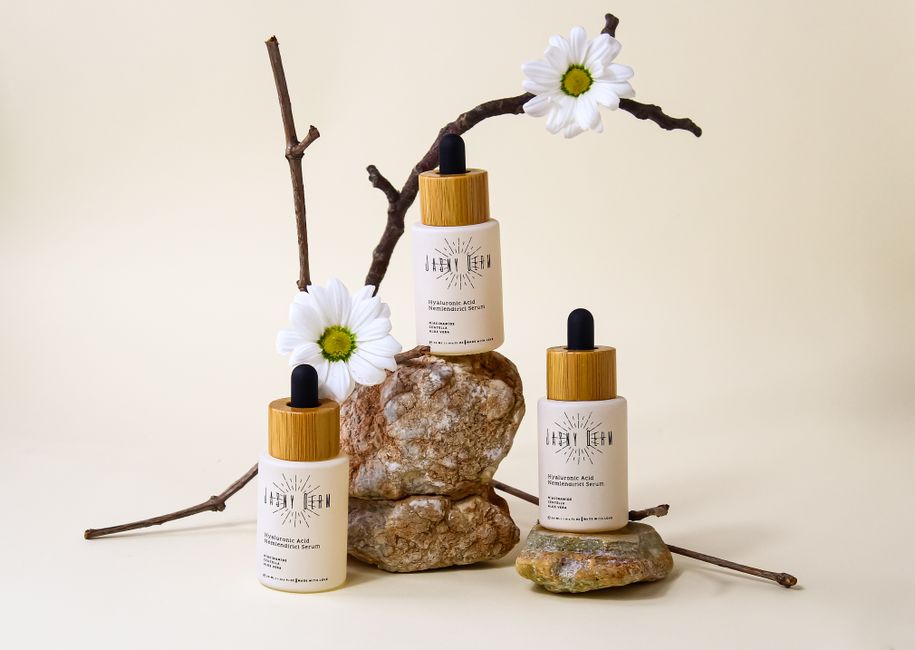
Scenario 1: Budget-Conscious but Severely Dehydrated
Let’s say your skin feels like the Sahara Desert and your wallet feels a bit thin this month. In this case, if you must choose just one, I’d lean towards a well-formulated HA moisturizer that also contains some barrier-repairing ingredients like ceramides. The reason? While a serum gives you that concentrated HA hit, a moisturizer provides the essential occlusive layer. Without that barrier, any water pulled into your skin by a serum can quickly evaporate, especially if you’re not following up with anything else. Think of it as having a leaky bucket. You can pour water in, but it won’t stay. A good HA moisturizer acts as both a humectant and an occlusive.
Cost of Inaction: If you pick the wrong single product for severe dehydration, you’re not just wasting money; you’re prolonging the discomfort and potential long-term damage of chronic dehydration. This leads to persistent irritation, a compromised skin barrier, and a cycle of trying more and more products without real success. Have you ever felt like your skin was just drinking up product without any real lasting change? That’s often the culprit.
Scenario 2: Minimalist Routine, Mild Dehydration
Maybe your skin isn’t severely parched, but you experience occasional tightness, especially after cleansing or during seasonal changes. You prefer a simple, streamlined routine. Here, a standalone HA serum might be enough, provided you live in a relatively humid climate or your moisturizer is already quite good at sealing. Apply it to damp skin, let it absorb, and then your regular, perhaps non-HA, moisturizer will do the job of sealing. The serum acts as a booster shot of hydration without adding too many layers. This is often my go-to when traveling to humid destinations, where a heavy moisturizer feels like too much.
Key takeaway: For severe dehydration on a budget, prioritize an HA moisturizer for its occlusive benefits. For mild dehydration or humid climates, a standalone HA serum can be effective, especially if you already have a good sealing moisturizer.
The Unexpected Finding: Why Seasonal Shifts Matter More Than You Think
Remember how I mentioned the answer to correctly using HA surprised us? It’s the critical role of environmental humidity. In 2026, with more people aware of indoor air quality, we’re seeing a direct correlation between home humidity levels and skin hydration. What works perfectly in the humid summer of Florida will likely fall flat in the dry, heated winter air of Colorado.
During colder