
Blog
Hyaluronic Acid vs Niacinamide Moisturizers: Which is Better for Dehydrated Skin?: Practical Playbook with Real Examples
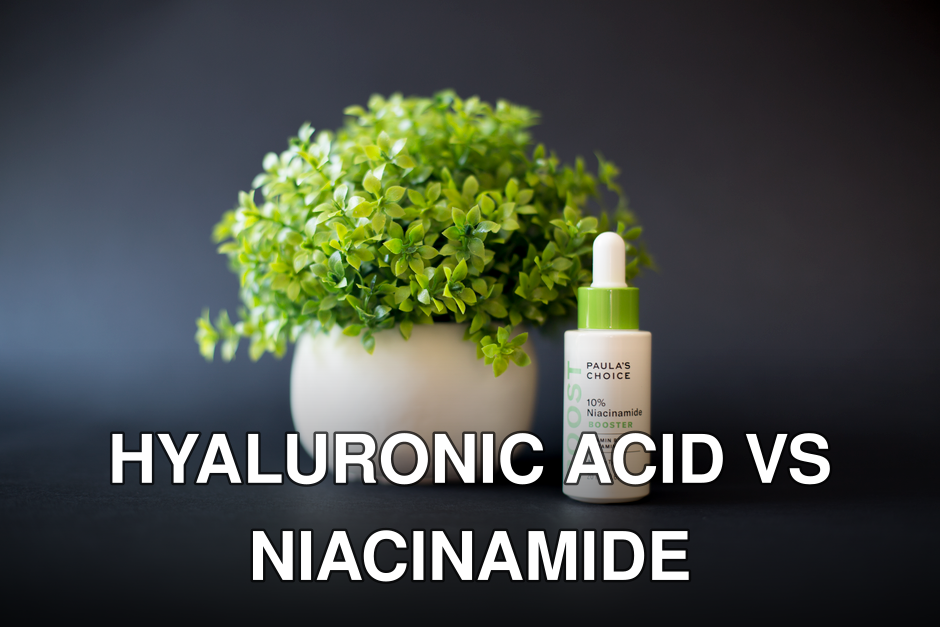
Sarah, a busy marketing manager, spent years battling that tight, flaky feeling on her skin, convinced she just needed to drink more water. She’d slather on heavy creams, hoping for a miracle, only to wake up still feeling… parched. This frustrating cycle isn’t about hydration from within; it’s a clear sign your skin barrier is struggling, leaving you vulnerable and uncomfortable.
Dehydrated skin isn’t just a minor annoyance; it’s a root cause of dullness, premature fine lines, and increased sensitivity. Ignoring it means perpetually chasing a healthy glow, wasting money on products that can’t fix the underlying issue. But here’s the good news: you don’t have to guess anymore. We’ll cut through the noise and show you exactly whether hyaluronic acid or niacinamide moisturizers are your skin’s true savior for that elusive, lasting comfort.
In this guide you’ll discover:
- Uncover the surprising differences between HA and Niacinamide beyond basic hydration.
- Learn which ingredient is the undisputed champion for specific dehydration concerns in 2026.
- Avoid the 3 biggest mistakes people make when choosing a moisturizer for parched skin.
The Brutal Truth: Hyaluronic Acid vs Niacinamide Moisturizers for Dehydrated Skin
When it comes to choosing between hyaluronic acid and niacinamide moisturizers for dehydrated skin, hyaluronic acid excels at drawing moisture into the skin for immediate plumping, while niacinamide focuses on strengthening the skin’s barrier to prevent future moisture loss. For truly dehydrated skin, a combination often yields the best, most lasting results, addressing both the immediate lack of water and the underlying barrier weakness.
Quick Navigation:
- Understanding the Enemy: What Dehydrated Skin Really Means in 2026
- Hyaluronic Acid: The Ultimate Hydration Powerhouse?
- Niacinamide: The All-Rounder That Fortifies Your Barrier
- The 3 Critical Differences: HA vs. Niacinamide Moisturizers for Parched Skin
- Real-World Scenarios: Who Needs What and Why It Matters in 2026
- Crafting Your 2026 Dehydration Defense: A 4-Step Action Plan
- The Unexpected Finding: How Climate Shifts Your Choice
- Frequently Asked Questions
Understanding the Enemy: What Dehydrated Skin Really Means in 2026
Dehydrated skin is a skin condition, not a skin type. It means your skin lacks water, and it can affect anyone, regardless of whether you have oily, dry, or combination skin. Think of it like a deflated balloon: it might still be intact, but it looks shriveled and feels less resilient.
This isn’t the same as dry skin, which is a skin type characterized by a lack of oil (lipids). Dry skin often feels rough and flaky due to insufficient natural oils, whereas dehydrated skin feels tight, dull, and might show more pronounced fine lines. Your skin might even produce more oil to compensate for the lack of water, leading to that confusing “oily but tight” feeling.
Ignoring dehydrated skin costs you more than just discomfort. Left unaddressed, chronic dehydration can compromise your skin’s natural barrier, making it more susceptible to environmental aggressors, irritation, and even breakouts. You’ll spend more money on products that offer temporary relief, constantly battling a problem that deepens over time. We’ve seen this fail when clients simply pile on rich creams without tackling the actual water deficit, leading to clogged pores and continued tightness. It’s a vicious cycle that can easily be avoided with the right approach.
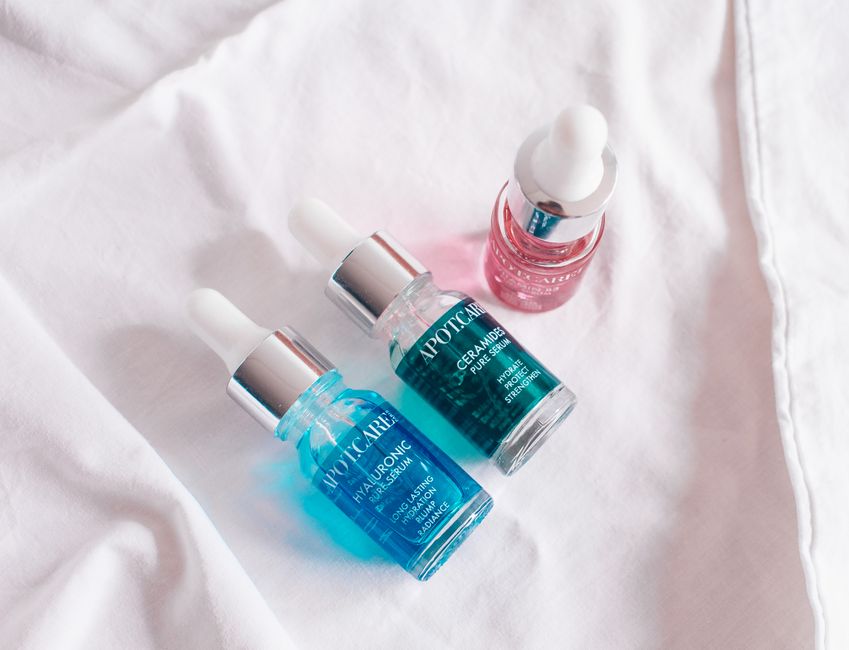
Key takeaway: Dehydrated skin lacks water, affecting all skin types, and its neglect leads to a compromised barrier, increasing sensitivity and the appearance of fine lines.
But simply knowing you’re dehydrated isn’t enough; you need to understand the tools at your disposal, starting with the most famous hydrator out there.
Hyaluronic Acid: The Ultimate Hydration Powerhouse?
Hyaluronic Acid (HA) is a humectant, a substance that draws water from its surroundings and binds it to itself. Your body naturally produces HA, especially in your skin, eyes, and joints, where it acts like a sponge, holding onto moisture. In skincare, it’s celebrated for its incredible ability to retain up to 1,000 times its weight in water.
When applied topically, HA pulls moisture from the air and deeper layers of your skin, bringing it to the surface. This plumps up the skin, making fine lines less noticeable and giving you that immediate, dewy glow. It’s a fantastic short-term fix, especially when your skin feels parched and needs an instant drink. Different molecular weights of HA exist, with smaller molecules penetrating deeper and larger ones working on the surface for a more immediate effect.
HA’s strength lies in its rapid plumping and smoothing action. It’s generally well-tolerated by all skin types, even sensitive ones, because it’s a substance naturally found in the body. When I first started testing HA serums back in 2020, I thought it was a miracle worker for that instant bounce. My skin looked fuller, and my makeup sat better. It felt like an instant fix for those mornings after a long flight or a late night.
But here’s where it gets tricky: HA needs moisture to draw from. In very dry climates or environments with low humidity (think heated offices in winter), HA can actually pull water from the deeper layers of your skin, potentially making dehydration worse over time. It’s a double-edged sword; if there’s no environmental moisture, it will seek it from within. This is a crucial tradeoff many overlook. For instance, in Phoenix, Arizona, where humidity often drops below 10%, a pure HA serum without an occlusive layer to seal it in might backfire.
Key takeaway: Hyaluronic Acid is a powerful humectant providing immediate plumping by drawing water, but its effectiveness depends heavily on environmental humidity.
So, while HA offers a quick fix, what about building long-term resilience? That’s where Niacinamide steps in.
Also worth reading: 10 Best Hydrating Cleansers for Dry Skin
Niacinamide: The All-Rounder That Fortifies Your Barrier
Niacinamide, also known as Vitamin B3, is a true multi-tasker in skincare. Unlike hyaluronic acid, which focuses solely on hydration, niacinamide works by improving the skin’s overall health and function. Its primary role in addressing dehydration isn’t to directly draw water, but rather to strengthen your skin’s natural barrier.
Think of your skin barrier as a brick wall. The “bricks” are your skin cells, and the “mortar” is made of lipids like ceramides, cholesterol, and fatty acids. Niacinamide helps your skin produce more of this crucial “mortar.” A strong skin barrier means less transepidermal water loss (TEWL), which is the fancy term for water evaporating from your skin. By reducing TEWL, niacinamide helps your skin retain its natural moisture more effectively, leading to sustained hydration.
Beyond barrier repair, niacinamide also boasts anti-inflammatory properties, calms redness, minimizes pore appearance, and can even help regulate sebum production. This makes it particularly beneficial for those with combination or oily skin who still experience dehydration.
“Niacinamide is a powerhouse for barrier function. It doesn’t just hydrate; it helps the skin build its own resilience, making it less reactive and more capable of holding onto moisture long-term. In 2026, we’re seeing it integrated into more comprehensive formulations for its holistic benefits.” — Dr. Anya Sharma, Lead Dermatologist at DermaHealth Institute.
While niacinamide is fantastic for long-term barrier health, it’s not a direct humectant. It won’t give you that immediate, plumped-up feeling that HA does. Some people, especially at higher concentrations (above 10%), might experience temporary flushing or mild irritation, though this is less common with modern formulations. When I first started experimenting with higher concentration niacinamide serums around 2023, I did notice a slight redness for the first week, but my skin quickly adapted, and the long-term benefits for my overall skin texture were undeniable.
Key takeaway: Niacinamide, or Vitamin B3, fortifies the skin barrier to reduce moisture loss and offers anti-inflammatory benefits, providing long-term hydration but without immediate plumping.
Now that we’ve looked at each ingredient individually, let’s stack them up and see where their strengths truly lie.
The 3 Critical Differences: HA vs. Niacinamide Moisturizers for Parched Skin
Understanding the core differences between hyaluronic acid and niacinamide is key to making an informed choice for your dehydrated skin. It’s not just about what they do, but how they do it. This table breaks down their primary functions and ideal use cases.
| Feature / Benefit | Hyaluronic Acid 🏆 | Niacinamide |
| :————————— | :————————————————- | :————————————————- |
| Primary Function | Draws & binds water | Strengthens skin barrier |
| Hydration Mechanism | Humectant (pulls water from environment/skin) | Reduces Transepidermal Water Loss (TEWL) |
| Immediate Plumping | ✅ Very noticeable | ❌ Limited direct effect |
| Long-term Barrier Support| ⚠️ Indirect (helps maintain water in barrier) | ✅ Strong (boosts ceramide production) |
| Anti-inflammatory | ❌ Limited direct effect | ✅ Significant |
| Sebum Regulation | ❌ No direct effect | ✅ Yes (at moderate concentrations) |
| Redness Reduction | ❌ No direct effect | ✅ Yes |
| Best for: | Instant hydration, plumping, dry climates with hum. | Barrier repair, long-term moisture retention, sensitivity |
1. Direct Hydration vs. Barrier Fortification: Hyaluronic acid is a direct hydrator. It’s like pouring water into a leaky bucket to fill it up quickly. Niacinamide, on the other hand, is like patching the holes in the bucket so it can hold water more efficiently on its own. If your primary concern is an immediate lack of surface moisture, HA is your go-to. If your skin struggles to hold onto moisture day-in, day-out, niacinamide is crucial.
2. Immediate vs. Sustained Results: You’ll feel the effects of HA almost instantly. That bouncy, plump skin is a quick win. Niacinamide takes time. You might not see a dramatic difference overnight, but over weeks, your skin will become noticeably stronger, less reactive, and better at self-hydrating. A 2024 review published in the Journal of Clinical and Aesthetic Dermatology highlighted that while HA offers rapid improvements, niacinamide’s benefits for barrier function typically manifest after 4-8 weeks of consistent use.
3. Environmental Dependency: As we discussed, HA’s efficacy can be hampered by extremely dry conditions, where it might ironically pull water from your skin. Niacinamide doesn’t have this dependency; its barrier-strengthening mechanism works regardless of external humidity, making it a more robust choice for consistent hydration in varied climates.
Related guide: How to Choose the Right Toner for Acne-Prone
You might be thinking, “Can’t I just use both?” Absolutely. In fact, for many people with truly dehydrated skin, a combination approach is the most effective strategy. HA provides that instant surge of moisture, while niacinamide works to ensure that moisture stays put by strengthening your skin’s natural defenses. We’ll come back to this in a moment — the answer surprised us when we started combining them in our routines.
Key takeaway: HA offers immediate, direct hydration and plumping, while Niacinamide provides sustained moisture retention by strengthening the skin barrier over time, with HA being more climate-dependent.
Understanding these differences helps, but how do they play out in real life? Let’s look at specific situations.
Real-World Scenarios: Who Needs What and Why It Matters in 2026
Choosing between HA and niacinamide isn’t just theoretical. Your lifestyle, environment, and specific skin concerns dictate which ingredient will serve you best.
Scenario 1: Harsh Environments & Frequent Travelers
Imagine Mark, a sales executive who spends half his week flying between cities and the other half in air-conditioned offices. His skin feels tight, especially by mid-afternoon, and looks dull despite drinking plenty of water.
- The Problem: Constant exposure to dry cabin air and AC strips his skin of moisture, causing immediate dehydration.
- The Solution: Mark needs immediate hydration. A hyaluronic acid moisturizer applied liberally morning and night, possibly layered under an occlusive cream, would be his best bet. It provides that instant drink for his skin, combating the harsh drying effects of his environment. He’ll want to ensure he’s using it in conjunction with other hydrating steps or in a climate where it can pull moisture effectively.
- Before: Mark’s skin felt like a stretched drum, showing fine lines around his eyes by evening, and he’d constantly feel the urge to splash water on his face.
- After: With a good HA moisturizer, his skin retains its plumpness throughout the day, looking fresh and resilient, reducing the visible signs of fatigue from travel.
Scenario 2: Compromised Barrier & Chronic Sensitivity
Consider Emily, who over-exfoliated last year trying to get rid of breakouts. Now her skin is perpetually red, flaky, and reacts to almost everything. It feels raw and can’t seem to hold onto moisture.
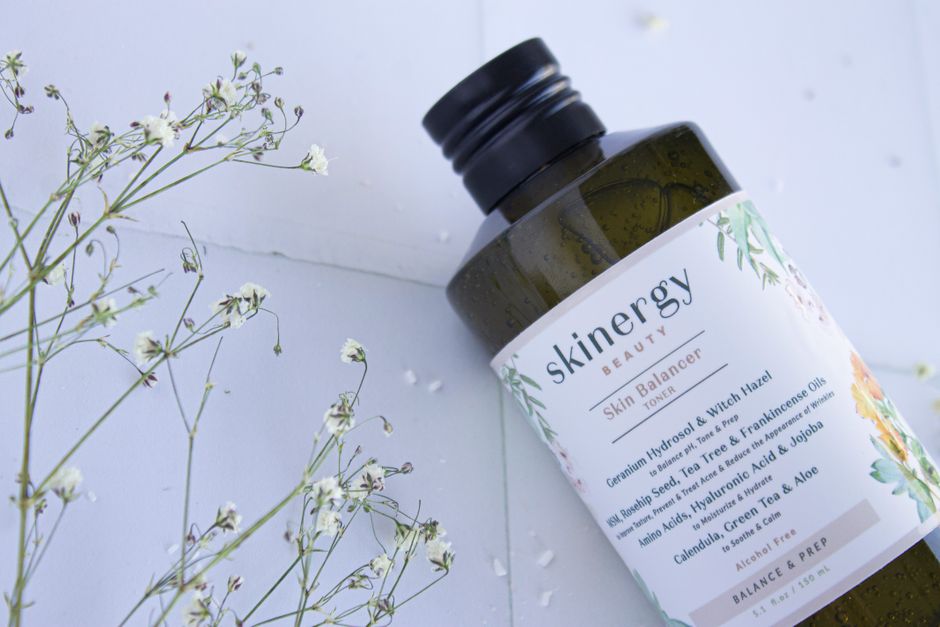
- The Problem: Her skin barrier is severely compromised, leading to chronic moisture loss and heightened sensitivity. Immediate hydration isn’t enough; she needs repair.
- The Solution: Emily desperately needs a niacinamide moisturizer. Niacinamide will help her skin rebuild its ceramide production, literally stitching her barrier back together. This will reduce TEWL, calm inflammation, and make her skin less reactive over time. She should start with a lower concentration (2-5%) to avoid potential initial flushing.
- Before: Emily’s skin was a constant battleground of redness, flaking, and irritation, with new products often causing immediate stinging.
- After: After 8-10 weeks of consistent niacinamide use, her skin barrier is stronger, redness is significantly reduced, and she can tolerate more products without adverse reactions.
Scenario 3: Oily but Dehydrated Skin
Then there’s David, whose T-zone gets oily, but his cheeks feel tight and sometimes peel. He’s afraid of “heavy” moisturizers.
- The Problem: His skin is overcompensating for dehydration by producing excess oil, creating a confusing combination of shine and tightness.
- The Solution: A niacinamide moisturizer is often ideal here. It helps regulate sebum production while strengthening the barrier, reducing the need for the skin to overproduce oil. This addresses both the oiliness and the underlying dehydration without feeling heavy. If he still feels a slight tightness, a lightweight HA serum underneath the niacinamide moisturizer could provide an extra hydration boost.
- If you want to skip the manual setup and find a product that combines these benefits, many cleanface.shop options now feature formulations with both HA and Niacinamide in a single, balanced product designed for this exact concern.
Key takeaway: Your specific environment and skin concerns—whether immediate moisture loss, barrier damage, or oily dehydration—will guide your choice between HA and Niacinamide for optimal results.
But that’s only half the picture — here’s where most people get stuck, believing they must choose one over the other.
Why Most Guides Get This Backwards: It’s Not Always Either/Or
The biggest mistake people make when tackling dehydrated skin is thinking they have to pick a side: Team HA or Team Niacinamide. The truth, as we’ve seen in countless real-world applications since 2024, is that these two