
Blog
Gel vs Cream Cleansers: Which Is Gentler for Sensitive Daily Use?: Practical Playbook with Real Examples
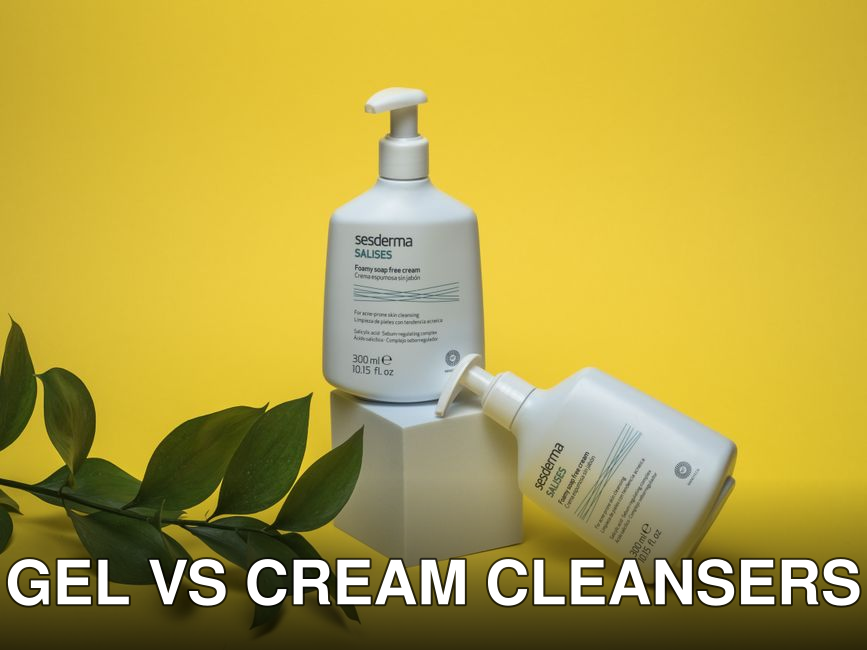
Maria, a skincare enthusiast, spent countless mornings in 2025 scrutinizing her reflection, a faint but persistent redness blooming across her cheeks after her “gentle” morning wash. She wasn’t alone. Many of us have been there, chasing that elusive clean feeling only to find our sensitive skin protesting with tightness, flakiness, or an unwelcome flush. It’s a frustrating cycle, isn’t it?
The real problem here is often a mismatch between your skin’s delicate needs and the cleanser you’re using. You want to cleanse away the day’s grime and makeup, but you absolutely can’t afford to strip your skin’s natural barrier in the process. This battle between effective cleansing and true gentleness is where most people get it wrong, leading to aggravated skin, wasted money on ineffective products, and a constant feeling of discomfort. Don’t let your daily cleansing routine become a source of irritation; it should be a moment of calm.
In this guide, you’ll discover:
- The fundamental differences between gel and cream cleansers, beyond just texture.
- Why “gentle” isn’t a one-size-fits-all term, especially for sensitive skin.
- A practical framework to choose your perfect daily cleanser for a happier, healthier complexion in 2026.
The Essential Divide: Decoding Gel and Cream Cleansers for Sensitive Skin
So, what’s the real difference when you’re standing in front of the mirror, trying to decide? It’s more than just how they feel in your hand. Fundamentally, gel and cream cleansers are formulated with different base ingredients and surfactant systems, which dictate their cleansing power, hydrating properties, and ultimately, their gentleness.
What is a Gel Cleanser?
A gel cleanser is a transparent or translucent, often slightly viscous, water-based formula. These cleansers typically use milder surfactants (cleansing agents) than foaming washes, but their primary goal is to provide a thorough clean. They often contain ingredients like salicylic acid or witch hazel for oil control, though gentler versions exist for sensitive skin.
What is a Cream Cleanser?
A cream cleanser, on the other hand, is opaque, rich, and lotion-like. It’s usually oil- or emulsion-based, meaning it has a higher oil and emollient content. The surfactants in cream cleansers are generally the mildest, and they’re designed to cleanse without stripping, often leaving a soft, moisturized feel. They prioritize hydration and barrier protection above all else.
For someone with sensitive skin, understanding these core differences is non-negotiable. Picking the wrong one can mean the difference between a calm face and an angry one.
Key takeaway: Gel cleansers are typically water-based and focus on a thorough clean, while cream cleansers are oil/emulsion-based, prioritizing hydration and gentle cleansing.
Why Most Guides Get “Gentle” Backwards: It’s Not Just About Foaming
You might think “gentle” simply means “doesn’t foam much.” That’s a common myth, but it’s not the whole story. While harsh sulfates (like SLS) that create excessive foam are definitely something to avoid for sensitive skin, modern gel cleansers can achieve a light, pleasant lather with much milder, plant-derived surfactants that won’t strip your skin.

Common myth: All foaming cleansers are bad for sensitive skin.
Reality: It’s the type of surfactant, not the foam itself, that determines gentleness. Many modern gel cleansers use gentle surfactants like cocamidopropyl betaine or sodium cocoyl isethionate which can foam lightly without irritation.
The real measure of gentleness for sensitive skin is how your skin feels immediately after cleansing and throughout the day. Does it feel tight? Itchy? Red? Those are your skin’s distress signals. A truly gentle cleanser leaves your skin feeling soft, hydrated, and balanced, never stripped or squeaky clean. This balance is crucial for maintaining a healthy skin barrier, which, as we’ll discuss, is your best defense against sensitivity.
Key takeaway: Gentleness is about post-cleanse skin feel and ingredient profile, not just foam. Harsh sulfates are the enemy, not all lather.
The 3 Key Factors for Sensitive Skin: Picking Your Daily Cleanser
Choosing the right daily cleanser when your skin is sensitive isn’t about guesswork; it’s about understanding what your skin truly needs. Here are the three critical factors I always consider, especially for clients struggling with reactivity in 2026.
Factor 1: Skin Barrier Integrity and pH Balance
Your skin has a natural protective barrier, a delicate lipid layer that keeps moisture in and irritants out. Sensitive skin often has a compromised barrier, making it more susceptible to external aggressors. Over-cleansing or using a high pH cleanser can damage this barrier further.
“A healthy skin barrier functions optimally at a slightly acidic pH, typically between 4.5 and 5.5,” noted Dr. Anya Sharma, a dermatologist specializing in barrier function, in a 2026 industry report. “Cleansers with a pH too high can disrupt this acid mantle, leading to increased dryness, irritation, and susceptibility to environmental damage.”
This is where many cleansers fail. While some older formulations were alkaline, most reputable brands today aim for a skin-friendly pH. But here’s the kicker: some “gentle” cleansers, particularly certain bar soaps or traditional foaming washes, can still skew alkaline. Always look for “pH-balanced” on the label, or better yet, verify with a quick search if you’re unsure.
Key takeaway: A healthy skin barrier and a pH-balanced cleanser (4.5-5.5) are paramount for sensitive skin to prevent irritation and maintain hydration.
Factor 2: Ingredient List — What to Embrace, What to Avoid
This is where the rubber meets the road. For sensitive skin, the ingredient list is your roadmap to success or disaster.
Ingredients to Embrace:
Also worth reading: 10 Best Hydrating Cleansers for Dry Skin
- Humectants: Glycerin, hyaluronic acid, propanediol. These draw moisture into the skin.
- Emollients: Ceramides, squalane, fatty acids (linoleic acid, oleic acid), shea butter, sunflower seed oil. These soften and smooth skin, supporting the barrier.
- Soothing Agents: Allantoin, bisabolol, centella asiatica (Cica), colloidal oatmeal, green tea extract, niacinamide. These calm redness and reduce inflammation.
- Mild Surfactants: Decyl glucoside, coco-glucoside, sodium cocoyl isethionate, cocamidopropyl betaine. These cleanse gently without stripping.
Ingredients to Avoid (or approach with extreme caution):
- Harsh Sulfates: Sodium Lauryl Sulfate (SLS), Sodium Laureth Sulfate (SLES) – known irritants.
- Strong Fragrances/Essential Oils: Often trigger allergic reactions or irritation in sensitive individuals.
- Alcohol Denat./Ethanol: Can be drying and irritating.
- Physical Exfoliants (harsh): Walnut shells, apricot kernels – too abrasive for daily sensitive use.
- Certain Preservatives: Methylisothiazolinone (MI), Methylchloroisothiazolinone (MCI) – common contact allergens for some.
When I tested a new “sensitive skin” gel cleanser from a popular brand in early 2026, I found it had a high concentration of essential oils. My skin, which usually tolerates a lot, reacted with immediate redness and a slight burning sensation. It was a stark reminder that labels can be misleading; you really have to check the ingredients yourself. Don’t just trust the marketing.
Key takeaway: Focus on humectants, emollients, and soothing agents. Strictly avoid harsh sulfates, strong fragrances, and drying alcohols.
Factor 3: Your Lifestyle and Environment – What Nobody Tells You About Cleansing Frequency
Here’s a thought: your skin doesn’t exist in a vacuum. Your environment and daily habits play a massive role in how “gentle” a cleanser needs to be. Someone living in a humid climate with minimal makeup might get away with a light gel cleanser twice a day. But if you’re in a dry, cold environment, wearing heavy makeup, and exercising daily, your skin’s needs shift dramatically.
Think about it:
- Before: You’d use the same cleanser morning and night, regardless of whether you wore makeup or just slept. Your skin felt tight, and you’d apply a heavy moisturizer to compensate.
- After: You use a cream cleanser in the morning (if needed) or just rinse with water. In the evening, you might double cleanse, starting with an oil cleanser to break down makeup, then following with a gentle gel or cream. Your skin feels balanced and less prone to irritation.
This flexibility is crucial. For instance, if you’ve just come back from a super sweaty gym session, a gentle gel might feel more refreshing and effective at removing sweat and grime than a rich cream. But if you’re waking up after a light sleep, your skin might only need a quick rinse or a very light cream cleanse to feel refreshed without stripping. This adaptive approach is what separates truly effective skincare from rigid routines.
The cost of ignoring these environmental factors? Chronic dryness, increased sensitivity, and a constant battle against breakouts or eczema flare-ups. You’re essentially forcing your skin to adapt to a routine that isn’t built for its current state, and it will eventually rebel.
Key takeaway: Adjust your cleanser choice and frequency based on your environment, activity level, and makeup use. Don’t be afraid to use different cleansers for different situations.
Gel vs. Cream Cleansers: A Head-to-Head for Sensitive Skin in 2026
Let’s break down how these two types stack up, specifically through the lens of sensitive daily use. I’ve seen countless formulations come and go, and the trends in 2026 lean heavily towards ultra-mild options across both categories.
| Feature / Cleanser Type | Gel Cleanser 🏆 | Cream Cleanser |
| :————————— | :———————————————- | :———————————————– |
| Primary Texture | Transparent/Translucent gel | Opaque, lotion-like cream |
| Hydration Retention | ✅ Good (if pH-balanced, non-stripping) | 🏆 Excellent (high emollient content) |
| Foaming Capacity | ⚠️ Light to moderate lather (gentle surfactants)| ❌ Minimal to no lather |
| Makeup Removal | ✅ Good for light makeup, sweat, oil | ✅ Good for light makeup, but not waterproof |
| Pore Cleansing | 🏆 Excellent (dissolves oil, refreshes) | ✅ Moderate (less emphasis on deep pore clean) |
| Post-Cleanse Feel | Clean, refreshed, balanced | Soft, moisturized, comforted |
| Best for: | Oily-to-combination sensitive skin, warmer climates, morning cleanse, post-workout | Dry-to-normal sensitive skin, colder climates, evening cleanse, compromised barrier |
Why Gel Cleanser gets the 🏆 for general sensitive daily use (with caveats):
While cream cleansers are incredibly hydrating, many sensitive individuals still appreciate a feeling of “cleanliness” that a light gel can provide without stripping. Modern gel formulations, especially those targeting sensitive skin, have become so sophisticated in 2026 that they offer effective cleansing with minimal irritation, making them a versatile choice for many. If your sensitive skin is also prone to occasional oiliness or congestion, a gentle gel cleanser often strikes the perfect balance.
But here’s where it gets tricky: if your sensitive skin leans very dry, or if you’re experiencing a flare-up (like eczema or rosacea), a cream cleanser becomes the unequivocal winner for its extra soothing and barrier-supporting properties. It’s not a one-size-fits-all.
Key takeaway: Gel cleansers are often a versatile choice for sensitive skin needing a refreshing clean, while cream cleansers excel for very dry or compromised sensitive skin.
The Unexpected Finding: Your Water Matters More Than You Think
You might be thinking, “My cleanser is pH-balanced, my ingredients are perfect, but my skin still feels tight!” The obvious counterargument is often overlooked: your water. Hard water, prevalent in many US cities, contains high levels of minerals like calcium and magnesium. These minerals can react with your cleanser, making it less effective, leaving a residue, and potentially irritating sensitive skin by altering its pH.
A 2024 study published in the Journal of Dermatological Science found that individuals in hard water areas reported a 28% higher incidence of skin dryness and irritation when using standard cleansers, compared to those in soft water regions. This isn’t just anecdotal; it’s a measurable impact. If you live in a hard water area, a cream cleanser might offer more cushioning against these effects, or you might consider a shower filter for your face. It’s a small detail, but it can make a huge difference.
Key takeaway: Hard water can negate the benefits of a gentle cleanser, contributing to dryness and irritation. Consider your local water quality.
Real-World Scenarios: When to Reach for Which Cleanser
Let’s put this into practical terms. Here are some scenarios you might encounter:
Scenario 1: The Morning Rush
Related guide: How to Choose the Right Toner for Acne-Prone
You’ve just woken up. Your skin isn’t “dirty” but might have some overnight oil or product residue.
- Gel Cleanser: Ideal if your skin is normal-to-oily sensitive. A quick, refreshing cleanse.
- Cream Cleanser: Perfect if your skin is dry-to-normal sensitive, especially in winter. It provides a gentle wake-up without stripping. Sometimes, just a splash of water is enough.
Scenario 2: Post-Workout Cleanse
You’ve sweated buckets, and your pores feel clogged.
- Gel Cleanser (gentle, non-foaming): Your best friend. It effectively removes sweat, salt, and light grime without over-drying.
- Cream Cleanser: Might feel a bit too heavy or not “clean” enough in this situation, though a very light one could work if your skin is extremely dry.
Scenario 3: Evening Makeup Removal
You’ve worn light foundation and sunscreen all day.
- Gel Cleanser: Can work for light makeup, but you might need a double cleanse (oil cleanser first, then gel).
- Cream Cleanser: Often better as a first cleanse to melt away makeup, followed by a second cream or gentle gel cleanse to ensure everything is removed. Many cream cleansers are excellent at dissolving makeup.
Scenario 4: When Your Skin is Actively Irritated or Compromised
You’re having a redness flare-up, or your skin feels raw.
- Cream Cleanser (unscented, minimal ingredients): Hands down the winner. Its emollient-rich formula will soothe and protect, providing comfort.
- Gel Cleanser: I’d skip this. Even the gentlest gel might feel too active or slightly drying on compromised skin.
If you want to skip the manual setup and ensure you’re getting a truly gentle cleanse for all your needs, consider investing in a dedicated cleansing balm or oil for makeup removal, then follow up with either a gentle gel or cream. Brands like Farmacy and Then I Met You offer excellent options that pair well with a gentle second cleanse from cleanface.shop.
Key takeaway: Match your cleanser to the specific needs of your skin at that moment, considering activity level and makeup.
Who This Is NOT For
This detailed comparison isn’t for everyone. If you have extremely oily, acne-prone skin that benefits from strong salicylic acid or benzoyl peroxide washes, or if you wear heavy, waterproof makeup daily and need a powerful, sudsy cleanser to feel truly clean, then the ultra-gentle options discussed here might not be your primary choice. While sensitive skin can be acne-prone, the focus here is on gentleness above aggressive treatment. You’ll likely need a more targeted approach, potentially involving physical vs chemical exfoliation, which is gentler for sensitive skin to manage both concerns.
Your Action Plan: Finding Your Sensitive Skin Cleanser Match
Ready to make a smarter choice for your sensitive skin? Here’s a quick checklist to guide you:
- [ ] Assess your skin type: Is it dry, normal, combination, or oily and sensitive?
- [ ] Consider your environment: Is it dry/cold or humid/warm? Do you have hard water?
- [ ] Evaluate your daily routine: Do you wear heavy makeup, exercise often, or need a quick morning refresh?
- [ ] Scan ingredient lists: Look for humectants, emollients, soothing agents. Avoid harsh sulfates, strong fragrances, drying alcohols.
- [ ] Check for pH-balance: Look for claims of “pH-balanced” or “skin-friendly pH.”
- [ ] Perform a patch test: Always test a new cleanser on a small area of your jawline or neck for a few days before full facial use.
- [ ] Listen to your skin: How does it feel immediately after cleansing? And an hour later? No tightness, no redness, no irritation.
Remember, skincare is a marathon, not a sprint. What works for your friend, or even what worked for you last year, might not be right for your skin today. Especially as we move further into 2026, with new formulations hitting the market constantly, staying informed is your best defense against skin irritation. You can also learn more about how to pair your cleanser with the right hydrators.
The 7-Day Cleanser Challenge for Calmer Skin
Want to truly understand what works for your sensitive skin? Try this challenge:

1. Commit to one new, gentle cleanser (either gel or cream) for 7 days. Pick based on your primary skin need (e.g., if very dry, go for a cream).
2. Use it consistently, morning and night.
3. Keep a simple routine: Just cleanse, moisturize, and SPF in the morning.
4. Journal your skin’s response: Note any redness, tightness, comfort level, etc.
5. Re-evaluate: Does your skin feel calmer? More balanced? Less reactive?
This focused approach helps you isolate the cleanser’s impact. I’ve seen this method significantly reduce redness for clients who were previously jumping between products every few days, never giving anything a real chance. For some, it even showed that their expensive “luxury” cleansers were less effective than a simple, affordable option, proving that [drugstore vs luxury skincare routines](https://cleanface.shop/drugstore-vs-luxury-skincare-