
Blog
Korean Skincare vs Drugstore Brands: Which Moisturizers Work Better for Dehydrated Skin?: Practical Playbook with Real E
Picture this: You’re staring at two moisturizers. One’s a sleek, pastel-tubed Korean cream promising glass skin. The other? A trusty drugstore staple you’ve seen on shelves since forever. Both claim to fix your dehydrated skin, but which one actually delivers?
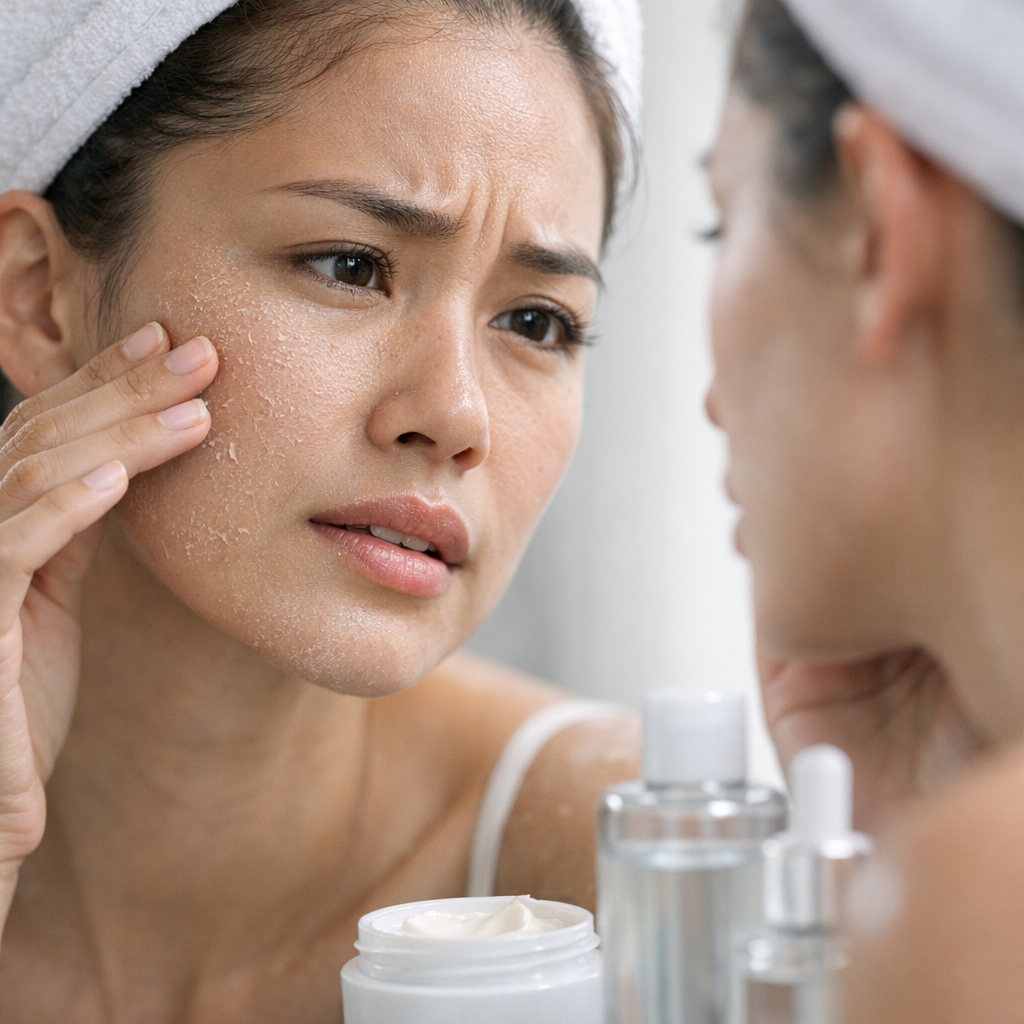
Here’s the thing—dehydrated skin isn’t just “dry.” It’s thirsty. Whether it’s flaking, tightness, or that dull, lifeless look in the mirror, you need more than a surface fix. And while Korean skincare has been the buzzword for innovation and hydration lately, drugstore brands are no slouch either (especially in 2026). But how do they stack up?
In this guide, we’ll break it all down:
- The real difference between Korean and drugstore moisturizers (hint: it’s not just packaging).
- What makes a moisturizer actually work for dehydrated skin.
- Specific product examples to help you decide what deserves space on your shelf (and wallet).
Let’s settle this debate once and for all.
What Makes Dehydrated Skin So Tricky?
Before we get into the products, let’s talk about why dehydrated skin is such a nightmare to deal with. Unlike dry skin—which lacks oil—dehydration is about water loss. Your skin might still get oily during the day but feel tight underneath (so unfair, right?). Environmental factors like cold winters or blasting AC only make things worse.
Cost of ignoring it: If you leave dehydration unchecked, your skin barrier weakens over time. That means more redness, sensitivity, and even fine lines showing up earlier than they should. Basically, you’re fast-tracking premature aging—and who wants that?
Key Ingredients That Actually Help
For dehydrated skin relief in 2026 (not last decade), here’s what to look for:
- Hyaluronic Acid: The OG humectant that pulls water into your skin like a sponge.
- Ceramides: Essential lipids that restore your barrier so moisture stays locked in.
- Glycerin: Underrated but powerful at hydrating without clogging pores.
- Panthenol: A soothing agent perfect if your dehydration comes with irritation.
Got those written down? Good—because this is where Korean formulas start flexing their ingredient muscles.
Why Korean Skincare Is Winning Hearts Worldwide
K-beauty isn’t just hype; it’s a movement built on layering lightweight hydration while being gentle on sensitive skin types. Their moisturizers tend to focus on natural extracts paired with cutting-edge science (think fermented ingredients or snail mucin). Plus, they’re masters of texture—creams that feel like clouds instead of grease.
Real Example: COSRX Advanced Snail 92 All In One Cream
This cult-favorite moisturizer contains 92% snail secretion filtrate—a hydrating powerhouse loaded with glycoproteins and antioxidants. When I tried this last winter after my heater turned my face into sandpaper, I was shocked at how quickly it calmed redness while making my skin plump again.
But here’s the tradeoff: K-beauty often takes patience since many products are designed for gradual improvement rather than instant gratification.
Key takeaway: Korean skincare shines when hydration needs finesse rather than brute force. Perfect if you’re committed to long-term results.
Also worth reading: Drugstore vs Luxury Vitamin C Treatments
Where Drugstore Brands Hold Their Ground
Don’t underestimate your local CVS aisle—it’s come a long way from greasy cold creams and overly perfumed lotions. In fact, big players like CeraVe and Neutrogena have stepped up their game by focusing on dermatologist-led formulations.
Real Example: CeraVe PM Facial Moisturizing Lotion
This affordable gem combines ceramides with niacinamide (great for calming sensitivity) while feeling weightless enough to layer under makeup. I’ve personally recommended this product countless times because it works across almost every skin type without breaking anyone out—or breaking budgets.
Still skeptical? You might be thinking drugstore moisturizers aren’t as “luxurious” or effective as high-end ones—but here’s the reality: They often use the same lab-tested ingredients minus frills like exotic extracts or Instagram-worthy packaging.
Key takeaway: Drugstore brands excel at giving you dependable results without emptying your bank account—or overcomplicating routines.
Head-to-Head Comparison Table
Let’s put some structure around all this talk by comparing these two worlds side by side:
| Feature | 🏆 Korean Skincare | Drugstore Brands |
|——————————–|———————————-|———————————-|
| Hydration Depth | ✅ Specialized multi-step focus | ✅ Effective single-step fixes |
| Ingredient Innovation | ✅ Fermented ingredients/snails ⚠️ Basic lab-proven staples |
| Texture & Sensory Experience | ✅ Luxurious & lightweight | ❌ Can feel heavier |
| Price Range | ⚠️ $20–$50 per jar | ✅ $10–$25 |
| Accessibility | ❌ Mostly online-only | ✅ Everywhere locally |
| Best For | Layering hydration lovers | No-nonsense routines |
Best for: If layering serums sounds fun to you (or you’re obsessed with dewy finishes), go K-beauty every time. But if convenience and simplicity matter more? Stick with drugstore staples—they won’t let you down.
Who Should Skip This Entire Debate?
If your problem isn’t dehydration but severe dryness due to medical conditions like eczema or psoriasis, neither category may hit the mark alone—you’ll need prescription-grade solutions instead (talk to a dermatologist).
Also worth mentioning: If you hate experimenting or switching routines frequently (raises hand), stick with what already works until there’s an actual reason not to change!
Myths About “Moisturizer Quality” You Need To Forget
Common myth: Expensive = Better Results
Reality: Nope! Some pricier creams pack filler ingredients that don’t do much beyond feeling fancy on application day one—but fail long-term hydration tests (cue buyer regret).
Related guide: read more: Affordable Drugstore vs
Common myth: Oilier = More Hydrating
Reality: Oils can seal moisture in but don’t hydrate themselves—so skip heavy balms unless paired properly with humectants first!
How To Choose Your Next Moisturizer
Here’s an actionable checklist before adding anything new into rotation:
- [ ] Does it target dehydration specifically?
- [ ] Are there proven actives included (hyaluronic acid/cermides)?
- [ ] Will its texture suit your actual lifestyle—lightweight vs overnight rich creams?
- [ ] Is the price sustainable long-term if results require consistency?
If any product fails two or more boxes above—it probably isn’t worth testing further! For more detailed ingredient breakdowns tailored specifically toward sensitive users check this guide.
Frequently Asked Questions
Q: Can I mix both types of products in my routine?
Absolutely! Many people combine a Korean essence or serum under their favorite drugstore moisturizer for extra oomph without overspending.
Q: Is snail mucin really worth trying?
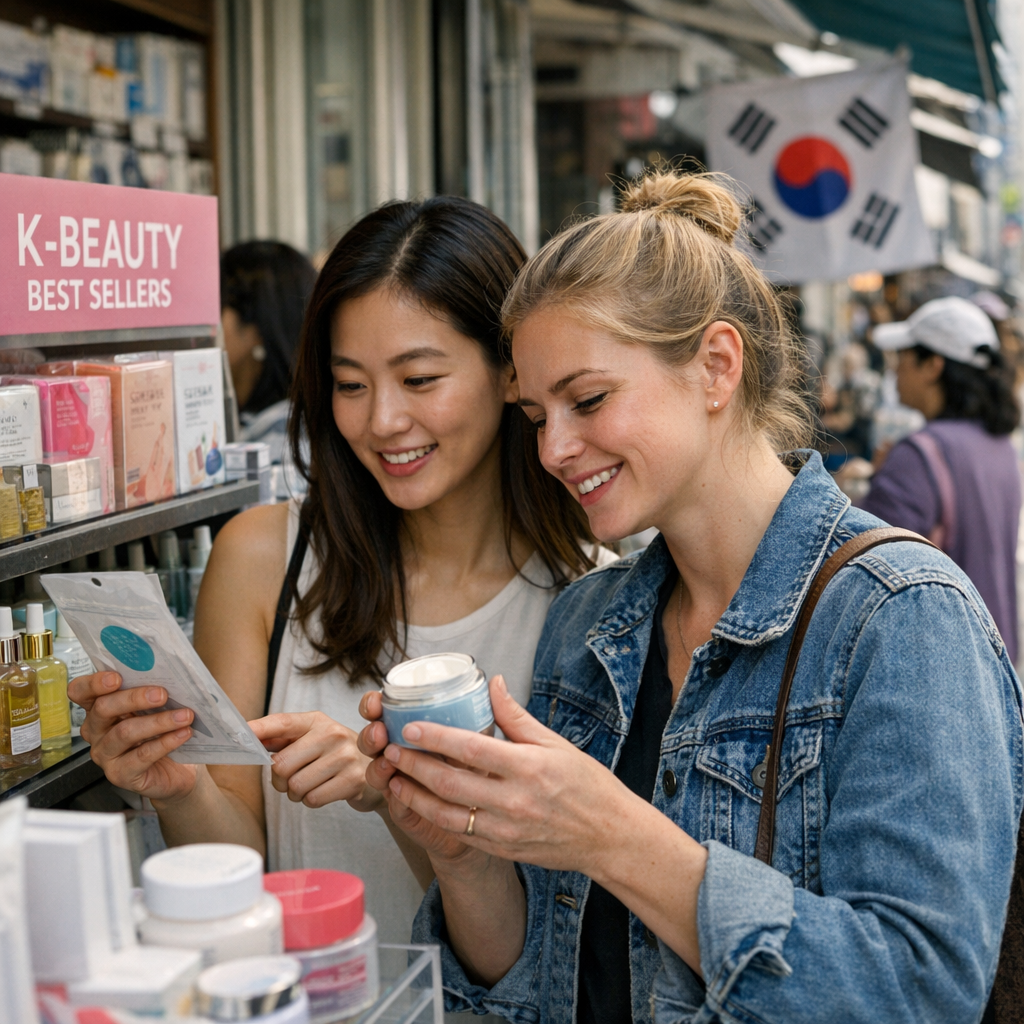
Yes—but only if you’re okay waiting weeks before noticing deep hydration benefits versus instant plumpness from simpler alternatives like glycerin-based creams.
Q: How do I know if my current moisturizer isn’t working anymore?
Look out for signs like persistent tightness post-use—even after reapplying multiple layers—or increased sensitivity over time despite no environmental changes worsening things externally!
Final thought? Start small wherever curiosity sparks most…but remember consistent upkeep matters equally alongside whatever label wins today! Ready-made cheat sheets await readers curious exploring deeper nuances ahead via links shared above too!