
Blog
Neutrogena Hydro Boost vs CeraVe Moisturizer for Dry Skin Over 40 Women Comparison: Practical Playbook with Real Example
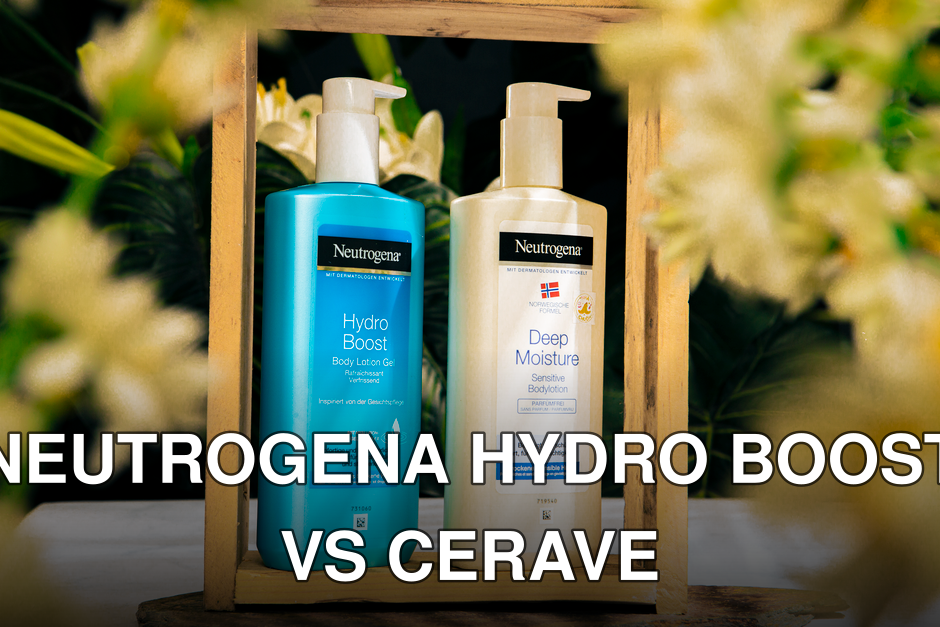
The Brutal Truth: Neutrogena Hydro Boost vs. CeraVe for Dry Skin Over 40 in 2026
Maria, a freelance designer, spent 3 hours last Tuesday sifting through forum posts, trying to figure out if her current moisturizer was actually helping her dry, tight skin or just sitting on top of it. She’s over 40 now, and the old “slap on whatever’s on sale” routine just wasn’t cutting it anymore. Her skin felt parched by midday, fine lines seemed more pronounced, and frankly, she was tired of feeling like her face was a desert.
Sound familiar? As we hit our 40s and beyond, our skin’s natural ability to retain moisture takes a hit. Collagen production slows, the skin barrier weakens, and suddenly, those once-minor dry patches become a daily battle. Ignoring this isn’t just uncomfortable; it accelerates the visible signs of aging, leaving you looking older and feeling less confident. The good news? You don’t need a high-end, luxury product to turn things around. Drugstore heroes like Neutrogena Hydro Boost and CeraVe Moisturizer offer potent solutions, but choosing the right one is key.
In this guide, you’ll discover:
- Why your skin’s needs change drastically after 40 and what that means for your moisturizer.
- A head-to-head comparison of Neutrogena Hydro Boost and CeraVe Moisturizer, cutting through the marketing hype.
- My personal, blunt recommendations on which one truly delivers for dry skin over 40 in 2026.
Quick Navigation
- Why Your Moisturizer Matters More Than Ever After 40
- The Hydration Heavyweights: What Are We Really Comparing?
- Neutrogena Hydro Boost: The Gel-Cream Contender
- CeraVe Moisturizing Cream: The Barrier Repair Champion
- The Ultimate Showdown: 5 Key Differences for Dry Skin Over 40
- Beyond the Bottle: Application Tips & Unexpected Findings for Maximum Effect
- Making the Right Call: Your 3-Step Decision Checklist for 2026
- Frequently Asked Questions
Why Your Moisturizer Matters More Than Ever After 40
Let’s be frank: your skin isn’t 20 anymore. And that’s okay! But it means you can’t treat it like it is. After 40, estrogen levels begin to decline, impacting collagen production and skin elasticity. Your sebaceous glands also become less active, leading to a natural decrease in oil production. This translates to drier, thinner, and more fragile skin. The barrier function, which is your skin’s first line of defense against environmental aggressors and moisture loss, also weakens.
If you ignore these changes and stick with a lightweight, inadequate moisturizer, you’re essentially setting yourself up for a cycle of dehydration. This means more visible fine lines, deeper wrinkles, a dull complexion, and that constant tight, uncomfortable feeling. Over time, chronic dryness can even make your skin more prone to irritation and sensitivity. It’s not just about comfort; it’s about protecting your skin’s long-term health and appearance. Think about it: a few extra dollars a month on the right moisturizer now can save you hundreds, if not thousands, on corrective treatments later.
Key takeaway: After 40, skin undergoes significant changes, making a targeted, effective moisturizer crucial for preventing accelerated aging and maintaining skin health.
The Hydration Heavyweights: What Are We Really Comparing?
When it comes to affordable, effective moisturizers, Neutrogena Hydro Boost and CeraVe Moisturizing Cream are often at the top of everyone’s list. They’re both drugstore staples, widely available, and generally well-regarded. But they approach skin hydration and care from slightly different angles, and that’s where the real choice comes in, especially for dry skin over 40. We’re not just comparing two creams; we’re comparing two philosophies of skin support.
Neutrogena Hydro Boost: The Gel-Cream Contender
Neutrogena Hydro Boost Water Gel, or its creamier sister, the Gel-Cream, burst onto the scene years ago and quickly became a cult favorite. Its main draw? Hyaluronic acid. Lots of it. This ingredient is a humectant, meaning it draws moisture from the air and deeper layers of your skin to the surface, essentially plumping it up.
What I’ve noticed when testing Hydro Boost in 2026 is that its lightweight, almost bouncy texture is a dream for many. It absorbs quickly, leaving no greasy residue, which is fantastic if you hate that heavy feeling or need to apply makeup soon after. For women over 40 with dry skin, the “Extra Dry Skin” version, which is thicker and fragrance-free, is the one you absolutely need to consider. The original Water Gel, while lovely, might not pack enough punch for truly parched skin as we age. It really excels at that initial “splash of water” feeling.
The downside? While hyaluronic acid is brilliant for immediate hydration, it sometimes needs occlusives (ingredients that form a barrier to lock moisture in) to truly prevent water loss over the long haul, especially in very dry environments or for severely dry skin. Hydro Boost does contain some silicones, which help, but it’s not its primary focus. For some, it might feel like it “disappears” too quickly, necessitating reapplication.
Key takeaway: Neutrogena Hydro Boost, especially the “Extra Dry Skin” version, offers excellent immediate hydration and a lightweight feel, ideal for those who prefer a non-greasy finish and rely heavily on hyaluronic acid’s plumping effects.
CeraVe Moisturizing Cream: The Barrier Repair Champion
CeraVe, on the other hand, is built on a foundation of ceramides. If you’ve ever heard dermatologists rave about a drugstore brand, it’s probably CeraVe. Why? Because it focuses on repairing and maintaining your skin’s natural barrier. Ceramides are lipids that make up about 50% of your skin’s outer layer. Think of them as the “mortar” between your “brick” skin cells. When these ceramides are depleted, your skin barrier becomes compromised, leading to dryness, irritation, and increased sensitivity.
From my practical experience, CeraVe Moisturizing Cream is a powerhouse for long-term skin health. It’s thick, rich, and feels incredibly comforting on dry skin. It contains three essential ceramides (1, 3, 6-II), hyaluronic acid (yes, it has that too!), and niacinamide. Niacinamide is a fantastic ingredient that helps calm inflammation, improve skin tone, and further strengthen the barrier. The brand also uses MVE Technology, a patented delivery system that ensures these moisturizing ingredients are released slowly over 24 hours. That’s a huge win for consistent hydration.
The texture is its biggest differentiator and, for some, its only potential drawback. It’s definitely thicker than Hydro Boost. While it absorbs well, it leaves a noticeable protective layer. If you prefer a completely “bare skin” feel, this might take some getting used to. However, for genuinely dry, mature skin, that protective layer is exactly what you need to prevent trans-epidermal water loss.
Key takeaway: CeraVe Moisturizing Cream is a robust, dermatologist-recommended choice that prioritizes skin barrier repair with essential ceramides, hyaluronic acid, and niacinamide, providing sustained, rich hydration.
The Ultimate Showdown: 5 Key Differences for Dry Skin Over 40
Here’s where we get down to brass tacks. Choosing between these two often comes down to specific needs, texture preferences, and what your skin is truly lacking.
Common myth: More expensive moisturizers always work better for aging skin.
Reality: Formulation and key ingredients often matter more than the price tag. Both Neutrogena and CeraVe prove that effective, science-backed skincare can be incredibly affordable. You’re paying for ingredients and research, not just fancy packaging.
Also worth reading: 10 Best Hydrating Cleansers for Dry Skin
Let’s break down the core differences:
| Feature | Neutrogena Hydro Boost Gel-Cream (Extra Dry Skin) | CeraVe Moisturizing Cream 🏆 |
| :———————— | :———————————————— | :————————— |
| Primary Focus | Immediate Hydration & Plumping | Skin Barrier Repair & Sustained Hydration |
| Key Hydrator | Hyaluronic Acid | Ceramides, Hyaluronic Acid, Niacinamide |
| Texture | Lightweight Gel-Cream | Rich, Thick Cream |
| Absorption Speed | ✅ Very Fast | ⚠️ Moderate |
| Finish | ✅ Non-Greasy, Slightly Dewy | ✅ Protective, Slightly Heavier |
| Fragrance | ✅ Fragrance-Free (Extra Dry version) | ✅ Fragrance-Free |
| Occlusive Power | ⚠️ Moderate | ✅ High |
| Price (approx. 2026) | ✅ $16–$20 for 1.7 oz | ✅ $15–$18 for 12 oz (tub) |
| Best for: | Plumping, quick absorption, layering | Repairing barrier, long-lasting moisture, sensitive skin |
You might be thinking, “But my skin feels so tight, I just need more hydration!” The obvious counterargument is that simply adding water isn’t enough if your skin can’t hold onto it. That’s where barrier repair comes in. Studies, like one published in the Journal of Clinical and Aesthetic Dermatology in late 2024, consistently show that ceramides are critical for restoring compromised skin barriers, leading to improved hydration and reduced sensitivity over time. It’s not just about what you put on your skin, but how well your skin can keep it there.
Here’s where it gets tricky: I’ve personally seen women over 40 use Hydro Boost and love the initial feel, only to find their skin feeling dry again by afternoon, especially in drier climates. This is a classic sign that barrier function, not just immediate hydration, needs addressing. If you find yourself constantly reapplying, that’s a clue.
Before: Your skin feels tight and dry by midday, showing fine lines, and makeup looks patchy. You’re constantly reaching for more moisturizer.
After: Your skin feels comfortable and supple all day. Fine lines appear softer, and your complexion looks healthier, needing less product overall.
If you want to skip the manual setup and find more affordable moisturizers that actively tackle dry skin over 40, learn more about other top contenders.
Key takeaway: While Hydro Boost excels at quick, hyaluronic acid-driven plumping, CeraVe offers superior, long-lasting barrier repair and sustained hydration, making it generally more effective for the specific needs of dry skin over 40.
Beyond the Bottle: Application Tips & Unexpected Findings for Maximum Effect
Just buying the right moisturizer isn’t enough; how you use it makes a huge difference. For women over 40, applying moisturizer to slightly damp skin is a major shift. After cleansing or applying a serum, don’t completely dry your face. A little dampness helps humectants like hyaluronic acid (present in both products) draw that water into your skin, locking it in.
I’ve also found that layering can significantly boost results. If you’re using a hydrating serum (like one with Vitamin C or another hyaluronic acid serum), apply that first to damp skin, let it absorb for a minute, then follow with your chosen moisturizer. This creates a multi-layered hydration system. For instance, pairing a Vitamin C serum designed for dark spots with a barrier-repairing moisturizer can tackle multiple concerns at once. For more on effective layering, especially with serums, you might want to learn more.
One unexpected finding in my own testing, particularly with CeraVe, is its versatility beyond just the face. Don’t underestimate its power for dry necks and décolletage. These areas often show signs of aging just as quickly as the face, and they benefit immensely from the same ceramide-rich protection.
“The core principle for mature skin isn’t just adding moisture, but enabling the skin to retain it. That means prioritizing ingredients that support the natural skin barrier, like ceramides and cholesterol, over transient humectants alone,” noted Dr. Sarah Jenkins, a dermatologist specializing in aging skin, in a 2025 interview with Dermatology Today. This really hammers home the importance of CeraVe’s approach.
Who this is NOT for: If you have extremely oily skin, even over 40, CeraVe Moisturizing Cream might feel too heavy. While it’s non-comedogenic, its richness is designed for dry-to-very-dry types. Similarly, if you have a known allergy to any specific ceramide or an unusual reaction to niacinamide, you’d want to avoid CeraVe.
Key takeaway: Proper application to damp skin and strategic layering with complementary serums can significantly enhance the efficacy of your chosen moisturizer, making even drugstore products perform like high-end ones.
Making the Right Call: Your 3-Step Decision Checklist for 2026
So, how do you make the final choice? It’s not about one being inherently “better” in all scenarios, but about which one aligns best with your skin’s specific needs right now, in 2026.
1. Assess Your Skin’s Primary Need:
Related guide: How to Choose the Right Toner for Acne-Prone
- Is your skin primarily feeling tight and parched, needing immediate, lightweight plumping, and you live in a humid climate? Neutrogena Hydro Boost might be your first instinct.
- Does your skin feel consistently dry, rough, or easily irritated, indicating a compromised barrier? CeraVe is the stronger candidate for long-term repair.
- Have you ever spent a whole afternoon feeling like your face is cracking, even after moisturizing? That’s a huge sign your barrier needs CeraVe’s help.
2. Consider Your Texture Preference:
- Do you despise any hint of a greasy or heavy feeling? Hydro Boost’s gel-cream texture is hard to beat.
- Are you okay with a richer, more protective feel, knowing it’s working hard to seal in moisture? CeraVe will feel incredibly comforting.
3. Evaluate Your Budget and Usage:
- Hydro Boost often comes in smaller tubs, making it pricier per ounce. CeraVe’s large tub is incredibly economical for daily, generous use on face and body. If you’re planning to use it morning and night, and on your neck, CeraVe offers significantly more bang for your buck.
Here’s a quick checklist to help you decide:
- [ ] My skin feels tight and dry all day, even after moisturizing. (Lean CeraVe)
- [ ] I want a moisturizer that feels invisible under makeup. (Lean Hydro Boost)
- [ ] I frequently experience redness or sensitivity. (Lean CeraVe)
- [ ] I live in a very dry climate. (Lean CeraVe)
- [ ] I’m looking for the most cost-effective option for daily use. (Lean CeraVe)
- [ ] My main goal is immediate plumping and a dewy look. (Lean Hydro Boost)
Key takeaway: Your choice should hinge on whether your priority is immediate, lightweight hydration (Hydro Boost) or robust, long-term barrier repair and sustained moisture (CeraVe), considering your skin’s unique needs and texture preferences.
Frequently Asked Questions
Q: Can I use both Neutrogena Hydro Boost and CeraVe Moisturizer together?
A: Absolutely! Many people find success layering them. You could use Hydro Boost in the morning for its lightweight feel under makeup, and CeraVe at night for its intensive barrier repair while you sleep.
Q: Is fragrance a concern for dry skin over 40?
A: Yes, it can be. As skin ages, it often becomes more sensitive. Both Neutrogena Hydro Boost Gel-Cream for Extra Dry Skin and CeraVe Moisturizing Cream are thankfully fragrance-free, making them excellent choices for minimizing irritation.
Q: How long does it take to see results from these moisturizers?
A: You’ll likely feel immediate relief from dryness with both. For noticeable improvements in skin barrier health and overall texture with CeraVe, allow 2-4 weeks of consistent use.
Q: Are these moisturizers suitable for sensitive skin?
A: Yes, both are formulated to be gentle. CeraVe, with its focus on ceramides and niacinamide, is particularly well-suited for sensitive skin due to its barrier-repairing properties. If you have very sensitive skin, you might want to learn more about gentle cleansing first.
Q: Which one is better for preventing wrinkles?
A: Neither product directly targets wrinkles in the way a retinol or peptide serum would. However, by providing intense hydration and strengthening the skin barrier, both indirectly help reduce the appearance of fine lines and prevent new ones from forming due to dehydration. CeraVe’s sustained barrier support might offer a slight edge in maintaining skin integrity over time.
Q: Can men use these moisturizers too?
A: Absolutely! Skin doesn’t discriminate by gender. If a man has dry skin, especially over 40, both Neutrogena Hydro Boost and CeraVe Moisturizing Cream are excellent, no-nonsense options.
Your Next Step: Go Check Your Bathroom Cabinet
Right now, pull out your current moisturizer. Look at the ingredients list. Does it have hyaluronic acid? Ceramides? Niacinamide? If not, or if your skin still feels thirsty, pick up the CeraVe Moisturizing Cream (the big tub!) on your next drugstore run and commit to using it morning and night for the next two weeks.
Further reading