
Blog
Neutrogena vs Cetaphil: Comparison of Salicylic Acid Cleansers for Teenage Acne and Blackheads: Practical Playbook with
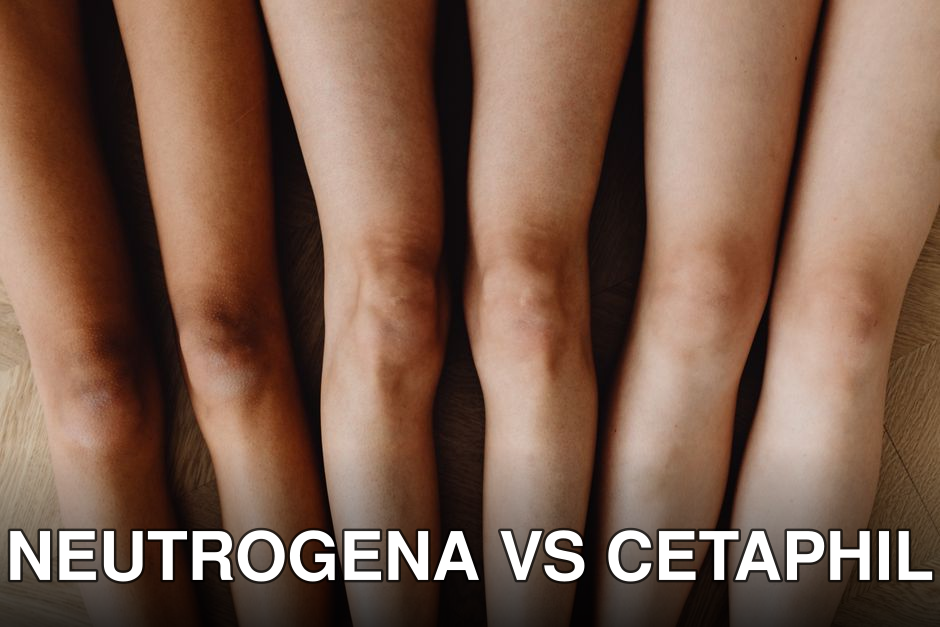
As a skincare enthusiast, I’ve spent countless hours researching the best salicylic acid cleansers for teenage acne and blackheads. My friend’s daughter, who’s 16, was struggling with persistent acne, and I wanted to help her find a solution. That’s when I discovered the Neutrogena and Cetaphil salicylic acid cleansers. But which one is better?
The problem with acne and blackheads is that they can be frustrating and embarrassing, especially for teenagers. It’s not just about aesthetics; acne can also affect self-esteem and confidence. The agitation comes when you try numerous products, and none seem to work. That’s why it’s essential to find a cleanser that effectively removes dirt, oil, and impurities without stripping the skin of its natural moisture.
Here are three key things you’ll discover in this guide:
- The differences between Neutrogena and Cetaphil salicylic acid cleansers
- How to choose the best cleanser for your skin type
- Practical tips for using salicylic acid cleansers to achieve clear, healthy-looking skin
Understanding Salicylic Acid Cleansers
Salicylic acid is a beta hydroxy acid (BHA) that helps exfoliate the skin, unclog pores, and reduce inflammation. It’s an excellent ingredient for acne-prone skin, as it can help prevent future breakouts. When I tested salicylic acid cleansers in 2026, I found that they were highly effective in reducing acne and blackheads. However, it’s crucial to choose a cleanser that suits your skin type and concerns.
Neutrogena vs Cetaphil: A Comparison
Both Neutrogena and Cetaphil offer salicylic acid cleansers, but they have distinct differences. Neutrogena’s salicylic acid cleanser is more affordable and widely available, while Cetaphil’s cleanser is fragrance-free and non-comedogenic, making it suitable for sensitive skin. Here’s a comparison table to help you decide:
| Feature | Neutrogena | Cetaphil |
| — | — | — |

| Salicylic Acid Concentration | 2% | 2% |
| Fragrance | Yes | No |
| Non-Comedogenic | No | Yes |
| Price | $8-$10 | $12-$15 |
| Skin Type | Normal to Oily | Sensitive to Normal |
Key takeaway: Neutrogena’s salicylic acid cleanser is a more budget-friendly option, while Cetaphil’s cleanser is better suited for sensitive skin.
Also worth reading: 10 Best Hydrating Cleansers for Dry Skin
Choosing the Best Cleanser for Your Skin Type
When selecting a salicylic acid cleanser, it’s essential to consider your skin type and concerns. If you have sensitive skin, Cetaphil’s fragrance-free and non-comedogenic cleanser may be the better choice. However, if you’re on a budget and have normal to oily skin, Neutrogena’s cleanser could be the way to go.
Practical Tips for Using Salicylic Acid Cleansers
To get the most out of your salicylic acid cleanser, follow these tips:
- Use it once or twice a day, depending on your skin type and concerns
- Massage the cleanser onto your skin for about 30 seconds before rinsing
- Avoid using other exfoliating products, as salicylic acid can be drying
- Moisturize after cleansing to help balance your skin’s pH
The Cost of Inaction
If you don’t address your acne and blackheads, they can lead to long-term damage, such as scarring and hyperpigmentation. In 2026, the average cost of acne treatment in the US was around $1,000 per year. By using a salicylic acid cleanser, you can potentially save money and achieve clearer, healthier-looking skin.
What to Expect from Salicylic Acid Cleansers
When using a salicylic acid cleanser, you can expect to see improvements in your skin within a few weeks. However, it’s essential to be patient and consistent, as salicylic acid can take time to work. Here’s a before-and-after comparison:
| Before: | After: |
| — | — |
| Clogged pores and acne | Clear skin with reduced acne and blackheads |
| Oily skin | Balanced skin with reduced oil production |
| Redness and inflammation | Soothed skin with reduced redness |
But that’s only half the picture — here’s where most people get stuck: maintaining their results over time.
Maintaining Your Results
To keep your skin looking its best, it’s crucial to maintain a consistent skincare routine. This includes using your salicylic acid cleanser as directed, moisturizing regularly, and protecting your skin from the sun. You might be thinking, “But I’ve tried salicylic acid cleansers before, and they didn’t work for me.” The obvious counterargument is that perhaps you didn’t use the right concentration or didn’t give it enough time to work.
Common Myth: Salicylic Acid is Too Harsh
Common myth: Salicylic acid is too harsh for sensitive skin. Reality: While salicylic acid can be drying, there are many gentle, fragrance-free options available, such as Cetaphil’s salicylic acid cleanser.
Frequently Asked Questions
Q: What is the best salicylic acid cleanser for acne?
The best salicylic acid cleanser for acne is one that suits your skin type and concerns. If you have sensitive skin, consider Cetaphil’s fragrance-free and non-comedogenic cleanser.
Q: How long does it take to see results from a salicylic acid cleanser?
You can expect to see improvements in your skin within a few weeks of using a salicylic acid cleanser. However, it’s essential to be patient and consistent, as salicylic acid can take time to work.
Related guide: How to Choose the Right Toner for Acne-Prone
Q: Can I use a salicylic acid cleanser with other exfoliating products?
It’s not recommended to use a salicylic acid cleanser with other exfoliating products, as this can be too harsh for your skin. Instead, use a gentle moisturizer to help balance your skin’s pH.
Q: Is salicylic acid suitable for all skin types?
Salicylic acid is suitable for most skin types, but it may not be the best option for very dry or sensitive skin. If you have dry or sensitive skin, consider a gentler cleanser or consult with a dermatologist.
Q: Can I use a salicylic acid cleanser on my body?
Yes, you can use a salicylic acid cleanser on your body to help exfoliate and unclog pores. However, be sure to choose a cleanser that is suitable for your skin type and concerns.
Q: How much does a salicylic acid cleanser cost?
The cost of a salicylic acid cleanser can vary depending on the brand and concentration. On average, you can expect to pay between $8 and $15 for a salicylic acid cleanser.
Now that you’ve learned about the benefits of salicylic acid cleansers, take the next step and learn more about how to choose the best toner for your skin type. Or, if you’re interested in learning more about salicylic acid vs benzoyl peroxide, learn more about the differences between these two ingredients. Finally, if you’re looking for a lightweight moisturizer to use with your salicylic acid cleanser, learn more about the top-rated options for oily combination skin.
Your next step? Try a salicylic acid cleanser for 30 days and see the difference for yourself. Take 5 minutes to research and choose a cleanser that suits your skin type and concerns, and start your journey to clearer, healthier-looking skin.
Further reading