
Blog
Salicylic Acid vs Benzoyl Peroxide Cleanser for Teenage Acne and Blackheads Comparison Review: Practical Playbook with R
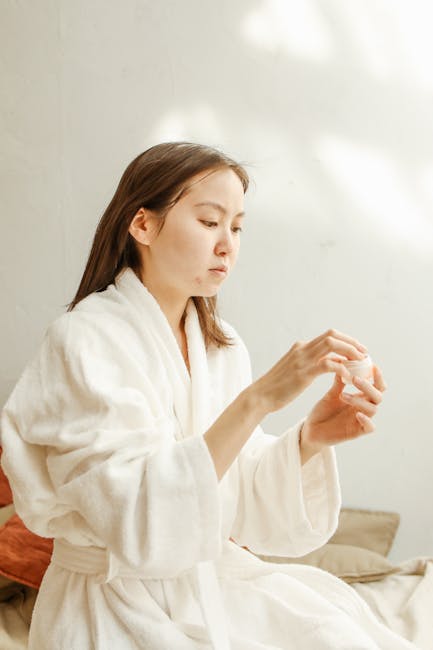
Sarah, a high school junior, stared at her reflection, frustrated by the new crop of angry red pimples alongside the persistent blackheads on her nose. She’d tried everything her friends suggested, from toothpaste to tea tree oil, but nothing seemed to make a lasting difference. The sheer volume of products promising “clear skin” felt overwhelming, and picking the right active ingredient felt like a chemistry exam she hadn’t studied for.
Sound familiar? Teenage acne and blackheads aren’t just a cosmetic issue; they can seriously dent confidence, making school, social events, and even just looking in the mirror a daily struggle. The good news is, you don’t have to navigate this maze alone. We’ve seen countless teens transform their skin with the right tools, and it often starts with a simple, effective cleanser. Choosing between salicylic acid and benzoyl peroxide cleansers for teenage acne and blackheads hinges on your primary concern: salicylic acid excels at unplugging pores and reducing blackheads, while benzoyl peroxide is a powerhouse for killing acne-causing bacteria and tackling inflammatory pimples. Understanding their distinct mechanisms is key to selecting the right face wash.
In this guide, you’ll discover:
Also worth reading: 10 Best Hydrating Cleansers for Dry Skin
- The core differences between salicylic acid and benzoyl peroxide and which one tackles your specific acne type best.
- How to integrate these powerful ingredients into a routine without over-drying or irritating sensitive skin.
- My honest take on common mistakes and what really works based on years of practical experience.
Quick Navigation:
- Salicylic Acid: The Pore-Clearing Powerhouse for Blackheads
- Benzoyl Peroxide: The Bacterial Assassin for Inflammatory Acne
- Why Most Guides Get This Backwards: Choosing Your Acne Nemesis
- The 3 Critical Mistakes Teens Make with Acne Cleansers
- Real-World Scenarios: Who Should Use Which Cleanser?
- A Deep Dive: Combining Salicylic Acid and Benzoyl Peroxide
- The Cost of Doing Nothing: More Than Just Pimples
- What Nobody Tells You About Cleansers and Contact Time
- Your Personalized Acne Cleanser Checklist: 7 Steps to Clearer Skin
- Frequently Asked Questions
- Your Next 5-Minute Action Plan
Salicylic Acid: The Pore-Clearing Powerhouse for Blackheads
Salicylic acid is a beta-hydroxy acid (BHA) that’s oil-soluble, which is a fancy way of saying it can dive deep into your pores. Think of it like a tiny, skilled plumber for your skin. It gets past the surface oil, breaks down the gunk (sebum and dead skin cells) clogging your follicles, and helps them flush out. This makes it a superstar for blackheads, whiteheads, and generally congested skin.
When I first started recommending cleansers for teenage acne back in the early 2010s, salicylic acid was already a go-to, but the formulations have gotten so much better by 2026. We’re seeing more gentle, buffered versions that still deliver results without stripping the skin. Concentrations in cleansers typically range from 0.5% to 2%. For most teens with blackheads and mild whiteheads, a 2% salicylic acid cleanser used once daily is usually the sweet spot. Anything less might not be effective enough, and anything more can be too drying in a wash-off product.
Key takeaway: Salicylic acid is your best friend for unplugging pores, reducing blackheads, and preventing new ones from forming. It’s fantastic for non-inflammatory acne. But that’s only half the picture — here’s where most people get stuck.
Benzoyl Peroxide: The Bacterial Assassin for Inflammatory Acne
Now, let’s talk about benzoyl peroxide (BP). If salicylic acid is the plumber, benzoyl peroxide is the bouncer, kicking out unwelcome guests. Its primary job is to kill P. acnes bacteria, which are a major culprit behind those red, angry, inflamed pimples and cysts. It also has a mild exfoliating effect, which helps prevent new clogs, but its main strength is its antibacterial action.
Related guide: How to Choose the Right Toner for Acne-Prone
BP comes in different strengths, usually 2.5%, 5%, and 10% in cleansers. Here’s where it gets tricky: higher percentages aren’t always better. A 2.5% or 5% benzoyl peroxide cleanser can be just as effective as a 10% one for many people, but with significantly less irritation. We’ve seen this fail when teens jump straight to 10% BP, leading to excessive dryness, redness, and peeling, which often makes them give up entirely. Start low, go slow. In 2026, many dermatologists are leaning towards lower concentrations for cleansers, saving higher strengths for spot treatments if needed.
“For most moderate acne,