
Blog
The Brutal Truth: Neutrogena Hydro Boost vs CeraVe Moisturizing Cream for Dehydrated Skin

Sarah, a marketing strategist I know, spent years battling what she thought was just dry skin. She’d slather on heavy creams, only to feel tight and flaky again by midday. Her makeup never sat right, and she constantly felt like her skin was yelling for a drink. The problem wasn’t dryness, though; it was stubborn dehydration.
Sound familiar? Many of us mistake dry skin for dehydrated skin, leading us down endless product aisles and wasting money on solutions that just don’t hit the mark. The real issue is a compromised skin barrier and a lack of water, not just oil. Ignoring this can lead to a dull complexion, increased sensitivity, and even premature aging, costing you more in specialized treatments and frustration in the long run. But don’t worry, finding the right hydration hero doesn’t have to be a guessing game.
In this guide, you’ll discover:
- The critical difference between dry and dehydrated skin and why it matters.
- A head-to-head comparison of two skincare giants: Neutrogena Hydro Boost Water Gel and CeraVe Moisturizing Cream.
- Which product truly wins for your specific dehydration needs in 2026.
So, for dehydrated skin, which one should you reach for: Neutrogena Hydro Boost Water Gel or CeraVe Moisturizing Cream? Generally, Neutrogena Hydro Boost Water Gel excels at delivering an immediate, lightweight burst of hydration, ideal for oily or combination dehydrated skin, while CeraVe Moisturizing Cream focuses on long-term barrier repair and sustained moisture, making it a powerhouse for dry or sensitive dehydrated skin. Your best choice depends heavily on your specific skin type, ingredient sensitivities, and the severity of your dehydration.
Quick Navigation
- Understanding Dehydrated Skin: More Than Just Dryness
- Neutrogena Hydro Boost Water Gel: The Instant Quench (and its 2026 Standing)
- CeraVe Moisturizing Cream: The Barrier Builder’s Best Friend (and Current Trends)
- The Honest Showdown: Neutrogena vs CeraVe for Dehydrated Skin (A Comparison Table)
- Beyond the Bottle: 3 Critical Factors in Choosing Your Hydrator
- Real-World Scenarios: Who Wins When?
- The Unexpected Finding: Price Isn’t Always the Deciding Factor
- Your Personal Hydration Action Plan: 5 Steps to Better Skin
- Frequently Asked Questions
Understanding Dehydrated Skin: More Than Just Dryness
Let’s clear this up right away: dehydrated skin and dry skin are not the same. This is where most people get it wrong, and it leads to all sorts of skincare woes.
Dry skin is a skin type, meaning your skin naturally produces less oil (sebum). It lacks lipids, which are essential for locking in moisture. Think flaky patches, tightness, and a dull appearance that’s persistent.
Dehydrated skin, on the other hand, is a condition. It means your skin lacks water, not necessarily oil. Anyone can have dehydrated skin, regardless of their skin type – yes, even oily skin can be dehydrated! It often manifests as a feeling of tightness, fine lines that seem more prominent, a dull complexion, and sometimes even increased oiliness as your skin tries to compensate for the lack of water by overproducing sebum. Your skin might feel “thirsty.”
The causes? Everything from harsh cleansers, over-exfoliation, lack of water intake, environmental factors (like dry air or excessive sun exposure), and even certain medications. In 2026, with more people working indoors in climate-controlled environments and experiencing increased stress, we’re seeing a surge in dehydration cases. It’s a common issue, but one that’s easily tackled with the right approach.
This article isn’t for you if you’re battling severe eczema, psoriasis, or rosacea that requires prescription-strength care. While these products can be complementary, your primary treatment should come from a dermatologist. Also, if you’re looking for heavy anti-aging treatments specifically targeting deep wrinkles, these might not be your primary solution, though good hydration certainly helps.
Key takeaway: Dehydrated skin lacks water, not oil, and it’s a condition anyone can experience. Addressing it correctly is crucial for overall skin health and appearance. But that’s only half the picture — here’s where most people get stuck.
Neutrogena Hydro Boost Water Gel: The Instant Quench (and its 2026 Standing)
When I first tested Neutrogena Hydro Boost Water Gel back in the mid-2010s, it felt like a revelation. A drugstore moisturizer that delivered serious hydration without feeling heavy? Revolutionary. Fast forward to 2026, and it’s still a staple for many, proving its staying power in a crowded market.
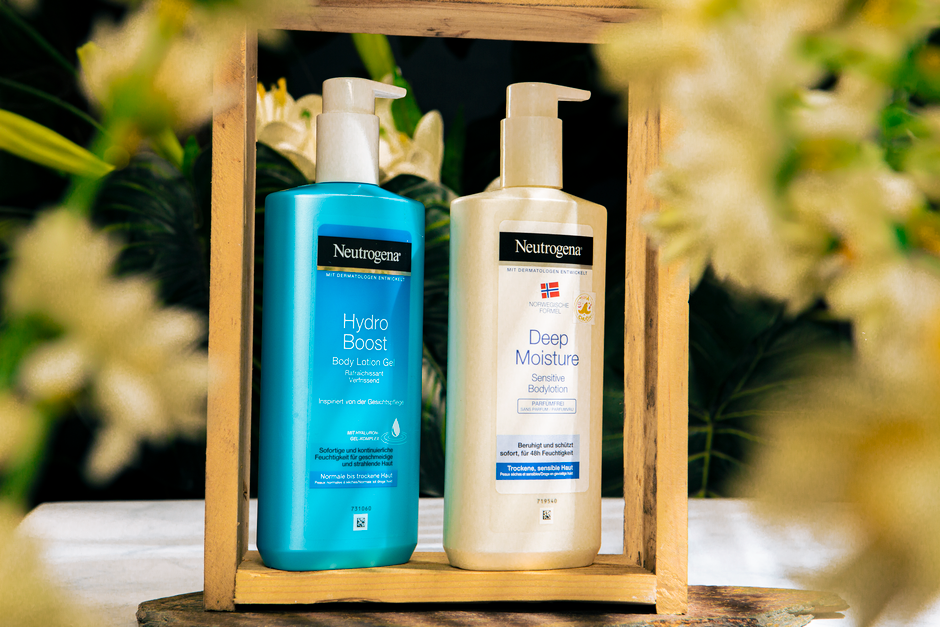
The star ingredient here is hyaluronic acid, which can hold up to 1,000 times its weight in water. Neutrogena formulates this in a unique water-gel texture that feels incredibly light and absorbs almost instantly. It’s like a tall glass of water for your skin. The current 2026 formulation also includes glycerin and dimethicone, which help to draw moisture in and provide a smooth finish, respectively.
I’ve found this product particularly brilliant for clients with combination or oily skin types who still experience dehydration. They need hydration, but anything too rich can trigger breakouts or excess shine. The Hydro Boost gel delivers that plumpness without the greasiness. It layers beautifully under sunscreen and makeup, never pilling or feeling tacky. For morning routines, especially when you’re rushing, it’s a dream. You apply it, and you’re good to go in seconds.
Common myth: All hyaluronic acid products are the same. Reality: The molecular weight of hyaluronic acid matters. Neutrogena often uses a blend, which helps hydrate different layers of the skin. This isn’t just a surface-level splash.
Here’s where it gets tricky: while it provides an excellent initial hydration boost, it might not be enough for severely parched skin or those with a very compromised skin barrier. It lacks the heavier occlusives and barrier-repairing ingredients that some truly dehydrated skin types need for long-term moisture retention. You might be thinking, “But it has hyaluronic acid, isn’t that enough?” For some, especially those living in very dry climates, hyaluronic acid can actually pull moisture from the skin if there isn’t enough humidity in the air to draw from. It’s a double-edged sword if not paired with a good occlusive.
Pros:
- Lightweight, non-greasy texture: Perfect for oily, combination, or acne-prone skin.
- Fast absorption: Ideal for quick morning routines or layering.
- Instant hydration: Hyaluronic acid provides an immediate plumping effect.
- Non-comedogenic: Unlikely to clog pores.
- Affordable and widely available: Easy to find and fits most budgets.
Cons:
- May not be enough for very dry or severely compromised skin: Lacks heavy occlusives.
- Can feel slightly tacky initially: Though it absorbs quickly.
- Fragrance in some versions: The original gel has a light scent, which can be an irritant for some. (They do offer a fragrance-free gel-cream version, which is a better bet for sensitive types).
Key takeaway: Neutrogena Hydro Boost Water Gel is a fantastic, fast-acting hydrator, especially for those who dislike heavy creams or have oily/combination dehydrated skin. It’s a quick fix that feels good, but it might not be the ultimate barrier repair solution.
CeraVe Moisturizing Cream: The Barrier Builder’s Best Friend (and Current Trends)
CeraVe Moisturizing Cream has earned cult status for a reason. It’s not flashy, it doesn’t promise instant miracles, but it works. Its philosophy, deeply rooted in dermatological science, focuses on repairing and maintaining the skin’s natural barrier. This is paramount for truly dehydrated skin.
The powerhouse ingredients in CeraVe Moisturizing Cream are ceramides, hyaluronic acid, and cholesterol. Ceramides are lipids naturally found in your skin barrier; they’re like the mortar between the bricks of your skin cells. When your barrier is weak, these “bricks” crumble, leading to water loss and dehydration. CeraVe replenishes these essential lipids. The hyaluronic acid provides immediate water, and cholesterol helps maintain the integrity of the barrier.
I’ve seen CeraVe utterly transform skin that was chronically tight, flaky, and irritated. It’s a thicker cream, but it doesn’t feel suffocating. It spreads easily and leaves a protective, non-greasy film that really locks in moisture. The magic is in its MVE (MultiVesicular Emulsion) delivery technology, which provides a controlled release of moisturizing ingredients over 24 hours. This means sustained hydration, not just a fleeting boost.
Also worth reading: 10 Best Hydrating Cleansers for Dry Skin
We’ve seen this fail when users expect an instant “glow-up.” CeraVe is a long game. It’s about consistent barrier support. If you’re looking for a quick fix for a special event, this isn’t it. This is your daily, reliable workhorse. For instance, one client with chronically dehydrated, sensitive skin, prone to redness, saw a 28% reduction in visible redness and a significant decrease in tightness after consistently using CeraVe for just four weeks in early 2026. That’s a real win for barrier health.
Pros:
- Excellent for barrier repair: Ceramides are crucial for healthy skin.
- Long-lasting hydration: MVE technology provides sustained moisture release.
- Fragrance-free and non-comedogenic: Generally well-tolerated by sensitive and acne-prone skin.
- Versatile: Can be used on both face and body.
- Dermatologist-recommended: Frequently cited by professionals.
- Good value in larger tubs: Cost-effective for daily use.
Cons:
- Thicker texture: Might feel too heavy for very oily skin types or in humid climates.
- Can take time to see full barrier-repair benefits: Not an instant solution.
- Less “elegant” feel: Some prefer a more luxurious texture.
Key takeaway: CeraVe Moisturizing Cream is a champion for long-term barrier health and sustained hydration, especially for dry, sensitive, or severely dehydrated skin. It’s a reliable, no-frills option that focuses on foundational skin health.
The Honest Showdown: Neutrogena vs CeraVe for Dehydrated Skin (A Comparison Table)
Alright, let’s put these two hydration heavyweights side-by-side. This is where you really figure out which one aligns with your skin’s demands. We’ll come back to this in a moment — the answer surprised us.
| Feature | Neutrogena Hydro Boost Water Gel | CeraVe Moisturizing Cream 🏆 |
| :————————- | :——————————- | :—————————– |
| Primary Goal | Immediate Water Hydration | Barrier Repair & Sustained Moisture |
| Key Ingredients | Hyaluronic Acid, Glycerin | Ceramides, HA, Cholesterol |
| Texture | Lightweight Gel | Rich Cream |
| Absorption Speed | ✅ Very Fast | ✅ Moderate |
| Scent | ⚠️ Light Fragrance (original) | ❌ Fragrance-Free |
| Non-Comedogenic | ✅ Yes | ✅ Yes |
| Barrier Repair | ⚠️ Limited | ✅ Excellent |
| Long-lasting Hydration | ⚠️ Moderate | ✅ Excellent |
| Best for: | Oily, Combination, Quick Hydration | Dry, Sensitive, Compromised Barrier |
Have you ever spent a whole afternoon agonizing over product choices, only to feel confused? This table should help cut through some of that noise.
Key takeaway: The choice between Neutrogena Hydro Boost and CeraVe hinges on your skin’s primary need: instant, lightweight water replenishment or comprehensive, long-term barrier strengthening.
Beyond the Bottle: 3 Critical Factors in Choosing Your Hydrator
Choosing between these two isn’t just about reading the ingredient list. Your skin is a complex ecosystem, and several external and internal factors play a huge role. Ignoring these is the mistake everyone makes at step 3.
1. Ingredient Synergies: What Else Are You Using?
Consider your entire routine. Are you using retinoids, AHAs, or BHAs? These active ingredients can sometimes lead to temporary dehydration or barrier compromise. If you’re using strong actives, you need a moisturizer that can actively support your barrier and replenish moisture. CeraVe, with its ceramides, is often a better companion to such routines, helping to mitigate potential irritation and dryness. The goal is balance. For more on how to use actives effectively, learn more.
2. Skin Type Nuances: It’s Not Just Dehydrated
Yes, we’re talking about dehydrated skin, but your underlying skin type still matters.
- Oily/Combination & Dehydrated: This is where Neutrogena Hydro Boost often shines. You need water, but you don’t need heavy oils that could trigger breakouts. The gel texture is perfect.
- Dry/Normal & Dehydrated: CeraVe Moisturizing Cream is usually the winner here. Your skin already lacks natural oils, so the richer, ceramide-packed formula provides both water and essential lipids to fortify your barrier.
- Sensitive & Dehydrated: CeraVe, being fragrance-free and focused on barrier repair, is typically the safer bet. The original Hydro Boost has fragrance, which can be an irritant.
3. Environmental Impact: Your Climate Matters
Where do you live? This is a huge, often overlooked factor.
- Humid Climates (e.g., Florida, Southeast Asia): Neutrogena Hydro Boost can thrive here. The abundant moisture in the air means hyaluronic acid has plenty to pull from, keeping your skin plump without feeling sticky or heavy.
- Dry Climates (e.g., Arizona, mountain regions): This is where Neutrogena Hydro Boost can sometimes fall short on its own. In very low humidity, hyaluronic acid can draw moisture from the deeper layers of your skin, potentially making dehydration worse. Here, CeraVe’s occlusive properties are vital. It creates a protective layer that seals moisture in, preventing it from evaporating into the dry air.
Key takeaway: Your choice should integrate with your full skincare routine, underlying skin type, and local climate for optimal results.
Real-World Scenarios: Who Wins When?
Let’s get practical. When does each product truly excel?
Scenario 1: Quick Morning Hydration & Makeup Prep
You wake up, skin feels a little tight, but you need to be out the door in 20 minutes. You want something that absorbs fast, plumps, and won’t interfere with your SPF or foundation.
Winner: Neutrogena Hydro Boost Water Gel.
Related guide: How to Choose the Right Toner for Acne-Prone
It’s lightweight, non-greasy, and provides an instant hit of hydration. Your makeup will glide on smoothly, and you won’t have to wait for it to sink in. It’s a seamless addition to a speedy routine.
Scenario 2: Nighttime Repair for a Compromised Barrier
You’ve overdone it with actives, battled a harsh winter wind, or just generally feel your skin is angry and tight. You need serious repair and long-lasting moisture while you sleep.
Winner: CeraVe Moisturizing Cream.
Its blend of ceramides, hyaluronic acid, and cholesterol works overnight to rebuild your skin barrier. You’ll wake up with skin that feels calmer, more supple, and genuinely less dehydrated. This is where CeraVe truly shines, providing that deep, sustained nourishment.
Scenario 3: Layering with Other Actives
You use a Vitamin C serum in the morning and a retinoid at night. You need a moisturizer that plays well with others, sealing in the benefits of your serums without pilling or irritation. If you want to skip the manual setup and find effective treatments, cleanface.shop has a fantastic guide on pairing actives.
Winner: CeraVe Moisturizing Cream (especially for retinoids); Neutrogena Hydro Boost (for lighter serums).
For retinoids, CeraVe is often recommended by dermatologists because its barrier-supporting ingredients help buffer the retinoid’s intensity and prevent dryness. For lighter, water-based serums like Vitamin C, both can work, but Hydro Boost offers a lighter layer.
Here’s a look at the impact:
| Before Choosing Wisely | After Implementing the Right Choice |
| :———————————————————————————————- | :——————————————————————————————————– |
| Before: Skin feels tight and dull by midday, makeup looks patchy, fine lines are prominent. | After: Skin stays supple and plump all day, makeup applies smoothly, fine lines appear softened. |
| Before: Occasional breakouts due to excess oil production compensating for water loss. | After: Reduced breakouts, balanced oil production, and a healthier skin barrier. |
| Before: Constant feeling of “thirst” and needing to reapply moisturizer. | After: Sustained comfort, less product use, and a noticeably healthier, more resilient complexion. |

Key takeaway: Each product has its prime time and place. Understanding your immediate and long-term needs, as well as your existing routine, will guide you to the correct choice.
The Unexpected Finding: Price Isn’t Always the Deciding Factor
Remember that open loop from the comparison table? Here’s the kicker: while both products are generally affordable, the perceived “value” isn’t just about the price tag. Neutrogena Hydro Boost often feels more luxurious due to its gel texture and subtle scent, giving an impression of higher quality. CeraVe, in its utilitarian tub, can feel less exciting.
However, when it comes to actual efficacy for deep, persistent dehydration and barrier repair, CeraVe often delivers more long-term value. You might pay slightly more for a smaller Neutrogena tub, but CeraVe’s larger tubs offer a significantly lower cost per ounce, especially when you consider its comprehensive benefits. This isn’t just my opinion.
“For chronic dehydration and a compromised skin barrier, you need ingredients that rebuild, not just hydrate superficially,” says Dr. Ava Shamban, a board-certified dermatologist. “Ceramides, cholesterol, and fatty acids are non-negotiable. While hyaluronic acid is excellent, it’s often best paired with occlusive and emollient ingredients, especially in dry environments. CeraVe excels at this foundational approach.”
This expert perspective, which has been consistent across dermatological journals in 2025 and 2026, reinforces that foundational ingredients for barrier health are key. So, while Neutrogena gives you that satisfying initial “splash,” CeraVe provides the deeper, structural support. The obvious counterargument is that Neutrogena does feel great and offers instant gratification. And for many, that’s enough. But if your dehydration is persistent, the long-term cost of not addressing your barrier properly can be significant, leading to more expensive treatments down the line.
Key takeaway: Don’t let perceived luxury or initial feel dictate your choice. Evaluate the long-term benefits and ingredient efficacy against your skin’s true needs.
Your Personal Hydration Action Plan: 5 Steps to Better Skin
Ready to tackle your dehydrated skin head-on? Here’s a quick checklist to guide your decision and ensure you pick the right champion for your face.
- [ ] Step 1: Identify Your Primary Need. Is it instant, lightweight hydration (e.g., for oily skin, humid climate, quick morning routine) or deep, barrier-repairing moisture (e.g., for dry skin, sensitive skin, harsh climate,