
Blog
The Complete Guide to Choosing a Gentle Daily Face Wash for Sensitive Skin Without Irritation
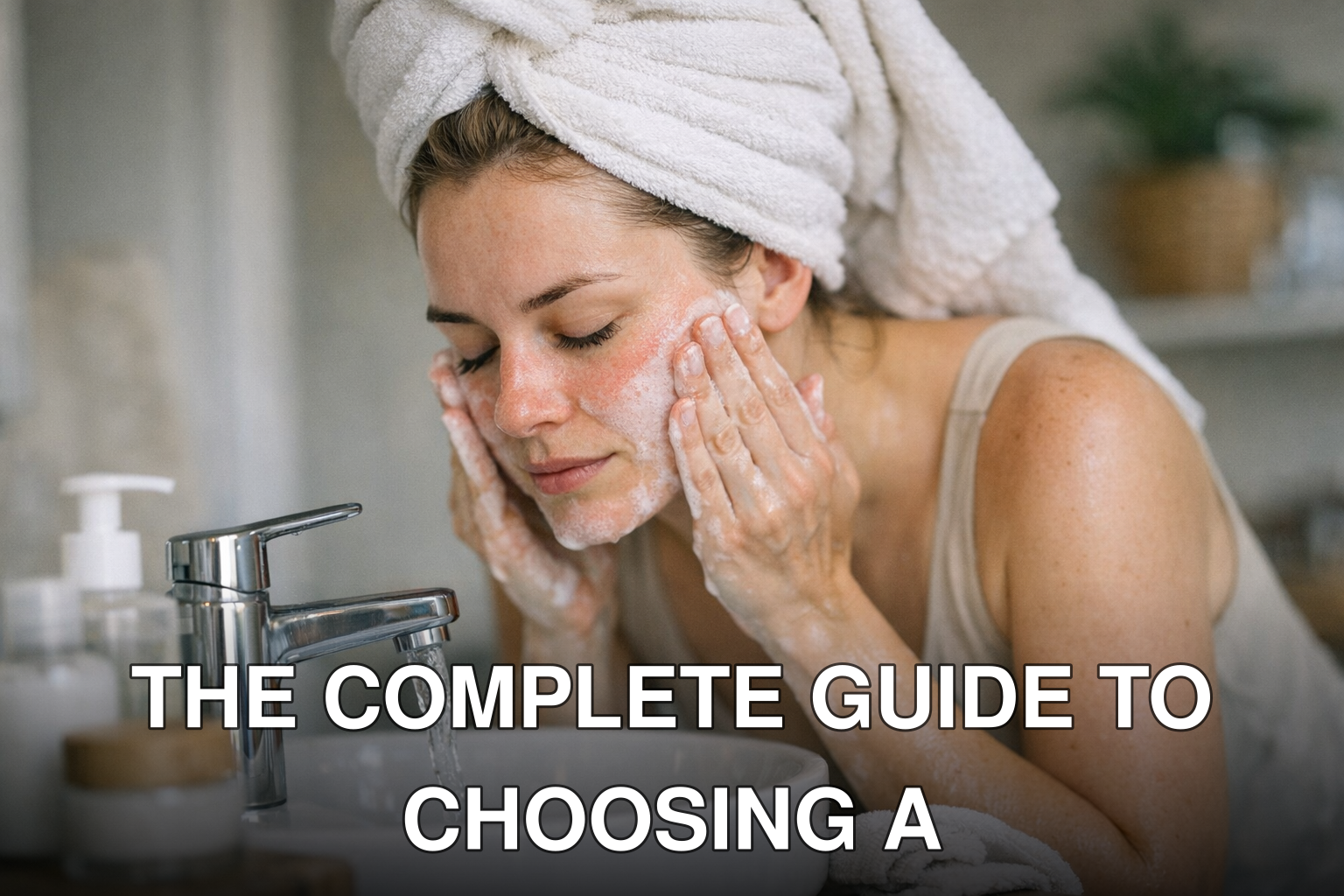
Sensitive skin is frustrating. One wrong move—a harsh cleanser, an ingredient your skin hates—and you’re red, itchy, and regretting your life choices. Trust me, I’ve been there, staring in horror at my blotchy reflection after trying what seemed like a “simple” product. If you’ve ever felt like finding the right daily face wash is harder than picking a Netflix show on Friday night, you’re not alone.
Here’s the kicker: skipping this decision costs you more than just temporary redness. Left unchecked, irritation weakens your skin barrier over time. That leads to dullness, dehydration, and even increased sensitivity (yes, it gets worse). The good news? You don’t need to settle for a product roulette that leaves you guessing.
In this guide, you’ll discover:
- How to decode labels so your skin actually benefits from what you’re using.
- A breakdown of what makes a face wash truly “gentle.”
- Specific examples (and pitfalls) to avoid when shopping for sensitive-skin cleansers in 2026.
Let’s make sure your next cleanser works for you—not against you.
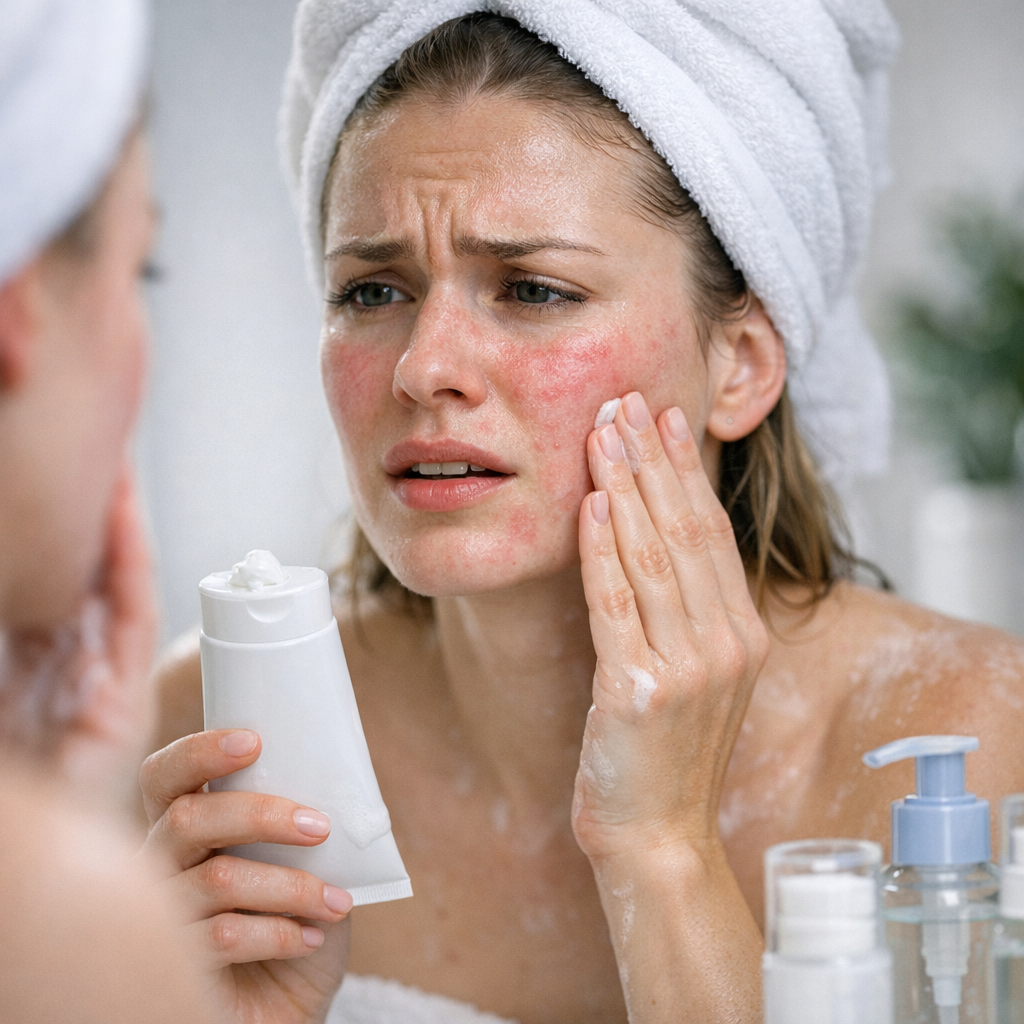
Why Most Cleansers Fail Sensitive Skin
The skincare aisle might as well be a minefield if you have sensitive skin. Most products marketed as “gentle” aren’t actually that gentle—there are three sneaky reasons why:
1. Stripping surfactants: Ingredients like Sodium Lauryl Sulfate (SLS) are common in cleansers because they foam well and clean deeply. But they also strip away natural oils your skin desperately needs to stay calm and hydrated.
2. Fragrance overload: Even “natural” fragrances can trigger irritation if your skin is reactive—lavender oil and citrus extracts are regular offenders here.
Also worth reading: 10 Best Hydrating Cleansers for Dry Skin
3. Hidden alcohols: Some alcohols help formulas feel light or dry quickly (looking at you, denatured alcohol), but they can leave sensitive skin tight and inflamed over time.
Common Myth: Expensive = Better
Reality: Price doesn’t guarantee gentleness—it often reflects branding more than formulation quality. Drugstore options can be just as effective if they’re well-formulated with the right ingredients.
7 Things to Look For in a Truly Gentle Cleanser
So how do you find something that won’t betray your face? Stick to these seven criteria:
1. No sulfates or harsh surfactants: Look for words like “sulfate-free” or alternative cleansing agents like cocamidopropyl betaine or decyl glucoside instead.
2. Fragrance-free: This means no added fragrance whatsoever, synthetic or natural.
3. Low pH (4–5 range): Your skin’s natural pH sits around 4–5; anything higher risks disrupting its protective barrier.
4. Minimal ingredients: Fewer ingredients = fewer opportunities for irritation.
5. Hydrating components: Glycerin, hyaluronic acid, or ceramides are all excellent for calming dryness.
6. Creamy textures over foaming ones: Cream-based cleansers tend to cleanse without stripping moisture.
7. Dermatologist-tested claims backed by science: It’s not foolproof marketing fluff—but it does add credibility when brands prioritize clinical testing.
Related guide: How to Choose the Right Toner for Acne-Prone
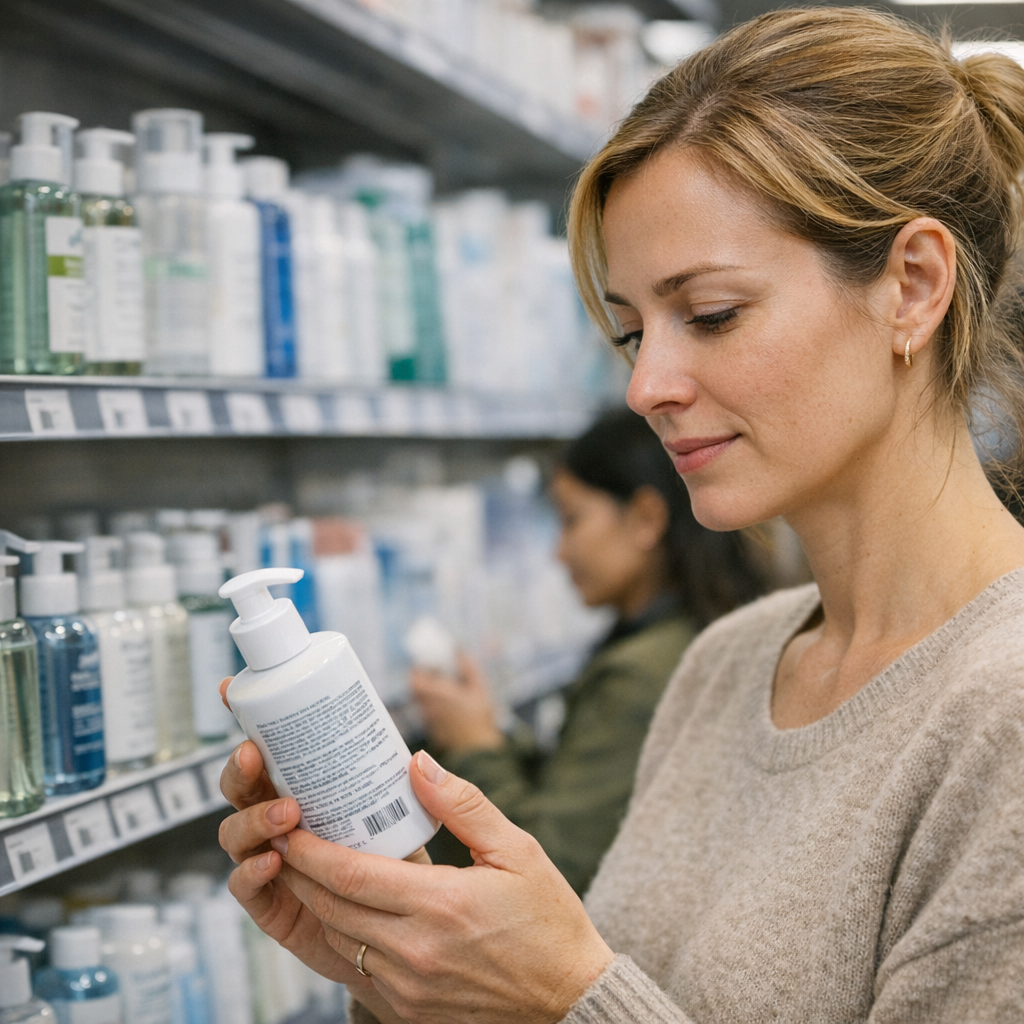
Key takeaway: Always read the label—not the front hype but the actual ingredients list.
What Happens When You Get It Right vs Wrong?
Here’s why picking the right cleanser matters so much:
| Before: | You’re dealing with constant redness after washing your face—tightness feels unavoidable no matter what moisturizer follows up.|
| — | — |
| After: | Your face feels fresh but still supple post-cleanse; redness and flakiness shrink down after weeks/months.|
Gentle cleansing lays the foundation for every other step of your skincare routine—if this part fails outrightly upfront/long-run-results won’t meet potential either along way downstream point alignment maximizing entire setup capacity optimization rollout pathways ensure intended outcome alignments layered balanced::*