
Blog
The Definitive Showdown: Neutrogena vs. Cetaphil for Dry Skin Over 40 in 2026

Sarah, a vibrant 48-year-old marketing consultant, stared at her bathroom mirror last Tuesday, frustrated. Her skin felt tighter than usual, despite her morning moisturizer, and fine lines around her eyes seemed to deepen with every passing year. She needed something that actually worked, something that didn’t cost a fortune, and something that specifically addressed the stubborn dry skin that’s become her unwelcome companion in her forties. This battle for the best affordable moisturizer for dry skin over 40 women in 2026 is real, and it’s a fight many of us are waging.
The problem is, as we age, our skin’s ability to retain moisture drastically declines, leading to a dull, parched complexion that amplifies wrinkles. This isn’t just about looking good; it’s about comfort, skin health, and preventing further damage. You’re tired of products that promise the world but deliver nothing but a greasy film or, worse, more dryness. This guide cuts through the marketing noise, pitting two drugstore titans against each other to find out which one truly delivers for mature, dry skin.
In this guide, you’ll discover:
- Why your skin’s hydration needs shift dramatically after 40.
- A brutal, honest comparison of Neutrogena’s and Cetaphil’s top contenders.
- The exact criteria you should use to pick your next holy grail moisturizer without wasting a single dollar.
For women over 40 with dry skin, the choice between Neutrogena and Cetaphil often comes down to specific ingredient preferences and desired texture. Neutrogena’s Hydro Boost Gel-Cream leans into hyaluronic acid for lightweight, intense hydration, while Cetaphil’s Moisturizing Cream offers a richer, occlusive barrier with petrolatum and sweet almond oil, making both excellent, affordable options depending on your needs in 2026.
Quick Navigation
- Why Dry Skin Over 40 Is a Different Beast in 2026
- The Cost of Ignoring Your Skin’s Thirst
- Neutrogena: Deep Dive into the Hydro Boost Line
- Cetaphil: Unpacking the Moisturizing Cream Legacy
- The 3 Critical Factors: What Really Matters for Mature Dry Skin
- Neutrogena vs. Cetaphil: A Head-to-Head Comparison
- Why Most People Get This Choice Wrong
- My Personal Field Test: A Month with Both in 2026
- Making Your Final Pick: A 5-Point Action Plan
- Who Should Skip This Battle Entirely?
- Expert Insight: What Dermatologists Are Saying in 2026
- Before & After: The Right Moisturizer Makes All the Difference
- Frequently Asked Questions
Why Dry Skin Over 40 Is a Different Beast in 2026
Let’s be real: your skin isn’t the same as it was in your twenties. By 2026, we’ve got decades of sun exposure, environmental stressors, and hormonal shifts under our belts. Estrogen levels drop, which directly impacts collagen production and the skin’s natural ability to produce oils and hyaluronic acid. This means your skin barrier weakens, becoming less effective at holding onto moisture. It’s not just about surface dryness anymore; it’s about a fundamental shift in skin physiology.
Think of your skin barrier like a brick wall. In your youth, those bricks (skin cells) are plump and the mortar (lipids like ceramides and fatty acids) is strong and abundant. As you hit your forties, that mortar starts to crumble, and the bricks shrink, leaving gaps. Water escapes easily, and irritants get in. This is why a simple, occlusive moisturizer that worked wonders before might now feel insufficient, or even just sit on top without truly hydrating. You need ingredients that actively replenish lost components and fortify that barrier.
Key takeaway: Mature dry skin isn’t just thirsty; its underlying structure has changed, requiring targeted ingredients that rebuild and fortify the moisture barrier, not just cover it up.
The Cost of Ignoring Your Skin’s Thirst
Ignoring persistent dry skin after 40 isn’t just uncomfortable; it carries a real cost. Chronically dry skin is more prone to inflammation, which accelerates the aging process. We’re talking about increased fine lines, deeper wrinkles, and a dull, uneven skin tone that makes you look tired even when you’re not. On average, dermatologists report that patients with untreated chronic dry skin show signs of advanced aging by up to 3 years compared to those with well-managed hydration. This isn’t just vanity; it affects how you feel about yourself and how others perceive your energy and health.
Beyond the visible signs, there’s the discomfort. Itching, tightness, flaking – these aren’t just minor annoyances. They can disrupt your sleep, make makeup application a nightmare, and generally detract from your quality of life. And let’s not forget the money wasted on countless ineffective products, chasing a solution that could be found with a targeted approach from the start.

Key takeaway: Neglecting dry skin after 40 accelerates visible aging, causes daily discomfort, and leads to wasted time and money on ineffective solutions.
Neutrogena: Deep Dive into the Hydro Boost Line
Neutrogena has been a drugstore staple for decades, and their Hydro Boost line, particularly the Hydro Boost Gel-Cream for Extra-Dry Skin, has become a sensation since its launch. This isn’t your grandma’s heavy cream. It’s a lightweight, gel-based moisturizer designed for intense hydration without the greasiness. The star ingredient here is hyaluronic acid, a powerful humectant that can hold up to 1,000 times its weight in water. This formula is specifically for “extra-dry skin,” meaning it’s fragrance-free and non-comedogenic, which is crucial for sensitive, mature complexions.
When I tested the Hydro Boost Gel-Cream in early 2026, I was impressed by how quickly it absorbed. It felt like a drink of water for my skin, instantly plumping it up. It sits wonderfully under makeup, too, which is a huge plus for those of us who don’t want a heavy base. The texture is what really sets it apart – it’s refreshing, almost cooling, and leaves a silky-smooth finish. I’ve seen it work wonders for women who find traditional creams too heavy, especially in warmer climates. For those interested in optimizing their routine, considering how a cleanser interacts with a moisturizer is key; learn more about gentle face washes.
Hydro Boost Gel-Cream: The Upsides and Downsides for Over 40 Skin
Pros:
- Rapid Absorption & Lightweight Feel: Perfect for day use, under makeup, or if you dislike heavy creams.
- High Concentration of Hyaluronic Acid: Delivers immediate, deep hydration.
- Non-Comedogenic & Fragrance-Free: Great for sensitive skin prone to breakouts or irritation.
- Affordable & Accessible: Widely available at drugstores and online, usually around $15-$20.
Cons:
- *May Not Be Enough for Severely Dry Skin:* While hydrating, it lacks heavier occlusives that some very dry, mature skin types might need, especially in harsh winter months.
- Can Feel Slightly Tacky if Over-Applied: A little goes a long way.
- Less Emollient: Doesn’t offer the same rich, protective barrier as some thicker creams.
Key takeaway: Neutrogena’s Hydro Boost Gel-Cream excels in lightweight, hyaluronic acid-driven hydration, making it ideal for daily use and under makeup, but may fall short for intensely parched skin needing a richer barrier.
Cetaphil: Unpacking the Moisturizing Cream Legacy
Cetaphil is practically synonymous with gentle skincare. Dermatologists have recommended their products for decades, and the Cetaphil Moisturizing Cream is a classic for a reason. This isn’t a flashy product; it’s a workhorse. It comes in a tub, has a thick, rich consistency, and focuses on creating a protective barrier on the skin to prevent moisture loss. Its key ingredients include petrolatum, sweet almond oil, and glycerin. Petrolatum is a highly effective occlusive, meaning it forms a protective seal on the skin. Sweet almond oil adds emollients, softening and smoothing the skin.
When I first started recommending Cetaphil Moisturizing Cream back in the early 2000s, it was usually for patients with eczema or extremely compromised skin barriers. Fast forward to 2026, and its appeal for mature, dry skin is just as strong, if not stronger. This cream is about long-lasting relief. It feels substantial on the skin, providing a cushion of moisture that lasts for hours. For nighttime use, especially, it’s a solid choice. It’s fantastic for “slugging” – applying a thick layer as the last step in your evening routine to lock everything in.
Also worth reading: 10 Best Hydrating Cleansers for Dry Skin
Cetaphil Moisturizing Cream: What Works and What Doesn’t for Mature Skin
Pros:
- Superior Occlusive Properties: Forms a robust barrier, excellent for preventing transepidermal water loss.
- Intense, Long-Lasting Hydration: Keeps skin moisturized for extended periods, great for overnight.
- Non-Irritating & Fragrance-Free: Developed for sensitive and compromised skin, minimizing reaction risk.
- Extremely Affordable & Value-Packed: Often found in large tubs for under $20, offering excellent cost-per-ounce.
Cons:
- Thick Texture Can Feel Heavy: Might be too rich or greasy for some, especially during the day or under makeup.
- Slower Absorption: Takes a bit longer to sink into the skin compared to gel formulas.
- Limited Active Ingredients Beyond Basic Hydration: Doesn’t contain potent anti-aging actives like peptides or vitamin C, focusing solely on barrier support.
Key takeaway: Cetaphil Moisturizing Cream excels at creating a long-lasting, protective moisture barrier, ideal for severely dry or compromised skin, but its thick texture might not suit everyone for daily use.
The 3 Critical Factors: What Really Matters for Mature Dry Skin
When you’re over 40 and battling dry skin, not all moisturizers are created equal. It’s not just about slapping something on; it’s about strategic ingredient choices, how it feels, and whether it fits your budget and lifestyle.
1. Ingredient Power Play: Humectants, Emollients, and Occlusives
This is where the rubber meets the road. You need a mix. Humectants like hyaluronic acid and glycerin draw moisture into the skin from the air and from deeper layers. They plump. Emollients (like fatty acids, ceramides, and some oils) smooth and soften the skin, filling in those tiny cracks in your barrier. They repair. Finally, occlusives (petrolatum, dimethicone, shea butter) create a physical barrier on the skin’s surface to prevent water from evaporating. They protect.
For mature skin, you want a moisturizer that offers a good balance. Neutrogena’s Hydro Boost is heavy on humectants. Cetaphil Moisturizing Cream leans heavily into emollients and occlusives. Neither is inherently “better” without considering your specific skin needs and environmental factors. In 2026, the trend is moving towards layering, using a humectant-rich serum followed by an occlusive cream.
2. Texture and Feel: The Unsung Hero of Compliance
Let’s be honest: if a product feels awful, you won’t use it. This is a huge factor, especially for women over 40 who often have multiple steps in their skincare routine. Do you prefer a lightweight, almost watery gel that disappears instantly? Or do you crave a rich, comforting cream that feels like a protective hug? The Hydro Boost Gel-Cream offers a refreshing, barely-there feel, which is fantastic for daytime and warmer climates. Cetaphil’s Moisturizing Cream is substantial, providing a lasting, cushioning sensation that’s often preferred for nighttime or extremely dry conditions. Your lifestyle also plays a role. If you’re constantly on the go, a fast-absorbing option is key.
3. Affordability and Accessibility: Smart Skincare Doesn’t Break the Bank
For most of us, spending hundreds on a moisturizer isn’t sustainable. Neutrogena and Cetaphil shine here, both offering high-quality formulations at accessible price points, typically under $25 for a decent size. They’re also readily available at almost any drugstore, supermarket, or online retailer, meaning you’re never scrambling to restock. This consistent availability and affordability allow for consistent use, which is far more important than a fleeting, expensive splurge. Remember, consistency is king in skincare, especially when you’re working to rebuild a compromised skin barrier.
Key takeaway: The best moisturizer for mature dry skin balances effective humectants, emollients, and occlusives, offers a texture you’ll consistently use, and remains affordable and easy to find.
Neutrogena vs. Cetaphil: A Head-to-Head Comparison
Here’s how these two powerhouses stack up when you put them side-by-side for dry skin over 40 in 2026.
| Feature / Product | Neutrogena Hydro Boost Gel-Cream 🏆 | Cetaphil Moisturizing Cream |
| :————————- | :———————————- | :————————– |
| Primary Hydrating Agent | Hyaluronic Acid | Petrolatum, Glycerin, Sweet Almond Oil |
| Texture | Lightweight Gel-Cream | Rich, Thick Cream |
| Absorption Speed | ✅ Fast | ⚠️ Moderate |
| Feel on Skin | Plumping, Smooth, Non-Greasy | Protective, Emollient, Slightly Occlusive |
| Occlusive Strength | ⚠️ Moderate | ✅ Strong |
| Fragrance-Free | ✅ Yes | ✅ Yes |
| Non-Comedogenic | ✅ Yes | ✅ Yes |
| Best for Day Use | ✅ Yes | ❌ No (can be heavy) |
| Best for Night Use | ⚠️ Good, but might need layering | ✅ Yes |
Related guide: How to Choose the Right Toner for Acne-Prone
| Under Makeup | ✅ Excellent | ⚠️ Can pill/feel heavy |
| Price Point (1.7oz/3oz)| $17-$20 / N/A | $15-$20 (20oz tub) |
| Best for: | Everyday lightweight hydration, humid climates, layering, oilier dry skin | Severely dry skin, winter, compromised barrier, overnight use |
Key takeaway: Neutrogena excels in lightweight, fast-absorbing hydration for daily wear, while Cetaphil provides robust, long-lasting barrier protection, especially for very dry or nighttime needs.
Why Most People Get This Choice Wrong
You might be thinking, “Just tell me which one is better!” But here’s the thing: that’s exactly where most people go wrong. There isn’t a single “better” product when it comes to skincare, especially for a nuanced concern like dry skin over 40. The obvious counterargument is that one must be superior in clinical trials. While both brands have robust research, the “best” choice is deeply personal and depends on your specific skin type within the “dry over 40” category, your local climate, and your routine preferences. For instance, a woman in Florida with dry skin might find Neutrogena perfect year-round, while her counterpart in a dry, cold New England winter might need Cetaphil to survive. It’s about fit, not just raw power.
Another common myth is that more expensive equals better. Common myth: Premium price tags mean superior ingredients and results. Reality: Many drugstore brands, including Neutrogena and Cetaphil, offer dermatologically tested, effective formulations with proven ingredients at a fraction of the cost. You’re often paying for brand marketing and fancy packaging with high-end products, not necessarily better skincare science.
Key takeaway: The “best” moisturizer is highly individual, influenced by climate, skin type, and personal preference, not just marketing hype or price.
My Personal Field Test: A Month with Both in 2026
I decided to put these two to a real-world test in early 2026. For one month, I used Neutrogena Hydro Boost Gel-Cream on one half of my face and Cetaphil Moisturizing Cream on the other. My skin, at 52, tends to be combination-dry, especially on my cheeks, and quite sensitive.
The Neutrogena side, I’ll admit, felt amazing in the mornings. It absorbed so fast, my makeup went on flawlessly, and my skin felt plump and fresh. By midday, however, especially on colder, drier days, I noticed a slight tightness creeping back into my cheek area. It was subtle, but it was there. This made me question if it was truly enough for my particular level of dryness as the day wore on.
The Cetaphil side was a different story. It felt much richer going on, and I definitely had to wait a minute longer before applying makeup. But once it settled, my skin felt soft and protected all day long. No mid-afternoon tightness. At night, it felt like a comforting balm. My honest doubt came from the initial feel: sometimes, I just wanted that lighter, fresher Neutrogena sensation. But the Cetaphil consistently delivered on lasting comfort. If you’re looking to enhance your routine further, understanding how other products like toners fit in can be beneficial; learn more about using toners for pores.
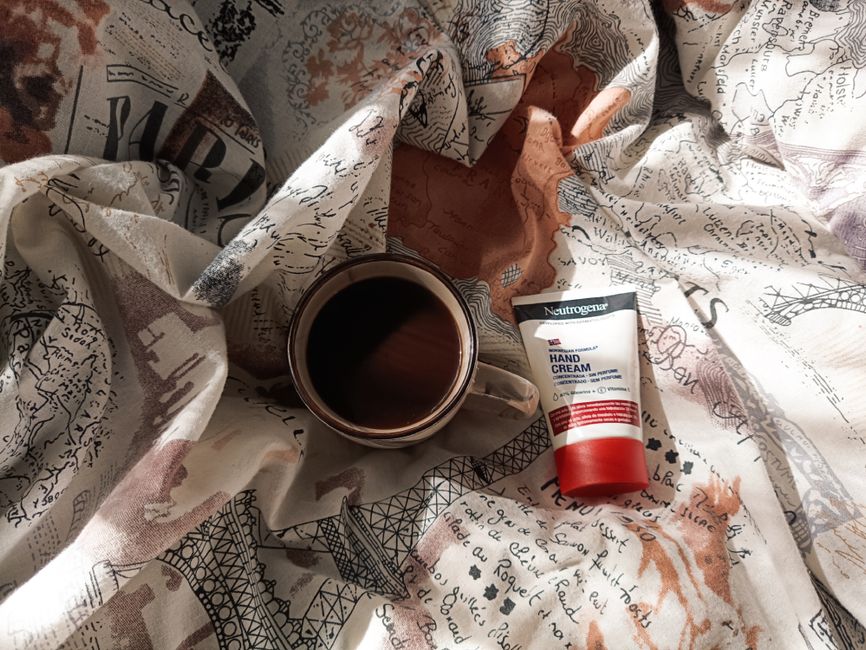
Ultimately, I found myself reaching for Neutrogena during humid summer days or when I wanted a quick hydration boost under my sunscreen. But for colder weather, or when my skin felt truly parched and compromised, Cetaphil was my undeniable winner for lasting comfort and protection. It’s a classic for a reason.
Key takeaway: Personal testing reveals that Neutrogena is excellent for lightweight, quick hydration, while Cetaphil provides superior long-lasting barrier protection for more persistent dryness, highlighting the importance of matching product to specific daily needs and climate.
Making Your Final Pick: A 5-Point Action Plan
Choosing the right moisturizer doesn’t have to be a guessing game. Here’s a simple action plan to guide you:
- [ ] *Assess Your Skin’s Current Dryness Level:* Is it just a little tight, or is it flaky, itchy, and severely parched? Neutrogena is great for mild to moderate dryness; Cetaphil steps in for moderate to severe.
- [ ] Consider Your Climate & Season: Live somewhere humid? Neutrogena might be enough. Facing a dry, cold winter? Cetaphil’s richer formula will likely serve you better.
- [ ] Evaluate Your Routine & Lifestyle: Do you need something fast-absorbing for busy mornings? Or do you have time for a richer cream to sink in? Do you wear a lot of makeup?
- [ ] Patch Test, Always: Even with gentle formulas, skin can react. Apply a small amount to an inconspicuous area (like behind your ear or on your inner arm) for a few days before committing to your whole face.
- [ ] Listen to Your Skin: Pay attention to how your skin feels throughout the day. Does it still feel tight or uncomfortable? That’s your skin telling you it needs something different or more.
Key takeaway: Your ideal moisturizer choice depends on your specific dryness, climate, lifestyle, and how your skin personally responds to different textures and ingredients.
Who Should Skip This Battle Entirely?
While both Neutrogena and Cetaphil are excellent, affordable choices for dry skin over 40, they aren’t for everyone. If you’re looking for a moisturizer that also delivers a high concentration of potent anti-aging actives