
Blog
The Honest Comparison: Korean Skincare vs Drugstore Products for Combination Skin Beginners in 2026
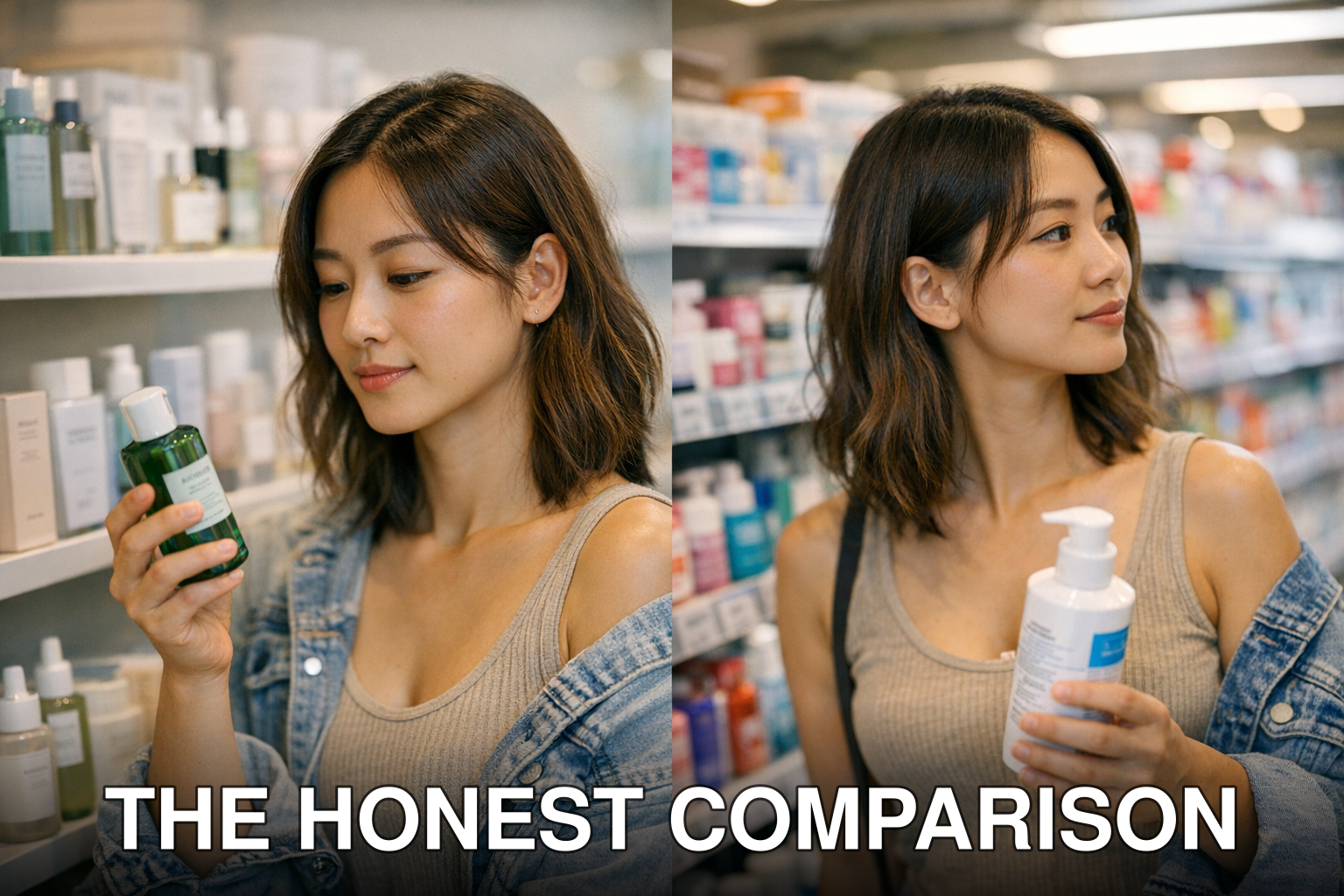
If you’ve ever found yourself staring at shelves of drugstore skincare products, wondering if you’re missing out on the much-hyped Korean skincare routines, you’re not alone. It’s a question I’ve personally wrestled with—and I’ve been deep in both worlds. But here’s the thing: the right choice isn’t as obvious as influencers might have you believe.
Combination skin is tricky. You’re oily in some spots, dry in others, and prone to random breakouts if the wind blows wrong. Trying to find a routine that doesn’t make one issue worse while solving another can feel impossible. Add to that the overwhelming difference in approach between Western drugstore brands and Korean skincare staples—it’s no wonder beginners are confused about where to start.
In this guide, you’ll discover:
- The biggest differences between Korean skincare and drugstore products (and why they matter).
- A breakdown of costs, ease of use, and results for combination skin types in 2026.
- Practical advice on what works best if you’re just starting your skincare journey.
Let’s get into it—your face deserves better than guesswork!
What Makes Korean Skincare So Popular?
Let’s address the elephant in the room first: Why does everyone rave about Korean skincare? It’s not just marketing hype—there are some real advantages here.
Korean beauty (or K-beauty) focuses on prevention rather than cure, emphasizing hydration, soothing ingredients, and multi-step layering for long-term results. Instead of stripping your skin dry to “get rid of oil,” products aim to balance your moisture barrier so your face stops overproducing oil in the first place. For combination skin beginners, this philosophy is huge.
Here are some common features of Korean skincare that stand out:
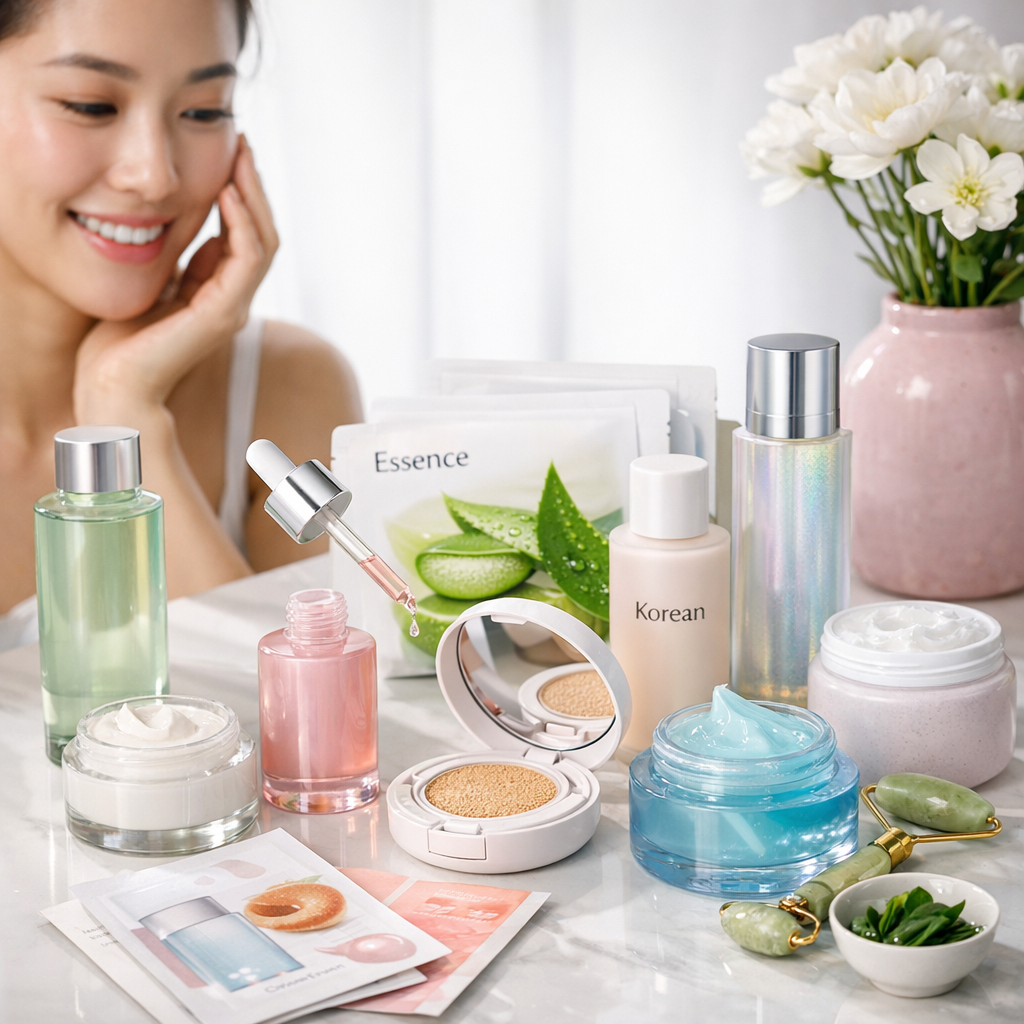
1. Gentle Cleansing – Oil-based cleansers followed by water-based ones (the famous double cleanse).
2. Hydration Overload – Toners and essences packed with humectants like hyaluronic acid or snail mucin (don’t knock it till you try it).
3. Layering Philosophy – Multiple lightweight layers instead of one heavy cream drowning your pores.
4. Innovative Ingredients – Things like green tea extract, rice ferment filtrate, and ceramides dominate formulations.
But here’s where it gets complicated: all those steps need time—and patience—which aren’t everyone’s strong suit.
Key takeaway: If you want long-term skin health and can commit to a few extra minutes each day, K-beauty gives impressive results for combination skin.
Also worth reading: 10 Best Hydrating Cleansers for Dry Skin
How Do Drugstore Products Compare?
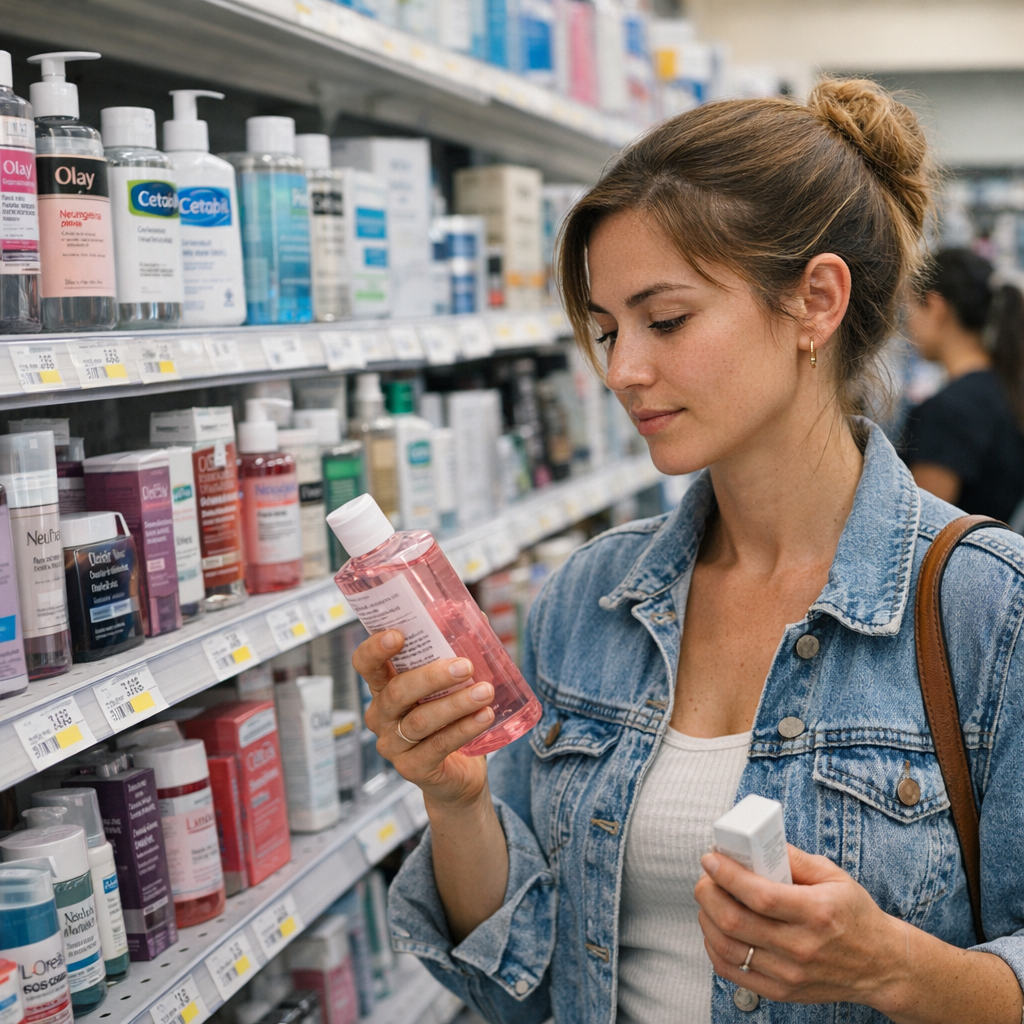
Drugstore brands take a more no-nonsense approach—and sometimes that works brilliantly for beginners overwhelmed by 10-step routines they’re unlikely to stick with anyway.
Western drugstore products tend to focus on targeted treatment over holistic care:
- Streamlined Routines: Cleanser + moisturizer + SPF = done.
- Bold Actives: Retinol for anti-aging? Salicylic acid for acne? You’ll find these power players front-and-center.
- Budget-Friendly Options: Prices typically range from $5–$20 per product.
However, this simplicity comes at a cost—literally and figuratively:
1. Many drugstore cleansers still strip natural oils from your face (hello dryness).
2. Moisturizers often lean too heavy or too light—rarely balanced enough for combo skin.
3. Some formulas load up on fragrance or alcohols that don’t play nice with sensitive areas.
That said? There are standouts worth trying if simplicity is your jam (more on those later).
Key takeaway: If you value quick routines or need budget-friendly options without sacrificing decent quality, drugstore can absolutely work—but finding combo-skin-friendly picks takes trial and error.
The Real Question: Which One Fits Your Life Better?
This depends on three factors: time commitment, budget constraints, and how experimental you’re willing to get.
| Feature/Factor | 🏆 Korean Skincare | Drugstore Products |
|———————————|—————————|————————|
| Time Investment | ⚠️ High (Multi-step routine) | ✅ Low (2–3 steps max) |
| Cost Per Product | $15–$50+ | $5–$20 |
| Ingredient Innovation | ✅ Cutting-edge | ⚠️ Limited |
| Beginner-Friendly? | ⚠️ Can overwhelm | ✅ Simple to start |
| Best For Combination Skin | ✅ Hydrating/balancing | ⚠️ Trial-and-error |
Best for:
Related guide: How to Choose the Right Toner for Acne-Prone
🏆 Korean Skincare: Anyone willing to invest time upfront for long-term glow and balance—especially if hydration is key for tackling dryness/oiliness simultaneously.
🏆 Drugstore Products: Beginners who need simple solutions fast or aren’t ready for multi-step experimentation yet.
What About Costs in 2026?
Let me be blunt—Korean skincare isn’t cheap anymore; global popularity has driven prices up significantly compared to five years ago.
For instance:
- A cult-favorite essence like COSRX Snail Mucin now runs around $25–$30 USD compared to under $20 back in 2020.
- Cleansers range from $15–$40 depending on brand prestige (something like Sulwhasoo is $$$).
Meanwhile, solid drugstore alternatives like Cetaphil Gentle Cleanser hold steady at ~$12—a significant gap if you’re watching every dollar.
But there’s another angle most people overlook: longevity versus wastefulness.
- With layered K-beauty routines using small amounts per step per product = slower depletion rates overall!
…whereas single-product-heavy regimens sometimes burn through jars faster than you’d think!
Cost Analysis Table Example:
| Product Type | Avg K-Skincare Price 💰 | Avg DrugStore Equivalent 💵 |
|—————–|—————————–|——————————–|
| Cleanser | ~$18-$30 | ~$8-$12 |
| Moisturizer ~$(20+) .