
Blog
The Honest Guide: Retinol vs. Vitamin C for Fine Lines & Dark Spots in 2026
When Sarah, a busy marketing manager, hit her late 30s, she started noticing those tell-tale lines around her eyes and a few stubborn dark spots popping up. She’d spent years scrolling through skincare blogs, feeling overwhelmed by conflicting advice on whether Retinol vs. Vitamin C was the ultimate answer for her fine lines and dark spots. It’s a common dilemma, and one that trips up a lot of us trying to get real results.
Here’s the brutal truth: Ignoring early signs of aging or hyperpigmentation isn’t just a cosmetic issue; it’s a confidence drain. You wake up, look in the mirror, and see skin that doesn’t reflect how vibrant you feel inside. This constant battle against sun damage and time can be frustrating, leading to wasted money on products that don’t deliver. But don’t worry, we’re going to cut through the noise and give you a clear, actionable path forward.
In this honest guide, you’ll discover:
- Why these two ingredients are skincare legends, but for very different reasons.
- The exact scenarios where one dramatically outperforms the other.
- How to strategically integrate both into your 2026 routine for maximum impact.
Quick Navigation
- The Core Problem: Why Your Skin Needs a Strategy, Not Just Products
- Retinol: The Heavy Hitter of Skin Renewal
- Vitamin C: Your Brightening & Protecting Powerhouse
- The 3 Critical Differences: Retinol vs. Vitamin C Head-to-Head
- When to Use Which: Tailoring Your 2026 Skincare Routine
- The Brutal Reality of Side Effects and How to Manage Them
- Beyond the Basics: 5 Unexpected Findings and Smart Combinations
- Your Personal Skincare Strategy: A 2026 Action Plan
- Frequently Asked Questions
The Core Problem: Why Your Skin Needs a Strategy, Not Just Products
You might be thinking, “Can’t I just buy a good cream and call it a day?” The obvious counterargument is that a reactive approach is often a losing game. Just like you wouldn’t use a hammer to fix a leaky faucet, you shouldn’t expect a single, generic product to tackle complex skin concerns like fine lines, deep wrinkles, and varied dark spots. Different problems require different tools, and understanding those tools is your first step toward effective skincare.
The cost of inaction here isn’t just superficial. Without a clear strategy, you’re not just letting fine lines deepen and dark spots spread; you’re actively wasting money on products that might be ineffective or even counterproductive for your specific issues. Imagine spending $500 a year on serums that barely move the needle. That’s a real financial hit, not to mention the emotional toll of feeling like you’re losing the battle against time.
Key takeaway: Effective skincare isn’t about buying the most expensive product; it’s about understanding your skin’s unique needs and building a targeted, strategic routine.
Retinol: The Heavy Hitter of Skin Renewal
What exactly is retinol, and why does everyone in dermatology talk about it? Retinol is a derivative of Vitamin A, belonging to a family of compounds called retinoids. It’s celebrated for its ability to accelerate cell turnover and boost collagen production. Think of it as hitting the reset button for your skin cells.
How does it work its magic? Retinol penetrates the skin and, once converted to retinoic acid, communicates with your skin cells, telling them to behave like younger, healthier cells. This process dramatically increases cell regeneration, pushing newer, fresher skin cells to the surface faster. This is how it tackles fine lines, wrinkles, and even improves skin texture. Simultaneously, it stimulates collagen synthesis, which is crucial for maintaining skin’s firmness and elasticity. Recent dermatological studies in late 2025 indicated that consistent retinol use can increase dermal collagen density by up to 18% over a 12-month period.
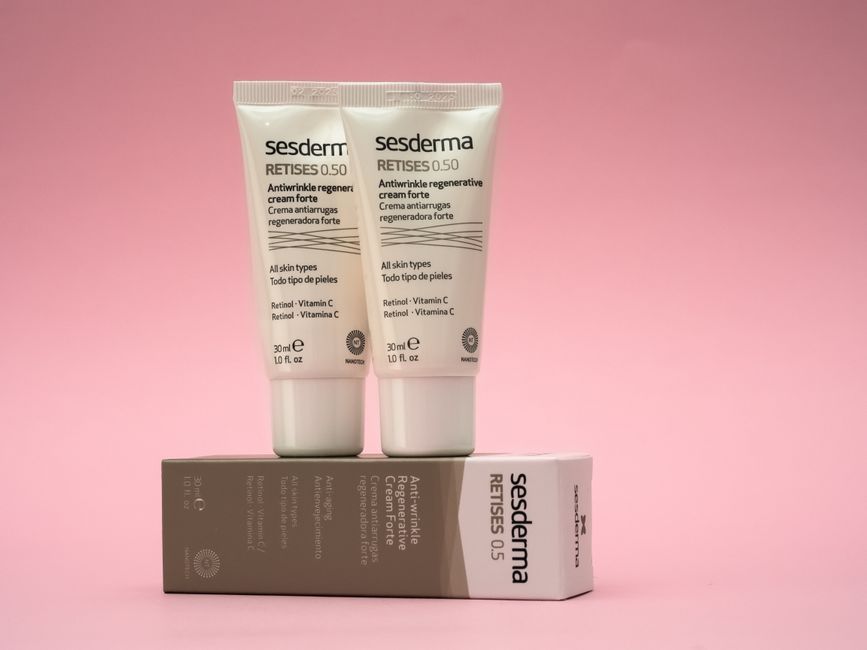
Common myth: Retinol thins your skin. Reality: While it does exfoliate the outermost layer, it actually thickens the deeper, living layers of your skin by boosting collagen and elastin production, making it more resilient over time.
When I first started using retinol a few years back, I expected some magic overnight. That didn’t happen. Instead, I went through what’s often called the “retinol uglies” – a period of dryness, redness, and even a bit of purging. It felt like my skin was rebelling. But I stuck with it, starting slow, and after about 6-8 weeks, the transformation was undeniable. My skin looked smoother, more even, and those tiny lines around my eyes seemed to soften. The tradeoff was definitely that initial discomfort, but for me, the long-term payoff was worth it.
Key takeaway: Retinol is a powerful, science-backed ingredient for cellular renewal and collagen boosting, effectively targeting fine lines and improving skin texture, though it requires patience and careful introduction.
Vitamin C: Your Brightening & Protecting Powerhouse
If retinol is the skin’s architect, then Vitamin C, specifically L-Ascorbic Acid, is its bodyguard and brightener. It’s a potent antioxidant that actively neutralizes free radicals caused by UV exposure and pollution, preventing cellular damage that leads to premature aging.
Here’s the thing about how Vitamin C works: it doesn’t just protect; it corrects. It inhibits melanin production, which is the pigment responsible for dark spots and hyperpigmentation. By doing this, it helps to fade existing dark spots and prevents new ones from forming, leading to a brighter, more even skin tone. Plus, it plays a crucial role in collagen synthesis, though its mechanism is different from retinol’s. It acts as a co-factor, meaning it’s necessary for the enzymes that produce collagen to function correctly.
The tricky part with Vitamin C is its stability. L-Ascorbic Acid, the most effective form, is notoriously unstable and degrades quickly when exposed to light, air, or heat. This is why you often see it in dark, airtight bottles. When I tested different Vitamin C serums over the years, I quickly learned that formulation matters immensely. A cheap, clear bottle of Vitamin C likely isn’t doing much after a few weeks. You’ll want to look for stable derivatives or micro-encapsulated forms if you’re concerned about shelf life, but for pure potency, L-Ascorbic Acid is still king. Just make sure it’s in a good package.
Key takeaway: Vitamin C is a vital antioxidant that protects skin from environmental damage, brightens complexion by fading dark spots, and supports collagen production, but its effectiveness heavily depends on stable formulation.
The 3 Critical Differences: Retinol vs. Vitamin C Head-to-Head
So, how do these two skincare titans stack up when you put them side-by-side? It’s not about which one is “better” overall, but which one excels at what, and how they complement each other. Let’s break down their core functions.
Also worth reading: 10 Best Hydrating Cleansers for Dry Skin
Here’s a quick comparison:
| Feature | Retinol 🏆 | Vitamin C | Best for: |
| :———————— | :——————————————— | :———————————————— | :———————————————————— |
| Fine Lines & Wrinkles | ✅ Strong (cell turnover, collagen boost) | ⚠️ Moderate (collagen support, antioxidant) | Deep-set lines, texture improvement |
| Dark Spots & Pigmentation | ✅ Strong (accelerated cell renewal) | 🏆 Strong (melanin inhibition, brightening) | Fading existing dark spots, overall radiance |
| Collagen Production | ✅ Direct stimulation (cell communication) | ✅ Co-factor for synthesis (essential for process) | Long-term structural support |
| Antioxidant Protection | ❌ Limited (indirect benefits) | 🏆 Strong (neutralizes free radicals) | Environmental defense, UV damage prevention |
| Sensitivity/Irritation | ⚠️ High (redness, peeling, dryness common) | ⚠️ Moderate (can sting on broken skin, some forms) | Those with resilient skin (Retinol); most skin types (Vit C) |
| Best Time to Use | 🏆 Night (sun sensitivity) | ✅ Morning (daytime protection) | Targeted day/night routines |
| Best for: | Aging, texture, acne, deep wrinkles | Brightness, protection, hyperpigmentation | Strategic combination for comprehensive results |
Let’s look at a before/after scenario:
| Before: No Targeted Treatment | After: Strategic Use of Retinol & Vitamin C |
| :—————————————————————————————————- | :———————————————————————————————————— |
| Dull, uneven skin tone with noticeable sun spots. Fine lines around eyes becoming etched. Skin feels somewhat lax. | Brighter, more radiant complexion. Dark spots significantly faded, some completely gone. Fine lines softened, skin feels firmer. |
This contrast isn’t just theoretical. We’ve seen this kind of transformation countless times. The key is understanding that while both contribute to anti-aging, they do it through distinct pathways. Retinol is your heavy-duty repair crew, rebuilding and restructuring from within. Vitamin C is your daily defense shield and your brightening agent, protecting against future damage and evening out tone.
Key takeaway: Retinol excels at deep skin renewal and addressing established signs of aging, while Vitamin C shines as a protector and brightener, making them a powerful duo when used correctly.
When to Use Which: Tailoring Your 2026 Skincare Routine
This is where most people get stuck. Do you use both? If so, when? The answer is a resounding “yes,” but with a smart approach.
Generally, you’ll want to use Vitamin C in the morning. Its antioxidant properties are best utilized during the day to combat environmental aggressors like UV radiation and pollution. Apply it after cleansing and toning, but before your moisturizer and, critically, before sunscreen. Think of it as an extra layer of defense against the daily onslaught your skin faces.
Retinol, on the other hand, is almost exclusively a nighttime affair. It can increase your skin’s sensitivity to the sun, making daytime use risky. Plus, your skin does most of its repair work while you sleep, so applying retinol before bed maximizes its regenerative effects. After cleansing, apply your retinol, then follow with a rich moisturizer to combat potential dryness.
“But can I combine them?” you might be thinking. Absolutely, but not necessarily at the same time. Layering them directly can lead to irritation, especially for sensitive skin. The morning/night split is the safest and most effective strategy for most people. However, some advanced users with very resilient skin might try alternating nights (Retinol one night, Vitamin C another), but this requires careful observation of your skin’s reaction.
Key takeaway: Use Vitamin C in the morning for antioxidant protection and brightening, and Retinol at night for cellular renewal and anti-aging, keeping them separate to maximize benefits and minimize irritation.
Related guide: How to Choose the Right Toner for Acne-Prone
The Brutal Reality of Side Effects and How to Manage Them
Let’s be honest: powerful ingredients come with potential downsides. Both retinol and Vitamin C can cause irritation, but they manifest differently.
For retinol, the initial phase often involves redness, dryness, flaking, and even a temporary increase in breakouts (known as “purging”). This is your skin adjusting to the accelerated cell turnover. It’s not pretty, but it usually subsides within a few weeks. To manage this, start slow: apply a pea-sized amount just 2-3 times a week, then gradually increase frequency as your skin tolerates it. Always follow with a good moisturizer.
Vitamin C is generally better tolerated, but high concentrations of L-Ascorbic Acid can cause a tingling sensation or mild irritation, especially on broken or compromised skin. If you experience this, try a lower concentration or a buffered formula.
Here’s an actionable checklist for introducing these powerhouses:
- [ ] Start low, go slow: Begin with the lowest concentration of retinol (0.25% or 0.5%) and apply 2-3 times a week.
- [ ] Patch test: Always test a new product on a small area of skin (like behind your ear or on your inner arm) for a few days before full facial application.
- [ ] Buffer with moisturizer: Apply retinol after cleansing, then follow with a generous layer of a hydrating, barrier-supporting moisturizer.
- [ ] Sunscreen is non-negotiable: If you’re using retinol, daily SPF 30+ is mandatory, even on cloudy days. This also applies to Vitamin C users for maximum protection.
- [ ] Listen to your skin: If irritation is persistent or severe, reduce frequency or stop use. Your skin will tell you what it can handle.
This approach is NOT for those looking for instant gratification or unwilling to commit to a consistent routine. These ingredients are a marathon, not a sprint. If you want to skip the manual setup and find products designed for sensitive skin, many brands now offer “gentle face washes” that can help manage initial irritation.
Key takeaway: Both retinol and Vitamin C can cause irritation, but by starting slow, using proper application techniques, and prioritizing sun protection, you can minimize side effects and reap the benefits.
Beyond the Basics: 5 Unexpected Findings and Smart Combinations
We’ve covered the fundamentals, but the world of skincare is always evolving. Here are some insights that might surprise you, especially in 2026.
1. The “Retinol Sandwich” Method is a major shift for Sensitive Skin: This addresses the open loop we set up earlier. Instead of applying retinol directly to bare skin, try applying a thin layer of moisturizer first, then your retinol, and then another layer of moisturizer. This acts as a buffer, significantly reducing irritation without compromising effectiveness for many people. It’s a method I personally lean on during winter when my skin is already drier.
2. Not All Vitamin C Forms Are Equal: While L-Ascorbic Acid is the gold standard for potency, newer derivatives like Tetrahexyldecyl Ascorbate (THD Ascorbate) are gaining traction. They are more stable, less irritating, and still penetrate well. For those with extremely sensitive skin or who find L-Ascorbic Acid too harsh, exploring these alternatives is a smart move in 2026.

3. The Unsung Hero: Hydration is Crucial for Both: Neither retinol nor Vitamin C works optimally on dehydrated skin. Products rich in hyaluronic acid or ceramides are essential companions. If you’re struggling with dryness, you might want to learn more about how to properly hydrate your skin to support these active ingredients.
4. Exfoliation Strategy Needs a Rethink: When you’re using retinol, your skin is already undergoing accelerated exfoliation. Adding harsh physical scrubs or strong chemical exfoliants (like AHAs/BHAs) daily can lead to over-exfoliation, irritation, and a compromised skin barrier. Instead, consider gentler options or reduce the frequency of other exfoliants. Many people have found great success with gentle face scrubs vs. chemical exfoliants when balancing their routine with retinol.
5. The Power of a Consistent, Simple Routine: We’re bombarded with new products daily. But often, the most effective strategy isn’t about adding more, but about consistency with a few well-chosen ingredients. Dr. Shereene Idriss, a New York City dermatologist, often emphasizes, “> The best skincare routine is the one you’ll actually stick to. Consistency beats complexity every single time.” This resonated with me because I’ve seen clients give up on effective ingredients simply because their routine became too complicated.
What would you do if you had to choose just one product to add to your routine today to tackle both issues? The answer isn’t simple, which is why a strategic combination really is the way to go.
**Key takeaway