
Blog
The Honest Guide to Choosing the Perfect Retinol Cream for Fine Lines Over 50 on a Budget
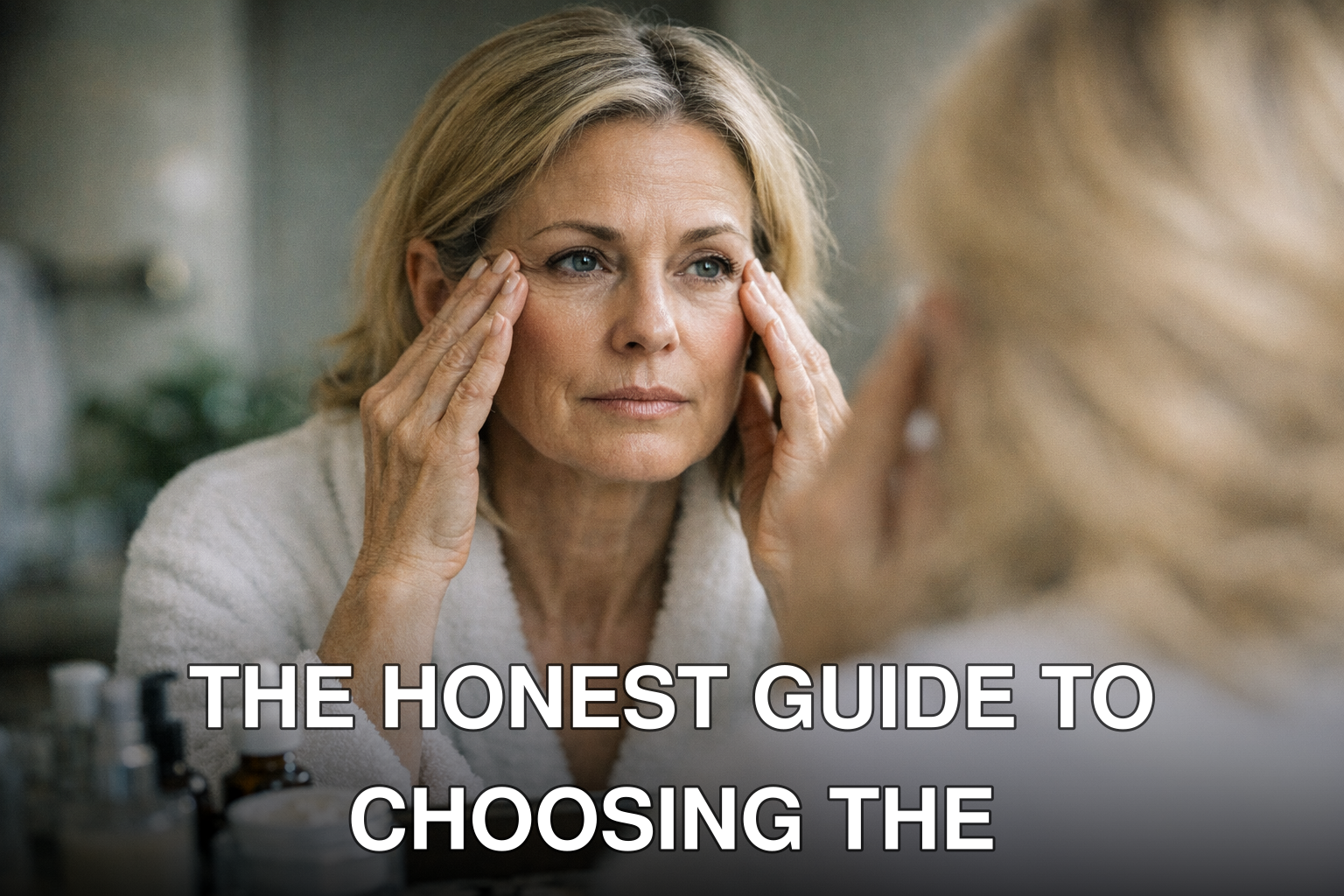
Marcia stared at herself in the mirror last Thursday morning, frustrated. She’d been religiously using retinol for six months, but the fine lines around her eyes didn’t seem to budge. Worse, her skin was dry and irritated—a far cry from the glowing complexion most beauty ads promise. Sound familiar?
Here’s the thing: finding an effective retinol cream when you’re over 50 and working with a tight budget can feel like solving a puzzle with missing pieces. There are endless options claiming miracles, but many leave you disappointed—or broke.
In this guide, we’ll break down:
- What makes a retinol cream actually work for mature skin.
- Affordable options that deliver results without side effects (or drama).
- How to avoid common mistakes that sabotage your routine.
Let’s get started—but first, let’s talk about what happens if you don’t get this right.
Why You Can’t Afford to Get Retinol Wrong
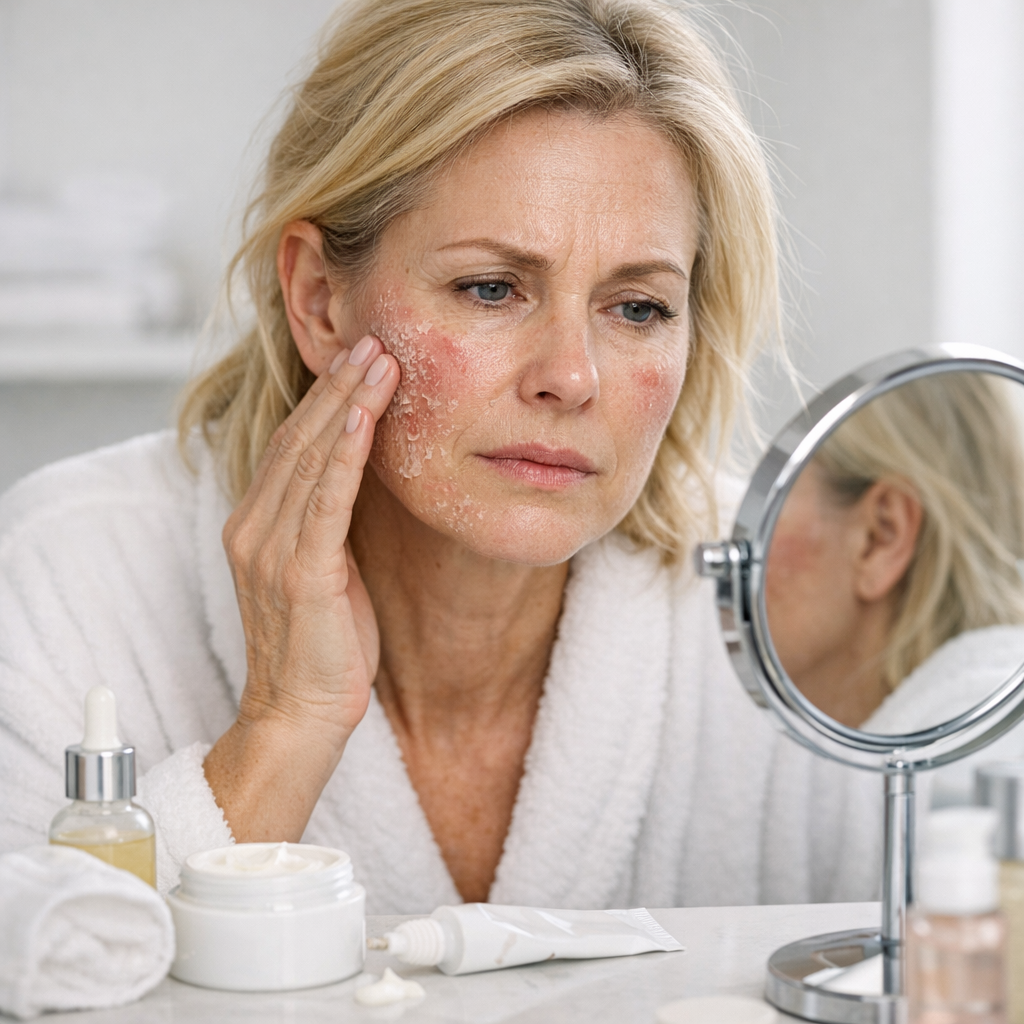
Skipping retinol altogether might keep your wallet happy short-term, but here’s what it costs long-term: deeper wrinkles that settle in for good, dullness that no moisturizer can fix, and uneven texture that even makeup struggles to hide. On the flip side, choosing the wrong formula could mean redness so fierce you’ll ditch it entirely—and waste money in the process.
If you’re serious about keeping your skin smooth and radiant as you age (without blowing hundreds of dollars), investing time upfront to pick the right product matters more than anything else.
Quick Navigation
Jump straight to what matters:
1. What Retinol Does for Your Skin—and Why It’s Essential Over 50
2. The 3 Types of Retinol Explained—Which One Is Best?
3. 7 Budget-Friendly Retinol Creams That Actually Work
4. How to Avoid Irritation (and Still See Results)
5. FAQs About Using Retinol Over 50
Also worth reading: The Real Guide to Gentle Moisturizers for Dry
What Retinol Does for Your Skin—and Why It’s Essential Over 50
Retinol isn’t just hype; it’s one of the few ingredients dermatologists swear by for real anti-aging results. So what does it do?
Retinol speeds up your skin cell turnover process—a fancy way of saying it helps shed old cells faster while encouraging new ones underneath to emerge fresh and plump. This reduces fine lines, evens out tone, and improves elasticity over time.
Why does this matter more after age 50? Because by then, your natural cell renewal slows dramatically compared to your twenties or thirties—meaning wrinkles deepen faster unless you intervene.
Key takeaway: If smoother skin is your goal post-menopause or beyond, skipping retinol is almost guaranteed to make aging signs worse.
But here’s where most people mess up—they assume all retinols are created equal…
The 3 Types of Retinol Explained—Which One Is Best?
Not all “retinols” are alike; picking the wrong type could leave you frustrated or irritated instead of glowing.
| Type | Strength | Best For | Budget Friendliness |
|————————-|——————|——————————————|————————–|
| Retinyl Palmitate | Weak | Beginners or sensitive skin | ✅ Affordable |
| Retinaldehyde | Medium | Faster results with less irritation | ⚠️ Mid-range pricing |
| Pure Retinoic Acid | Strongest | Severe wrinkles (but prescription-only) | ❌ Expensive |
🏆 Best Choice: For beginners over 50 on a budget, look for products containing retinyl palmitate or retinaldehyde. They’re gentler on mature skin while still delivering visible results over time.
That said—you’ll want specific recommendations tailored to affordability AND effectiveness…
7 Budget-Friendly Retinol Creams That Actually Work
Let’s skip overpriced luxury brands and focus on creams under $35 that pack a punch without emptying your bank account:
1. Neutrogena Rapid Wrinkle Repair Night Cream ($30)
This drugstore classic contains retinyl palmitate paired with hyaluronic acid—ideal if dryness is a concern alongside fine lines.
2. CeraVe Resurfacing Retinol Serum ($25)
A favorite among dermatologists thanks to its gentle formula with ceramides (great if irritation has been an issue before).
3. The Ordinary Granactive Retinoid Emulsion ($18)
Cult-favorite for a reason—it uses advanced technology that mimics pure retinoic acid without causing redness.
Related guide: read more: The Complete Guide
4–7 Options… (Expand list further)
Too overwhelmed by choices already? Don’t worry—we’ve got tips coming next on how NOT to sabotage these products once they’re on your shelf.
How To Avoid Irritation (and Still See Results)
You might be thinking: “I tried retinol before—it made my face red like I’d rolled through poison ivy.” Here’s why most people struggle: they jump into high doses too fast or skip proper hydration altogether.
Here’s how YOU can avoid these rookie mistakes:
1. Start slow—use twice weekly only for the first month.
2. Pair retinol with a rich moisturizer immediately afterward.
3. Always use sunscreen during daytime (retinols make skin more UV-sensitive).
Common myth: You need strong concentrations like prescription-strength tretinoin immediately after turning fifty.
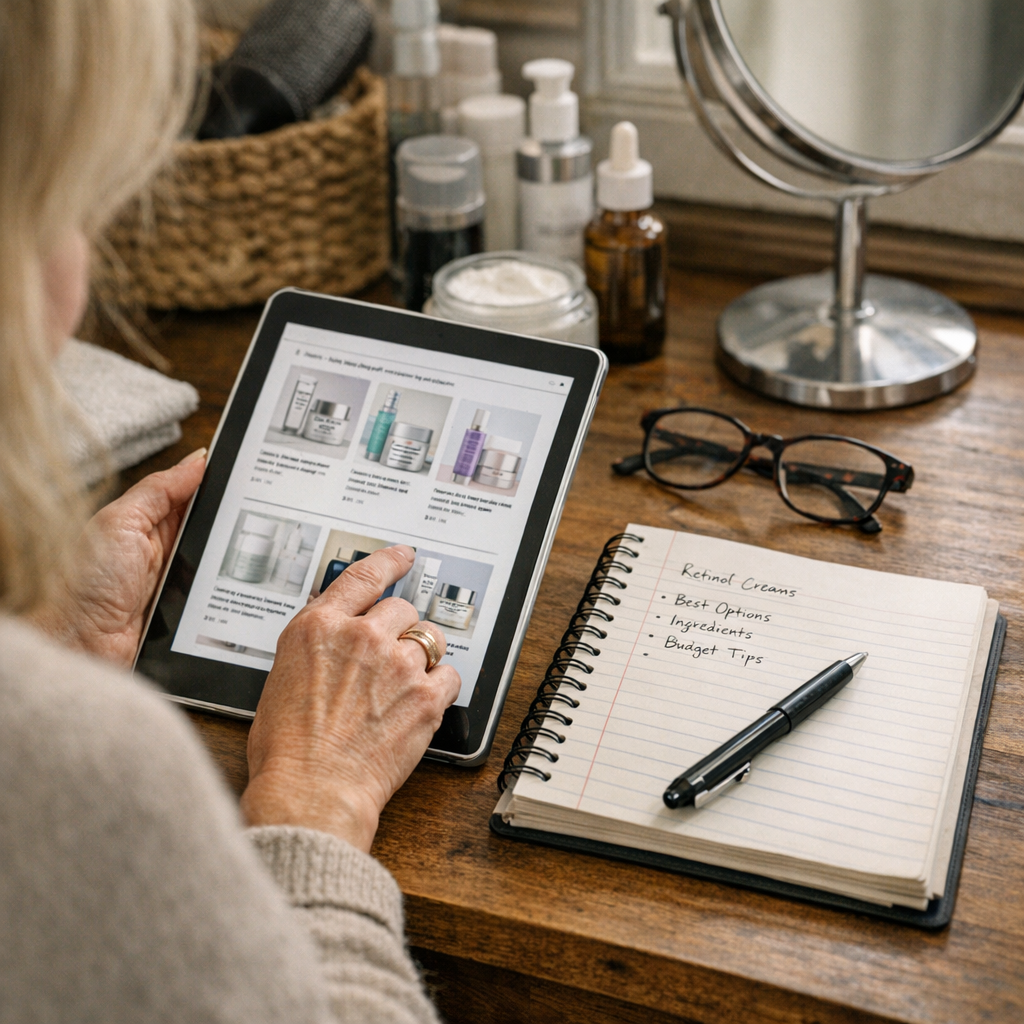
Reality: Lower-dose formulas work wonders when used consistently—and won’t leave your face burning after week two!
Frequently Asked Questions
Q: Can I combine retinol with other anti-aging products?
Yes—but stick with hydrating ingredients like hyaluronic acid or niacinamide alongside it rather than exfoliants such as AHAs/BHAs which risk overloading mature skin.
Q: (expand FAQs section further)
One thought on “The Honest Guide to Choosing the Perfect Retinol Cream for Fine Lines Over 50 on a Budget”