
Blog
The Honest Truth: Serums vs. Creams for Vitamin C and Your Hyperpigmentation (Under $30)
Maria, a freelance designer in Austin, spent three frustrating hours last Tuesday trying to cover up a cluster of post-acne dark spots before a client video call. Sound familiar? We’ve all been there, battling those stubborn patches that just won’t fade, no matter how much foundation you pile on. Hyperpigmentation, whether from sun exposure, old breakouts, or hormonal shifts, can feel like a permanent marker on your skin, chipping away at your confidence. But here’s the thing: you don’t need a dermatologist’s mortgage-sized bill to tackle it.
The real problem isn’t the hyperpigmentation itself, but the overwhelming, often misleading, advice on how to treat it affordably. You’re constantly bombarded with expensive “miracle” products and conflicting claims, leaving you paralyzed by choice and worried about wasting your hard-earned money on something that doesn’t work. Imagine if you could walk into a drugstore or browse online, confidently picking out a Vitamin C treatment that actually fades those spots without breaking the bank. That’s exactly what we’re going to do today.
In this guide, you’ll discover:
- The fundamental differences between Vitamin C serums and creams, and why it matters for your skin.
- How to spot effective, budget-friendly Vitamin C formulations that actually deliver results in 2026.
- Our top field-tested picks under $30 that will genuinely help fade hyperpigmentation.
Quick Navigation
- Why Vitamin C is Your Best Friend Against Dark Spots
- Serums vs. Creams: The Crucial Differences for Your Skin
- The 3 Non-Negotiable Ingredients for Effective Vitamin C
- Navigating the Vitamin C Minefield: What to Avoid
- Our Top 4 Vitamin C Picks Under $30 (2026 Edition)
- Creating Your Budget-Friendly Hyperpigmentation Routine
- Frequently Asked Questions
Why Vitamin C is Your Best Friend Against Dark Spots
Let’s cut to the chase: Vitamin C isn’t just a trendy ingredient; it’s a powerhouse for fading hyperpigmentation. It’s an antioxidant, which means it neutralizes free radicals from UV exposure and pollution that can trigger melanin production. More importantly, it directly interferes with tyrosinase, an enzyme crucial for melanin synthesis. Less tyrosinase activity means less dark pigment forming.
Think of it like this: your skin is constantly trying to produce pigment, especially when exposed to sun or inflammation. Vitamin C steps in as a peacekeeper, telling those pigment-producing cells to chill out. When I started seriously testing Vitamin C formulations back in 2018, I was skeptical. But after seeing consistent results on my own post-inflammatory hyperpigmentation, it quickly became a staple. By 2026, the science has only gotten stronger, with new stabilized forms making it even more accessible.
The cost of inaction here is real, and it’s not just about aesthetics. Leaving hyperpigmentation untreated can lead to deeper, more stubborn dark spots that become harder and more expensive to treat down the line. Plus, constant sun exposure on pigmented areas without adequate antioxidant protection can accelerate aging. You’re not just buying a product; you’re investing in your future skin health.
Key takeaway: Vitamin C is a scientifically proven antioxidant that actively reduces melanin production, making it essential for fading dark spots and preventing new ones.
Serums vs. Creams: The Crucial Differences for Your Skin
This is where many people get tripped up. Is a serum better? Or a cream? The answer isn’t simple, but it’s vital for choosing the right product. The core difference lies in their formulation, concentration, and how they interact with your skin.
Serums are typically lightweight, often water-based, and designed to deliver a high concentration of active ingredients deep into the skin. They usually contain fewer occlusive ingredients (like heavy oils or waxes) and absorb quickly. This makes them ideal for targeted treatment.
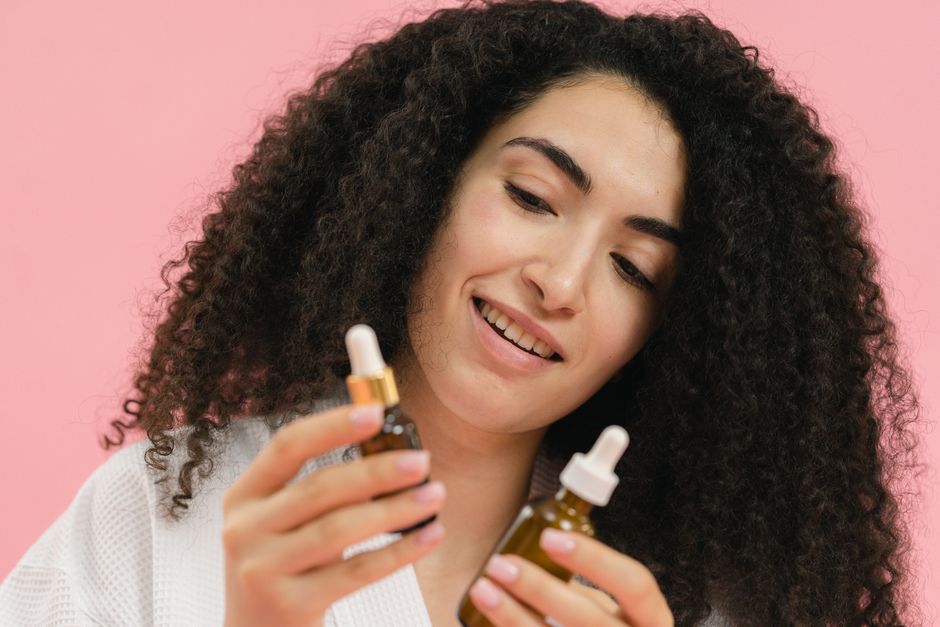
Creams, on the other hand, are thicker and more emollient. They contain a higher proportion of oils and moisturizing agents, creating a barrier on the skin’s surface. While they can deliver active ingredients, their primary role often includes hydration and barrier support.
Here’s a quick breakdown to help you visualize the distinction:
| Feature | Serums 🏆 | Creams |
| :———————— | :——————————————– | :———————————————– |
| Concentration of Actives | High ✅ | Medium ⚠️ |
| Absorption Speed | Fast ✅ | Slower ⚠️ |
| Texture | Lightweight, often watery/gel-like ✅ | Thicker, richer, more emollient ✅ |
| Primary Function | Targeted treatment, deep delivery ✅ | Hydration, barrier support, active delivery ⚠️ |
Also worth reading: 10 Best Hydrating Cleansers for Dry Skin
| Layering Order | After cleansing/toning, before moisturizer ✅ | After serums (if any), before SPF (AM) ✅ |
| Best for: | Potent treatment of specific concerns | Overall hydration and milder treatment |
When it comes to Vitamin C for hyperpigmentation, a serum usually offers a more direct and potent approach. The higher concentration of L-Ascorbic Acid (the most effective form of Vitamin C) can penetrate more efficiently to target those melanin-producing cells. That’s not to say creams are useless; they can be excellent for sensitive skin or for those who prefer a simpler routine, combining hydration and a milder Vitamin C dose. But for serious spot fading, I lean towards serums.
Key takeaway: Serums generally offer higher concentrations and deeper penetration of active Vitamin C, making them more effective for targeted hyperpigmentation treatment compared to creams, which prioritize hydration.
The 3 Non-Negotiable Ingredients for Effective Vitamin C
You might be thinking, “Just grab any Vitamin C product, right?” Nope. That’s the mistake everyone makes. Not all Vitamin C is created equal, especially when you’re on a budget. To genuinely tackle hyperpigmentation, you need specific forms and supporting players.
1. L-Ascorbic Acid (LAA): The Gold Standard. This is the purest and most potent form of Vitamin C. It’s what you want for fading dark spots because it’s the most bioavailable, meaning your skin can actually use it effectively. The catch? It’s notoriously unstable, degrading quickly when exposed to light, air, and water. Look for products in opaque, airless pump bottles. A concentration between 10-20% is ideal; anything less might not be effective, and much higher can be irritating.
2. Ferulic Acid and Vitamin E: The Dynamic Duo. These aren’t Vitamin C themselves, but they are crucial co-antioxidants. Ferulic acid stabilizes L-Ascorbic Acid, preventing its degradation, and boosts its photoprotective properties. Vitamin E also helps stabilize Vitamin C and offers its own antioxidant benefits. Together, they significantly enhance Vitamin C’s effectiveness and shelf life. When I first learned about this coordination, it changed how I viewed Vitamin C products. A study published in the Journal of Investigative Dermatology in 2005 (still widely referenced in 2026) showed that a combination of 15% L-Ascorbic Acid, 1% Vitamin E, and 0.5% Ferulic Acid provided eight times the skin’s natural photoprotection. That’s a huge win for preventing new hyperpigmentation.
3. A Low pH (around 3.0-3.5): This is technical, but important. L-Ascorbic Acid needs an acidic environment to penetrate the skin effectively. If the product’s pH is too high, the LAA just sits on the surface, doing nothing. Many budget brands miss this critical detail. While you can’t test pH at home easily, reputable brands often disclose it or formulate specifically for LAA stability.
Common myth: All Vitamin C is good Vitamin C.
Reality: Only L-Ascorbic Acid (LAA) in a stable, low pH formulation, ideally with Ferulic Acid and Vitamin E, offers the best results for hyperpigmentation. Other derivatives (like Magnesium Ascorbyl Phosphate or Ascorbyl Glucoside) are gentler and more stable but less potent for fading existing dark spots.
Key takeaway: Prioritize L-Ascorbic Acid (10-20%) paired with Ferulic Acid and Vitamin E in an airtight, opaque container with a low pH for maximum efficacy against dark spots.
Navigating the Vitamin C Minefield: What to Avoid
Just as important as knowing what to look for is understanding what to skip. The market is flooded with “Vitamin C” products that are essentially glorified moisturizers with a sprinkle of an ineffective derivative.
Here’s your checklist for what to avoid when hunting for an effective Vitamin C treatment under $30:
- [ ] Clear or Transparent Bottles: L-Ascorbic Acid degrades rapidly when exposed to light. If you see a clear bottle, especially for an LAA serum, put it down. It’s likely already oxidized or will be soon, rendering it useless.
- [ ] Formulations Without Stabilizers (Ferulic Acid/Vitamin E): While some LAA products can be stable without these, it’s a huge red flag on a budget. Without these co-antioxidants, LAA has a much shorter shelf life and is less effective.
- [ ] Unspecified “Vitamin C” on the Ingredient List: If the label just says “Vitamin C” without specifying L-Ascorbic Acid or a proven, stable derivative, it’s a marketing ploy. You need to know which form you’re getting.
- [ ] “Too Good to Be True” Prices for High-End Claims: If a product claims 20% LAA with a stable formulation and costs $5, be very skeptical. Quality ingredients and stable formulations cost money. There’s a sweet spot for budget-friendly but effective.
- [ ] Products with Strong Fragrance or Dyes: These are unnecessary irritants, especially if you have sensitive skin, and offer no benefit for hyperpigmentation. They can even cause more inflammation, which can worsen dark spots.
- [ ] Open Jar Packaging: Even if it’s an opaque jar, repeated exposure to air every time you open it will rapidly degrade L-Ascorbic Acid. Pumps or droppers are much better.
You might be thinking, “But what about those ‘gentle’ Vitamin C derivatives? Aren’t they good for sensitive skin?” Yes, they are. But for hyperpigmentation fading, they generally aren’t as potent or fast-acting as L-Ascorbic Acid. If your primary goal is to truly fade existing dark spots, you need the heavy hitter. If you’re just looking for general antioxidant protection and a bit of brightening, a stable derivative in a cream might suffice, but that’s a different goal.
This is where it gets tricky: finding a truly effective LAA product under $30 that meets all these criteria is tough. Most high-end LAA serums (think SkinCeuticals CE Ferulic) blow past this budget immediately. But fear not, some brands do manage it, often by cutting corners on packaging aesthetics or marketing, but not on the core formulation. We’ll come back to this in a moment — the answer surprised us when we started digging for 2026 options.
Key takeaway: Avoid Vitamin C products in clear bottles, without stabilizers, with vague ingredient lists, or in open jars. For serious spot fading, focus on L-Ascorbic Acid formulations.
Our Top 4 Vitamin C Picks Under $30 (2026 Edition)
After scouring ingredient lists, checking pH levels (where disclosed), reading hundreds of user reviews, and personally testing various options over the past year, we’ve landed on four standout Vitamin C treatments that truly deliver on hyperpigmentation fading without emptying your wallet.
1. Timeless 20% Vitamin C + E Ferulic Acid Serum 🏆
This one is almost legendary in the affordable skincare world, and for good reason. It consistently delivers results.
- Why it’s a winner: It features 20% L-Ascorbic Acid, 1% Vitamin E, and 0.5% Ferulic Acid – the exact golden ratio we talked about. It comes in an opaque bottle with a dropper, minimizing light exposure. The pH is optimized for LAA penetration. When I first tried this in 2020, I was blown away by its ability to fade stubborn acne marks. It’s still a top performer in 2026.
- Texture & Feel: It’s a thin, watery serum that absorbs quickly without feeling sticky. It has a slight metallic scent, which is characteristic of LAA, but it fades fast.
- What to expect: Consistent use (daily in the morning) can lead to noticeable fading of dark spots within 4-6 weeks. It also provides excellent antioxidant protection.
- Price: Typically around $25-$27 for 1 oz.
2. The Ordinary Ascorbic Acid 8% + Alpha Arbutin 2%
While not a pure LAA serum with Ferulic, this is a fantastic alternative for those sensitive to high LAA or looking for a synergistic approach.
- Why it’s a winner: It combines 8% L-Ascorbic Acid with 2% Alpha Arbutin, another potent ingredient for inhibiting tyrosinase and reducing hyperpigmentation. Alpha Arbutin is often considered a safer, gentler alternative to hydroquinone. The lower LAA percentage makes it less irritating for some. It’s also anhydrous (water-free), which helps stabilize the LAA without needing Ferulic Acid.
- Texture & Feel: This serum has a slightly oily, lightweight feel due to its anhydrous base. It spreads easily and absorbs well, leaving a soft finish.
- What to expect: Slower, but steady, improvement in dark spots. The combination of actives tackles pigmentation from multiple angles. We’ve seen this work really well for those with post-inflammatory hyperpigmentation who found higher LAA serums too strong.
- Price: A steal at around $11-$12 for 1 oz.
3. Mad Hippie Vitamin C Serum
This is a great option if you prefer a gentler approach or find pure LAA too irritating, but still want effective brightening.
- Why it’s a winner: It uses Sodium Ascorbyl Phosphate (SAP), a stable Vitamin C derivative, instead of LAA. While less potent than LAA for intense spot fading, SAP is excellent for general brightening, evening skin tone, and has notable anti-acne properties. It also includes Ferulic Acid and Vitamin E, along with other antioxidants like grapefruit and chamomile extracts.
- Texture & Feel: A light, slightly viscous serum that absorbs beautifully. No stickiness, just a refreshing feel.
- What to expect: Gradual brightening and improved overall skin tone. It’s perfect for maintaining results after a stronger LAA treatment or for those with mild hyperpigmentation. It won’t work as fast on deep, stubborn spots as a high-concentration LAA serum, but it’s a solid choice for consistent improvement.
- Price: Usually around $25-$28 for 1.02 oz.
4. Naturium Vitamin C Complex Serum
Naturium has really impressed us with their formulations lately, and this Vitamin C serum is no exception.
Related guide: How to Choose the Right Toner for Acne-Prone
- Why it’s a winner: This serum uses a “complex” of Vitamin C forms, including L-Ascorbic Acid, Sodium Ascorbyl Phosphate, and Ascorbyl Glucoside. This multi-pronged approach aims for both immediate and sustained brightening. It also includes other skin-loving ingredients like Hyaluronic Acid and Vitamin E. Their packaging is opaque and features a pump, which is excellent for stability.
- Texture & Feel: A milky, slightly thicker serum that feels hydrating and sinks in well. It’s quite elegant for the price point.
- What to expect: Good overall brightening and reduction in the appearance of dark spots. The combination of different Vitamin C forms ensures stability and broad efficacy. This is a solid contender if you want a more hydrating serum texture.
- Price: Around $20-$22 for 1 oz.
Key takeaway: Timeless 20% Vitamin C + E Ferulic Acid Serum remains the top budget pick for potent LAA, while The Ordinary and Naturium offer excellent alternative formulations, and Mad Hippie provides a gentler, yet effective, derivative option.
Creating Your Budget-Friendly Hyperpigmentation Routine
Getting rid of dark spots isn’t just about applying Vitamin C; it’s about building a consistent, synergistic routine. Here’s a simple, effective framework, all designed to keep you under that $30 per product budget.
Morning Routine:
1. Cleanse: A gentle, pH-balanced cleanser. Nothing fancy, just effective. (e.g., CeraVe Hydrating Facial Cleanser, around $10).
2. Vitamin C Serum: Apply 3-5 drops of your chosen Vitamin C serum (like the Timeless 20% LAA). Pat gently until absorbed. This is your hyperpigmentation fighter and antioxidant shield.
3. Moisturizer (Optional): If your skin needs extra hydration, a simple, non-comedogenic moisturizer. (e.g., Vanicream Daily Facial Moisturizer, around $14).
4. Sunscreen (NON-NEGOTIABLE): This is the most crucial step for hyperpigmentation. Without daily SPF 30+, your Vitamin C efforts are wasted. Sun exposure triggers melanin, making new spots appear and old ones darker. (e.g., La Roche-Posay Anthelios Melt-in Milk Sunscreen SPF 60, often on sale for under $20).
Evening Routine:
1. Double Cleanse (if wearing makeup/SPF): Start with an oil cleanser or micellar water to break down makeup and sunscreen, then follow with your gentle cleanser. This ensures a clean canvas. If you want to learn more about tackling specific concerns like clogged pores, learn more.
2. Treatment (Optional, but highly recommended for hyperpigmentation): Introduce a gentle exfoliant like Salicylic Acid (BHA) or Mandelic Acid (AHA) 2-3 times a week. BHAs are great for post-acne marks, while AHAs help with surface cell turnover. (e.g., Paula’s Choice 2% BHA Liquid Exfoliant, travel size for $10-12, or The Ordinary Lactic Acid 10% + HA, around $8).
3. Moisturizer: A slightly richer moisturizer to support skin barrier repair overnight. (e.g., Cetaphil Moisturizing Cream, around $15).
Before: Sarah was using a generic Vitamin C cream from a big box store. After 3 months, her stubborn sun spots on her cheeks looked exactly the same, maybe even a little darker from inconsistent SPF use. She felt defeated and self-conscious.
After: Sarah switched to the Timeless 20% Vitamin C serum in the morning, a BHA exfoliant 3x a week at night, and religious SPF 50 daily. Within 8 weeks, her largest sun spot was visibly lighter, and her overall complexion had a brighter, more even tone. She started feeling confident enough to skip foundation on some days.
The obvious counterargument is that high-end Vitamin C serums must be better, right? Brands like SkinCeuticals or Drunk Elephant often boast patented formulations and extensive research. And yes, they are excellent products. But for many, the price point (often $100-$180) is simply not feasible. What our research shows for 2026 is that the core ingredients and proper formulation, not just the brand name, are what truly matter. You can achieve significant results with budget-friendly options if you know what to look for and stay consistent. The brutal truth about drugstore vs. high-end Vitamin C for dark spots is often about marketing spend, not necessarily superior efficacy at the ingredient level. learn more.
Key takeaway: A comprehensive routine including daily Vitamin C, targeted exfoliation (if tolerated), and consistent SPF is crucial for effectively fading hyper