
Blog
The Real Guide to Choosing a Clay Face Mask for Clogged Pores and Blackheads
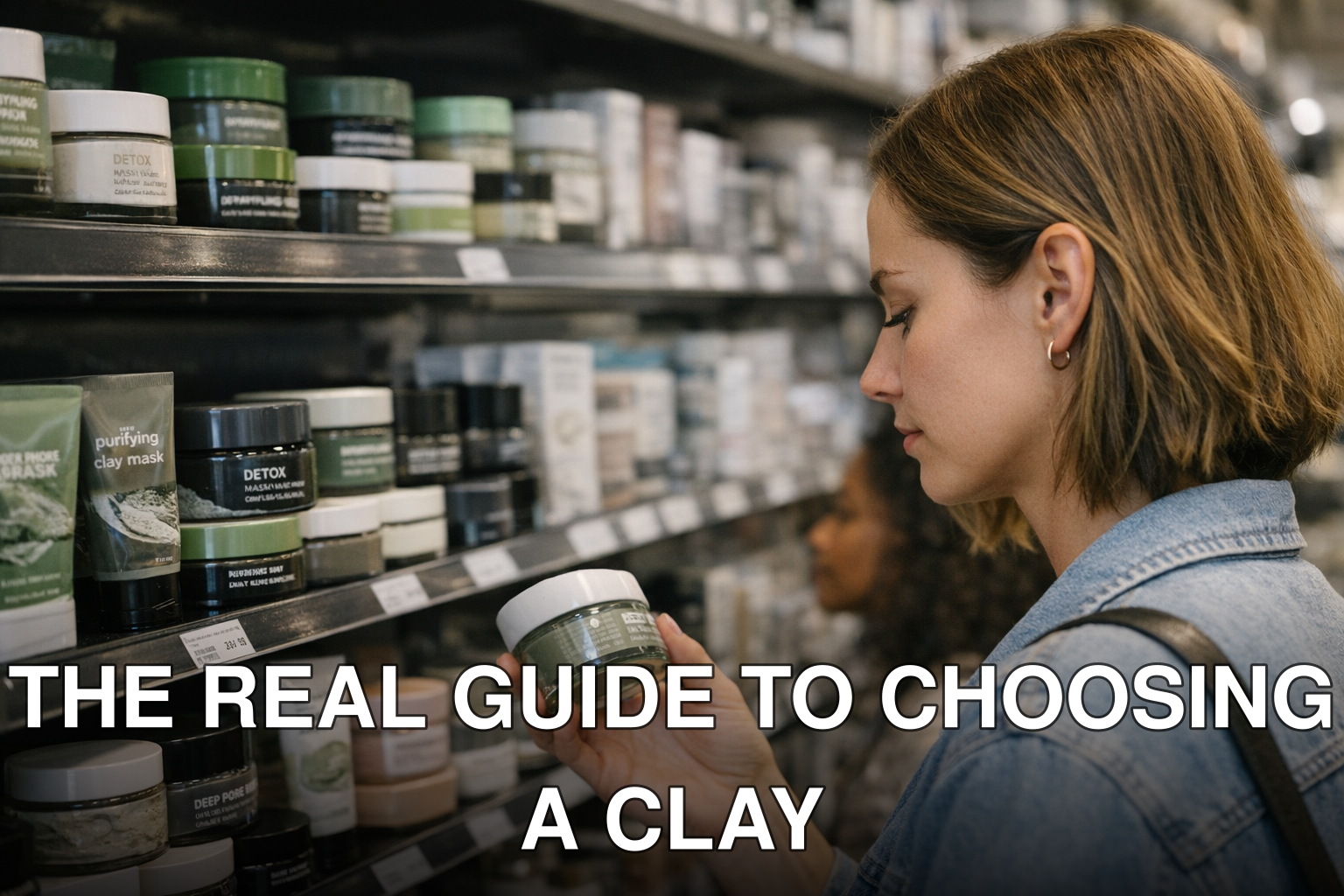
You’re standing in the skincare aisle, staring at a wall of clay masks. Some promise to “detoxify,” others claim they’ll “purify your soul” (or at least your face). But let’s be real—how do you actually pick one that works, especially if clogged pores and blackheads are your nemeses?
Here’s the rub: Not all clay masks are created equal. Pick the wrong one, and you could end up with dry, irritated skin—or worse, no change at all. But there’s good news: Once you know what to look for, it’s easy to find a mask that clears out gunk without wrecking your face.
In this guide, you’ll discover:
- The key ingredients every effective clay mask needs.
- Common mistakes people make when choosing masks (and how to avoid them).
- A practical checklist to help you pick the right product today.
Let’s get into it before those blackheads throw another party on your T-zone.
Why Blackheads and Clogged Pores Happen in 2026 (and Why Clay Masks Work)
Blackheads aren’t just dirt in your pores—they’re oxidized oil mixed with dead skin cells. Lovely image, right? And clogged pores? That’s when excess oil gets trapped under layers of skin debris. In other words, it’s a traffic jam on your face caused by stress, pollution, hormonal shifts—you name it.
Clay masks work because they act like little vacuums for your skin. Ingredients like bentonite or kaolin absorb oil and impurities while leaving behind a smoother surface. Think of them as a deep-cleaning tool—not something you use daily but definitely something worth keeping in your skincare arsenal.
But here’s where most people mess up: They assume any clay mask will do the trick. Spoiler alert—it won’t! You’ve got to match the mask’s formula with your skin type and specific concerns.
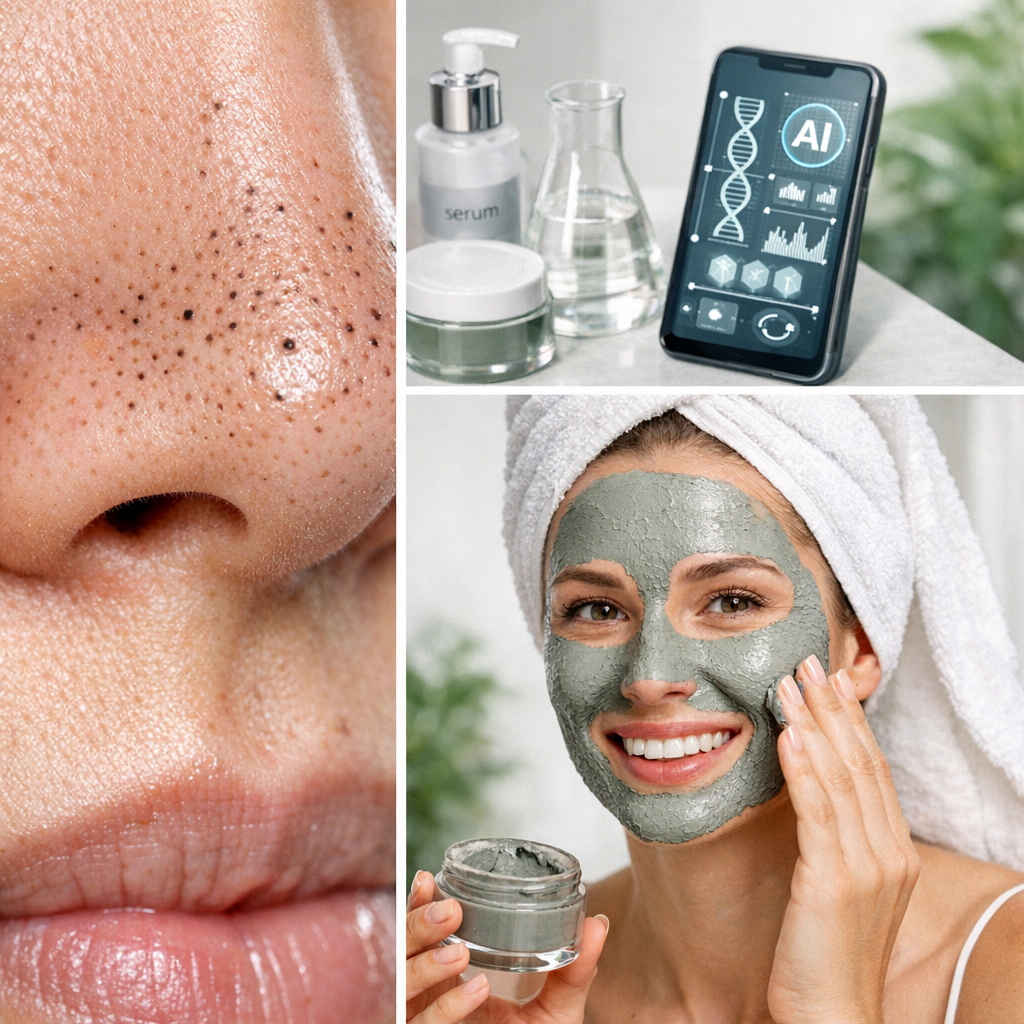
Cost of ignoring this? You’ll end up wasting time (and money) on products that either over-dry your skin or don’t unclog anything at all.
Quick Navigation
1. The 3 Clays That Actually Work for Blackheads
2. How to Spot Hidden Irritants That Wreck Sensitive Skin
3. 7 Mistakes Everyone Makes When Using Clay Masks
4. Checklist: How to Choose Your Perfect Clay Mask
5. FAQ: Answering Your Biggest Questions About Clay Masks
Also worth reading: The Honest Face
The 3 Clays That Actually Work for Blackheads
Not all clays are built the same—some are gentle enough for daily use while others suck up oil like industrial vacuums (great for oily skin but terrible if you’re prone to dryness). Here are the big three clays worth knowing about:
1. Bentonite Clay
If you’ve got oily or combination skin, bentonite is your best friend in 2026—and has been since ancient times (seriously, Cleopatra probably used this stuff). It swells when mixed with water, creating a magnetic pull that lifts oil and debris straight out of pores.
Reality check: Bentonite can be too intense if your skin leans dry or sensitive—it doesn’t play nice with moisture barriers.
2. Kaolin Clay
This is the chill cousin of bentonite—less aggressive but still effective at soaking up excess sebum and gently exfoliating dead cells off the surface layer of your skin.
Best for: Dry or sensitive types who still deal with blackhead-prone areas like noses and chins.
3. French Green Clay
Packed with minerals like magnesium and calcium, French green clay detoxifies while tightening pores slightly after use—perfect if large pores are part of why blackheads keep showing up.
🛠️ Key takeaway: Match the clay type to your concerns instead of grabbing whatever jar looks trendy on TikTok.
How to Spot Hidden Irritants That Wreck Sensitive Skin
You might be thinking: “If it’s labeled as ‘natural,’ it must be safe.” Nope! Natural doesn’t mean irritation-free—plenty of natural extracts can wreak havoc on sensitive skin when paired poorly with clays.
Here are three sneaky irritants hiding in some popular masks:
1️⃣ Fragrance/Parfum: Even “lightly scented” formulas can trigger redness or breakouts if you’re reactive.
2️⃣ Essential Oils Overload: A little tea tree? Fine. A whole medley? Recipe for disaster.
3️⃣ Menthol/Eucalyptus: These create a cooling effect but often cause stinging sensations—not ideal if inflammation is already an issue.
💡 Pro tip: Always patch-test new products on your jawline first before slathering them everywhere else.
7 Mistakes Everyone Makes When Using Clay Masks
Clay masks seem straightforward—but trust me when I say I’ve seen these rookie errors more times than I can count:
1️⃣ Leaving it on until it cracks—dry = damaged! Wash off while still tacky.
2️⃣ Using weekly masks every day because “more is better.” Hint: It isn’t.
3️⃣ Skipping moisturizer afterward because “my face already feels clean.” Big mistake.
Related guide: 10 Best Hydrating Cleansers for Dry Skin
4️⃣ Layering active serums immediately after masking—you’re asking for irritation.
5️⃣ Applying too thickly; thin even layers work better than cake-like smears.
6️⃣ Ignoring instructions about water temperature during rinsing (lukewarm always wins).
7️⃣ Assuming pricier means better—it doesn’t! Some $10 options outperform luxury brands every time.
Sound familiar? Don’t worry—you’re not alone!
Checklist: How to Choose Your Perfect Clay Mask
Use this quick list next time you’re shopping so you don’t waste money—or worse—damage your skin:
- [ ] Does it list bentonite/kaolin/French green clay high on its ingredients list?
- [ ] Is it free from synthetic fragrances or heavy essential oils?
- [ ] Does it include hydrating boosters like aloe vera alongside clay?
- [ ] Are reviews consistent about results being noticeable within two uses?
- [ ] Is there transparency about pH levels (ideal range = ~5–6)?
If you tick off most boxes above—you’ve likely found yourself a winner!

Frequently Asked Questions
Q: Can I use clay masks daily?
A: No—most clays pull out oils aggressively enough that daily use will dry out even oily complexions over time unless explicitly labeled “daily friendly.” Aim for 1–2 times weekly max unless instructed otherwise by packaging.
Q: Should men use different formulations than women?
A:”