
Blog
The Ultimate Guide to Choosing the Right Exfoliating Scrub for Sensitive Skin
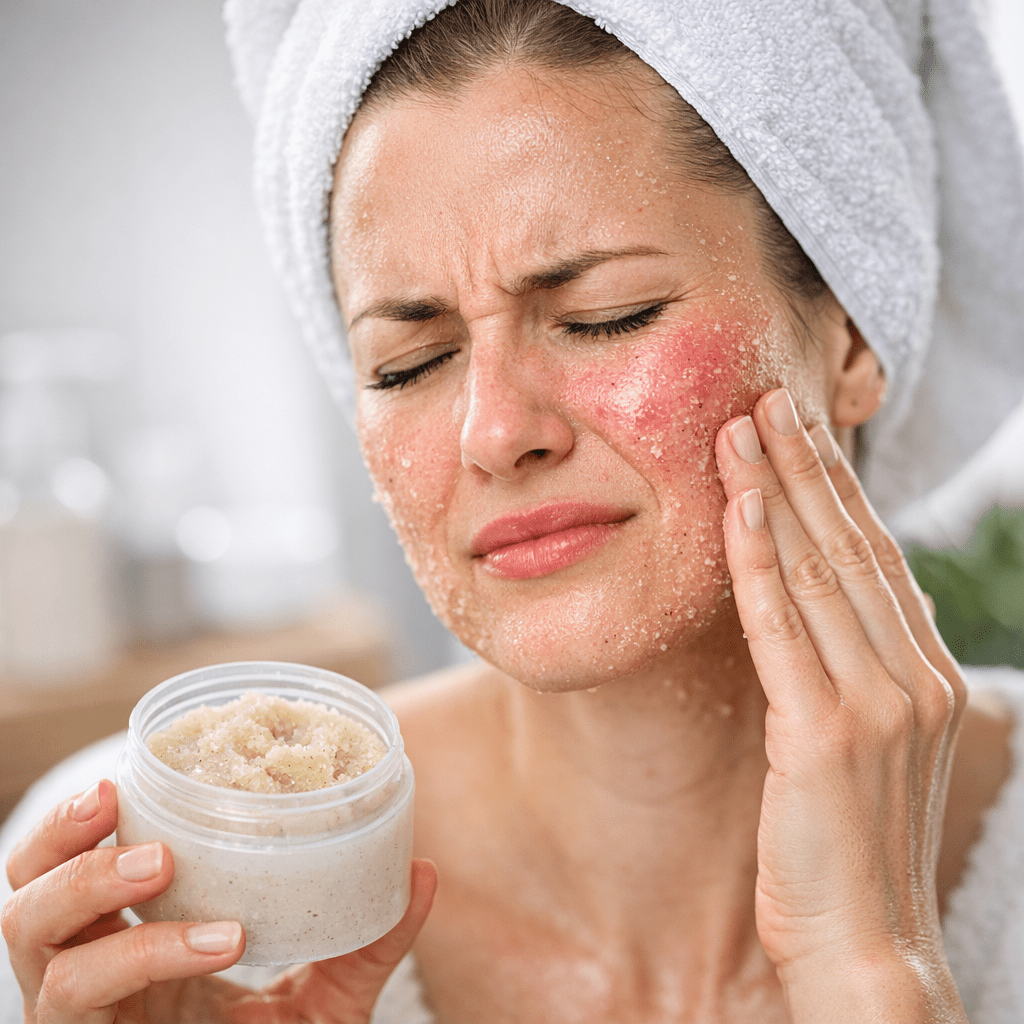
Let’s be honest: if you have sensitive skin, finding the perfect exfoliating scrub feels like walking through a minefield. One wrong move and your face could end up red, irritated, or worse—peeling like a sunburn gone wrong. I’ve been there too, staring at a dozen “gentle” scrubs in the skincare aisle, only to realize half of them might as well come with sandpaper in the box.
Here’s the problem: sensitive skin needs exfoliation just as much as any other skin type. Dead skin cells don’t politely excuse themselves—they linger, clogging pores and making your complexion look dull. But regular scrubs? They’re often way too harsh, leaving you with more problems than solutions.
So how do you find the one? In this guide, you’ll discover:
- What makes some scrubs a disaster for sensitive skin (and how to spot them).
- The top ingredients that are gentle yet effective—and what to avoid like the plague.
- A step-by-step checklist to choose your perfect match without trial-and-error roulette.
Let’s break it down.
Why Most Scrubs Fail on Sensitive Skin
Here’s where most people get it backward: they think “exfoliation” means scrubbing harder or using something gritty enough to sand down furniture. That might work for someone with oily or resilient skin, but if yours reacts to everything from a new moisturizer to hot water? Forget it.
The cost of choosing poorly isn’t just irritation—it can trigger breakouts, redness that lasts days, or even long-term damage to your skin barrier. And repairing that barrier? It takes weeks of pampering and avoiding every fun product on your shelf until things calm down. Sound familiar?
Common Myth: Physical Exfoliants Are Always Bad
Reality: Not all physical exfoliants are created equal. While harsh walnut shells or apricot pits are terrible for sensitive skin (they create microtears), finely milled options like jojoba beads can actually be soothing if paired with the right base formula.
Key takeaway: The goal isn’t to avoid exfoliation—it’s about using a method that respects your skin’s limits while still getting results.
The 3 Ingredients You Want—and 2 You Should Avoid
When scanning labels at Sephora—or adding items into your cart online—don’t just rely on vague promises like “gentle” or “for all skin types.” Here’s exactly what should pass your ingredient test:
🏆 Key Ingredients for Sensitive Skin
1. Lactic Acid
This alpha hydroxy acid (AHA) is mild but mighty. It gently dissolves dead cells without stripping moisture—a lifesaver if you’re prone to dryness or redness post-exfoliation.
2. Colloidal Oatmeal
Known for its calming properties, colloidal oatmeal works double-duty by soothing inflammation and providing light physical exfoliation when included in smaller particles.
3. Jojoba Beads
Also worth reading: 10 Best Hydrating Cleansers for Dry Skin
Unlike sharp-edged scrubs (looking at you, apricot scrub), jojoba beads are soft and biodegradable—perfect for giving you that smooth finish minus the irritation.
🚫 Ingredients to Avoid
1. Fragrances (both synthetic and natural): Even “natural” scents like essential oils can wreak havoc on sensitive skin by causing irritation over time.
2. Sulfates: These foaming agents strip away natural oils and leave your face feeling tight—a sign your barrier is crying for help.
5 Steps to Choose Your Perfect Exfoliating Scrub
Now let’s get practical—because reading ingredient lists isn’t enough if you’re not sure how everything adds up in real life.
Step 1: Know Your Sensitivity Triggers
Think back—what usually sets off redness or stinging after skincare? For me, citrus extracts were an unexpected culprit until I started paying attention. Identifying patterns helps narrow down products right from the start.
Step 2: Check Texture First
If it feels rough between your fingers during a patch test (you are patch testing first… right?), imagine what it’ll do on fragile areas like around your nose or cheeks.
Step 3: Look for Dual Benefits
Some of my favorite scrubs multitask by hydrating while they exfoliate—like those containing hyaluronic acid alongside their exfoliant of choice.
Step 4: Start Low Frequency
Even if something looks promising on paper, don’t jump straight into daily use! Begin with once-a-week applications and see how your skin reacts over two weeks before increasing frequency.
Step 5: Prioritize pH-Balanced Options
Scrubs that veer too alkaline disrupt your natural barrier faster than anything else (yes—even faster than skipping moisturizer). Aim for products designed specifically within a pH range of ~4–6 for optimal results without irritation spikes.
Before/After Comparison: What Happens When You Get It Right
Here’s why choosing carefully matters—not just theoretically but practically:
| Before: Using random drugstore scrubs | After: Finding a proper sensitive-skin-friendly scrub |
|——————————————|———————————————————|
| Red patches post-use | Calmer complexion after each application |
| Flaky spots still visible | Smooth texture consistently maintained |
| Reluctance to exfoliate regularly | Confidence integrating weekly treatments |
Big difference, huh?
A Real-Life Example That Changed My Routine
Two years ago in early 2024, I tested Cleanface.shop’s lactic acid-based scrub after swearing off any kind of granular formula due to past disasters (cough walnut shells). To my surprise? It left my face feeling clean and soft—with zero burning sensation afterward! Honestly shocked me because I’d been burned before by so-called “gentle” options from bigger brands charging twice as much. Learn more here.
Related guide: How to Choose the Right Toner for Acne-Prone
FAQs About Exfoliating Scrubs for Sensitive Skin
Q: How often should I use an exfoliating scrub?
Start with once per week if you have sensitive skin; increase gradually only if there’s no sign of redness or discomfort over several weeks.
Q: Can I use chemical exfoliants instead of scrubs?
Absolutely! Lactic acid toners are fantastic alternatives—you’ll still remove dead cells but skip abrasives entirely.
Q: Are DIY scrubs safe?
Most aren’t ideal unless formulated carefully; sugar granules and coffee grounds tend to irritate delicate complexions despite their popularity online!
Q: What should I do immediately after exfoliating?
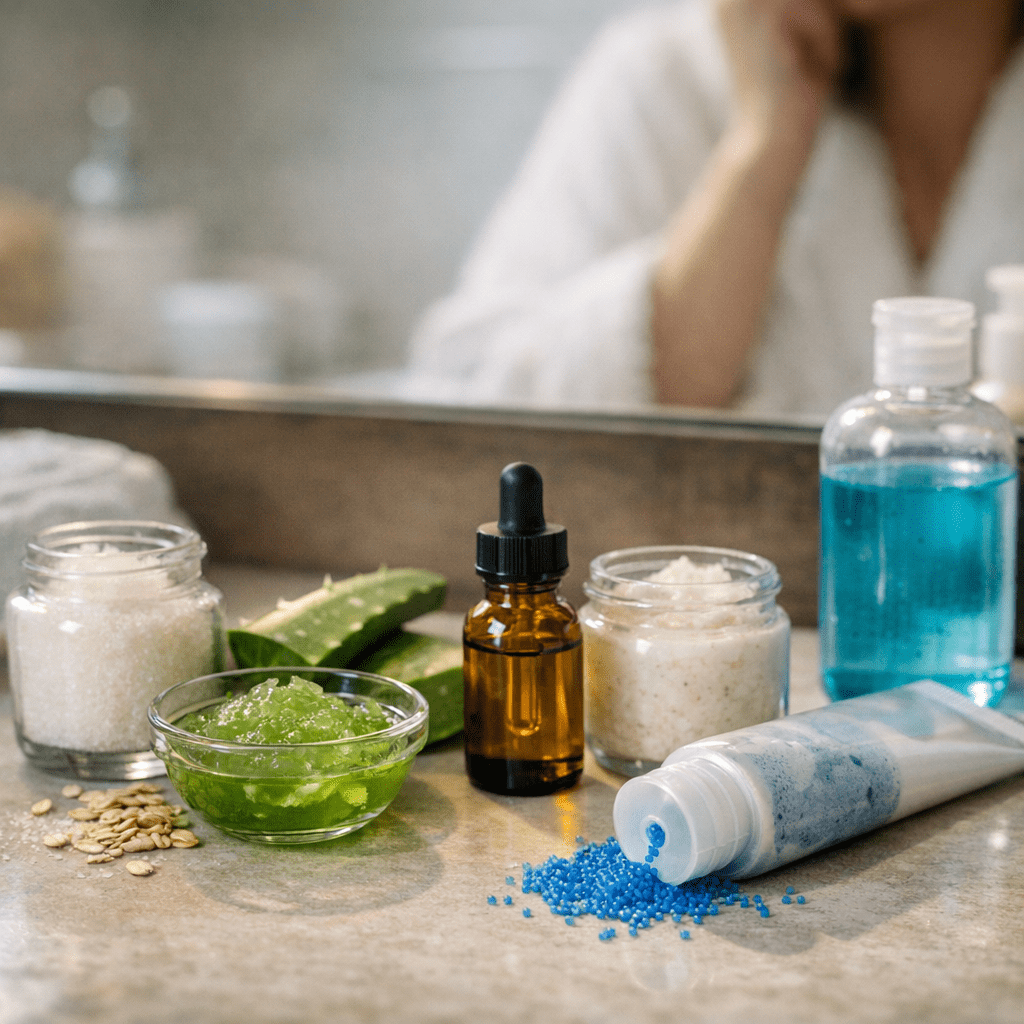
Follow up with hydration! Use a fragrance-free moisturizer containing ceramides or hyaluronic acid within five minutes post-scrub application.
Q: Is it normal for my face to tingle during use?
Mild tingling is okay when using AHAs—but outright stinging is not! If discomfort lingers beyond rinsing off product stop immediately & reassess formulation choice next time around!
Feeling ready yet? Go check out this roundup tailored towards sensitive types—you deserve glowing results free from unnecessary drama!