
Blog
Cream vs. Oil-Based Polishes: Which is Better for Dry Skin?: Practical Playbook with Real Examples
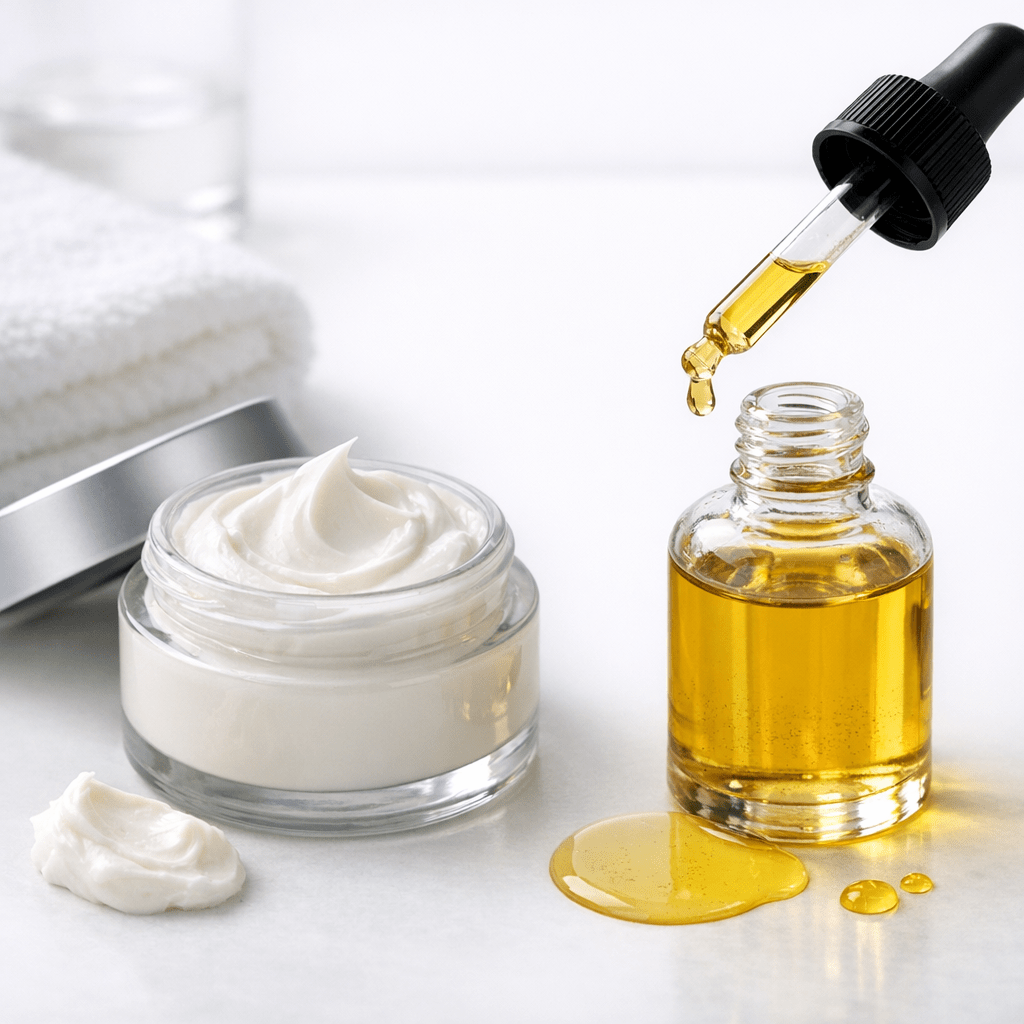
Picture this: it’s January, the air is biting cold, and your skin feels like sandpaper no matter how much moisturizer you slather on. You’ve tried everything—hydrating masks, serums, humidifiers—but nothing seems to last. Sound familiar? If you’ve got dry skin, the products you use to polish and condition it play a huge role in whether you’re glowing or flaking by noon. And that brings us to today’s debate: cream-based vs. oil-based polishes.
Here’s the thing—both promise hydration and smoothness, but one might be a major shift for your dry skin while the other leaves you frustrated (and maybe a little greasier than you’d like). The wrong choice could mean wasted time, money, and yet another product collecting dust in your cabinet.
In this guide, you’ll discover:
- The core differences between cream-based and oil-based polishes.
- When one outshines the other (and when it doesn’t).
- How to choose the right formula for your skin type without overcomplicating things.
Let’s get straight into it.
What’s the Real Difference Between Cream and Oil-Based Polishes?
At first glance, these two types of products look pretty similar—they’re both designed to hydrate and polish skin. But their ingredients and textures tell a different story.
Cream-Based Polishes
These are water-based formulas mixed with hydrating agents like glycerin or aloe vera. They’re lightweight, absorb quickly, and usually leave a soft finish without feeling heavy. Think of them as the dependable friend who keeps things simple.
Key Pros:
- Hydration without clogging pores.
- Works well under makeup since they don’t leave an oily residue.
- Often paired with soothing ingredients for sensitive or irritated skin.
Common Cons:
- May not provide enough moisture for severely dry or cracked skin.
- Tends to wear off faster in harsh winter conditions unless layered with other products.
Oil-Based Polishes
Oil-based polishes rely on natural oils (like jojoba, argan, or coconut) as their primary ingredient. These are thicker, richer formulas designed to lock in moisture by creating a barrier on your skin.
Key Pros:
- Excellent for sealing in hydration—perfect after a bath or shower.
- Long-lasting protection against dryness.
- Can double as a body treatment if you’ve got seriously parched areas like elbows or knees.
Common Cons:
- Can feel greasy if over-applied.
- Not always ideal for daytime use unless you’re staying home—nobody wants that oily sheen under their outfit or makeup.
Why Does Skin Type Matter So Much?
Before we go any further, here’s something most people overlook: your natural skin tendencies dictate which formula will work best. Dry skin isn’t one-size-fits-all—it can range from mildly dehydrated to painfully flaky depending on genetics, environment (hello winter), diet, and even stress levels.
Also worth reading: 10 Best Hydrating Cleansers for Dry Skin
Who Should Reach for Cream-Based Polishes?
If your dryness leans toward mild-to-moderate rather than extreme—and especially if your routine involves layering multiple skincare products—a cream-based polish gives you hydration without overwhelming your skin barrier. It’s also great if you’re acne-prone but still need extra moisture since creams tend to be non-comedogenic (read: less likely to clog pores).
Who Will Love Oil-Based Polishes?
On brutally cold days—or if you’ve got stubbornly cracked patches—a heavier oil formula might be what saves your sanity. Oils create that protective layer your dry patches crave while delivering deep nourishment over time. They’re particularly useful overnight when your body is naturally repairing itself; slap it on before bed and wake up softer!
Cost of Ignoring Your Skin’s Needs
Let me be blunt: ignoring what works for your skin costs more than just money—it costs confidence too. Ever skipped an event because of embarrassing flakes around your nose? Or spent half an hour reapplying foundation only for it to cake around dry spots? That’s what happens when we don’t address underlying hydration issues properly—and trust me, I’ve been there too many times myself!
Side-by-Side Comparison Table
Here’s how cream vs. oil stacks up across key factors:
| Feature | 🏆 Cream-Based Polishes | Oil-Based Polishes |
|————————|—————————-|————————–|
| Absorption Speed | ✅ Fast | ⚠️ Moderate |
| Hydration Depth | ⚠️ Moderate | ✅ Deep |
| Greasiness Factor | ✅ Low | ❌ High |
| Best Use Case | Daily hydration under makeup | Heavy-duty repair overnight |
| Suitable for Sensitive Skin? | ✅ Yes | ⚠️ Depends on formulation |
| Best For | Mild-to-moderate dryness | Severe dryness/cracking |
Best for:
Choose cream-based polishes if you’re managing mild dryness day-to-day without wanting extra shine; go oil-based when battling extreme winter weather or treating stubborn cracks overnight.
What Nobody Tells You About Mixing Them
Here’s where most people get it wrong—they think they have to pick just one formula forever. But combining both can actually give you the best results! For instance:
1. Use a cream polish during the day when you’re heading out—it hydrates lightly without making clothes stick awkwardly.
Related guide: How to Choose the Right Toner for Acne-Prone
2. At night? Layer an oil-based polish over damp skin post-shower; this locks in all that good moisture overnight while giving cracked areas some TLC.
Pro tip: Always apply oils on top of creams (not the other way around). The oil acts as a sealant—doing it backward won’t let either product work properly!
Addressing Skepticism Around Oils
You might be thinking: “Won’t oils make me break out?” Fair concern! Not all oils are created equal though—non-comedogenic options like squalane or sunflower seed oil are safe bets even if you’re breakout-prone. Avoid heavier ones like coconut oil unless you’re sure they work with your unique chemistry!
FAQs About Cream vs Oil-Based Products
Q: Can I use oil-based polishes during summer months?
A: Absolutely! Just opt for lighter oils like grapeseed instead of heavier ones like shea butter—which can feel suffocating during hot weather.
Q: Are cream polishes bad for very dry elbows/knees?
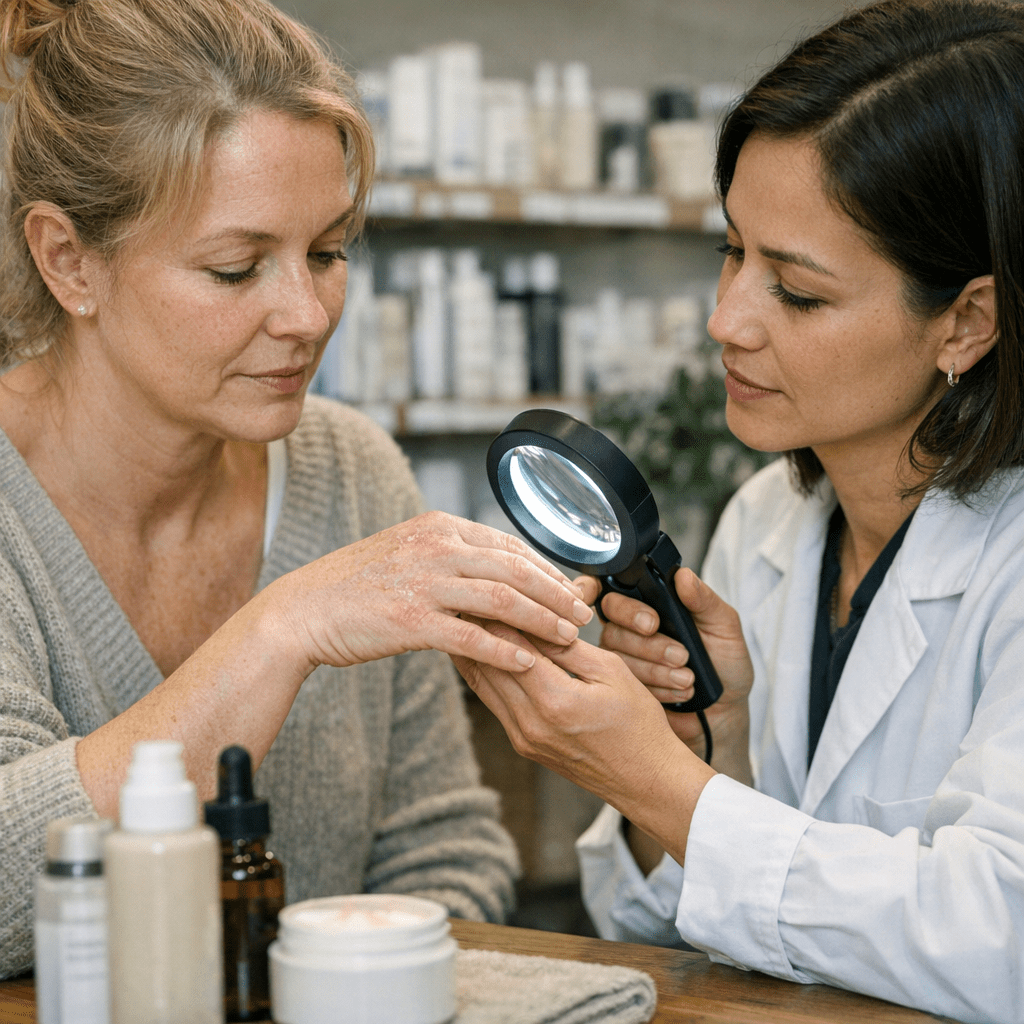
A: Not at all—they’re just not always enough on their own! Pair them with targeted oils/butters where needed (e.g., after shaving).
Q: Is layering both necessary every day?
A: No—you’ll want lighter routines some days depending upon climate/activity levels but knowing WHEN layering adds value avoids second guessing later mid-week sluggish fixes…