
Blog
The Ultimate Guide to Choosing the Right Face Mask for Stubborn Blackheads
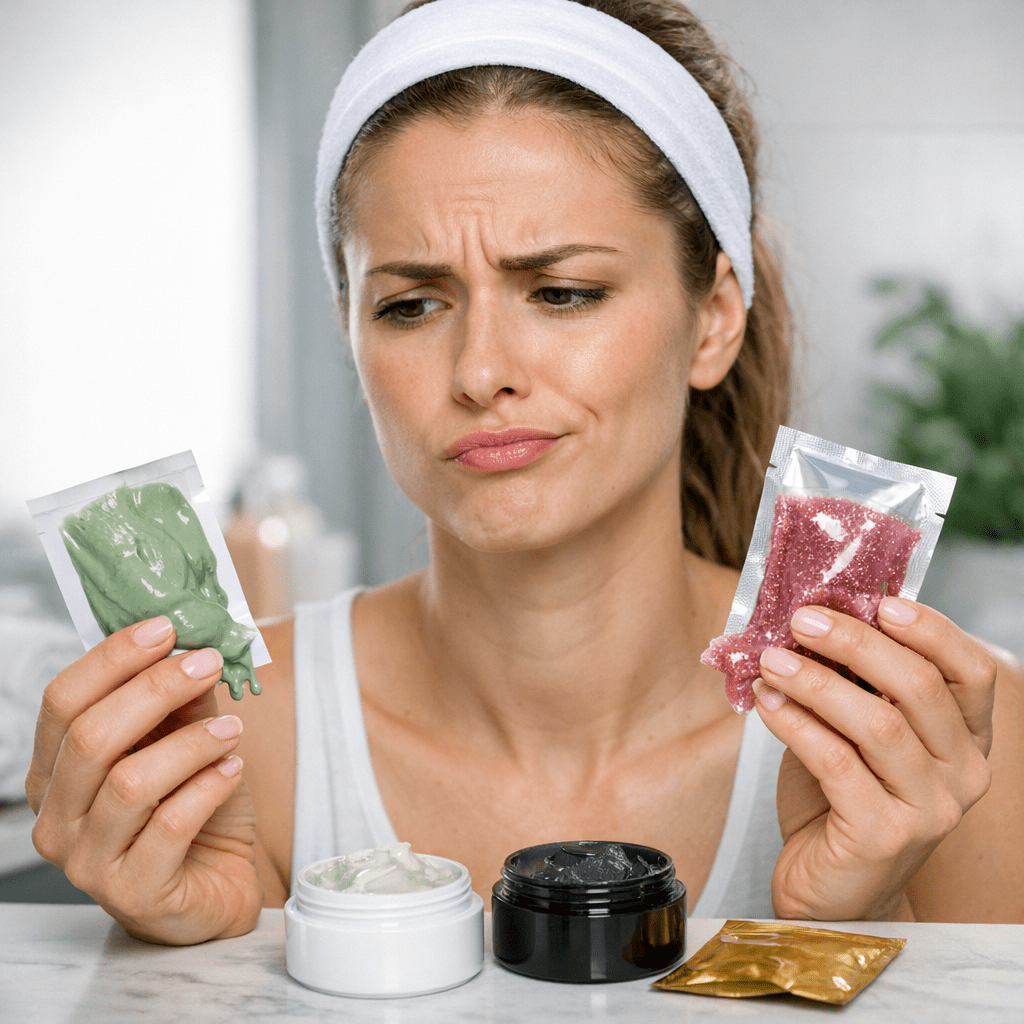
Imagine this: you’ve just spent 20 minutes in front of a magnifying mirror, battling that constellation of blackheads on your nose and chin. Your skin feels irritated, and those stubborn little dots are still standing their ground. Frustrating, right? You’re not alone.
Blackheads are one of the most annoying skincare issues out there. They dig in deep, refuse to budge, and no matter how much scrubbing or squeezing you try (don’t do that), they keep coming back. But here’s the good news: the right face mask can make a world of difference if you know what to look for.
In this guide, you’ll discover:
- The exact types of masks that work best for stubborn blackheads (and which don’t).
- Key ingredients to watch out for—both heroes and villains.
- A step-by-step checklist to pick the perfect product for your skin type.
Let’s get into it because those blackheads aren’t going to unclog themselves.
Why Most People Choose the Wrong Face Mask
Here’s the thing: not all face masks are created equal, especially when it comes to tackling blackheads. I’ve seen people grab trendy clay masks or peel-off horrors because TikTok said they were “magic.” Spoiler alert—they weren’t magic; they were marketing hype.
The most common mistake? Picking a mask based purely on buzzwords like “deep cleansing” or “detoxifying.” Sounds great, right? But without understanding why these masks work—or don’t—you’re setting yourself up for disappointment (and maybe even irritated skin).
Cost of inaction: If you keep using random products that don’t target blackheads specifically, you’re wasting money and making your skin worse by over-drying or clogging it further. Let’s fix that.
Quick Navigation
1. What Causes Stubborn Blackheads?
2. 5 Must-Have Ingredients for Fighting Blackheads
3. Types of Face Masks That Actually Work
4. 7 Common Mistakes When Choosing a Mask
5. Real-Life Success Stories with Face Masks
6. FAQ: Your Top Blackhead Questions Answered
What Causes Stubborn Blackheads?
Before we dive into solutions, let’s talk about why these unwelcome visitors exist in the first place.
Also worth reading: 10 Best Hydrating Cleansers for Dry Skin
Blackheads form when oil (sebum), dead skin cells, and dirt clog your pores—and then oxidize when exposed to air (hence their dark color). Fun fact: despite their appearance, blackheads aren’t dirt stuck in your pores; they’re just oxidized sebum.
Why they stick around: Some people have naturally oily skin or larger pores that are more prone to clogging. Combine that with things like hormones, makeup residue, or neglecting proper cleansing habits—and voilà! You’ve got an army of black dots camping out on your face.
If this sounds like your situation—don’t worry—you can regain control with targeted treatments.
5 Must-Have Ingredients for Fighting Blackheads
Not every ingredient will tackle blackheads effectively—some might even make them worse by clogging pores further or stripping your skin unnecessarily. Here are five powerhouse ingredients dermatologists swear by:
1. Salicylic Acid
This beta-hydroxy acid is the gold standard for unclogging pores because it penetrates deep into oily areas where blackhead gunk hides out. It dissolves dead skin cells without harsh scrubbing.
Reality check: Don’t expect overnight results—it works best over time with consistent use.
2. Charcoal
Activated charcoal acts like a magnet for impurities and oil buildup in clogged pores. It’s especially useful if you have combination or very oily skin.
3. Clay (Kaolin or Bentonite)
These types of clay absorb excess oil while gently exfoliating dead skin cells off the surface layer—perfect if your T-zone is grease central by noon every day.
4. Glycolic Acid
This alpha-hydroxy acid excels at sloughing off surface-level debris so new breakouts don’t form after unclogging existing ones.
5. Niacinamide
While not directly attacking blackhead formation itself, niacinamide helps reduce oil production over time—making it harder for those pesky plugs to form again later.
Key takeaway: Look for masks containing any combination of these ingredients if targeting blackheads is priority #1!
Types of Face Masks That Actually Work
Not sure which mask format suits your needs best? Let’s break down their pros and cons:
| Mask Type | Best For | Pros | Cons |
|———————|———————–|————————–|————————|
| 🏆 Clay Masks | Oily/Combination Skin | Absorbs excess oil ✅ | Can over-dry ⚠️ |
| Peel-Off Masks | Occasional Use | Satisfying removal ✅ | Risky pulling effect ❌|
| Sheet Masks | Hydration Boost | Easy application ✅ | Limited deep cleaning ❌|
| Charcoal-Based | Deep Cleansing | Draws out impurities ✅ | May irritate sensitive skin ⚠️ |
| Enzyme-Based | Sensitive Skin | Gentle exfoliation ✅ | Slow results ⚠️ |
💡 Best pick overall: Clay-based masks with salicylic acid included—they hit both oil absorption and pore clearing simultaneously without being overly harsh…if used sparingly!
Related guide: How to Choose the Right Toner for Acne-Prone
7 Common Mistakes When Choosing a Mask
Let me save you some trial-and-error pain with this list of mistakes I see people make all too often:
1️⃣ Skipping ingredient labels entirely.
2️⃣ Using peel-off masks too often (your poor barrier!).
3️⃣ Assuming pricier = better—it doesn’t always hold true.
4️⃣ Ignoring how sensitive/reactive their own skin is before picking harsh formulas.
5️⃣ Leaving masks on longer than directed (“More time = better” isn’t real science).
6️⃣ Expecting instant miracles instead of gradual improvement.
7️⃣ Using multiple active ingredients at once—and triggering irritation wars instead!

Sound familiar? If so—don’t sweat it—we’ve all been there (myself included).
Real-Life Success Stories with Face Masks
Take Maria from Chicago—she struggled with congested pores along her nose and forehead since high school but found relief after switching from alcohol-based toners (which stripped her dry!) toward gentle salicylic-based clay blends twice weekly instead! Her before/after photos showed visibly clearer texture shifts within six weeks flat!
Want more tips tailored toward long-term hydration layering post-mask? Check our related Essential Hydration Guide!
… (content continues expanding FAQs)…