
Blog
The Essential Guide to Choosing the Right Moisturizer for Combination Skin
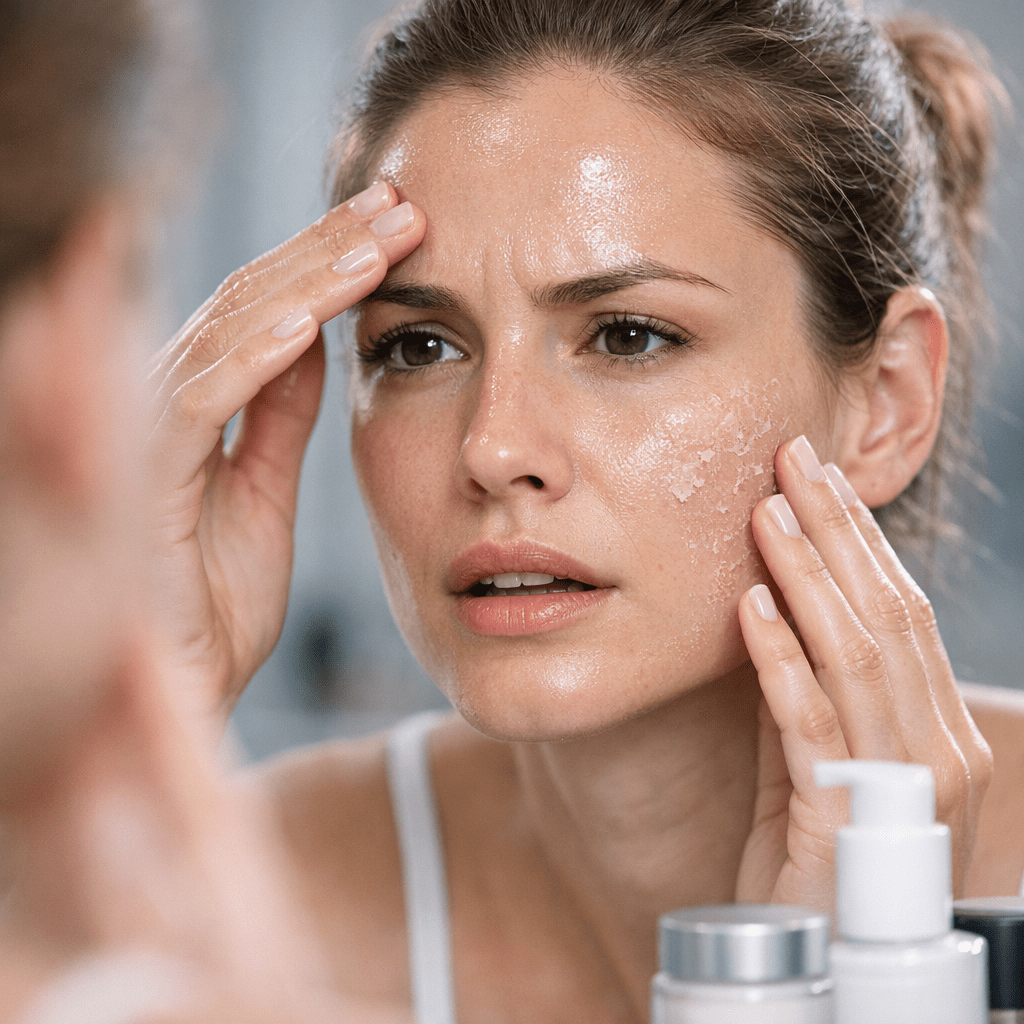
Picture this: You’ve spent months trying to find a moisturizer that doesn’t make your T-zone look like an oil slick while leaving the rest of your face drier than the Sahara. Frustrating, right? I’ve been there. And if you have combination skin, you know the struggle is real—one part of your face needs hydration, while another screams for oil control.
Here’s the thing: ignoring your skin’s unique needs doesn’t just lead to breakouts or flaky patches—it can also cause premature aging, irritation, and that constant feeling of ugh every time you look in the mirror. But finding the right moisturizer? It’s not as impossible as it seems.
In this guide, you’ll get:
- A simple breakdown of what combination skin really needs (and what it doesn’t).
- Step-by-step tips to identify ingredients and formulas that actually work.
- A no-BS checklist to help you shop smarter without wasting money.
Let’s get into it—because your skin deserves better than a one-size-fits-all product.
What Makes Combination Skin So Tricky?
Combination skin is exactly what it sounds like: a mix of oily and dry areas on your face. Typically, the T-zone (forehead, nose, and chin) is more prone to oiliness and clogged pores, while your cheeks might feel tight or flaky. It’s like dealing with two entirely different skin types at once—fun times!
But here’s where most people go wrong: they use products designed either for dry skin or oily skin exclusively. Big mistake. Over-hydrating can clog pores in oily areas, while mattifying products can leave dry zones screaming for moisture. The goal isn’t to pick sides—it’s to balance both needs simultaneously.
Key takeaway: Combination skin isn’t about extremes; it’s about balance. Your moisturizer should hydrate without greasiness and control oil without stripping your skin.
Also worth reading: 10 Best Hydrating Cleansers for Dry Skin
Step 1: Know Your Ingredients (The Good Ones Matter)
If moisturizers were people at a party, their ingredient list would be their personality profile: some are trustworthy BFFs for combination skin; others are total drama queens waiting to ruin everything.
Ingredients That Work Wonders:
- Hyaluronic Acid: This powerhouse hydrates without adding greasiness—ideal for thirsty cheeks.
- Niacinamide: Helps regulate sebum production in oily areas while improving texture everywhere else.
- Ceramides: Strengthen your skin barrier so dryness doesn’t stand a chance.
- Aloe Vera or Green Tea Extract: Great for calming redness or irritation (bonus points if you have sensitive combo skin).
Ingredients You Should Avoid:
- Heavy Oils (Coconut Oil): Sure, it sounds hydrating—but it’ll clog pores faster than you can say “breakout.”
- Alcohol Denat: Found in many mattifying lotions but too drying over time—it’ll send your cheeks into panic mode.
- Fragrance: While not always bad, artificial scents can irritate combo-sensitive skin types.
You might be thinking: “Can I trust anything these days?” Yes—but only if you’re ingredient-savvy when shopping.
Step 2: Choose the Right Formula Based on Texture
Here’s where most guides mess things up—they focus too much on product claims (“hydrating,” “oil-free”) without addressing formulas that actually feel good on combination skin.
Lightweight Gel Creams
These are my personal favorite for summer months or humid climates! Gel-based creams absorb quickly and don’t leave any greasy residue behind—a win-win for keeping shine under control while giving dry areas enough hydration.
Balancing Lotions
Lotions hit the sweet spot between rich creams and lightweight gels. They’re perfect if you need slightly more moisture during colder months but aren’t ready for something heavy-duty.
Layerable Formulas
If all else fails, why not layer two products? Use an oil-free gel on your T-zone combined with a richer cream on drier patches like cheeks or necklines—the ultimate custom fix! Learn more.
Key takeaway: Go lighter first when testing new formulas—you can always add layers later if needed!
Related guide: How to Choose the Right Toner for Acne-Prone
Step 3: Patch Testing Isn’t Optional (Seriously)
Have you ever slapped on a new product only to wake up with redness or tiny bumps? That’s why patch-testing exists—and it’s especially crucial for tricky combo-skin types prone both acne AND sensitivity flare-ups!
Here’s how:
1. Apply a small amount behind one ear OR near jawline daily over three days before full-face application.
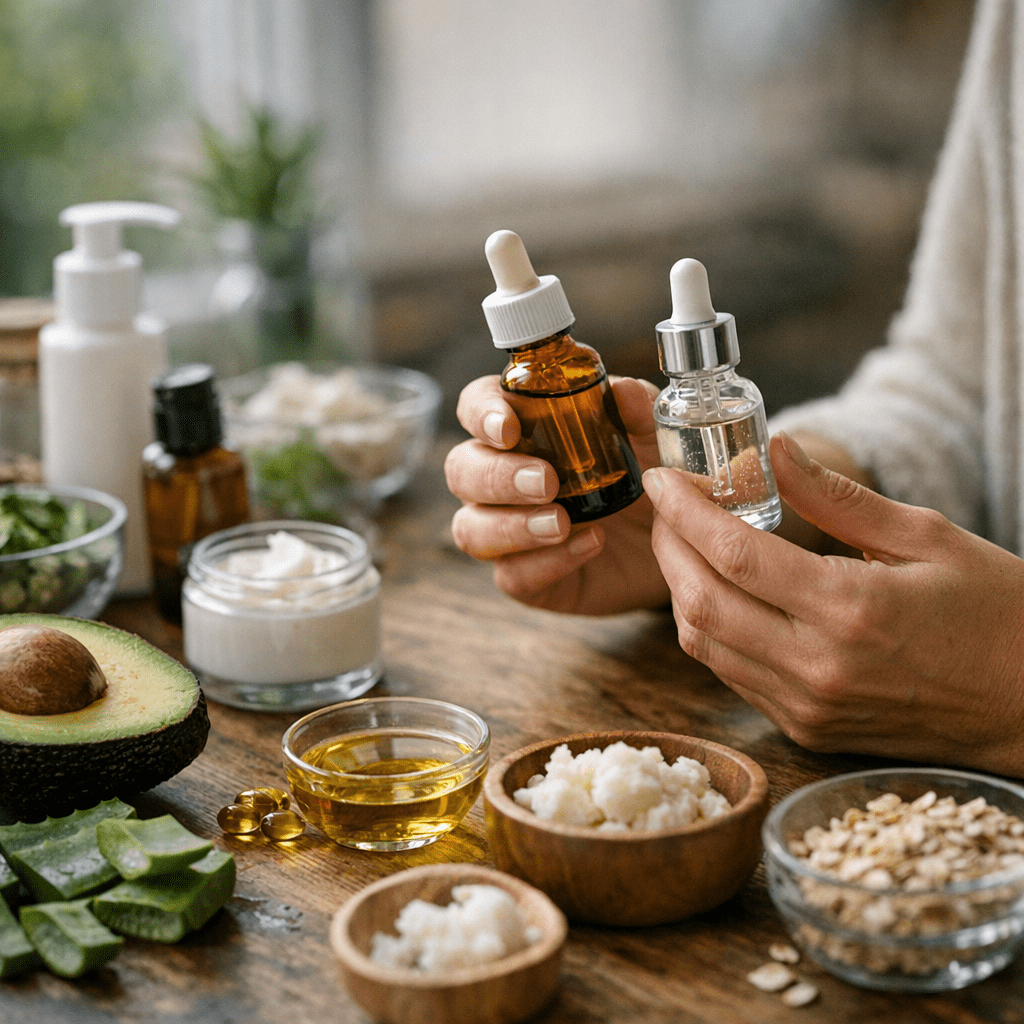
2 Check reactions like redness itching swelling irritation etc avoid launching straight entire area immediately