
Blog
The Ultimate Guide to Properly Layering Toners and Moisturizers for Maximum Hydration
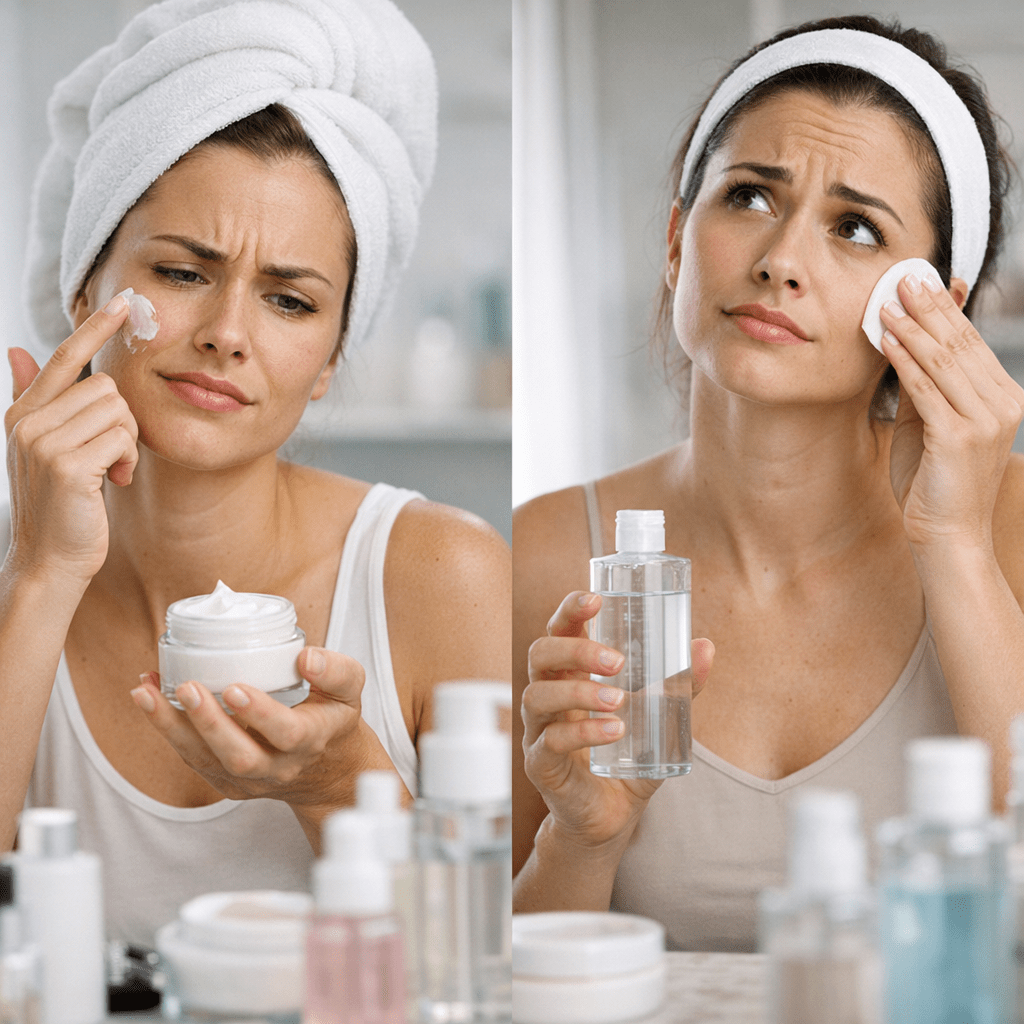
Picture this: it’s a chilly January morning in 2026, and your skin feels tight, flaky, and downright miserable. You’ve tried slathering on a random moisturizer, maybe even swiped a toner across your face last night, but nothing seems to work. Your skin’s still screaming for help.
Here’s the catch—hydrating your skin isn’t just about grabbing whatever product you have lying around and hoping for the best. If you’ve been layering your skincare products incorrectly, you’re not just wasting money—you’re sabotaging your own results. But don’t worry; you’re not alone in this. Most people don’t realize there’s a science (and some trial-and-error) behind getting that radiant, healthy glow.
In this guide, you’ll discover:
1. Why toners aren’t just glorified water—and how they set the stage for everything else.
2. The correct order of application (hint: it’s simpler than some blogs make it out to be).
3. Common mistakes that are killing your hydration game—and how to fix them today.
Let’s get into it!
Why Most People Get This Wrong
Here’s the first thing nobody tells you: skincare layering is all about absorption rates. Think about it like making lasagna (yes, we’re going there). If you slap down thick bechamel right at the base without prepping with sauce or noodles, nothing binds properly—it all slides apart into a mess when baked. Your skincare routine is surprisingly similar.
Toners act as the “sauce,” prepping your skin by balancing its pH and opening up pathways so moisturizers can sink in effectively (instead of sitting uselessly on top). Skip this step—or worse, apply them out of order—and you’re essentially throwing money down the drain every time you shop for high-end skincare products.
What Happens If You Don’t Layer Correctly?
Not layering products properly leads to two major issues:
- Blocked absorption: Ingredients like hyaluronic acid or ceramides won’t penetrate effectively if slapped onto dry or unprepped skin.
- Wasted product: Ever feel like moisturizers just sit on top of your face? That’s because they are. Without toners hydrating the surface first, most moisturizers can’t reach deeper layers.
So yes—getting this right is worth it.
Key takeaway: Think of toners as primers and moisturizers as sealants—they need each other to perform their best.
Step 1: Choosing the Right Toner for Your Skin Type
Toners have come a long way since those alcohol-laden nightmares from the early 2000s that stripped your face raw (remember those?). Now they’re designed to hydrate, calm, brighten—even exfoliate—all while prepping your skin for what comes next.
Also worth reading: 10 Best Hydrating Cleansers for Dry Skin
How Do You Pick One?
Start by understanding what your specific skin needs right now—in winter especially:
| Skin Type | Best Toner Ingredients | Avoid These |
|———————–|————————————|————————-|
| Dry/Dehydrated | Hyaluronic Acid, Glycerin | Alcohol-heavy formulas |
| Oily/Acne-Prone | Salicylic Acid, Witch Hazel | Heavy oils |
| Combination | Niacinamide | Overly mattifying agents|
| Sensitive/Redness | Calendula Extract | Fragrances |
If you’re not sure where to start with combination skin during colder months, check out our essential guide to choosing the right toner tailored specifically for tricky seasonal changes.
Step 2: Applying Toner Like You Mean It
Now let’s talk application techniques because yes—it matters! This isn’t one of those “just splash it on” moments if hydration is really the goal.
Best Practices:
1. Use clean hands or cotton pads: Personally? I prefer using my hands because cotton tends to absorb too much product (and I’m not here to waste good toner). Just pour a dime-sized amount into clean palms.
2. Pat gently onto damp skin: Yes—damp! Applying toner straight after cleansing locks in water molecules already on your face.
3. Avoid overdoing it: More isn’t better here; one layer will do unless directed otherwise by specific product instructions.
Sound familiar? Maybe you’ve been applying toner onto bone-dry skin or aggressively rubbing instead of patting—it happens! But small tweaks like these make all the difference.
Key takeaway: Dampness + gentle patting = maximum effect from any toner formula.
Step 3: Moisturizer Done Right—Timing Is Everything
Here comes part two of this equation: locking everything in with a good moisturizer at exactly the right moment.
When Should You Apply It?
You might think waiting until every drop of toner has dried makes sense—but nope! Here’s why: sealing hydration works best when there’s still moisture sitting on top of your skin from earlier steps (like toner).
Related guide: How to Choose the Right Toner for Acne-Prone
Apply moisturizer while your face feels slightly tacky—not dripping wet but definitely not bone-dry either!
Which Formula Works Best For Each Skin Type?
Moisturizing options are endless these days—from gel creams to rich balms—but here are some quick pointers:
| Skin Type | Ideal Moisturizer Texture | Star Ingredient Combo |
|———————–|——————————-|—————————|
| Dry | Thick Cream | Ceramides & Shea Butter |
| Oily | Lightweight Gel | Niacinamide & Aloe Vera |
| Combination | Balancing Lotion | Hyaluronic Acid + Peptides|
| Mature | Anti-Aging Balm | Retinol + Peptides |
For an in-depth comparison between ceramide-based vs hyaluronic acid-based moisturizers—and which might suit your goals better—learn more here.
Common Mistakes That Sabotage Hydration Efforts
You might be thinking: “Okay fine—I’ll use both products correctly now.” But hold up—there are still pitfalls lurking in plain sight that could throw off even experienced skincare enthusiasts:
Top Mistakes:
1. Skipping sunscreen after moisturizing: No SPF = no point protecting hydrated glowing skin from UV damage.
2. Over-exfoliating beforehand: Stripping too much oil preps poorly primed faces leading counterproductive dryness gaps despite following rest steps perfectly.