
Blog
The Essential Guide to Choosing the Right Toner for Combination Skin in Winter
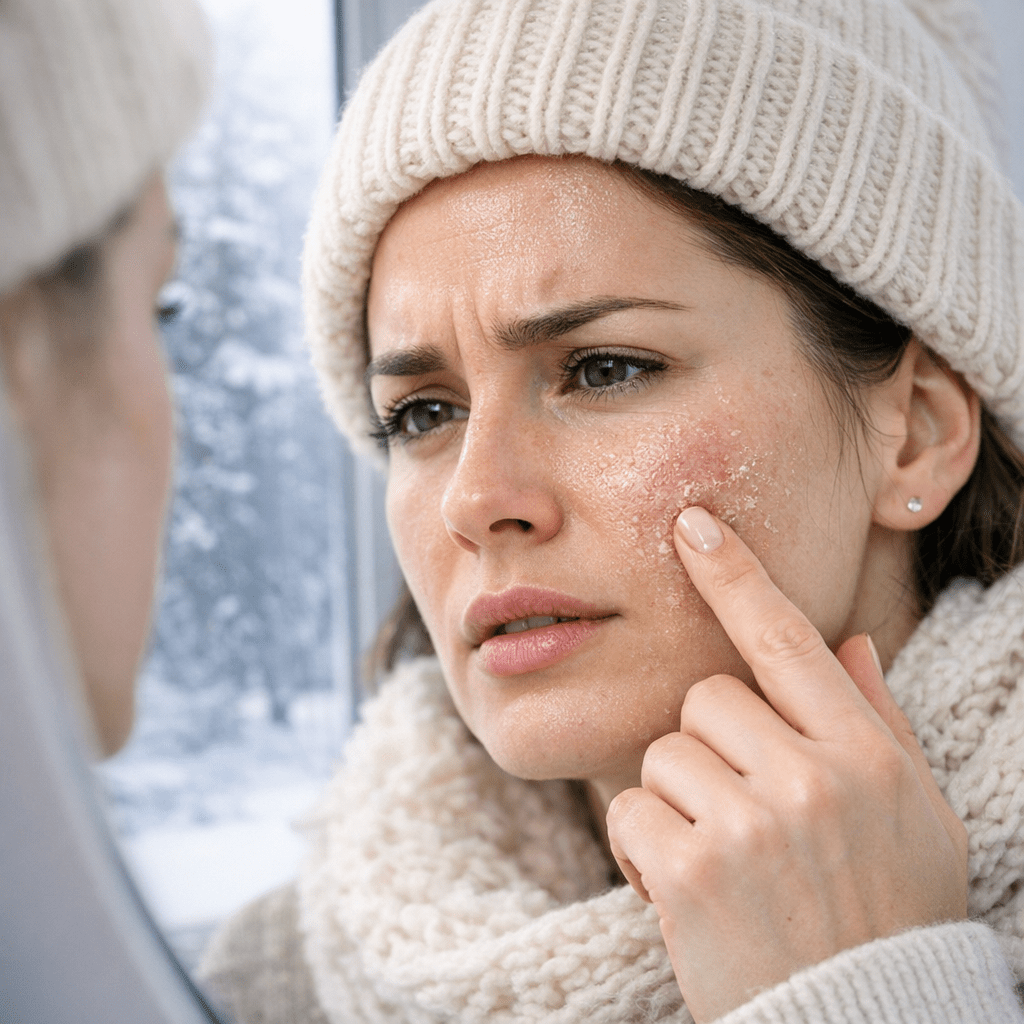
Picture this: it’s January, the air outside feels like sandpaper on your face, and your skin is throwing a tantrum. Your T-zone looks like it’s auditioning for an oil slick, while your cheeks are so dry they’re practically flaking. Sound familiar? If you’ve got combination skin, winter can feel like a constant battle. And if you’re not using the right toner, you might be making things worse without even realizing it.
Here’s the problem: most toners are either too harsh (stripping your dry areas) or too mild (doing absolutely nothing for that shiny forehead). Add winter weather into the mix, and suddenly your skincare routine feels like solving a Rubik’s Cube blindfolded. But don’t panic—there’s a solution that works.
In this guide, you’ll discover:
- Why most toners fail combination skin in winter—and how to spot red flags.
- The specific ingredients you must look for (and avoid) in cold weather.
- A step-by-step checklist to find your perfect winter toner without wasting time or money.
Let’s dig in before your skin gives up completely.
What Does Winter Do To Combination Skin?
Winter isn’t just cold—it’s cruel to combination skin. Here’s why: when humidity drops, moisture gets sucked out of your skin faster than iced coffee on a summer day. But there’s a twist: while the drier areas of your face suffer from dehydration, overactive oil glands in your T-zone try to compensate by producing even more sebum. The result? Flaky cheeks paired with a greasy forehead—a combo nobody asked for but every combo-skinned person knows all too well.
And here’s where toners come into play: they bridge the gap between cleansing and moisturizing by balancing your skin’s pH and prepping it for hydration. But—and this is a big “but”—the wrong toner can tilt things further out of balance.
Cost of Inaction
If you skip toner altogether or choose poorly, expect clogged pores on one end and cracked skin on the other—all while spending more money on makeup just trying to cover up.
Quick Navigation
- What Ingredients Work Best for Combo Skin in Winter?
- 5 Common Toner Mistakes Everyone Makes
- How to Test If Your Toner Is Winter-Friendly
- Top 3 Ingredients You’ll Want Right Now
- FAQs About Winter Skincare and Toners
What Ingredients Work Best for Combo Skin in Winter?
Here’s where most people get it wrong: they think all alcohol-free toners are safe bets for winter. Wrong! Just because something skips alcohol doesn’t mean it hydrates enough—or controls oil effectively where needed.
The key is finding ingredients that hydrate but don’t clog and gently exfoliate without stripping natural oils.
Heroes You Want:
1. Hyaluronic Acid – This stuff draws moisture into thirsty parts of your skin like magic (well, technically science). It’s lightweight but super effective.
2. Glycerin – Think of glycerin as hyaluronic acid’s underrated cousin—less flashy but just as hydrating.
Also worth reading: Top 8 Affordable Facial Kits for Glowing Skin
3. Niacinamide – Balances oil production and strengthens your barrier against harsh winds.
4. Green Tea Extract – Calms redness while providing an antioxidant boost.
5. Chamomile or Aloe Vera – Perfect if you’re battling irritation or redness caused by whipping winds outside.
Villains to Avoid:
1. Denatured Alcohols – Harsh AF; these will dehydrate already dry areas faster than you can say “winter blues.”
2. Fragrance/Essential Oils – Sure, they smell nice—but they often irritate sensitive zones.
3. Astringents Without Moisturizers – Witch hazel-based formulas aren’t inherently bad but need balancing hydrators alongside them (learn more about proper use here).
Key takeaway:
Look for humectants (like hyaluronic acid), gentle antioxidants, and soothing botanicals—but dodge anything overly drying or heavily fragranced.
5 Common Toner Mistakes Everyone Makes
You might be thinking: “Okay, I’ve bought alcohol-free toners before—why didn’t they work?” Here’s why most people slip up:
1) Using One Toner Year-Round
What works in July won’t cut it when snowflakes start falling because summer heat demands oil control while winter needs hydration reinforcements.
2) Skipping Patch Tests
Sounds boring, right? But trust me—you don’t want an allergic reaction ruining both date night and tomorrow morning’s Zoom call.
3) Overloading Active Ingredients
You love acids—we get it! But layering exfoliating toners over retinol and vitamin C serums during cold months? Recipe for disaster (read: peeling).
4) Ignoring That “Tight” Feeling Post-Toner
Tight doesn’t mean “clean.” It means stripped—and that usually spells trouble ahead.
5) Forgetting About Layering Compatibility
Some toners pill under heavy creams or react poorly with other actives (learn more about layering techniques here).
How to Test If Your Toner Is Winter-Friendly
Not sure if yours makes the cut? Try this quick self-assessment:
Related guide: 10 Best Hydrating Cleansers for Dry Skin
- [ ] Does it leave zero residue after drying? Residue equals clogged pores down the road.
- [ ] Does my face feel comfortable—not tight—after using?
- [ ] Are my oily zones less shiny within two hours post-use?
- [ ] Do my dry patches look smoother within three days of consistent use?
If you answered “no” to any of these questions—it might be time to swap formulas ASAP.
Top 3 Ingredients You’ll Want Right Now
We hinted at these earlier—but let me double down because they’re game-changers:
1️⃣ Niacinamide → Balances sebum without suffocating dry spots; ideal multitasker year-round!
2️⃣ Panthenol → Boosts healing + makes windburned cheeks happier overnight!
3️⃣ Betaine → Underrated hydrator that mimics natural moisture factors in human skin!
Want deeper tips tailored specifically toward ceramides vs hyaluronic acid combos? Check out our full breakdown here.
Frequently Asked Questions
Q: Should I change my toner seasonally if I have combination skin?

Absolutely! Summer calls for mattifying tones; winter needs extra hydration plus barrier repair boosters like niacinamide or panthenol.
Q: Can I use witch hazel-based products in cold weather?
Yes—but only if balanced alongside hydrating humectants like aloe vera or glycerin so dryness doesn’t worsen (see proper usage advice here)!