
Blog
Chemical vs. Physical Exfoliants: Which Works Better for Brightening Dull Skin?: Practical Playbook with Real Examples
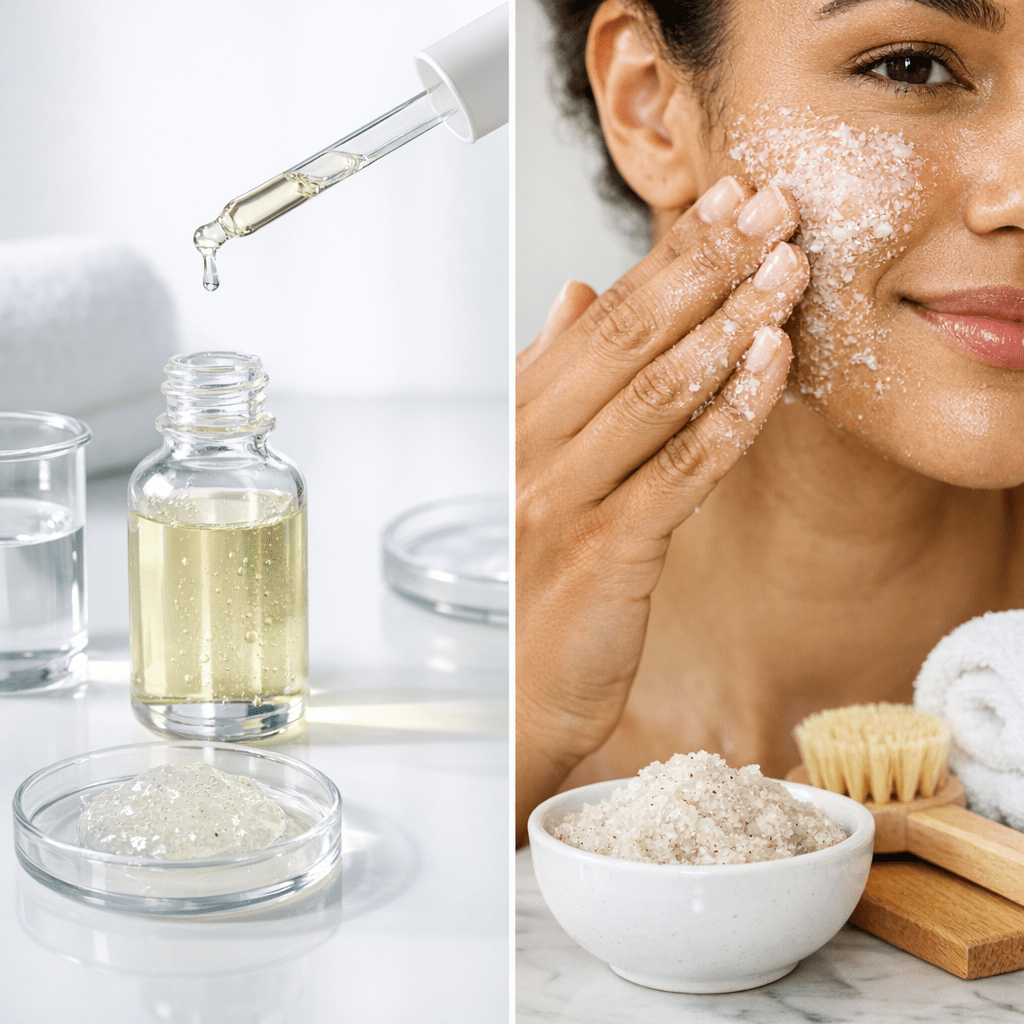
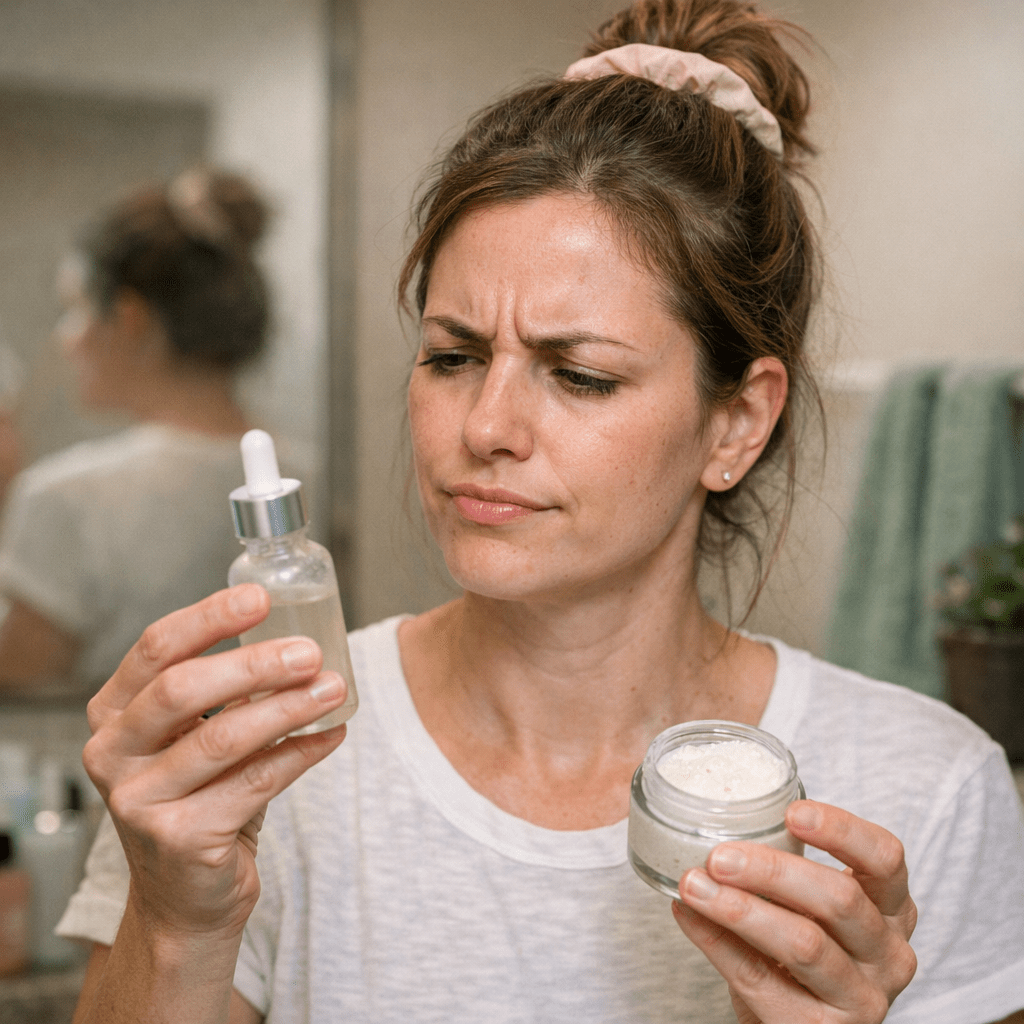
Let’s set the scene: You’re staring at your bathroom counter, surrounded by tubs, tubes, and bottles of skincare products. Your skin is looking dull—like it’s been through one too many late nights or long days—and you’re debating whether to reach for that gritty scrub or that fancy serum labeled “AHA/BHA.” One promises instant smoothness; the other claims to work magic overnight. So which one will actually make your skin glow like it did when you were 22?
Here’s the kicker: both chemical and physical exfoliants can brighten dull skin. But (and this is a big but), what works best for you depends on a few key factors—your skin type, your patience level, and how much damage you’re willing to risk in the pursuit of a glowing complexion.
In this guide, you’ll discover:
- The real difference between chemical and physical exfoliants (no fluff, just facts).
- The pros and cons of each option for brightening dull skin.
- A step-by-step action plan to choose the right exfoliant for your needs without wrecking your face.
Let’s get into it.
What’s the Difference Between Chemical and Physical Exfoliation?
Here’s the short version: physical exfoliants manually scrub away dead skin cells using gritty particles or textured surfaces (think sugar scrubs, cleansing brushes, or those infamous apricot scrubs). Chemical exfoliants, on the other hand, use acids or enzymes to dissolve dead skin cells without any scrubbing involved.
Physical Exfoliation: The Good Old Scrub-and-Go
Physical exfoliation gives immediate results—your skin feels smoother within seconds because you’re literally sloughing off dead cells with tiny granules or tools. Think sugar scrubs, facial brushes, washcloths, or clay masks that contain particles like jojoba beads or ground-up walnut shells (although please, let’s not even talk about how damaging walnut scrubs can be).
But here’s where things get tricky: if you’re too aggressive with physical exfoliation—or if the particles are too jagged—it can cause micro-tears in your skin. That means irritation and inflammation instead of that bright glow you were chasing.
Key takeaway: If instant gratification is your thing and you don’t have sensitive skin prone to redness, physical exfoliation might seem like a quick win. But there are risks if you’re not careful.
Chemical Exfoliation: Science Over Scrubbing
Chemical exfoliants are less chaotic than they sound. These typically include alpha hydroxy acids (AHAs), beta hydroxy acids (BHAs), polyhydroxy acids (PHAs), or natural enzymes from fruit extracts like papaya. They dissolve bonds between dead skin cells so they can shed naturally—no scrubbing needed.
The result? Smoother texture over time with fewer chances of irritation (if used properly). Plus, chemical exfoliants often penetrate deeper than physical ones, meaning they don’t just brighten—they can also target hyperpigmentation and fine lines.
Key takeaway: If you’re patient enough to wait a week or two for glowing results and want extra benefits beyond just surface-level smoothing, chemical exfoliation wins hands down.
Also worth reading: The Essential Guide to Choosing an Alcohol
Why Most People Get This Decision Wrong
Here’s where most people trip up: they assume more is better when it comes to exfoliating. More scrubbing? Brighter glow! Higher acid percentage? Faster results! Right? Nope. That “more is better” mindset leads straight to over-exfoliation—a common skincare sin where your barrier gets damaged and leaves your face red, flaky, and sensitive as heck.
What happens when you overdo it? Instead of brightening dull skin, over-exfoliating thins out your protective barrier layer (that thing keeping moisture in and irritants out). This makes your complexion look worse—dry patches become even drier while oily areas go into overdrive trying to compensate.
It’s not pretty—and it’s preventable if you know how often to use these products responsibly.
5 Key Differences Between Chemical & Physical Exfoliants
| Feature | 🏆 Chemical Exfoliant | Physical Exfoliant |
|——————————-|———————————-|——————————–|
| How It Works | Dissolves dead cells chemically | Removes dead cells physically |
| Immediate Results? | ❌ | ✅ |
| Risk of Irritation? | ⚠️ Lower but still possible | ⚠️ Higher |
| Best For Sensitive Skin? | ✅ | ❌ |
| Additional Benefits? | ✅ Fades spots & unclogs pores | ❌ Primarily surface-level |
Best for: Those who want gradual improvement with minimal irritation should go for chemical options; those who crave instant results might find satisfaction with physical methods—but tread lightly!
Related guide: 10 Best Hydrating Cleansers for Dry Skin
Real Talk: What Happened When I Tried Both
I’ll admit—I love me some good ol’ manual scrubbing every now and then when my blackheads start staging a coup on my nose. There’s something satisfying about feeling all that grit doing its job during my shower routine. But every time I’ve leaned too hard on physical exfoliation (especially back in college when I thought harsher = better), my combo-sensitive skin rebelled with breakouts and dry flakes at once. Lovely!
Fast forward to now: In 2026 we have an insane variety of gentle yet effective chemical peels available—from drugstore brands under $30 to dermatologist-recommended powerhouses like glycolic acid serums at 20% strength (!). These days I stick mostly with AHAs twice weekly—my current fave being lactic acid because it hydrates while brightening—and save my trusty konjac sponge for occasional touch-ups around my nose area only.
Your experience might differ—but trust me when I say trial-and-error really matters here! Not every product labeled “gentle” will vibe well with YOUR unique biology… so patch testing is non-negotiable before committing long-term.
How Often Should You Use Each Type?
Overdoing either type spells disaster—but here’s what works based on most dermatologists’ advice:
1) Start slow: For beginners using chemical options, try once per week max at first.
2) Listen closely (or rather watch closely) as reactions unfold during initial weeks.
3) Gradual ramp-ups help mitigate adverse reactions versus heavy-handed chaos!
4 ) Patch test unfamiliar actives near earlobes initially especially AHAS/retinoids overlapping routines balance critical learning stages respect barriers repair cycles however temptations arise worst excess…
Expanding sections…