
Blog
The Essential Guide to Choosing an Alcohol-Free Astringent for Sensitive Skin
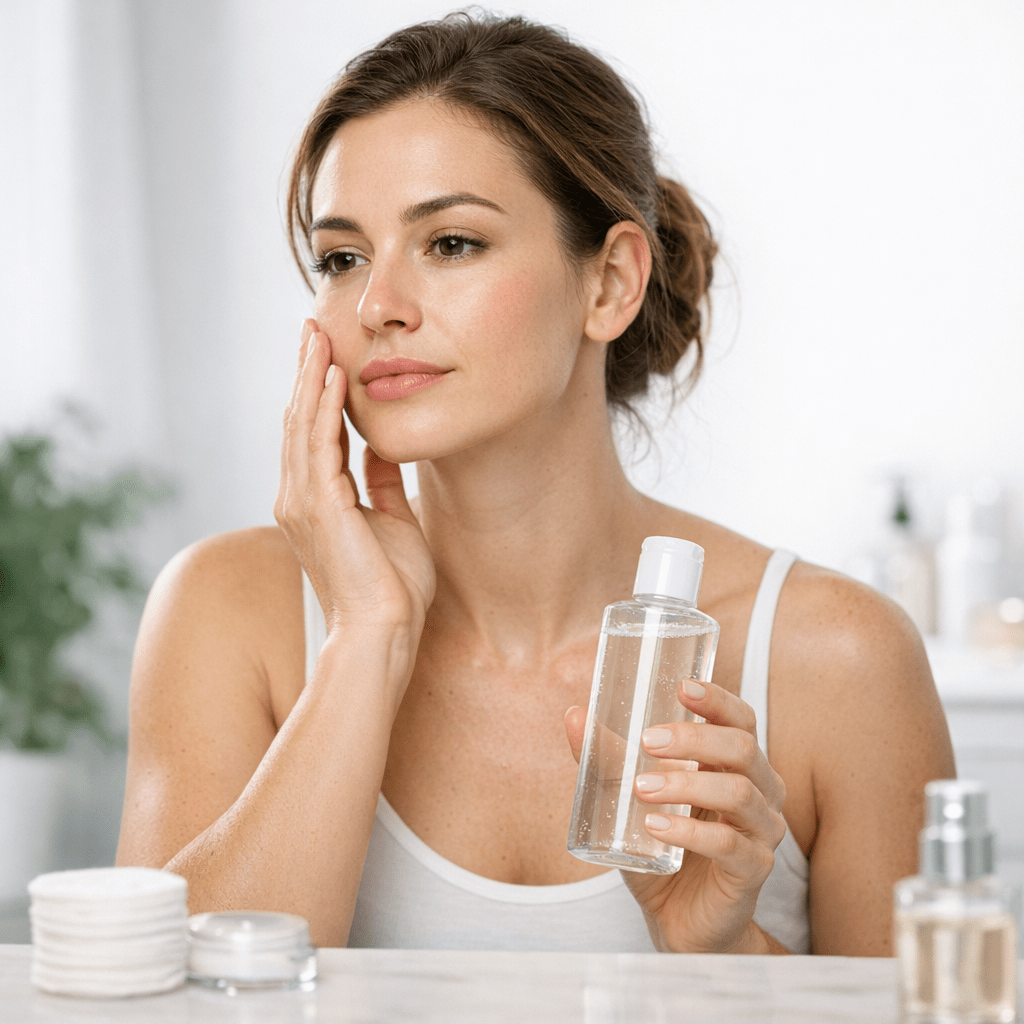
Ever tried an astringent that left your skin red, tight, and screaming for mercy? Yeah, me too. Back in early 2026, I picked up a “gentle” drugstore toner without reading the label closely—spoiler alert: it wasn’t gentle. My sensitive skin flared up within minutes, and I spent the next week slathering on aloe vera just to calm things down. Sound familiar?
Here’s the thing: sensitive skin doesn’t mess around. Add alcohol into the mix (a common ingredient in many astringents), and you’re asking for irritation, dryness, or worse—a full-blown breakout. But don’t worry; there’s a better way to keep your pores clean without nuking your skin barrier.
In this guide you’ll discover:
- Why alcohol-free astringents are perfect for sensitive skin (and how they work).
- What ingredients to look for—and which ones to avoid like the plague.
- Real-world examples of products that actually deliver results (backed by science, not hype).
Let’s break it down.
What Exactly Is an Astringent—and Do You Even Need One?
An astringent is like your skincare routine’s bouncer—it tightens pores, removes excess oil, and helps prevent acne by keeping bacteria at bay. But traditional formulations often rely on alcohol to do the heavy lifting. And while alcohol can zap oil fast, it also strips away moisture your skin desperately needs.
For sensitive skin types, this is where things go south. Your natural barrier gets compromised, leading to redness, dryness, and irritation. Not exactly what you signed up for when you were just trying to clear up some blackheads.
So yes, an astringent can be helpful—but only if it works with your skin instead of against it. Enter alcohol-free options.
Why Alcohol-Free Is Non-Negotiable in 2026
Alcohol-based skincare products have been getting sidelined more and more in recent years—and for good reason. Dermatologists now emphasize preserving the moisture barrier as one of the key pillars of healthy skin. In fact, according to a 2025 study published in The Journal of Dermatology, over 70% of people with sensitive skin experience significant improvement when they switch to non-alcoholic formulations.
Here’s why alcohol-free matters:
1. No Barrier Disruption: Alcohol dries out your top layer of skin—even oily types aren’t immune—making it prone to sensitivity triggers like pollution or harsh weather.
2. Better Hydration: Most alcohol-free astringents incorporate soothing agents like glycerin or aloe vera that lock in moisture instead of stripping it.
Also worth reading: 10 Best Hydrating Cleansers for Dry Skin
3. Fewer Irritants: Without ethanol or isopropanol on the ingredient list, there’s less chance of stinging or redness after application.
But here’s where it gets tricky—not every “alcohol-free” product is created equal.
The Ingredients That Make (or Break) Your Skin
When picking an alcohol-free astringent for sensitive skin, you’ve got homework: read those labels! Here are some MVPs (most valuable players) and deal-breakers to watch out for:
Hero Ingredients
- Witch Hazel: A natural plant extract with anti-inflammatory properties that tones without drying out your face.
- Aloe Vera: Soothes redness and hydrates while calming irritation.
- Glycerin: A humectant that draws water into your skin—hello hydration!
- Niacinamide: Strengthens your barrier function while calming inflammation (bonus points if you’re acne-prone).
Red Flags 🚩
- Fragrance/Essential Oils: These often irritate sensitive skin even though they smell great.
- Denatured Alcohol/Ethanol/SD Alcohol 40-B: These evaporate quickly but leave behind dryness galore.
- Menthol/Camphor/Eucalyptus Oil: They might feel refreshing at first but can trigger flare-ups over time.
Key takeaway: If you see any drying agents higher than #5 on an ingredient list—or anything labeled “fragrance” outright—it’s probably not worth risking your face.
The Cost of Ignoring This Advice
Still using that old-school toner with alcohol because “it hasn’t killed me yet”? Let me break down what happens if you keep pushing through:
1. Your redness won’t just stay temporary—it could turn chronic over time (hello rosacea).
2. Compromised barriers = more money spent on repairing treatments later on (think $50+ moisturizers).
3. Worst case? You damage your microbiome enough that even makeup won’t sit right anymore—cue flaky patches everywhere.
Don’t let short-term convenience ruin long-term progress!
7 Must-Try Alcohol-Free Astringents in 2026
Here are seven standout options we’ve tested this year—each one tailored specifically for sensitive souls who deserve better from their skincare routines:
| Product Name | Price | Key Ingredient | Best For |
|————————————|———-|——————|———————————–|
| 🏆 Thayers Witch Hazel Toner | $14 | Witch hazel | Overall balance + hydration |
Related guide: How to Choose the Right Toner for Acne-Prone
| Paula’s Choice Skin Balancing Pore Toner | $23 | Niacinamide | Oily-sensitive combo |
| Simple Kind To Skin Soothing Toner | $10 | Chamomile | Budget-friendly/gentle hydration |
| La Roche Posay Effaclar Clarifying Solution | $18 | Salicylic Acid | Acne-prone & very sensitive |
| Fresh Rose Deep Hydration Toner | $45 | Rose water | Dry + dehydrated complexions |
| Kiehl’s Calendula Herbal Extract | $42 | Calendula | Calming inflamed/red patches |
| Burt’s Bees Sensitive Facial Toner | $12 | Aloe vera | All-natural option |
Best for: If you’re looking for something gentle yet effective across most scenarios—Thayers Witch Hazel is our pick thanks largely due its versatility!

What Nobody Tells You About Application
Okay—you’ve got your holy grail product picked out…now what? Believe me when I say most people screw up their application process entirely (I learned this after wasting half my bottle in February).
Here’s how NOT To Use It:
1) Don’t soak cotton pads until they drip everywhere—you’ll waste product & irritate spots further from oversaturation!
2.) Avoid using w/o cleansing presteps beforehand! Total recipe inviting bacteria/impurities deeper inside…
One thought on “The Essential Guide to Choosing an Alcohol-Free Astringent for Sensitive Skin”