
Blog
The Honest Guide to Choosing a Salicylic Acid Cleanser for Blackhead-Prone Teenage Skin
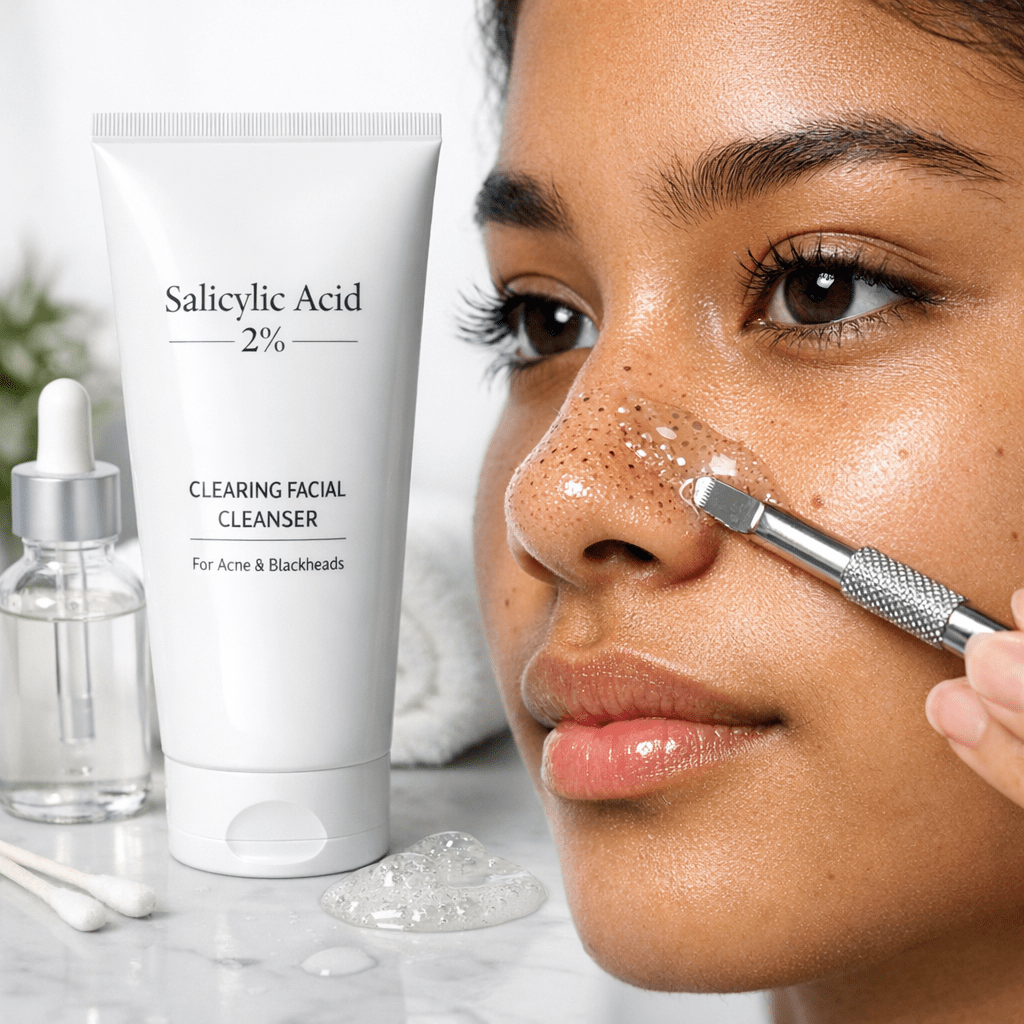
Picture this: your teenager comes home after school, frustrated because the blackheads on their nose won’t seem to go away no matter what they do. You’ve tried a few drugstore cleansers, maybe even dabbled in some DIY remedies (toothpaste on blemishes, anyone?), but nothing sticks. The result? A bathroom cabinet overflowing with half-used bottles and a teenager who’s not thrilled with their reflection.
Here’s the thing: blackheads are stubborn. If left untreated, they can get worse over time and morph into full-on acne. And for teens juggling school, sports, and social lives in 2026’s selfie-driven world, clear skin feels like a lifeline. The good news? Salicylic acid cleansers may just be your golden ticket to tackling those pesky black dots once and for all.
In this guide, you’ll discover:
- Why salicylic acid is the MVP of blackhead-busting ingredients
- How to choose the right cleanser based on skin type and lifestyle
- 5 tested options that actually work — and which ones to avoid
Let’s cut through the noise and get to what really works. Your teen will thank you later.
Why Salicylic Acid Is Non-Negotiable for Blackheads
Salicylic acid isn’t just another buzzword; it’s the heavyweight champ of acne-fighting ingredients. Why? It goes beyond your skin’s surface — literally. It’s oil-soluble, meaning it can penetrate deep into pores where it breaks down sebum (oil), dirt, and dead skin cells clogging them up.
Here’s where it gets interesting: unlike benzoyl peroxide (which fights surface bacteria), salicylic acid exfoliates from within, making it ideal for small clogged pores like blackheads. It also has anti-inflammatory properties that help calm redness — perfect for sensitive teenage skin that’s already battling hormonal flare-ups.
The cost of ignoring blackheads: Letting clogged pores fester means they could stretch over time, leaving larger pores or even scars in their wake. Think long-term damage versus short-term prevention — I’ll let you decide which sounds better.
Common myth: All acne treatments are created equal. Reality: Many only address surface-level bacteria without tackling clogged pores at their root level — where salicylic acid shines!
But not all salicylic acid cleansers are created equal either. Here’s how to find one that suits your teen’s unique needs.
Also worth reading: 10 Best Hydrating Cleansers for Dry Skin
Quick Navigation
1. How Much Salicylic Acid Is Too Much?
2. Foam vs Gel vs Cream: Which Texture Works Best?
3. 5 Tested Cleansers That Actually Work
4. What to Avoid When Shopping
5. Checklist: Does Your Teen Need This Cleanser?
How Much Salicylic Acid Is Too Much?
Most salicylic acid cleansers marketed towards teens contain concentrations between 0.5% and 2%. But here’s the kicker: more isn’t always better.
For teenagers with sensitive or combination skin (think oily T-zone but dry cheeks), starting with 0.5%–1% is smart. Higher concentrations can strip natural oils too aggressively, triggering dryness or irritation — especially if they’re already using other treatments like retinoids or spot creams.
On the flip side, if your teen has super oily skin or lots of stubborn blackheads concentrated in one area (like the nose), go ahead and try a stronger cleanser at 2%. Just make sure they’re moisturizing afterward — yes, even oily skin needs hydration! Here’s a pro tip I learned from dermatologists: pair salicylic cleansers with non-comedogenic moisturizers designed for teens like these affordable moisturizers under $25. Moisturized skin heals faster!
Key takeaway: Start low (0.5%–1%) if unsure; bump up gradually based on results while monitoring irritation levels.
Related guide: How to Choose the Right Toner for Acne-Prone
Foam vs Gel vs Cream: Which Texture Works Best?
Here’s where most people mess up when picking a cleanser: they forget about texture! Not every formula plays nicely with every skin type.
Foam Cleansers
Lightweight foams feel luxurious but can leave drier areas feeling tight if overused — not ideal for combo or dry-prone teens during winter months.
Gel Cleansers
Gels are generally oil-free yet hydrating enough not to strip moisture completely—making them an excellent middle ground for most teens struggling with oily T-zones yet occasional dryness elsewhere.

Cream Cleansers
Rich cream-based formulas are best suited only if dryness dominates because they balance hydration while still delivering active ingredients effectively without exacerbating flakiness common among eczema-prone types
So ask yourself: does my kid complain mostly about grease overload OR flaky patches coexisting beside shiny zones simultaneously complicating life unnecessarily altogether frustratingly daily lately now already bad enough?!
One thought on “The Honest Guide to Choosing a Salicylic Acid Cleanser for Blackhead-Prone Teenage Skin”