
Blog
The Ultimate Guide to Choosing the Right Salicylic Acid Cleanser for Teenage Blackheads
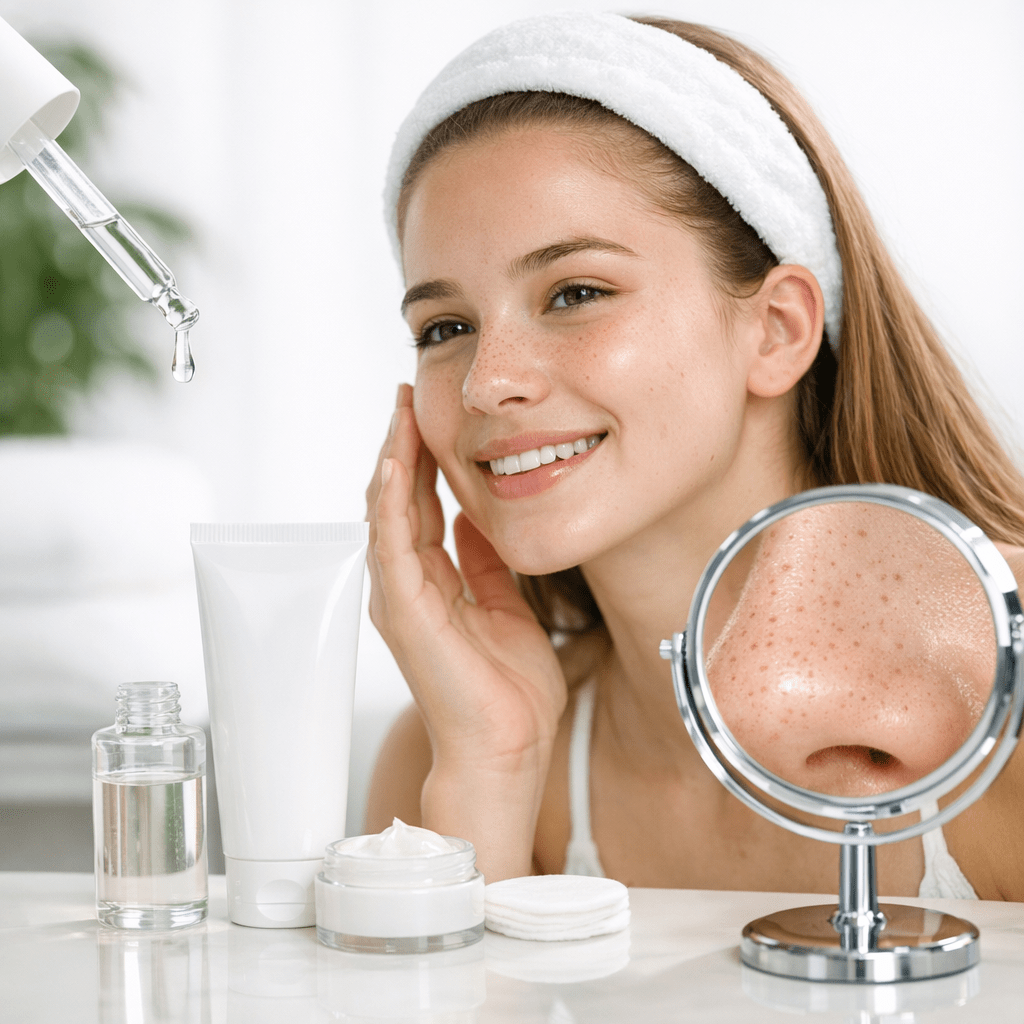
Picture this: It’s Monday morning, you’re rushing to school, and you catch a glimpse of your reflection in the mirror. There it is—another breakout. Your forehead looks like it’s hosting a party you didn’t RSVP for. Annoyed yet? I would be too. Teenage blackheads can feel like they’re out to get you, appearing at the worst possible times.
Here’s the kicker: ignoring them doesn’t make them go away. In fact, it usually makes things worse. If you’re not using the right cleanser—one that works with your skin type—you could be spending hours poking and prodding at your pores without solving anything (and probably making it worse).
But don’t worry, there’s hope! In this guide, you’ll discover:
1. Why salicylic acid is the secret weapon against teenage blackheads.
2. How to spot a cleanser that won’t make your skin freak out.
3. A step-by-step checklist to help you find your perfect match.
Let’s clear things up—literally and figuratively.
Why Salicylic Acid Is Your Skin’s Best Friend (If You Know How to Use It)
Here’s what makes salicylic acid so special: it dives deep into your pores like a tiny drain cleaner for clogged oil and dead skin cells. Unlike other acids (like glycolic), salicylic acid is oil-soluble, meaning it can break through oily gunk and dissolve clogs from within. That’s why it’s such a rockstar against blackheads.
Also worth reading: Top 8 Affordable Moisturizers for Dry, Mature
But here’s where most people screw up—they just grab any random product labeled “salicylic acid” without thinking about how their skin will react or whether they’re using it correctly.
Key takeaway: Salicylic acid can work wonders for blackheads—but only if you pick the right formula for your skin type and use it consistently.
Quick Navigation
- How Does Salicylic Acid Work?
- 3 Types of Salicylic Acid Cleansers You Should Know About
- Avoid These Common Mistakes When Using Salicylic Acid
- The Cost of Not Treating Blackheads
- Checklist: How to Choose the Perfect Cleanser
- FAQ
How Does Salicylic Acid Work?
Salicylic acid is a beta hydroxy acid (BHA). It works by penetrating deep into your skin’s pores and dissolving the glue-like substance that holds dead skin cells together. Once those cells are freed up, they don’t clog pores—and voilà! No more blackheads forming new real estate on your face.
Here’s another thing people forget—it also has anti-inflammatory properties, which means less redness and swelling around pimples or blemishes you’ve picked at (don’t do that!).
But don’t expect miracles overnight—salicylic acid takes time to work its magic.
Key takeaway: Patience is key; salicylic acid needs weeks of consistent use to show results.
3 Types of Salicylic Acid Cleansers You Should Know About
Not all salicylic acid cleansers are created equal—and picking the wrong one could leave your face dry as sandpaper or greasy AF by lunchtime. Here are three main types and when they might work best:
Related guide: 10 Best Hydrating Cleansers for Dry Skin
1. Foaming Cleansers – For Oily Skin Warriors
Foaming cleansers are lightweight but effective at removing excess sebum (that shiny oil slick we all hate). They foam up nicely and usually leave your face feeling squeaky clean—which can be great if you’re battling super oily skin every day.
Pros: Deep cleansing power; leaves no greasy residue behind; good for summer sweat sessions or post-gym cleanups.
Cons: Can over-dry sensitive or already-dry areas if overused.
2. Cream-Based Cleansers – Gentle Yet Powerful
If you’ve got drier or combo skin but still deal with blackheads, cream-based cleansers offer hydration along with their pore-clearing benefits.
Common myth: Creamy = bad for acne-prone skin.
Reality: Nope! Some formulations balance moisture while still delivering enough salicylate action—ideal during colder months when dryness kicks in hard!
###3 Gel/Bar Texturewise