
Blog
Clay Masks vs. Gel Masks: Which Works Better for Oily Skin?: Practical Playbook with Real Examples
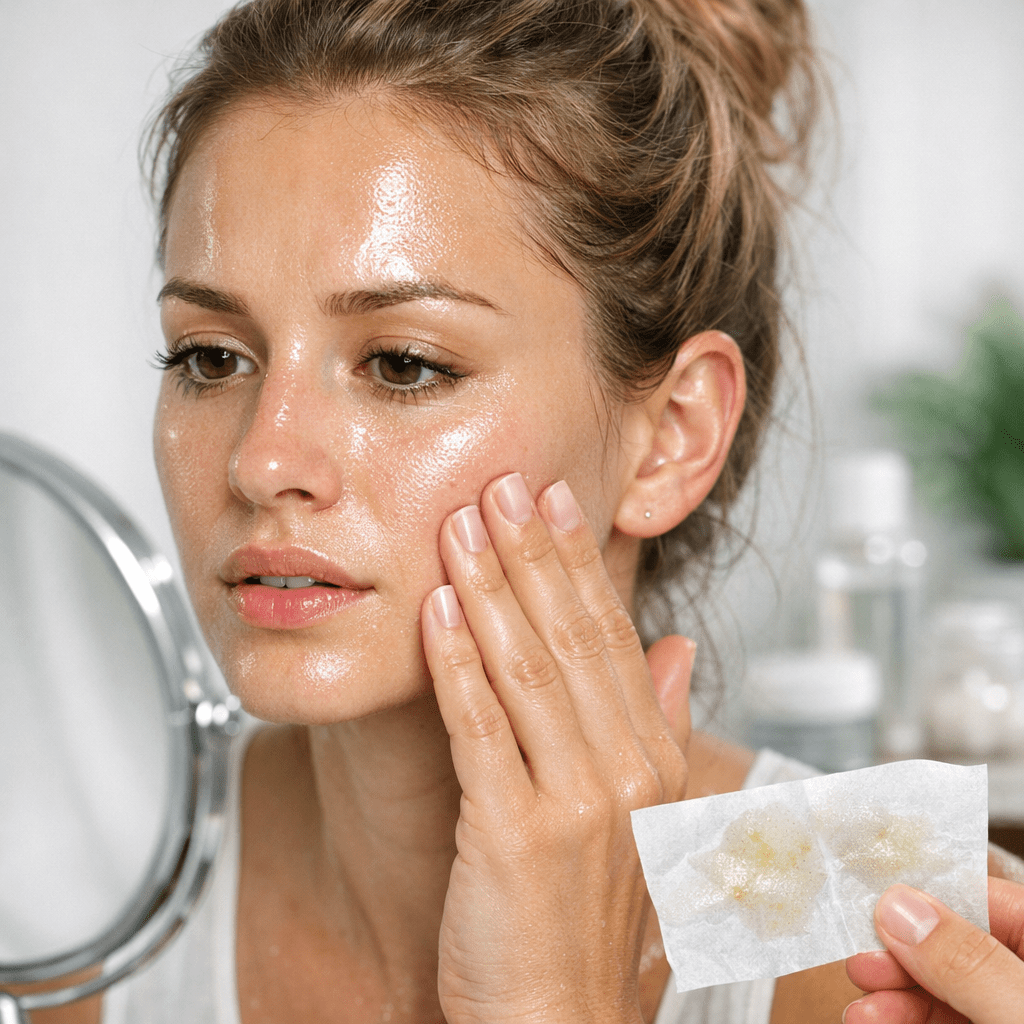
You know the drill. It’s 4 PM, your T-zone is glowing in a way you didn’t plan, and no amount of blotting paper seems to fix it. If you’ve got oily skin, managing shine can feel like a full-time job. And when it comes to face masks—one of the best tools for tackling excess oil—you’re left with a big decision: clay or gel? Both claim to purify, hydrate, and leave your skin looking its best, but which one actually delivers for oily skin types?
Let me save you some trial-and-error frustration. I’ve tested both extensively (it’s basically my part-time hobby at this point), and there are some surprising differences you need to know about.
In this guide, we’ll uncover:
- What clay masks really do for oily skin (and where they fall short).
- Why gel masks aren’t just “hydration heroes” but might surprise you with their versatility.
- A side-by-side comparison table breaking down the pros and cons of each option.
By the end, you won’t just know which mask is better—you’ll know exactly when and how to use each one.
First Things First: What’s the Problem with Oily Skin?
Oily skin isn’t just about shine—it’s about balance (or lack of it). Your sebaceous glands work overtime producing sebum (oil), which clogs pores, triggers breakouts, and leaves your makeup sliding off by lunch. Sound familiar?
But here’s the kicker: stripping away all that oil isn’t the answer either. Over-cleansing or using harsh products can push your glands into overdrive as they scramble to replace what they think they’ve lost. This is why choosing the right mask matters so much—it needs to control oil without sending your skin into a meltdown.
One wrong product could mean more breakouts or even dehydrated patches that ruin your day.
What Do Clay Masks Actually Do?
Clay masks have been around forever—literally centuries—and they’re often marketed as miracle workers for oily skin. Let’s break it down.
How They Work
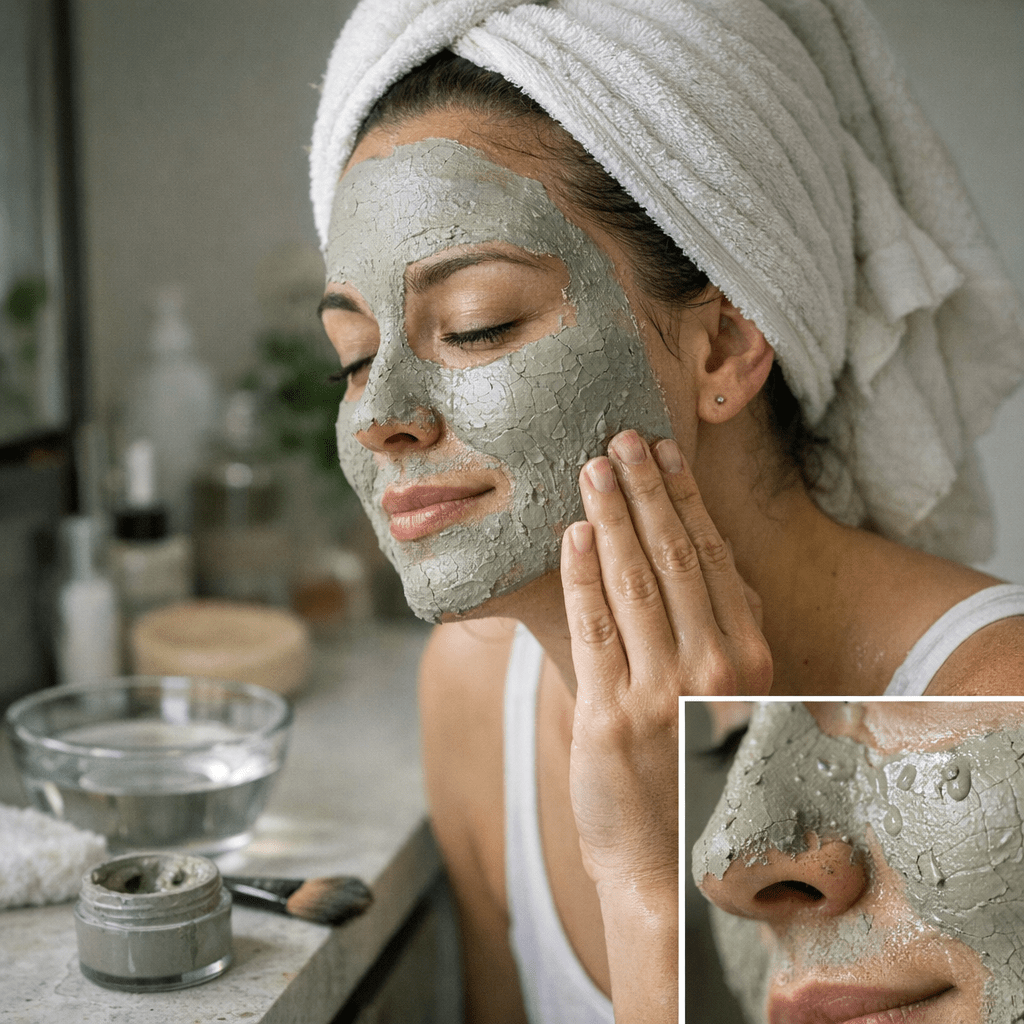
Clay masks absorb excess oil like a sponge while drawing out impurities from deep within your pores. Think of them as a detox session for your face—but only if used correctly.
The most common clays are bentonite and kaolin:
- Bentonite is super absorbent and great if you’re drowning in sebum by mid-day.
- Kaolin, on the other hand, is gentler—better suited for slightly less greasy days or sensitive skin.
Why They’re Effective for Oily Skin
1. Oil Control: Clay masks soak up surface oil without disrupting deeper moisture levels (when used sparingly).
2. Pore Detox: They pull out dirt, debris, and leftover makeup trapped in pores—a common headache for those of us prone to blackheads or acne.
Plus, there’s something deeply satisfying about watching dried clay crack on your face like an ancient artifact unearthed during excavation! (Just me?)
Also worth reading: The Ultimate Guide to Choosing the Right
Common Myth: Clay Masks Will Dry You Out Completely
Here’s where people mess up—they overuse them or leave them on too long until their face feels tight enough to snap in half. That “squeaky clean” feeling? Not good! Always follow instructions and never skip moisturizer afterward.
Why Gel Masks Deserve More Credit
Gel masks don’t get nearly as much hype in conversations about oily skin—but maybe they should.
What Are Gel Masks?
Gel masks are typically water-based formulas designed to hydrate and soothe rather than absorb oil. They’re packed with humectants like hyaluronic acid or aloe vera that attract water into the skin—perfect if all that excessive cleansing has accidentally dried you out on top of being oily.
Sound counterintuitive? Stay with me: hydration is key even if you’re battling shine because dehydrated skin produces MORE oil as compensation!
When Gel Masks Work Best
1. Post-Breakout Recovery: Got angry red bumps after an acne breakout? Gels calm inflammation fast without clogging pores further.
2. Summer Heat Waves: When humidity makes everything feel sticky but stripping moisture would make things worse.
3. Overnight Repair: Some gel masks double as sleeping packs—soothing while restoring hydration overnight without greasiness.
Side-by-Side Comparison Table
Here’s how clay masks stack up against gel masks when it comes specifically to oily skin:
| Feature | 🏆 Clay Masks | Gel Masks |
|—————————–|————————-|————————–|
| Oil Absorption | ✅ Excellent | ⚠️ Limited |
| Pore Cleansing | ✅ Deep detox | ⚠️ Surface-level only |
| Hydration | ❌ Can dry if overused | ✅ Highly hydrating |
| Soothing Irritated Skin | ❌ Not ideal | ✅ Great for redness |
| Best Use Case | Weekly detox sessions | Post-acne calming |
Best for: If pure oil control is what you’re after, clay wins hands down; but gels offer crucial backup when irritation or dehydration creeps in.
Related guide: 10 Best Hydrating Cleansers for Dry Skin
When Should You Use Each Mask?
It doesn’t have to be an either/or situation—you can use both strategically depending on what your skin needs at any given moment.
Use Clay Masks When:
- Your T-zone looks like an oil slick by noon.
- You’ve had a week of heavy makeup use (or skipped double cleansing…we’ve all been there).
- Blackheads are popping up faster than you can deal with them.
Keep usage limited though—once or twice per week max! Overdoing it will dry out even the oiliest complexions over time.
Use Gel Masks When:
- Your face feels tight and shiny at the same time (a sure sign dehydration is kicking in).
- You’ve recently cleared a breakout but still see redness or irritation.
- It’s summer and every pore feels clogged from sunscreen sweat buildup.
Pro tip: Store gel masks in the fridge during warmer months—the cooling effect alone makes them worth every penny!
Addressing Doubts: “Can I Just Skip Face Masks Altogether?”
You might be thinking, “Do I really need either of these? Can’t I just cleanse properly?” Sure…but here’s what skipping costs you:
Without regular masking tailored to oily skin concerns:
1) Breakouts take longer to heal because pores stay clogged longer than necessary.
2) Chronic dehydration leads directly back into overproduction mode—a vicious cycle!
Masks aren’t magic bullets—but paired with proper skincare routines (think gentle cleansers + light moisturizers), they’re game-changers long-term!
Key Takeaways
For weekly deep cleaning: Choose clay masks—they’re unbeatable for soaking up oil and clearing gunk from pores when used correctly. But don’t ignore hydration; mix things up occasionally with soothing gel options that combat redness while keeping everything balanced underneath layers drying treatments require!
If unsure whether adding BOTH types enhances results better-read related guides here.