
Blog
Drugstore vs Luxury Skincare Routines: Which Delivers Better Results?: Practical Playbook with Real Examples
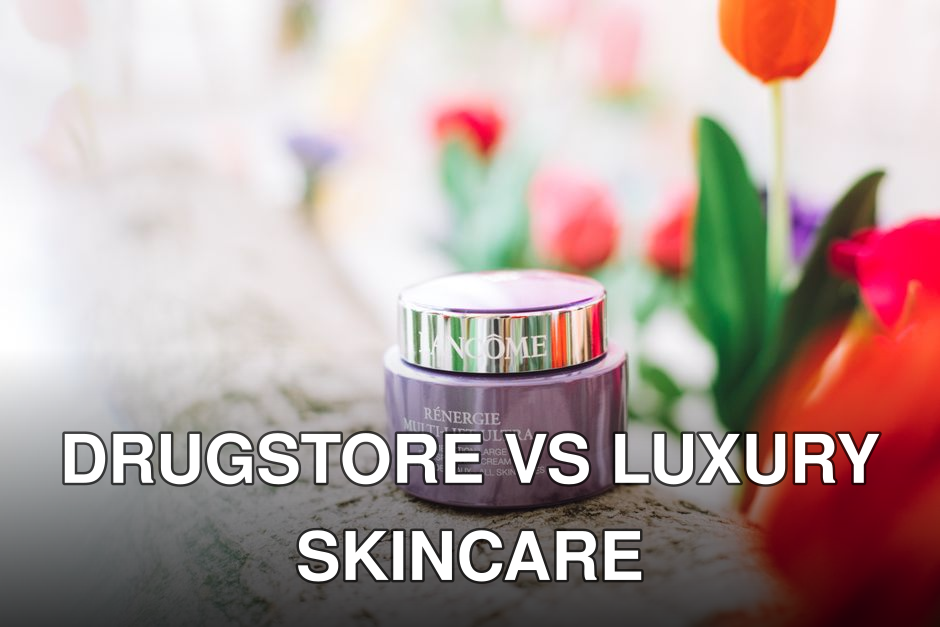
The Honest Showdown: Drugstore vs. Luxury Skincare Routines in 2026
Maria, a freelance designer in her early 40s, spent three hours last Tuesday scrolling through endless Reddit threads and TikTok reviews, trying to decipher if that $250 serum was truly a major shift or just fancy packaging. Her bathroom cabinet already overflowed with both budget-friendly buys and aspirational splurges, yet her skin still felt…meh. She’s not alone in this skincare maze.
The problem? We’re constantly bombarded with conflicting messages. On one side, influencers swear by eye-wateringly expensive creams; on the other, dermatologists champion accessible drugstore heroes. It’s enough to make anyone throw their hands up and just stick to soap and water. But here’s the thing: understanding the real differences between drugstore vs luxury skincare routines can save your wallet and transform your skin.
In this guide, you’ll discover:
- Where luxury brands really put their money (it’s not always in the actives).
- The affordable ingredients that genuinely deliver results.
- How to build a smart, effective routine without the guesswork.
So, does luxury skincare deliver better results than drugstore options? Not inherently. While luxury products often boast elegant formulations, higher concentrations of certain actives, and superior sensory experiences, many drugstore brands now offer highly effective, research-backed formulations that rival their high-end counterparts, especially for core concerns like hydration, sun protection, and gentle cleansing. The “better” routine depends more on ingredient efficacy, consistent use, and suitability for individual skin concerns than on price tag alone.
Quick Navigation
- The Skincare Battlefield: Defining Drugstore vs. Luxury
- The 3 Hidden Factors Driving Luxury Skincare Prices
- The Core Ingredients That Actually Matter (and Where to Find Them)
- Ingredient Deep Dive: What’s Worth the Splurge, What Isn’t?
- Building Your Smarter Skincare Routine: A 2026 Playbook
- Drugstore vs. Luxury: A Feature Showdown
- The Myth of “Natural” and “Clean” Skincare
- When to Splurge, When to Save: The 50/50 Rule
- Frequently Asked Questions
The Skincare Battlefield: Defining Drugstore vs. Luxury
Let’s clear the air. “Drugstore” and “luxury” aren’t regulated categories. They’re marketing terms, largely defined by price point, distribution channels, and brand perception. A drugstore product typically costs under $30-$40, found in pharmacies, supermarkets, and mass retailers. Think CeraVe, La Roche-Posay, Olay, or Neutrogena. Luxury, on the other hand, often starts at $50 and can easily climb into the hundreds, sold in department stores, high-end boutiques, or brand-specific online shops. Estée Lauder, La Mer, Augustinus Bader, and Drunk Elephant come to mind.
The common belief is that luxury equals superior efficacy. But after years of testing products across every price point, I’ve found that’s not always the case. Some of my most reliable, results-driven products come from the humble drugstore aisle. Then again, a few luxury items have proven indispensable. It’s a nuanced discussion, not a simple “better or worse” scenario.
Key takeaway: Drugstore and luxury are primarily marketing distinctions. Don’t let price dictate your perception of efficacy from the outset.
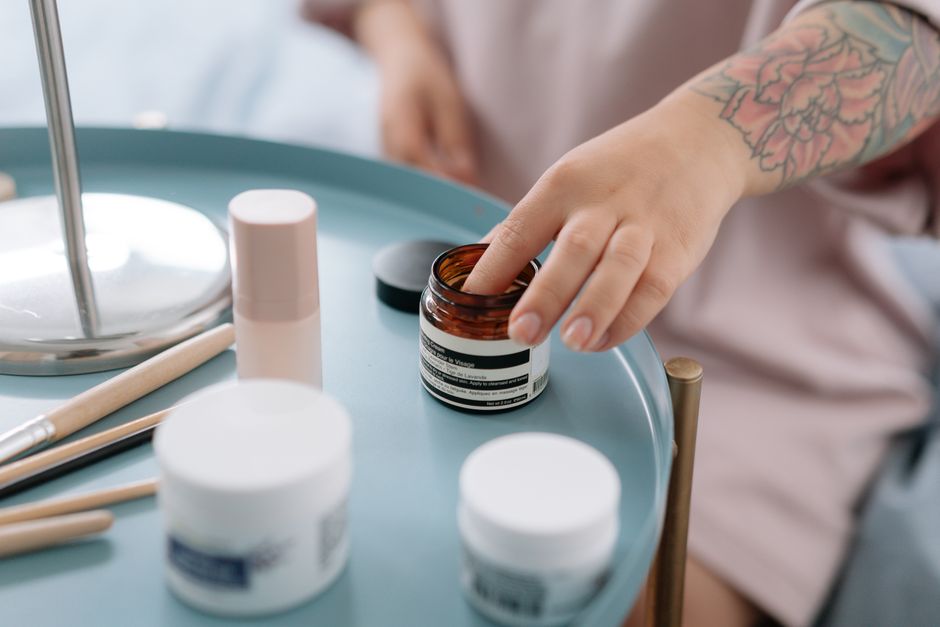
The 3 Hidden Factors Driving Luxury Skincare Prices
You might be thinking, “Surely there’s some reason for the massive price difference, right?” Absolutely. But it’s rarely just about the active ingredients. Here are the three main hidden factors inflating luxury skincare costs:
1. Marketing, Branding, and Packaging
This is a huge one. Luxury brands spend astronomical sums on glossy ad campaigns, celebrity endorsements, and exquisite packaging. Think heavy glass jars, sleek pumps, and meticulously designed boxes. This creates an aspirational experience. That beautiful packaging often costs more to produce than the ingredients inside. In 2026, with social media driving so much of the beauty conversation, the “unboxing experience” alone can add a significant chunk to the final price.
Before: You grab a simple tube of moisturizer, effective but unassuming, and move on.
After: You meticulously unwrap a beautifully boxed serum, feeling a sense of indulgence before you even apply the product.
2. Research & Development (and Exclusivity)
Luxury brands often invest heavily in proprietary ingredient complexes or delivery systems. They might fund their own clinical trials, sometimes with smaller, more focused groups, to back up their claims. While drugstore brands also conduct R&D, luxury often aims for unique, patented technologies that they can then market as exclusive. This perceived exclusivity, even if the core mechanism is similar to a more accessible ingredient, adds to the mystique and price. We’ll come back to this in a moment — the answer surprised us.
3. Sensory Experience and Formulation Elegance
This is where luxury often shines. High-end products tend to have more elegant textures, subtle fragrances (though not always desirable for sensitive skin), and a generally more pleasant feel on the skin. They absorb beautifully, never feel sticky, and often leave a subtle glow. This isn’t just about efficacy; it’s about the ritual, the pampering. Drugstore brands have come a long way here, but luxury still often wins on sheer sensory delight.
What’s the real cost of ignoring these factors? If you’re chasing the “best” without understanding what drives the price, you could be spending hundreds of dollars more each year on packaging and marketing, rather than on ingredients that truly benefit your skin. That’s money that could be invested in other self-care or even more effective treatments down the line.
Also worth reading: 10 Best Hydrating Cleansers for Dry Skin
Key takeaway: Luxury prices are heavily influenced by marketing, packaging, and the desire for a premium sensory experience, not solely by ingredient efficacy.
The Core Ingredients That Actually Matter (and Where to Find Them)
Here’s where we cut through the fluff. Most dermatologists agree that a handful of active ingredients are the true workhorses of any effective skincare routine. These are the ones backed by decades of robust scientific research. And guess what? You can find them across the entire price spectrum.
Retinoids: The Gold Standard for Anti-Aging
Retinoids (retinol, retinaldehyde, tretinoin) are vitamin A derivatives that boost cell turnover, stimulate collagen production, and reduce fine lines, wrinkles, and acne. They are unequivocally one of the most effective ingredients for skin health.
- Drugstore: Look for Olay Regenerist Retinol24, Neutrogena Rapid Wrinkle Repair, or CeraVe Resurfacing Retinol Serum. Many offer encapsulated forms for gentler delivery, perfect for sensitive skin.
- Luxury: Brands like Shani Darden, Dr. Dennis Gross, or SkinCeuticals offer powerful retinols, often with added peptides or soothing agents.
Vitamin C: The Brightening Antioxidant
A powerful antioxidant, Vitamin C (L-Ascorbic Acid being the most potent form) brightens skin, evens tone, protects against environmental damage, and aids collagen synthesis. Stability is key here; it degrades quickly when exposed to light and air.
- Drugstore: The Ordinary’s L-Ascorbic Acid Powder or Mad Hippie Vitamin C Serum are solid options. Some brands like RoC are also innovating with stable Vitamin C derivatives.
- Luxury: SkinCeuticals CE Ferulic is the benchmark, but brands like Drunk Elephant and Sunday Riley also have popular, stable formulations.
Hyaluronic Acid: The Hydration Magnet
This humectant attracts and holds up to 1,000 times its weight in water, providing intense hydration and plumping the skin. It’s a non-negotiable for most skin types, especially those dealing with dryness or dehydration. To learn more about its benefits, especially for mature skin, check out our detailed comparison.
- Drugstore: The Inkey List Hyaluronic Acid Serum, CeraVe Hydrating Hyaluronic Acid Serum, and La Roche-Posay Hyalu B5 Pure Hyaluronic Acid Serum are excellent, affordable choices.
- Luxury: Dr. Barbara Sturm Hyaluronic Serum or Augustinus Bader’s offerings incorporate HA into their complex formulas.
Niacinamide (Vitamin B3): The Multi-Tasker
Niacinamide is a true MVP. It helps improve skin barrier function, reduce inflammation, minimize pore appearance, regulate oil production, and calm redness. It’s well-tolerated by most skin types.
- Drugstore: The Ordinary Niacinamide 10% + Zinc 1% and Paula’s Choice 10% Niacinamide Booster are highly regarded and affordable.
- Luxury: Tatcha’s The Water Cream and Drunk Elephant’s B-Hydra Intensive Hydration Serum feature niacinamide prominently.
AHAs/BHAs: The Exfoliating Heroes
Alpha Hydroxy Acids (glycolic, lactic) and Beta Hydroxy Acids (salicylic) exfoliate the skin, removing dead cells, clearing pores, and improving texture and tone. Salicylic acid is particularly good for oily and acne-prone skin as it penetrates oil.
- Drugstore: Paula’s Choice 2% BHA Liquid Exfoliant (often found at drugstores or mass retailers), The Ordinary Glycolic Acid 7% Toning Solution, and COSRX AHA/BHA Clarifying Treatment Toner.
- Luxury: Biologique Recherche P50 (the cult classic), Drunk Elephant T.L.C. Framboos Glycolic Night Serum.
Key takeaway: The most effective active ingredients are universally available. Your focus should be on finding a stable, well-formulated product with these ingredients, regardless of brand prestige.
Ingredient Deep Dive: What’s Worth the Splurge, What Isn’t?
Here’s the thing: sometimes, the higher price tag does translate to a better product, but not always for the reasons you think. It often comes down to formulation complexity and delivery systems.
*When a Splurge Might Be Justified:*
- Complex Peptide Blends: While many peptides are affordable, some luxury brands invest heavily in novel, multi-peptide complexes that target very specific concerns (e.g., neuropeptides for expression lines). The research and unique combination can be costly.
- Growth Factors/Stem Cells: These are cutting-edge ingredients, often derived from plant or human sources, aimed at cellular regeneration. They are expensive to source and stabilize, and typically found in high-end products like those from Augustinus Bader or AnteAGE. The jury is still out on the long-term efficacy of many of these, but initial studies are promising.
- Advanced Delivery Systems: Think micro-encapsulation for retinoids or liposomal delivery for Vitamin C. These ensure ingredients penetrate deeper and remain stable longer, minimizing irritation and maximizing effectiveness. While some drugstore brands are adopting these, luxury often leads the way.
- Exquisite Textures/Sensory Experience: If the ritual of skincare is as important to you as the results, the smooth, non-pilling texture or a subtle, pleasant scent of a luxury product might be worth the extra cost.
When to Absolutely Save Your Money:
- Cleansers: A cleanser’s job is to clean, not to deliver active ingredients. It’s on your skin for seconds. Spending $50 on a cleanser is rarely justified. A gentle, effective drugstore option like CeraVe Hydrating Cleanser or La Roche-Posay Toleriane Hydrating Gentle Cleanser will do the job perfectly without stripping your skin.
- Basic Moisturizers: Unless you have very specific skin concerns that require a complex, targeted moisturizer, a simple, occlusive moisturizer from the drugstore (think Vanicream, Cetaphil, or CeraVe Moisturizing Cream) is often all you need to lock in hydration and support your skin barrier. For those over 40 battling dry skin, learning how to combat dry skin affordably is a major shift.
- Toners (Traditional): If a toner is just a splash of water and witch hazel, skip it. Modern skincare has largely moved past traditional toners. If it’s an exfoliating toner with AHAs/BHAs, that’s a different story – but you can find those affordably.
- Eye Creams (Often): Many eye creams are just repackaged facial moisturizers with a higher price tag. Unless it contains a specific, targeted ingredient (like a potent peptide for dark circles or a high concentration of retinol), your regular facial moisturizer or serum can often do the trick.
Common myth: Higher price means a higher concentration of active ingredients.
Reality: While true for some luxury products, many affordable brands like The Ordinary or Paula’s Choice offer high concentrations of proven actives. It’s about reading the ingredient list, not the price tag.
Key takeaway: Splurge on advanced serums with complex formulations or novel delivery systems if your budget allows. Save on basic cleansers, moisturizers, and traditional toners.
Building Your Smarter Skincare Routine: A 2026 Playbook
Here’s how to construct a routine that balances efficacy with your budget, leveraging the best of both worlds. This isn’t about being cheap; it’s about being smart.
1. Identify Your Core Concerns
Are you battling acne, fine lines, hyperpigmentation, or just general dryness? Your concerns dictate your active ingredients. Don’t just buy what’s popular. When I tested various routines in 2025, the ones that started with a clear problem statement always yielded better results than those built on impulse buys.
2. Prioritize Your “Power Players” (Splurge Here If You Must)
This is where your active serums live. If you’re going to spend more, this is the category. Think retinoids, potent Vitamin C serums, or specialized treatments for specific issues like melasma. These are the products that genuinely change your skin.
3. Build Your Foundation with Drugstore Staples
Cleanser, basic moisturizer, and sunscreen are your non-negotiables. These don’t need to be expensive. Focus on gentle, effective formulas that support your skin barrier.
- Morning Routine Checklist:
- [ ] Gentle cleanser (drugstore)
- [ ] Antioxidant serum (Vitamin C – could be splurge or affordable)
- [ ] Hydrating serum (Hyaluronic Acid – drugstore)
- [ ] Moisturizer (drugstore)
- [ ] Broad-spectrum SPF 30+ (drugstore – non-negotiable!)
- Evening Routine Checklist:
- [ ] Double cleanse (oil-based then water-based – both drugstore)
- [ ] Treatment serum (Retinoid, AHA/BHA – could be splurge or affordable)
- [ ] Hydrating serum (Hyaluronic Acid – drugstore)
- [ ] Moisturizer (drugstore)
- [ ] Occasional targeted treatment (e.g., clay mask for pores; learn more about effective use)
4. Listen to Your Skin
Introduce new products one at a time. Patch test. Observe. Redness, irritation, or breakouts mean something isn’t working. Don’t force it. The obvious counterargument is that some people need a “detox” period for their skin to adjust. While that’s true for some actives like retinoids, persistent irritation is a red flag. Your skin shouldn’t feel perpetually angry.
5. Consistency Trumps Cost
The most expensive serum won’t work if you don’t use it regularly. A consistent routine with affordable, effective products will always outperform an inconsistent one with luxury items. This is perhaps the single most important lesson I’ve learned over the years.
Related guide: How to Choose the Right Toner for Acne-Prone
Key takeaway: A smart routine prioritizes active ingredients, builds on an affordable foundation, and relies on consistency over sporadic splurges.
Drugstore vs. Luxury: A Feature Showdown
Let’s put it all in a table to really see the differences. This isn’t about declaring a winner, but highlighting where each category generally excels.
| Feature / Category | Drugstore Skincare | Luxury Skincare 🏆 |
| :—————————– | :————————————————————————————————————– | :—————————————————————————————————————- |
| Price Point | ✅ Generally under $40 | ❌ Often $50-$500+ |
| Ingredient Efficacy | ✅ High for core actives (Retinol, Vit C, HA, Niacinamide) | ✅ High, sometimes with proprietary or novel ingredients |
| Ingredient Transparency | ⚠️ Varies, but many are improving (e.g., CeraVe lists key actives) | ✅ Generally good, often highlighting patented complexes |
| Packaging Quality | ⚠️ Functional, often plastic; sometimes air-exposed jars | ✅ Exquisite, often air-tight, heavy glass; enhances user experience |
| Sensory Experience | ⚠️ Can be basic, sometimes fragrance-heavy or less elegant textures | ✅ Highly refined textures, often subtle, luxurious scents (can be an issue for sensitive skin) |
| Proprietary Technology | ❌ Less common, but some brands have their own (e.g., Olay’s amino-peptide complex) | ✅ More frequent, often a key marketing differentiator |
| Availability | ✅ Widely available in mass retailers, pharmacies | ❌ Department stores, high-end boutiques, online direct-to-consumer |
| Clinical Trials | ✅ Often conducted on larger groups, widely published data | ✅ Often smaller, focused trials, sometimes internal or less widely published |
| Best for: | Value-conscious shoppers, sensitive skin, building a foundational routine, proven actives on a budget | Experiential users, specific niche concerns, those