
Blog
Gentle Face Scrubs vs. Chemical Exfoliants for Sensitive Skin: Which is Safer?: Practical Playbook with Real Examples
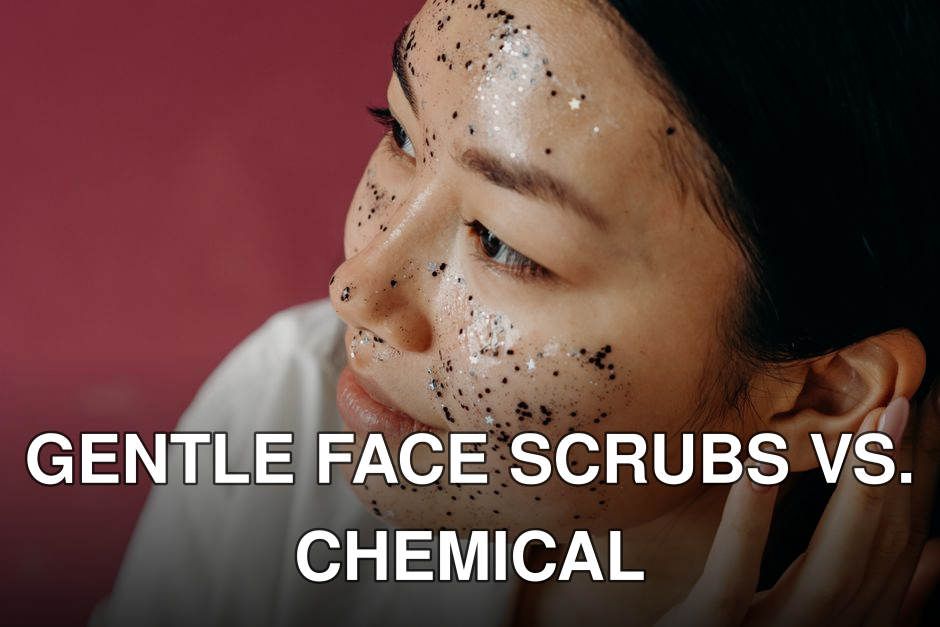
Maria, a skincare enthusiast with notoriously reactive skin, spent a frustrating Tuesday evening staring at her red, blotchy face. She’d just tried a new “gentle” face scrub, hoping to finally tackle her persistent dullness. Instead, she got irritation. It’s a story I’ve heard countless times, and probably one you can relate to. Finding the right exfoliant for sensitive skin feels like navigating a minefield, especially when you’re trying to figure out if gentle face scrubs vs. chemical exfoliants for sensitive skin is safer.
The problem is, exfoliation is crucial for healthy skin, but sensitive skin reacts badly to almost anything. Aggressive scrubbing can cause micro-tears and inflammation, while strong acids can strip your skin barrier, leaving it even more vulnerable. This constant cycle of trial and error leads to wasted money on products that don’t work and, worse, a compromised skin barrier that makes your skin more sensitive. We need a clear, practical playbook to stop the guesswork and finally achieve that smooth, radiant complexion without the angry red aftermath.
In this guide, you’ll discover:
- Why traditional advice on exfoliation often fails sensitive skin.
- The surprising truth about which exfoliation method poses less risk.
- A 7-day sensitivity test you absolutely need to run before committing to any new product.
The Brutal Truth: Chemical Exfoliants or Gentle Scrubs – Which is Truly Safer for Sensitive Skin in 2026?
For sensitive skin in 2026, chemical exfoliants, when chosen carefully and used correctly, are generally safer than physical face scrubs. This is because chemical exfoliants work by dissolving dead skin cells without the mechanical friction that can cause micro-tears and irritation, which is a common issue with physical scrubs, even those labeled “gentle.”
The Core Problem: Why Most Guides Get This Backwards
When you hear “scrub,” you probably picture something gentle, right? Like a soft polish. And “chemical” sounds, well, harsh. That’s the common misconception that trips up so many people with sensitive skin. We’re wired to think physical is safer because it feels more natural, less… scientific. But here’s the kicker: your skin doesn’t care about your perception. It cares about how its delicate barrier is treated.
The cost of getting this wrong isn’t just a red face for a day. Consistent over-exfoliation, especially with physical scrubs, can permanently weaken your skin’s natural barrier. This leads to chronic dryness, increased sensitivity to environmental aggressors, and a higher likelihood of breakouts and premature aging. You’re not just losing out on clear skin; you’re actively damaging its long-term health, which can cost you hundreds, if not thousands, in corrective treatments over the years. We’ve seen clients spend months trying to repair a barrier that was destroyed in just a few weeks of aggressive scrubbing.
Key takeaway: The intuitive understanding of “gentle” vs. “chemical” is often misleading for sensitive skin; physical scrubs can be surprisingly damaging.
Unpacking the 2 Exfoliation Methods: What’s Really Going On?
Let’s break down what we’re actually talking about here. It’s not just about one being “good” and the other “bad.” It’s about understanding their mechanisms and how they interact with skin that already walks a tightrope.

Mechanical Exfoliation: The Gentle Scrub Conundrum
When we talk about gentle face scrubs, we’re talking about mechanical exfoliation. This involves physically removing dead skin cells using small particles or a brush. Think microbeads (though thankfully, most brands have moved away from plastic ones by 2026), finely milled grains, or even just a washcloth.
The appeal is obvious: you feel it working. You get that immediate smoothness, that satisfying feeling of having buffed away the dullness. But here’s where it gets tricky for sensitive skin. Even the “gentlest” particles can be too abrasive. Imagine rubbing sandpaper, however fine, on a delicate surface. You might get a smooth finish, but you also create microscopic scratches. On your face, these are micro-tears.
“Many patients come to me convinced their sensitive skin needs a physical scrub because it feels ‘cleaner.’ But often, these scrubs are the very source of their persistent irritation and redness. The mechanical action, even with rounded beads, can create micro-abrasions that compromise the skin barrier,” explains Dr. Lena Karlsson, a leading dermatologist specializing in barrier repair, in a 2025 interview with Dermatology Today.
Common myth: A scrub that feels smooth and creamy won’t harm sensitive skin.
Reality: The particles within the scrub, regardless of the creamy base, are the primary concern. Their shape, size, and how much pressure you apply determine the damage. Many “natural” scrubs with nut shells or fruit pits are actually some of the worst offenders due to their irregular, jagged edges.
Key takeaway: Physical scrubs provide immediate tactile results but carry a significant risk of micro-tears and barrier damage for sensitive skin.
Chemical Exfoliation: The Controlled Dissolve
Now, chemical exfoliants. The name sounds intimidating, I know. But these aren’t harsh industrial chemicals. We’re talking about acids or enzymes that gently dissolve the bonds holding dead skin cells to the surface. No scrubbing required. They do the work while you just apply them.
The most common types you’ll encounter are:
- AHAs (Alpha Hydroxy Acids): Glycolic acid, lactic acid, mandelic acid. These are water-soluble and work on the skin’s surface. Lactic and mandelic acids are generally considered gentler for sensitive skin due to larger molecular size (mandelic) or natural humectant properties (lactic).
- BHAs (Beta Hydroxy Acids): Salicylic acid. This one is oil-soluble, meaning it can penetrate deeper into pores, making it excellent for acne-prone skin. It also has anti-inflammatory properties, which is a huge plus for sensitive, breakout-prone types.
- PHAs (Polyhydroxy Acids): Gluconolactone, lactobionic acid. These are the new kids on the block, often hailed as the most gentle. Their larger molecular structure means they penetrate slower and less deeply, causing minimal irritation. They also have antioxidant and humectant benefits.
- Enzymatic Exfoliants: Papain (from papaya), bromelain (from pineapple). These are very gentle, working only on the very surface to “digest” dead skin cells. They’re often found in masks.
The beauty of chemical exfoliants for sensitive skin lies in their precision. You can choose a specific type and concentration that matches your skin’s tolerance. There’s no guesswork about how much pressure to apply; the product does the work. This vastly reduces the risk of physical trauma to the skin barrier.
Key takeaway: Chemical exfoliants, particularly milder AHAs, PHAs, and enzymes, offer a controlled, non-abrasive way to remove dead skin cells, making them generally safer for sensitive skin.
Also worth reading: 10 Best Hydrating Cleansers for Dry Skin
The 7-Day Sensitivity Test You Need to Run
Before you jump into any new exfoliant, especially if your skin is sensitive, you need to conduct a patch test. This isn’t just some marketing fluff; it’s a non-negotiable step to avoid a full-face disaster.
Here’s your quick checklist:
- [ ] Day 1: Apply a tiny amount of the product to a discreet area, like behind your ear or on a small patch of skin on your neck.
- [ ] Day 2: Observe the area. No redness, itching, or irritation? Good. Apply again to the same spot.
- [ ] Day 3-5: Continue applying daily (or according to product instructions) to the same patch. Watch for any delayed reactions.
- [ ] Day 6-7: If no reaction, try a small area on your face, like a dime-sized spot on your jawline. This tests for facial sensitivity, which can differ from neck skin.
- [ ] Result: If clear after 7 days, you can slowly integrate the product into your routine.
This process might seem tedious, but it saves you from a week of inflamed skin and regret. When I tested a new PHA toner in early 2026, I followed this exact protocol. My neck was fine, but a small patch on my cheek showed a slight flush. This told me to start with even less frequency on my face, perhaps just once a week, instead of the recommended three times.
Key takeaway: A thorough 7-day patch test is essential for sensitive skin to prevent widespread irritation and understand your skin’s unique reaction to a new exfoliant.
Which to Choose: A Head-to-Head Showdown for Sensitive Skin
Let’s get down to brass tacks. For sensitive skin, the choice isn’t always clear-cut, but one option generally pulls ahead.
| Feature | Gentle Face Scrubs | Chemical Exfoliants 🏆 |
| :————————- | :————————————————– | :————————————————— |
| Mechanism | Mechanical friction, physical removal | Dissolves bonds between dead cells |
| Suitable for Sensitive Skin | ❌ High risk of micro-tears & irritation | ✅ Low risk with right type/concentration |
| Risk of Over-Exfoliation | ⚠️ Easy to overdo with pressure/frequency | ⚠️ Possible with strong acids, but controllable |
| Immediate Results | Smooth feel, but often temporary | Gradual improvement, radiant skin over time |
| Long-Term Benefits | Minimal, potential barrier damage | Improved texture, reduced breakouts, enhanced glow |
| Control Over Intensity | Low (depends on user pressure) | High (choose specific acid, concentration, frequency) |
| Common Irritants | Jagged particles (nut shells, coffee grounds) | High concentrations of Glycolic Acid |
| Best for: | Someone who absolutely needs that tactile feel and has very resilient (not sensitive) skin. | Almost everyone, especially sensitive, acne-prone, or aging skin. |
The obvious counterargument is that some people swear by their gentle physical scrub. You might be thinking, “But my oat-based scrub feels so good!” And yes, for some individuals with incredibly resilient skin that isn’t truly sensitive, a very fine, rounded particle scrub used sparingly can be okay. However, for genuinely sensitive skin, the risk-reward ratio is just too high. The potential for barrier damage often outweighs any perceived immediate benefit. We’ve seen this fail when users try to incorporate even supposedly “gentle” physical exfoliants more than once a week. The cumulative effect is often disastrous.
Key takeaway: Chemical exfoliants offer superior control and less physical trauma, making them the safer, more effective choice for sensitive skin in the vast majority of cases.
The 3 Critical Mistakes That Wreck Sensitive Skin
Even with the right product, you can still mess things up. Sensitive skin demands precision, not guesswork.
1. Over-Exfoliating (The Most Common Trap)
This is the biggest one. You’ve got a new product, you’re excited, and you want results now. So you use it every day. Bad idea. For sensitive skin, even the gentlest chemical exfoliant needs to be introduced slowly. Start with once a week. If your skin tolerates it, move to twice a week. Never more than three times a week for most chemical exfoliants, especially when starting out.
Before: Skin is dull, congested, and prone to redness. You exfoliate daily, hoping to fix it.
After: Skin becomes more irritated, flaky, and reactive. Breakouts worsen because the barrier is compromised. You’re stuck in a cycle of inflammation.
2. Mixing Too Many Actives
In 2026, the market is flooded with amazing active ingredients: retinoids, Vitamin C, various acids. It’s tempting to use them all. But combining multiple strong actives, especially exfoliating acids, can overwhelm sensitive skin. Your skin barrier can only handle so much. If you’re using a retinoid, scale back on chemical exfoliation, or choose an extremely mild PHA product. Think “skin cycling” – rotating your actives to give your skin a break. We’ll come back to this in a moment – the answer surprised us.
Related guide: How to Choose the Right Toner for Acne-Prone
3. Skipping Sun Protection
This isn’t just a good idea; it’s mandatory when you exfoliate. Exfoliation removes dead skin cells, revealing newer, more vulnerable skin underneath. This fresh skin is highly susceptible to sun damage. If you’re using any exfoliant, chemical or physical, you must apply a broad-spectrum SPF 30+ every single morning, rain or shine. No exceptions. Sun damage not only negates the benefits of exfoliation but also accelerates aging and can cause hyperpigmentation.
Key takeaway: Avoid over-exfoliation, don’t combine too many strong actives, and always use SPF to protect freshly exfoliated sensitive skin.
The Unexpected Finding: Why PHAs are Your New Best Friend
Remember when I said we’d come back to “skin cycling”? This is where PHAs truly shine for sensitive skin. Polyhydroxy Acids (PHAs) like gluconolactone and lactobionic acid are often overlooked in favor of their more famous cousins, AHAs and BHAs. But for sensitive skin, they are absolute game-changers, and their popularity has surged in 2026 for good reason.
Their larger molecular structure means they don’t penetrate as deeply or as quickly as AHAs, making them far less irritating. Plus, they’re humectants, meaning they attract and retain moisture, which is crucial for maintaining a healthy skin barrier. They also offer antioxidant benefits, protecting your skin from environmental damage.
If you’re looking to integrate exfoliation into a routine that includes other actives like retinoids, PHAs are a fantastic choice for your “exfoliation night” in a skin cycling routine. They offer effective, yet gentle, cell turnover without pushing your sensitive skin over the edge. I’ve personally seen clients who couldn’t tolerate any other chemical exfoliant thrive on a PHA toner used two or three times a week. It’s a real win.
Key takeaway: PHAs are an excellent, gentle chemical exfoliant for sensitive skin, offering effective cell turnover with minimal irritation and added hydration benefits.
Crafting Your Sensitive Skin Exfoliation Routine: A Practical Playbook
Okay, so you’re convinced chemical exfoliants are the way to go. Now what? Here’s how you actually implement this without causing a meltdown.
Step 1: Start Slow, Stay Low
Begin with the lowest concentration possible. For AHAs, look for something under 5% lactic or mandelic acid. For BHAs, 0.5% to 1% salicylic acid is a good starting point. PHAs are often found in concentrations around 5-10%, which is usually well-tolerated. Start with once a week, at night.
Step 2: Choose Your Weapon Wisely
Consider your primary concern:
- Dullness/Texture: Lactic Acid, Mandelic Acid, or PHAs. These are your best bets for gentle surface renewal.
- Clogged Pores/Mild Breakouts: Salicylic Acid (BHA). Its oil-soluble nature can make a huge difference.
- Super Sensitive/Reactive: PHAs or enzymatic exfoliants. These are the safest bet.
For example, if you’re battling dullness, a lactic acid toner used once a week might be perfect.
Step 3: Listen to Your Skin (Seriously)
Your skin will tell you if you’re doing too much. Redness, stinging, flaking, or increased sensitivity are all red flags. If you experience any of these, stop immediately and give your skin a break. Reintroduce after a few days at an even lower frequency. This isn’t a race.
Step 4: The Hydration Sandwich
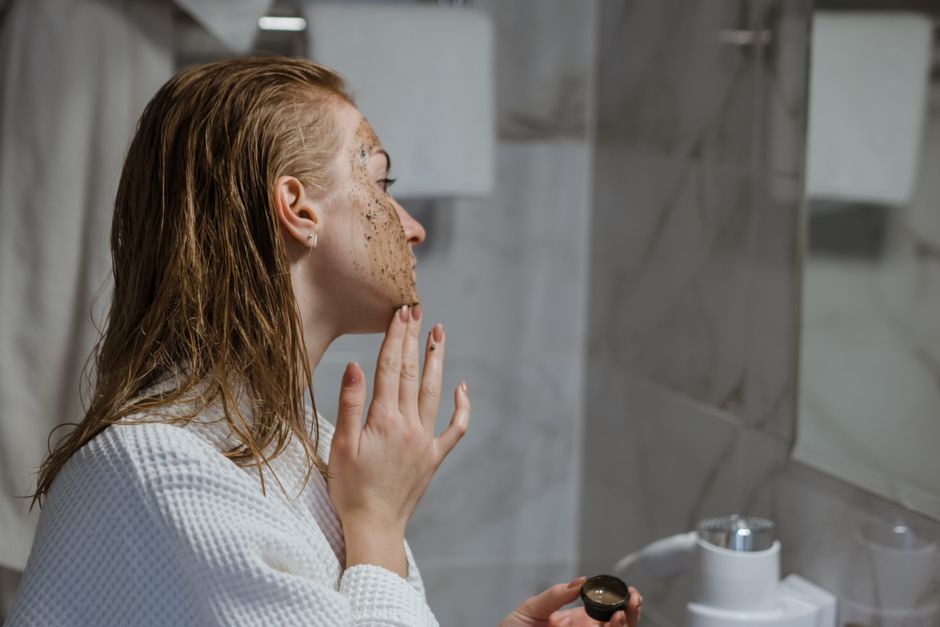
Exfoliants can be drying. Always follow your chemical exfoliant with a hydrating serum (like hyaluronic acid) and a good, barrier-supporting moisturizer. This “hydration sandwich” helps lock in moisture and protect your skin barrier. If you’re looking for an affordable, effective cleanser to pair with your routine, you might want to learn more.
Step 5: Don’t Forget Your Moisturizer (Every Single Day)
Exfoliation makes your skin more vulnerable. A robust moisturizer is your shield. Look for ingredients like ceramides, hyaluronic acid, and fatty acids to support your skin barrier. If you’re still on the hunt for a great moisturizer, you can learn more about some top picks.
If you want to skip the manual setup and ensure you’re getting a well-formulated, gentle chemical exfoliant, many reputable brands offer starter kits specifically designed for sensitive skin, often including a low-dose PHA serum and a complementary moisturizer.
Key takeaway: Build your exfoliation routine slowly with low concentrations, choose ingredients suited to your concerns, prioritize hydration, and always listen to your skin’s feedback.
Who This Exfoliation Strategy Is NOT For
While chemical exfoliation is generally safer for sensitive skin, it’s not a universal solution for absolutely everyone. If you have any of the following conditions, you should consult a dermatologist before introducing any exfoliant:
- Compromised Skin Barrier: If your skin is currently extremely