
Blog
How to Choose the Right Clean Beauty Foundation for Your Skin Type: Practical Playbook with Real Examples
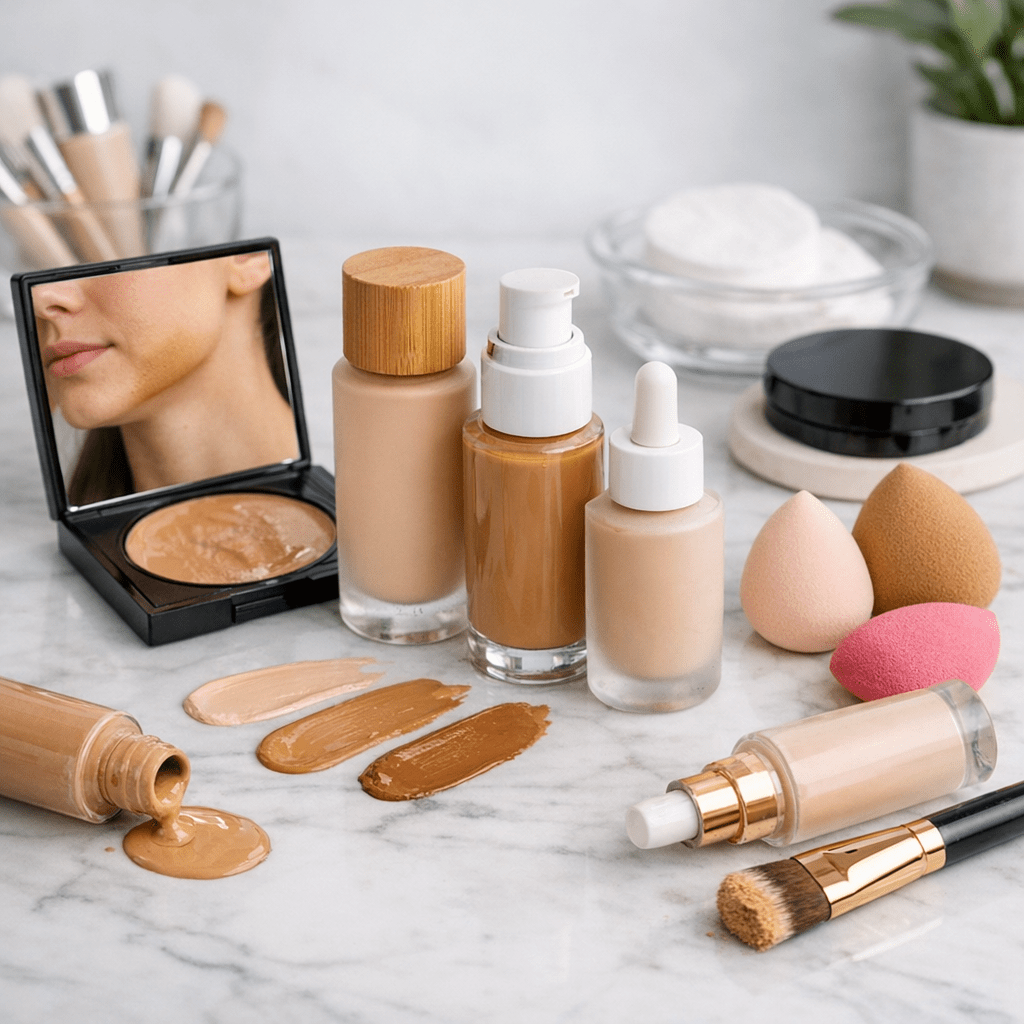
Finding the perfect clean beauty foundation can feel like dating—it takes time, a bit of trial and error, and sometimes you’ll end up with something that looks great at first but disappoints under closer inspection. That’s especially true if you’ve got specific skin needs (hello, dryness, oil slicks, or sensitive patches). But once you find your match? Game-changing.
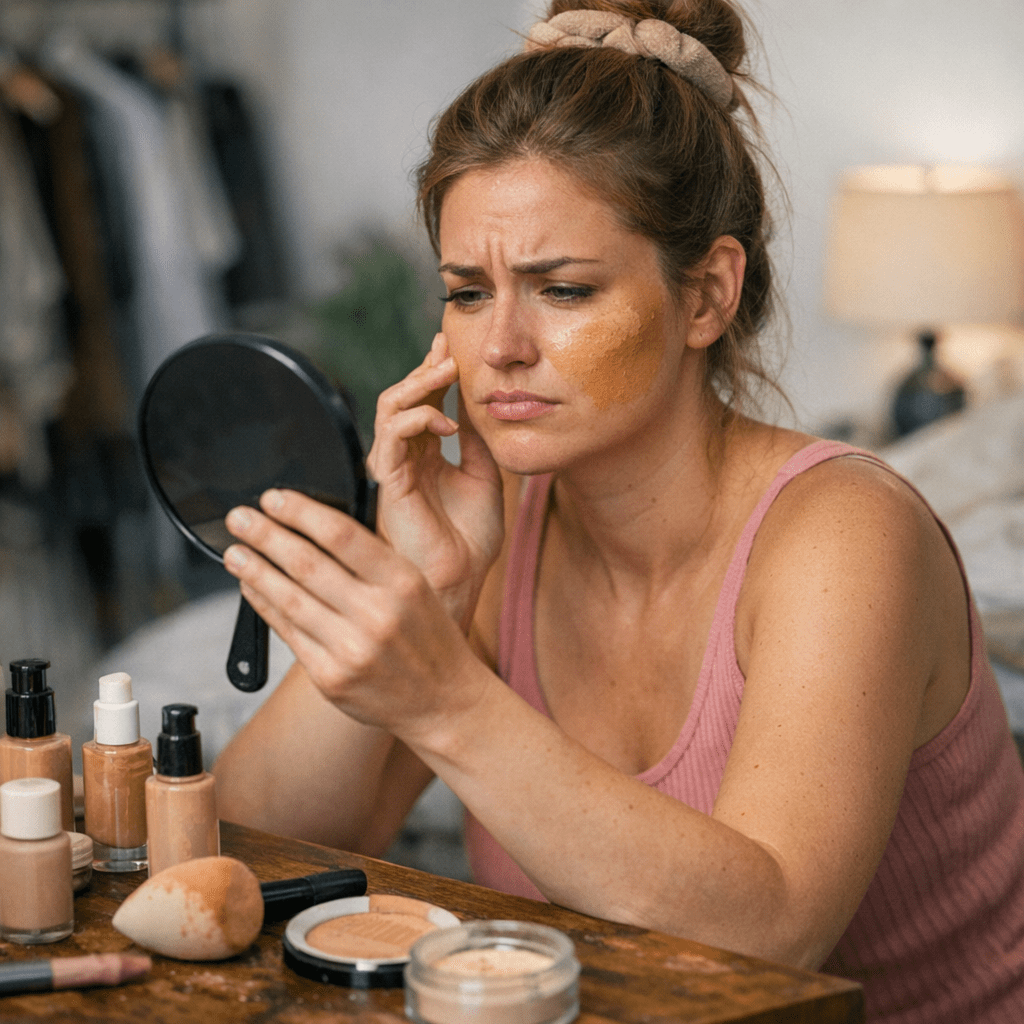
Here’s the thing: with the explosion of clean beauty brands in 2026, it’s easier than ever to shop foundations made without parabens, synthetic fragrances, or other questionable ingredients. The downside? There are too many options. You don’t want to spend $50 on a gorgeous-looking product only to realize it clings to dry patches or slides off by lunchtime. So how do you pick the right one? Let’s break it down step by step based on your skin type and what actually works in real life.
—
Step 1: Know Your Skin Type (and Be Honest About It)
This is where most people mess up—they buy based on trends instead of what their skin actually needs. If you’ve never done it before, take two minutes to assess:
- Oily skin: Do you need blotting papers by noon? Does your T-zone shine brighter than your highlighter?
- Dry skin: Does your face feel tight after cleansing? Do you often see flakiness around your nose or cheeks?
- Combination skin: Are some areas oily (usually forehead/nose) while others stay dry or normal?
- Sensitive skin: Do certain products make you red, itchy, or breakout-prone within hours of use?
Got it figured out? Good. Because the foundation that works for your friend with flawless oily skin isn’t going to work for your dry winter complexion—and vice versa.
—
Step 2: Match Your Formula to Your Skin’s Needs
Here’s where it gets fun—and slightly overwhelming if you’re not sure what all those buzzwords mean on foundation bottles. Let me simplify things for you:
For Oily Skin
You want something lightweight but long-wearing with oil control built in. Look for terms like “matte finish,” “oil-free,” or “shine control” on the label. Powder foundations can work wonders here too since they help absorb excess oil throughout the day.
Real-world example:
I had a friend swear by a certain clean liquid foundation that claimed it could handle oily skin—until she wore it during a July heatwave in NYC and ended up looking like she’d dipped her face in olive oil by hour three. Lesson learned: Always test wearability under pressure (or heat). Brands like ILIA’s True Skin Serum Foundation tend to hold up better if you’re dealing with this kind of challenge.
For Dry Skin
Hydration is king here! Look for phrases like “dewy finish,” “hydrating,” or “moisture-rich.” Avoid powder formulas—they’ll only emphasize dryness and texture. A good creamy liquid or stick foundation will blend more seamlessly without settling into dry spots.
My cautionary tale:
I once tried a matte clean beauty foundation because I loved its coverage—but halfway through my day at work, my cheeks were so flaky I looked like I had peeling sunburn (not cute). Now I stick with formulas loaded with hyaluronic acid or squalane, like Kosas Tinted Face Oil.
For Combination Skin
This is tricky because different parts of your face have different needs. You’ll need a flexible formula—something buildable that doesn’t overdo the matte look but won’t slide off oily areas either. Satin-finish foundations are usually safe bets here since they offer balance without leaning too shiny or flat.
Pro tip:
If one formula doesn’t cut it everywhere, consider mixing two shades/textures—one mattifying for oily zones, one hydrating for dry ones—or layering strategically across problem areas.
15 Best Anti-Aging Clean Beauty Serums for Mature Skin: Practical Playbook with
For Sensitive Skin
Your top priority is avoiding irritation triggers like synthetic fragrances, alcohol denat., and certain essential oils (yes, even natural ingredients can be harsh). Focus on hypoallergenic formulas tested specifically on sensitive types and stick with light-to-medium coverage—you don’t want heavy layers clogging things up unnecessarily.
Brands worth exploring:
Brands like RMS Beauty and Vapour Beauty specialize in gentle clean formulations that keep things simple while still delivering results.
—
Step 3: Understand Coverage Levels (Because Less Is Sometimes More)
Coverage is where preferences vary wildly—and this decision really depends more on personal style than just skin type alone:
- Sheer/light coverage: Best if you’re into the “my-skin-but-better” vibe and aren’t worried about covering blemishes.
- Medium coverage: Great middle ground—it evens tone without looking heavy.
- Full coverage: Ideal when you’ve got redness/acne/scarring you’d rather keep under wraps—but beware; heavy formulas can sometimes look too much IRL unless blended well.
I’m personally team medium coverage most days because it’s versatile enough for casual errands and nights out without feeling cakey by dinner time.
—
Step 4: Test Before You Commit
It sounds obvious…but don’t assume you’ll love something just because influencers rave about it online! Finding “the one” involves testing shades and textures IRL whenever possible—or at least ordering samples if you’re shopping online from places like cleanface.shop.
Here’s what I’ve learned from years of trial-and-error:
1. Swatch three shades near your jawline—not just one! Most people underestimate how lighting changes between indoors vs outdoors.
2. Check how quickly the formula sets—does it give wiggle room for blending?
3. Wear-test during normal activities (like running errands)—does it hold up through sweat/oil production/dry air?
—
Comparison Table – Popular Clean Foundations by Need
| Brand/Formula | Best For | Finish | Price Range |
7 Best Clean Beauty Products Under $50 That Actually Work: Practical Playbook wi
|————————–|——————-|————–|——————|
| ILIA True Skin Serum | Oily/Combo | Natural-Matte| $54–$58 |
| Kosas Tinted Face Oil | Dry/Sensitive | Dewy | $48 |
| RMS “Un” Cover-Up Cream | Sensitive/Dry | Luminous | $38 |
| Alima Pure Pressed Powder| Oily/Combo | Matte | $34 |
—
Bonus Tips for Getting It Right Every Time
1. Don’t skip skincare prep! Even the best foundation will look bad if applied over unmoisturized/flaky/oily skin.
2. Use tools wisely—sponges give an airbrushed effect; brushes provide precision; fingers warm creamier products beautifully.
3. Set only where needed—a light dusting of translucent powder keeps everything locked without sacrificing glow.
And hey—if you’re still unsure which product suits you best after reading this guide…you might want to learn more about layering skincare underneath foundation first—that could solve half your issues right there!
Related Links